The end of the 6 a.m. scramble: what national parks without reservations really mean
“National parks no reservations 2026” is not a marketing slogan, it is a stress test for the entire system. When a high profile park like Arches or Yosemite rolls back timed entry and advance vehicle permits after years of conditioning visitors to book days in advance, the pressure shifts from your browser to the trailhead gate. For hikers, that means less time refreshing Recreation.gov and more time wondering whether the parking lot will be full before sunrise.
The official line is simple enough: senior Interior officials have repeatedly said that national parks belong to the American people and that the priority is keeping every park open and accessible. That framing resonates with anyone who has watched a friend give up on a bucket list hike because every entry reservation was released and gone in under two minutes. It also glosses over the reality that many parks require staff, not slogans, to manage the crush once the digital dam of reservations and timed entry finally breaks.
Think about how this plays out at a canyon national icon like Arches National Park, where the Delicate Arch trailhead already feels like a stadium concourse on a busy day. Under a looser, no reservation style access policy, there is no park reservation safety valve, only a first come, first served entry line and a ranger led team trying to meter vehicles in real time. Yosemite National Park faces the same equation, only with more lanes, more trailheads, and more people who believe their America the Beautiful pass guarantees a parking space near the Mist Trail.
Glacier National Park sits in a different category, because it kept the Logan Pass shuttle system while dropping broad vehicle reservations for most of the Going to the Sun Road corridor. In 2023 and 2024, for example, the park experimented with narrower timed entry controls focused on specific choke points while allowing more day visitors to drive in without a general road pass. You still see timed entry style limits around the most fragile segments, but the overall message is that a person can just show up and expect to hike.
That is the heart of the national parks no reservations 2026 experiment: the promise that access to a national park is not gated by a laptop, a fast connection, and a flexible work schedule. For weekend hikers who plan a single big day in a park each season, this feels like a win. No more setting alarms to chase entry reservations that Recreation.gov will sell out in seconds, no more guessing which tours or ranger led programs will still be available by the time your vacation dates are firm. The tradeoff is that the fee you pay at the entry booth or with your pass no longer buys predictability, only the right to join the queue and hope the lot at your chosen lake or canyon is not already closed.
The workforce gap: more people, fewer rangers, and what that means for your boots
Behind the national parks no reservations 2026 headlines sits a quieter number that matters more to your ankles than your calendar. According to National Park Service budget documents and annual “Green Book” justifications, overall staffing has fallen by roughly 15 percent since 2010, which means fewer rangers at the entry station, fewer trail crew days, and fewer eyes on the routes you actually hike. When a national park loses experienced backcountry staff, the impact shows up first in eroded switchbacks, missing signs, and unmaintained water bars rather than in glossy visitor center exhibits.
Real time traffic management sounds modern, but someone has to stand in the heat at the park entry with a radio, closing a lot when it fills and redirecting cars toward a different canyon or lake. With fewer people on the payroll, parks require more improvisation and more patience from visitors, especially when a single person is juggling fee collection, pass checks, and safety briefings. The same staffing crunch hits behind the scenes, where trail crews that once rotated between a rocky mountain pass, a forested valley, and a fragile cave entrance now triage only the worst washouts.
For hikers, that means your gear choices matter more, not less, in a national parks access model built around open gates instead of strict reservations. A boot that felt fine on groomed paths in Rocky Mountain National Park may feel underbuilt when spring runoff has carved ankle deep ruts into what used to be a smooth day hike. Before you head for Yosemite or Glacier, read up on how the rain shadow effect shapes trail conditions on either side of major ranges, using a solid hiker’s guide to the rain shadow effect to anticipate mud, dust, or lingering snow.
Less maintenance also means more loose rock, more exposed roots, and more standing water in low spots where drainage structures have failed. On a ranger led tour of a popular canyon national trail, a guide can point out hazards and reroute groups around damage; on an unstaffed route, your boots and your judgment do that work. When national parks shift from controlled entry reservations to open gates, the responsibility for risk management slides subtly from the agency to every person who laces up at the trailhead.
There is also a cultural shift underway, especially for weekend visitors who once relied on strict park reservations to thin the crowds. In a national parks no reservations 2026 landscape, you share the trail with more first timers, more families, and more people whose footwear is closer to office casual than alpine ready. That mix is healthy for public access, but it amplifies the need for experienced hikers and mountaineers to model good decisions, from turning around when a lake crossing looks sketchy to steering people away from cutting switchbacks that are already fraying at the edges.
From timed entry to trail etiquette: how “just show up” changes the hiker’s playbook
Timed entry systems and strict park reservations pushed serious hikers toward spreadsheets, alarm clocks, and browser extensions. The broader move toward national parks without reservations flips that script and rewards flexibility, local knowledge, and a willingness to pivot when your first choice trailhead is slammed. The skill set that mattered for snagging a 10 a.m. slot on Recreation.gov is not the same one that keeps you safe and sane when the parking lot at a marquee lake is already overflowing at dawn.
Start by reframing what a successful day in a national park looks like when you cannot rely on a park reservation to meter the crowds. Instead of anchoring your entire trip on a single famous hike, build a tiered plan with three or four options that range from a ranger led tour to a quieter canyon or forest loop. If the main entry is backed up, you pivot to a different gate, a different lake, or even a different park where the fee booth is less chaotic and the person at the window has time to answer questions.
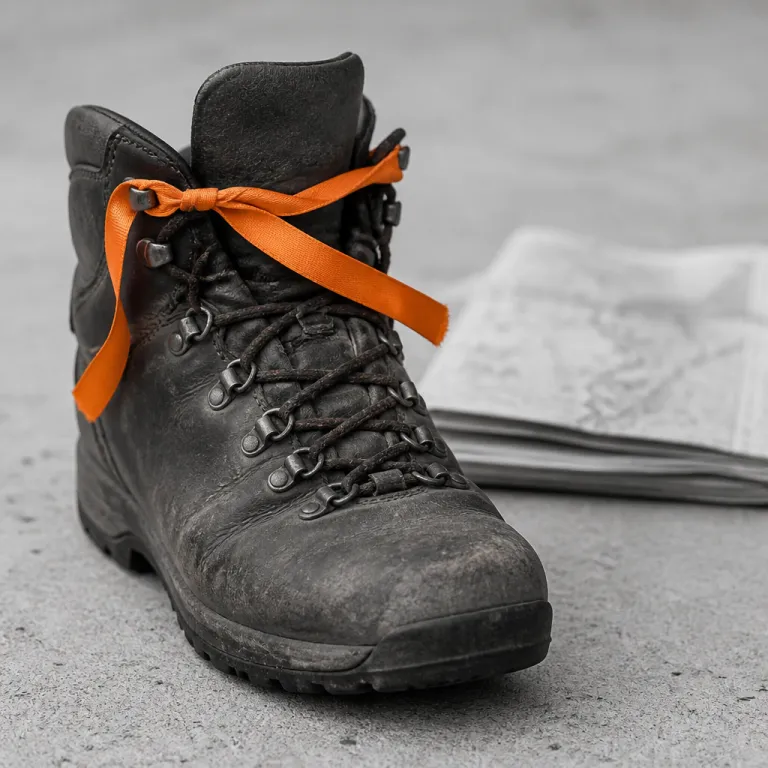
Boot choice becomes part of that flexibility, because you may end up on rougher or less maintained routes than you originally planned. A midweight boot with a supportive midsole and a durable outsole compound will handle the rocky mountain scree of an alternate ridge just as well as the groomed path you hoped to hike. When national parks no reservations 2026 policies push you from a paved overlook to a rooty forest trail, you want lugs that still bite after 500 kilometres and uppers that do not fold at the flex point.
Trail etiquette also takes on new weight when more people pour through every national park gate without the filter of entry reservations. Yielding space on narrow ledges, managing dogs responsibly, and stepping aside for faster parties are not just niceties; they are the only way a crowded route stays functional when parks require fewer formal controls. Think of it as a social version of a boat tour schedule on a busy lake, where every person’s timing affects everyone else’s experience.
Finally, gear systems beyond boots start to matter more as you spend longer in queues and on detours. A breathable shell or anorak that works from ferry deck to windy pass, like the performance focused options discussed in this guide to high performance anorak styles for serious hikers, keeps you comfortable when a short hike turns into a long day. In a world where national parks no reservations 2026 policies can turn a simple out and back into a multi stop improvisation, the best kit is the one that still feels good at hour ten, not just at the trailhead selfie.
Access, equity, and the quiet corners: where “no reservations” actually works
There is a hard truth under the debate about national parks no reservations 2026: reservations were never neutral. They favoured people with flexible jobs, fast internet, and the knowledge that a national park might require a park reservation months before a trip. Removing that digital gate reopens the door for the family that decides on Friday night to drive to a park on Saturday, even if it means more congestion at the entry booth.
For hikers, the opportunity sits in the less obvious corners of the system, far from the headline parks. While Arches, Yosemite, and Glacier soak up the attention, places like Wind Cave National Park, Mesa Verde National Park, and Mammoth Cave National Park still balance cave tours, ranger led programs, and surface hikes with a mix of limited reservations and same day passes. In practice, that means you can often walk up for a day hike above a cave system even when every underground tour is fully booked.
Island parks tell a similar story, where the real bottleneck is not the park entry but the ferry or boat tour that gets you there. Isle Royale National Park and Dry Tortugas National Park will always require some form of advance planning, because a captain can only sell so many seats per person per day on a given vessel. The shift toward fewer blanket reservations does not change the physics of a small boat or a short runway, but it does shift attention back to the fact that your America the Beautiful pass covers the fee at the gate, not the transport that delivers you to the dock.
Even in the marquee western parks, there are pockets where a no reservation policy quietly works for those willing to walk a little farther. In Rocky Mountain National Park, stepping one ridge away from the famous lakes often trades crowds for solitude, especially on trails that do not require a specific timed entry window. The same pattern holds at Mount Rainier National Park, where a less photographed canyon or forest loop can feel almost empty while the main parking areas churn with people who never leave sight of their car.
For the hiking community, the challenge is to treat national parks no reservations 2026 not as an invitation to chaos but as a call to share knowledge. Trip reports that highlight alternative routes, honest notes about trail degradation, and candid assessments of when a park requires more help than it is getting are more valuable than another hero shot at a crowded overlook. In the end, what keeps these places worth visiting is not the reservation system or the lack of one, but the quiet choices we make with every step — it is rarely the waterproof rating that fails you, but the tenth river crossing you thought would be just like the first.
Key figures shaping the “no reservations” era
- Roughly 63 million Americans report hiking at least once per year, according to recent Outdoor Industry Association participation reports, which means even a small shift in national park access policy can affect millions of potential trail days.
- The National Park Service manages more than 400 park units, but only a fraction have used timed entry or broad park reservations, concentrating both frustration and relief in a handful of high visitation parks.
- Visitation to the national parks system has hovered around 300 million recreational visits annually in recent years, a level that strains infrastructure built for far fewer people and repeatedly documented in NPS visitation statistics.
- Backlog estimates for deferred maintenance across all national parks have exceeded 20 billion dollars in National Park Service reports to Congress, highlighting how staffing cuts and aging infrastructure intersect with any move toward national parks no reservations 2026 policies.
- Surveys from the National Park Service and partner organizations consistently show that first time visitors and lower income households are less likely to navigate complex reservation systems successfully, which is a key equity argument behind dropping some park reservations.