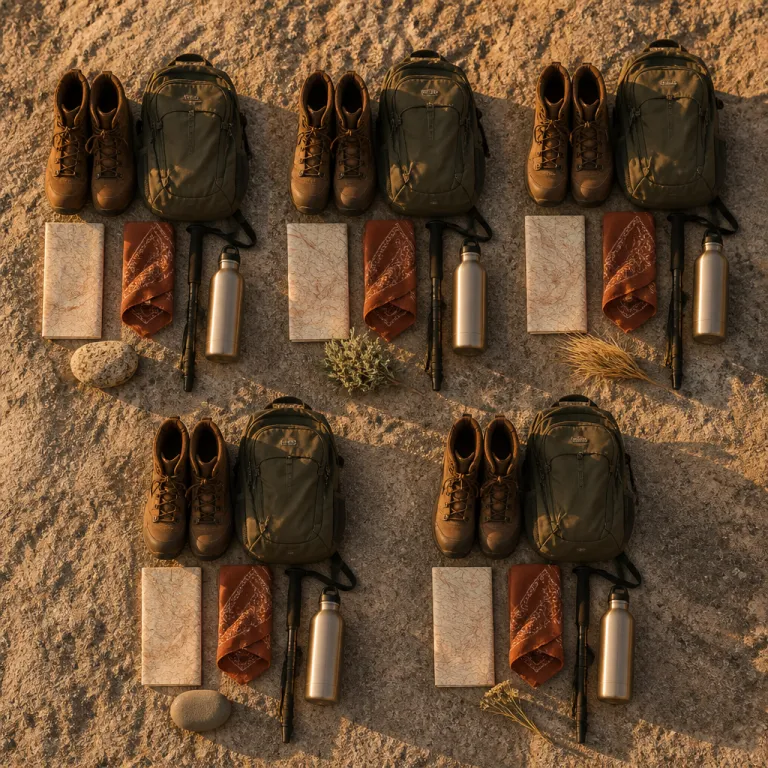
Eastern Sierra day hikes with no permit: what it really means
Eastern Sierra day hikes with no permit sound almost mythical to frustrated Yosemite regulars. In reality, many trails in the eastern Sierra Nevada inside Inyo National Forest allow a day hike without any permit required, while overnight backpacking trips into designated wilderness still demand a permit and careful planning. If you understand where the national park boundaries sit and how Inyo National Forest manages its trail quotas, you can find excellent spots for a spontaneous day trip that still feel like classic High Sierra terrain.
Think of the region as a long north–south corridor of granite, stretching from Lone Pine past Big Pine and Mammoth Lakes toward Lake Tahoe, with Highway 395 as your access spine. On the western side, Yosemite National Park and Sequoia and Kings Canyon National Parks lock down many high routes with strict permit-required systems, but on the eastern side, most day hiking and hiking–backpacking routes start on national forest land where a simple walk-up is still possible. The phrase Eastern Sierra day hikes no permit is less a loophole and more a reminder that national forest rules differ from national park regulations, especially for a single-day round-trip outing.
For day hiking, the key distinction is simple and non‑negotiable. If you sleep out, you are backpacking and a wilderness permit is usually required, but if you hike a trail and return to your car the same day, you can usually skip the permit as long as you stay outside special zones. That is why a hike like Lone Pine Lake in the Whitney Portal area can be a legal no‑permit day trip, while the same trail used for backpacking trips toward Mount Whitney instantly shifts into a tightly controlled, permit‑required corridor once you cross the signed Whitney Zone boundary above the lake.
Boot choice matters just as much as paperwork when you plan Eastern Sierra day hikes no permit. These trails are carved into glacially polished granite, with long sections of broken talus that punish soft midsoles and flimsy uppers, so a supportive hiking boot earns its weight on every descent. On a typical early‑season day, you might start on dry sand and finish on slushy snow, which means your footwear needs enough torsional stiffness to edge on frozen ruts yet enough flex to stay comfortable over 9 to 12 miles (15 to 20 kilometres) of mixed trail.
After several seasons testing boots on eastern Sierra day hikes with no permit, I have seen clear patterns in what survives. Mid‑cut models with a firm shank and durable rand, such as the Scarpa Zodiac Plus GTX or the Salomon Quest 4, hold up better against sharp Sierra Nevada granite than lighter trail runners, especially once you pass about 2,600 feet (800 metres) of elevation gain. When you plan a trip that links multiple lakes or climbs toward the High Sierra crest, a slightly heavier boot often prevents rolled ankles and bruised heels, which matters more than shaving a few hundred grams from your pack.
Snowmelt timing shapes which Eastern Sierra day hikes no permit are realistic in early June. Lower trailheads below roughly 8,500 feet (2,600 metres) are usually dry, mid‑elevation routes between about 8,500 and 9,800 feet (2,600 and 3,000 metres) hold patchy snow, and anything above 9,800 feet (3,000 metres) can keep lingering drifts that turn a casual hike into a post‑holing slog. Before you trust any online trip report, cross‑check conditions against snow telemetry from stations such as Mammoth Pass, because a shaded north‑facing basin can hide metres of snow long after sunny slopes have melted out.
Lone Pine Lake and Whitney Portal: a Sierra teaser without the lottery
Lone Pine Lake is the classic Eastern Sierra day hike with no permit if you turn around before the Whitney Zone boundary. The trail starts at Whitney Portal, climbs roughly 3.5 miles (5.6 kilometres) round trip with about 1,700 feet (520 metres) of elevation gain, and gives you a full Sierra Nevada experience without touching the Mount Whitney overnight permit system. You get granite walls, foaming creeks, and a mirror‑calm lake framed by High Sierra peaks, all inside Inyo National Forest rather than inside a national park.
The first kilometre of the hike feels deceptively gentle. Once you cross the creek and commit to the main trail, the grade steepens into steady switchbacks that reward a boot with a supportive midsole and a precise heel pocket, especially on the descent when tired quads start to wobble. This is where a mid‑cut hiking boot with a rock plate, such as the La Sportiva Ultra Raptor II Mid or the Lowa Renegade, outperforms low trail shoes by keeping your foot stable on the broken granite steps that define so many eastern Sierra trails.
Water is straightforward on this particular trip. You can refill from the creek near the lake with proper treatment, but you should still carry at least 2 to 3 litres because the exposed sections heat up quickly once the snow has gone. Many hikers underestimate how fast temperatures climb on a clear day in the eastern Sierra, especially when reflective granite bounces sunlight back at you from every angle.
Permits here are all about where you stop. As long as your day hike ends at Lone Pine Lake and you do not cross into the Whitney Zone toward the summit, no‑permit rules apply for day use, but the moment you plan camping or backpacking trips beyond that point, you enter the tightly managed quota system. Think of the lake as a clean line between spontaneous hiking and regulated High Sierra objectives like Mount Whitney or the distant granite of Half Dome in Yosemite Valley.
For a weekend hiker who usually trains on coastal routes or rolling forest paths, Lone Pine Lake is also a gear test bed. The combination of sustained elevation gain, rocky tread, and thin air around 9,200 feet (2,800 metres) exposes any weakness in your boots, whether it is heel lift, toe‑box pinch, or a midsole that feels dead after a few kilometres. If you are coming from gentler trails such as the San Diego Trans County Trail, this is where you learn how your footwear behaves when the Sierra decides to tilt the treadmill.
Parking at Whitney Portal fills early on summer weekends, but a Tuesday in June often leaves enough space for a late‑morning start. You can still check online maps to confirm road status and seasonal closures, yet the real advantage of Eastern Sierra day hikes no permit is psychological, because you are no longer tied to a lottery date or a rigid entry window. You simply lace your boots, shoulder a light pack, and walk into some of the most dramatic granite in California without a ranger checking your paperwork at the trailhead.
Convict Lake, Mildred Lake, and the water reality of Eastern Sierra heat
Convict Lake offers one of the most accessible Eastern Sierra day hikes with no permit, combining a flat lakeside loop with a steeper spur toward Mildred Lake. The basic circuit around the lake is roughly 2.8 miles (4.5 kilometres) with minimal elevation gain, while the extension toward Mildred Lake can push your day to 9 miles (14 kilometres) or more with several hundred metres of climbing. This mix makes Convict Lake ideal for a group where some hikers want a mellow shoreline walk and others crave a more demanding trail into classic High Sierra basins.
The lower loop hugs the lake edge on a well‑built path. You get constant views of the surrounding Sierra Nevada walls, reflections on the water, and easy footing that works for almost any boot or even a sturdy trail runner, though sharp rocks near the inlet still reward a protective sole. Dogs are allowed on leash, which turns this into one of the more family‑friendly spots among Eastern Sierra day hikes no permit, especially for visitors who are easing into altitude.
Once you branch toward Mildred Lake, the character changes quickly. The trail narrows, the grade steepens, and loose rock appears underfoot, which is where a mid‑cut hiking boot with a firm shank and grippy outsole starts to feel like a smart choice rather than overkill. If you are carrying a light pack for hiking–backpacking practice or scouting future backpacking trips, this is a good place to test how your footwear handles side‑hilling and short scrambly sections.
Water strategy here is non‑negotiable. The eastern Sierra sun turns the basin into a reflector oven by late morning, and even though you are walking beside a lake, you should still start with at least 3 litres in your hydration system, then refill from creeks higher up if you carry a filter. Many hikers assume that a national forest setting means constant shade, but the reality is long stretches of exposed trail where the only relief comes when the path dips into a drainage near the lakes.
Boot‑wise, this is where I have seen lightweight models fail after a few seasons. Soft EVA midsoles compress under repeated trips, leaving you with less cushioning on the descent, while thin mesh uppers tear on the sharp volcanic rock that lines parts of the Convict Lake trail. A more robust boot, such as the Asolo Falcon GV or the Scarpa Rush TRK, gives you enough support for the round trip to Mildred Lake without feeling like a full alpine boot designed for technical climbing.
Weather can swing quickly in this part of California, especially when convective storms build over the crest and drift east. Before you plan any Eastern Sierra day hikes no permit, it is worth reading a detailed mountain forecast and understanding how patterns differ from places like Yosemite, where resources on weather in Yosemite help explain afternoon thunderstorm cycles that also affect the High Sierra. The same clouds that drop hail on Half Dome can drift over Convict Lake an hour later, turning a warm day hike into a slick, cold descent where good traction and ankle support matter more than ever.
Bristlecones, Little Lakes Valley, and the art of reading elevation
The Methuselah Trail in the Ancient Bristlecone Pine Forest is a very different kind of Eastern Sierra day hike with no permit. Instead of lakes and rushing creeks, you walk a 4.5‑mile (7.2‑kilometre) loop through gnarled bristlecone pines on a high ridge above the Owens Valley, with views that stretch across the Sierra Nevada to the distant white of the High Sierra crest. The trail sits around 10,000 feet (3,000 metres), but because the terrain is mostly dry and the grade moderate, the elevation gain feels manageable for most fit hikers who pace themselves.
Footing on the Methuselah Trail is mostly firm dirt and small rock. You can wear a lighter boot or even a robust trail runner here, though I still prefer a mid‑cut boot for ankle protection against the occasional loose stone and for warmth when wind whips across the ridge. This is one of the few Eastern Sierra day hikes no permit where snow is rarely an issue by early summer, making it a reliable option when higher lakes and passes are still holding drifts.
Little Lakes Valley from the Mosquito Flat trailhead is the opposite in almost every way. You start at roughly 10,300 feet (3,140 metres), making it one of the highest trailheads in California, and follow a gentle but continuous trail past a chain of lakes toward Long Lake and beyond, with the option to push toward Gem or even Island Lake if conditions allow. The distance round trip to Long Lake hovers around 7 miles (11 kilometres), but the combination of altitude and rolling elevation gain can make it feel like a bigger day, especially for hikers not yet acclimated to the eastern Sierra.
Because of the high starting elevation, Little Lakes Valley demands more from your boots. The trail crosses roots, rock slabs, and occasional snow patches early in the season, so a boot with a grippy outsole compound and a supportive midsole, such as the Salomon X Ultra 4 Mid or the Scarpa Kailash, helps keep your stride efficient. If you are testing gear for future backpacking trips into the High Sierra or along the John Muir Trail corridor, this is an ideal proving ground where you can bail out easily yet still simulate the demands of multi‑day hiking–backpacking.
Snow coverage here changes week by week. Lower sections near the trailhead often melt out early, while shaded pockets near the upper lakes can hold snow that hides the path and turns simple creek crossings into icy puzzles, so you should always check recent online reports before committing to a long day. When in doubt, plan your Eastern Sierra day hikes no permit at slightly lower elevations until you are confident that the high basins have transitioned from winter to firm, dry trail.
Reading elevation is a skill that pays off across the region. A trail at 7,900 feet (2,400 metres) near Big Pine or Pine Creek can be bone dry while Little Lakes Valley still holds knee‑deep snow, which is why experienced hikers treat contour lines as seriously as distance when planning any trip. The same logic applies when you compare these routes to other high routes, such as the Skyline Divide Trail in Washington, where understanding snowpack and elevation gain is just as critical as knowing whether a permit is required for your chosen day.
From Mosaic Canyon to Pine Creek: boots, heat, and spontaneous Tuesdays
Mosaic Canyon sits just over the divide in Death Valley National Park, roughly an hour from Lone Pine, and it offers a stark counterpoint to alpine Eastern Sierra day hikes with no permit. The 4‑mile (6.5‑kilometre) round‑trip route winds through polished marble narrows and gravelly wash, with minimal elevation gain but intense radiant heat that builds quickly even on a mild day. By early summer, this becomes a morning‑only objective, and by full summer, the heat often makes it unsafe for most hikers regardless of experience.
Footwear here faces a different challenge. Instead of sharp granite, you deal with abrasive limestone and endless small stones that can infiltrate low‑cut shoes, so a mid‑cut boot with a snug ankle collar helps keep debris out while still allowing enough flex for the flat sections. Because the trail alternates between firm rock and loose gravel, a boot with a stable platform and a slightly rockered sole, such as the Hoka Kaha or the Scarpa Zodiac Plus, keeps your stride efficient over the entire round trip.
Back on the east side of the Sierra, trailheads like Pine Creek and the Pine Lakes basin near Big Pine offer more classic Eastern Sierra day hikes no permit. You can hike from the Pine Creek trailhead into a steep canyon that climbs quickly toward old mine sites and high alpine basins, racking up serious elevation gain over relatively short distances. These routes are perfect for training days when you want to simulate the demands of longer backpacking trips without committing to camping or dealing with a permit‑required system.
Water planning on these canyon trails is unforgiving. Once the snow has melted, temperatures in the eastern Sierra can spike, and the combination of altitude, dry air, and reflective rock means you dehydrate faster than you expect, so carrying at least 3 litres and knowing exactly which creek or lake you will use for refills is essential. Many hikers assume that because they are inside a national forest rather than a national park, services will be more available, but in reality, you are often farther from help and more reliant on your own judgement.
Boot durability shows up clearly after a season of these mixed objectives. Lightweight models that feel great on a single day hike around a low lake can start to delaminate or lose cushioning after repeated trips up Pine Creek or into the Pine Lakes basin, while more robust boots with stitched rands and denser midsoles maintain their structure. When you are planning a season of Eastern Sierra day hikes no permit, it is worth investing in a boot that can handle both the heat of Mosaic Canyon and the granite of High Sierra basins without failing at the worst possible moment.
The real gift of this region is spontaneity. On a Tuesday in June, you can scan a few online maps, check recent trip reports, and decide between a shaded canyon, a high lake basin, or a desert slot without worrying about lottery results or entry windows, as long as you respect the clear line between day hiking and overnight camping. Out here, the limiting factor is rarely the permit, but the strength of your legs, the fit of your boots, and how much water you are willing to carry when the trail tilts upward and the sun turns the Sierra into a mirror of heat.
FAQ
Do I need a permit for Eastern Sierra day hikes inside Inyo National Forest?
Most Eastern Sierra day hikes inside Inyo National Forest do not require a permit as long as you start and finish your hike on the same day. Special zones, such as the Whitney Zone on the Mount Whitney Trail, may still require a permit even for day use beyond certain boundaries, so you must always check specific trailhead regulations. Overnight backpacking trips almost always require a wilderness permit, regardless of whether you begin in national forest or near a national park boundary.
What kind of hiking boots work best for Eastern Sierra granite trails?
Granite‑heavy Eastern Sierra trails reward a mid‑cut hiking boot with a firm midsole, good torsional stability, and a durable toe rand. Models that balance support and weight, such as the Scarpa Zodiac Plus GTX, Salomon Quest 4, or Lowa Renegade, tend to perform better over time than ultralight trail runners on steep, rocky descents. If you plan repeated trips with significant elevation gain, prioritize fit and support over minimal weight, because ankle stability and underfoot protection matter more than saving a few grams.
How much water should I carry for a typical Eastern Sierra day hike?
For most Eastern Sierra day hikes, carrying at least 3 litres of water per person is a safe baseline, especially once daytime temperatures rise. Many trails are exposed and sit above 6,500 feet (2,000 metres), which increases dehydration risk even when air temperatures feel moderate. If your route passes reliable creeks or lakes, you can carry a filter and refill, but you should still plan your water strategy before leaving the trailhead.
When are high‑elevation Eastern Sierra trails usually free of snow?
Lower elevation trailheads below roughly 8,500 feet (2,600 metres) often melt out by late spring, while mid‑elevation routes between about 8,500 and 9,800 feet (2,600 and 3,000 metres) can hold patchy snow into early summer. High basins and passes above 9,800 feet (3,000 metres) may keep snow much longer, especially on north‑facing slopes, so you should always check recent trip reports and snow telemetry data before committing to a long day. When in doubt, choose slightly lower objectives until you are confident that conditions have transitioned to firm, dry trail.
Can I use Eastern Sierra day hikes to train for longer backpacking trips?
Eastern Sierra day hikes are excellent training for longer backpacking trips because they combine significant elevation gain, altitude, and rough terrain without requiring overnight permits. Routes such as Lone Pine Lake, Little Lakes Valley, and Pine Creek allow you to test boots, packs, and pacing under realistic High Sierra conditions. By loading your pack to approximate backpacking weight and choosing trails with sustained climbs, you can build fitness and dial gear choices before committing to multi‑day objectives.