
Summary
Editor's rating
Value: good on sale, harder to justify at full price
Design: practical, but with a few questionable choices
Comfort: very good out of the box, but sizing is tricky
Materials: nice leather, but not the toughest build
Durability: decent if you’re gentle, questionable if you’re hard on boots
Performance: good grip and waterproof at first, but long-term is the question
What you actually get with these Berghaus boots
Pros
- Very comfortable out of the box with a trainer-like feel
- Good grip and initially solid waterproofing for everyday walking
- Light for a leather boot and looks acceptable both on trail and in town
Cons
- Durability concerns: reports of seams splitting and leather cracking over time
- Narrow fit and sizing runs small, can feel tight by the end of a long day
- Heel design can let in stones and debris, which gets annoying on rough paths

Specifications
View full product page →| Brand | Berghaus |
Solid everyday hiking boots, but watch the long-term
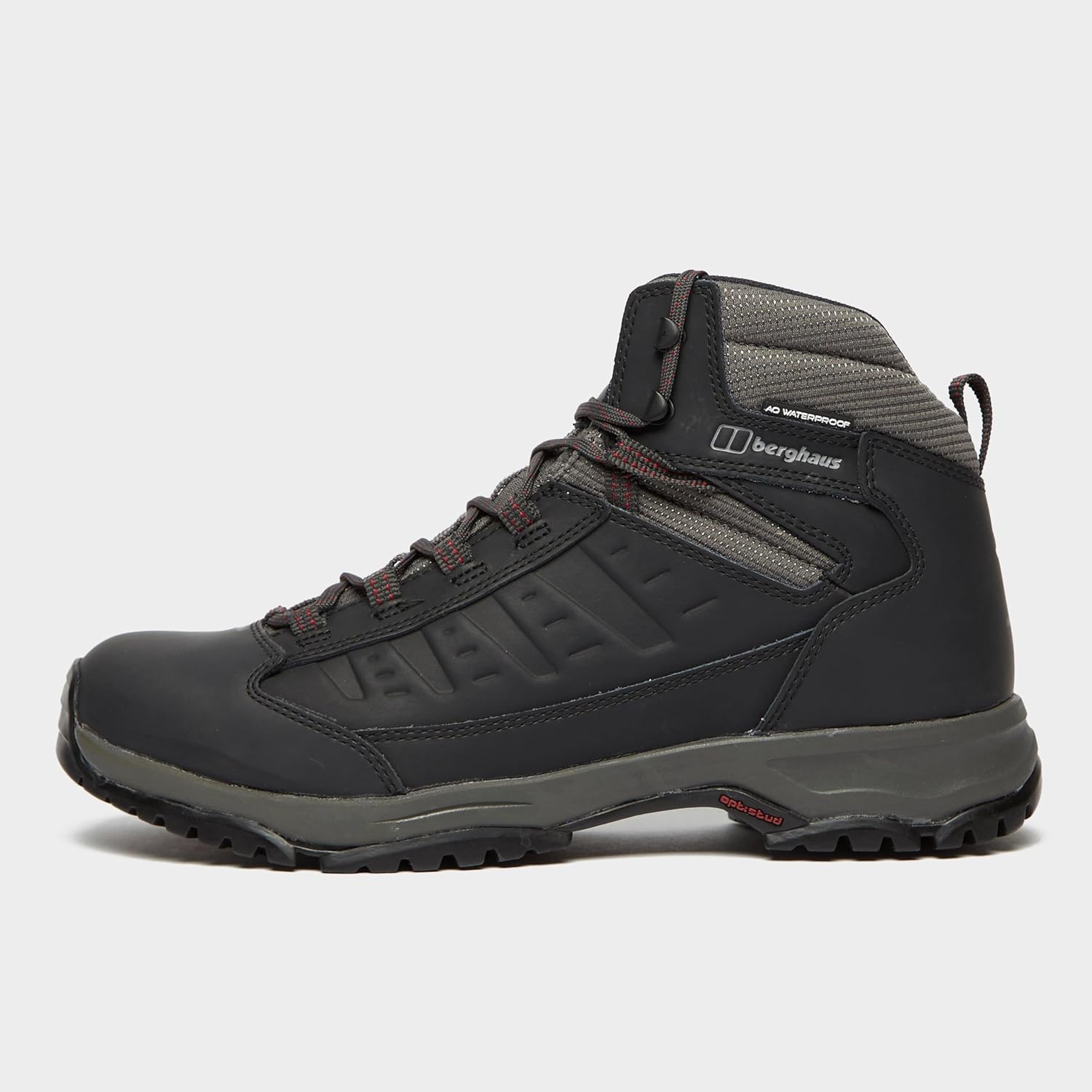
I’ve been using the Berghaus Expeditor Ridge 2.0 (in black/red, size 10.5 UK) as my main walking boots for a while now. I use them for dog walks twice a day, weekend hikes in the hills, and the odd wet, muddy trail. So not Everest, but definitely more than just a stroll around the park. I went for these because I wanted something lighter than full-on leather mountain boots but still waterproof and reasonably tough.
Out of the box, my first reaction was that they felt more like sturdy trainers than big clunky boots. They’re fairly light, the leather is soft, and they don’t have that heavy, brick-on-your-foot feeling some hiking boots have. I could wear them around the house straight away without any hot spots or rubbing, which is already better than a lot of boots I’ve had where you need a week of pain before they calm down.
After a few days of walking in wet grass and muddy paths, they did what I expected: my feet stayed dry, grip was decent, and they were comfortable enough to forget about them. That’s usually my main test: if I’m not thinking about my feet after an hour, the boots are doing their job. On that front, they pass. But once you start looking at long-term durability and how they handle all-day wear, the picture gets a bit more mixed.
So if you’re thinking about these as your everyday walking boots, I’d say they’re good in some areas, but not perfect. They’re very wearable and fairly light, but based on my use and some Amazon reviews, there are some question marks around waterproofing over time and how long the seams and leather will hold up if you really put them through a lot of miles.
Value: good on sale, harder to justify at full price
Price is where my opinion really depends on what you pay. These boots are often listed around the £120–£140 mark, which in my view is a bit steep for what they are, especially with the durability question marks. At that price, you’re in the territory of some very solid alternatives from other brands, including chunkier leather boots that tend to last longer. If I had to pay full RRP, I’d probably look elsewhere, unless I really wanted the lighter feel and Berghaus branding.
However, they do drop into the £50–£70 range fairly often, and that changes things a lot. One reviewer got them for £47 and compared them to budget brands like Northwest Territory and Johnscliffe. I’ve used similar budget boots too, and I’d say the Berghaus leather feels nicer and the fit is more “trainer-like” and precise. On the flip side, those cheaper boots sometimes feel more old-school and tougher, with thicker leather and metal hardware. So at a good discount, the Expeditor Ridge 2.0 becomes a more interesting choice if you value comfort and lighter weight over sheer toughness.
In day-to-day use, they do give you a lot: decent waterproofing at the start, good grip, good comfort, and a design that works both on the trail and in town. If you get a couple of solid seasons out of them with regular walking, the value isn’t terrible, especially if you paid under £70. If they start leaking or splitting within a year and you paid full price, then the value looks pretty poor. So it really comes down to how hard you are on boots and how much you manage to knock off the list price.
My take: if you spot them on sale and you’re a casual to regular walker who wants a comfortable leather boot that isn’t too heavy, they’re worth considering. If you’re a heavy user or you’re paying close to full RRP, I’d either save up a bit more for something tougher or drop down to a cheaper boot that’s known to be a workhorse. For me, they sit in that middle ground: not bad, not amazing, decent value only at the right price.
Design: practical, but with a few questionable choices
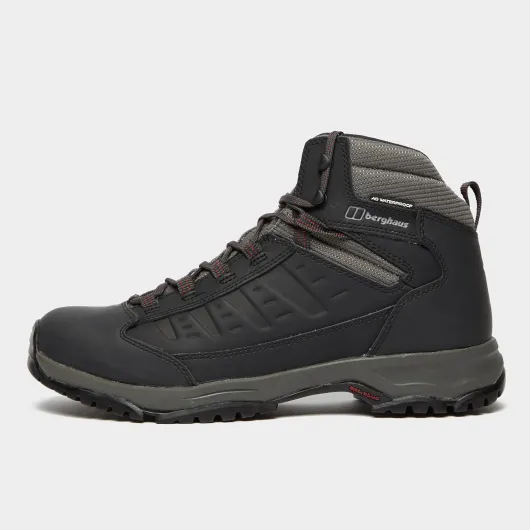
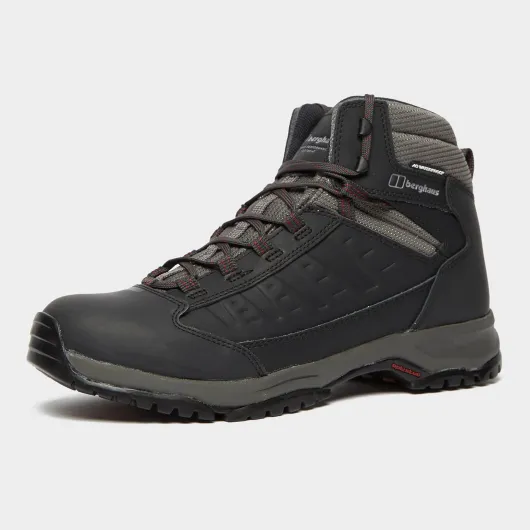
Design-wise, these boots sit somewhere between a trainer and a classic leather hiking boot. The overall shape is quite sleek, not bulky, which I like. The black leather with red touches on the laces and branding looks decent, nothing flashy but not boring either. If you’re used to chunkier boots like older Scarpas or Meindls, these will feel slimmer and more modern. That’s nice for everyday use, especially if you’re going from trail to pub or into town afterwards.
However, some design choices are a bit odd when you start using them properly. One thing that stood out for me, and that another reviewer mentioned, is the dip at the back of the boot above the heel. I get that it’s supposed to make them easier to slip on and off and maybe give more movement around the Achilles, but in practice it can be annoying. On stony tracks and muddy paths, I’ve had small bits flick up and land inside the gap. Not every walk, but enough times to notice, and when a small stone gets wedged between your sock and the back of the boot, it’s painful and forces a stop.
The lacing system uses fabric loops rather than solid metal eyelets all the way up. This keeps weight down and looks a bit more modern, but it doesn’t feel as tough as boots with proper metal hardware. On my pair, nothing has snapped yet, but I can see these loops being a weak point if you really crank the laces tight or use them daily for years. Also, there’s no leather gusset over the tongue, which some cheaper brands actually do better. More stitching and fabric in that area means more possible points for water to creep in once the boot starts to age.
Overall, the design is good for casual and regular walking: light, fairly smart, easy to wear. But if you’re picky about long-term reliability, some of the choices – the heel dip, the fabric lacing, the amount of stitching – feel a bit more like style and weight-saving than pure durability. It’s not a deal-breaker for me, but it does push these boots more into the “general walking” category rather than “abuse them for years in rough conditions”.
Comfort: very good out of the box, but sizing is tricky
Comfort is probably the main strength of these boots. I could wear them straight out of the box for a 5–6 km walk without blisters or hot spots. The leather is soft enough that you don’t get that brutal break-in period you get with stiffer boots. The EVA midsole and OrthoLite footbed give a decent level of cushioning, so they feel closer to a solid trainer than a traditional hiking boot. For day-to-day walking, dog walks, and moderate hikes, that’s honestly what most people want.
That said, sizing can be a bit of a headache. I’m usually a 10 in trainers and went for 10.5 in these. With medium hiking socks they fit snug but not painful. If I wear slightly thicker socks, they feel tight by the end of a long day. Several reviews say the same thing: they run on the small and narrow side, and people often go up half a size or even a full size. If you have wide feet or like thick socks, I’d 100% go at least half a size up. One reviewer even said he’d go up to 9.5 after finding 9 tight by the end of the day.
In terms of all-day comfort, they’re good but not perfect. For a 2–3 hour walk they’re great – you forget about them. Once you hit 6–8 hours, the narrower fit and moderate cushioning start to show. My feet felt a bit squeezed and tired by the end of a long, full-day hike. It’s not unbearable, but they’re not in the same league as more supportive boots with thicker midsoles and roomier toe boxes. If your walks are mostly under a few hours, you’ll probably be happy. If you’re doing long-distance stuff regularly, you might want more support.
Breathability is okay but not outstanding. In cold and cool weather they’re fine and quite warm, maybe even a bit too warm. In mild spring weather, my feet did get a bit sweaty. They’re better than some plastic-feeling waterproof boots, but they’re not magic. For autumn and winter, I think they hit a good balance. Overall, comfort is a strong point, as long as you nail the size and accept that they’re more for everyday walking than hardcore trekking.
Materials: nice leather, but not the toughest build
The upper is leather from a Leather Working Group–certified tannery, which basically means it meets some environmental and quality standards. In the hand, the leather feels decent: slightly waxed, reasonably soft, and it does take wax like Granger’s G-Wax pretty well. Compared to cheaper boots like Northwest Territory or Johnscliffe (that I’ve also used), the leather on the Berghaus feels a bit nicer to the touch but also a bit thinner. So you get a nicer look and easier break-in, but maybe not the same tank-like toughness.
Inside, you’ve got a synthetic lining with the Berghaus AQ waterproof membrane and an OrthoLite insole. The lining feels a bit basic, almost like what you’d find in a mid-range trainer rather than a premium boot. It’s not horrible, just not particularly plush. The OrthoLite insole is fine, nothing special – it adds some cushioning and helps with moisture, but if you need serious arch support you’ll probably end up swapping it for your own insoles. I did that after a couple of weeks and it made them better for longer walks.
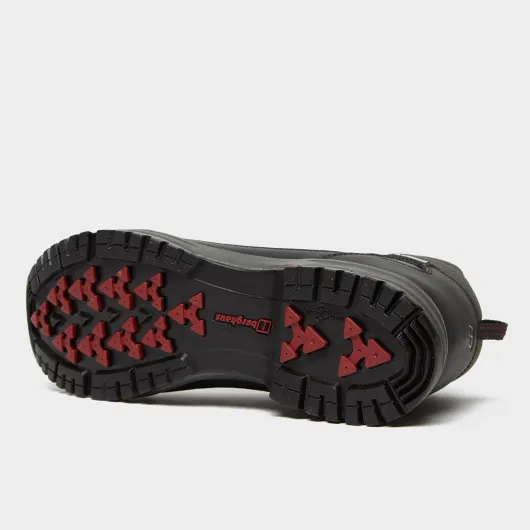
The sole unit is EVA midsole with a rubber outsole using their OPTI-STUD pattern. EVA is standard for cushioning and helps keep weight down. On rocky paths, I could feel enough cushioning that sharp stones weren’t killing my feet, but it’s not super thick. Again, this matches the idea of a lighter, more flexible walking boot. The outsole rubber feels reasonably firm and hasn’t worn down quickly for me so far. Grip on wet grass and muddy trails has been fine. I wouldn’t call it mountaineering-level grip, but for normal UK walks it’s good enough.
Where I’m a bit less convinced is the overall construction: there’s a lot of stitching, and it feels like quite a bit of the boot is held together with glue as well. Some Amazon reviews mention seams splitting and the toe cap separating after months of use, and I can believe it. Mine haven’t failed yet, but I can already see creases forming in the same spots where people reported cracking. So, materials are decent for the price if you get them on offer, but I wouldn’t call them bombproof. If you want something that will last many years of heavy walking, you might want a chunkier, more old-school leather boot.
Durability: decent if you’re gentle, questionable if you’re hard on boots
This is where things get a bit shaky. In my own use, after regular walks over several months, the boots are still in one piece: no blown seams yet, no obvious separation of the toe cap, and the sole is holding up fine. The leather has creased and picked up scuffs, but that’s normal. With a bit of wax, they still look presentable. So if you’re mostly on softer ground like fields, parks, and forest paths, and you look after them a bit, they seem okay.
But when you start digging into other people’s experiences, especially those who walk a lot on rough ground, a pattern shows up. Several Amazon reviews mention the same issues: seams splitting, sides of the boots cracking, and the toe area starting to separate from the main body after less than a year. One reviewer even said this happened on two separate pairs, and that the waterproofing basically gave up once the seams and glue started failing. That lines up with what I’m slightly worried about when I look at all the stitching and thinner leather around flex points.
There’s also the question of the “lifetime guarantee” that Berghaus pushes. It sounds reassuring, but in reality it’s often a hassle to claim, and what counts as “lifetime” is vague. Is it the lifetime of the product, which the brand decides, or your lifetime? Most of the time, these guarantees are limited and involve sending the boots in and waiting ages for a decision. So I wouldn’t buy these assuming the guarantee will magically solve any durability issues. Treat it as a nice-to-have, not a safety net.
So, would I call these durable? I’d say they’re fine for normal use over a couple of seasons if you’re not smashing them on rocks every weekend. If you hammer your boots daily, drag them through rough trails, and expect them to last for years, there are tougher options out there, even from cheaper brands. For the right use case – regular but not extreme walking – they’re okay, but I wouldn’t label them as long-term workhorses.
Performance: good grip and waterproof at first, but long-term is the question
On the trail, these boots perform pretty well in the short term. Grip from the OPTI-STUD sole is solid on typical UK terrain: wet grass, muddy tracks, forest paths, and rocky bits. I’ve used them in heavy rain, on sloppy fields, and on stony bridleways, and I’ve never felt like they were dangerously slippery. They’re not ice boots, but that’s not what they claim to be. Mud doesn’t pack into the tread too badly, and it clears fairly easily with a few steps on drier ground.
Waterproofing when new has been good for me. Walking through wet grass, shallow puddles, and small streams, my feet stayed dry. The AQ membrane seems to do its job early on. That lines up with some of the positive reviews saying they are actually waterproof in proper wet conditions. The problem is more about how long that lasts. One reviewer who’d had two pairs said that after several months the seams started splitting, the sides cracked, and water started coming in regularly. I haven’t had them quite that long yet, but I can see why he’s annoyed – a boot sold as waterproof should stay that way for more than a season.
In terms of stability, the ankle height gives enough support for general walking. They’re not super stiff, so if you’re carrying a heavy pack on rough terrain, you might want something more supportive. For light hiking and everyday walking, they’re fine. The lowish cut at the back of the heel, as mentioned, is annoying because it lets in stones and debris more easily than a more closed design. I’ve had to stop mid-walk a few times to fish out a small stone or clump of mud that somehow got in there.
Overall, performance is good for what I’d call “regular outdoor life”: daily walks, moderate hikes, wet weather. But I wouldn’t rely on them as my only pair for serious multi-day trips or heavy use in rough terrain for years. They feel like they’re built more for comfort and lightness than to survive constant abuse. If you accept that and maybe reproof the leather and seams regularly, they’ll do the job. If you want a boot you can forget about for 5+ years of hard use, I’d look at something more robust.
What you actually get with these Berghaus boots
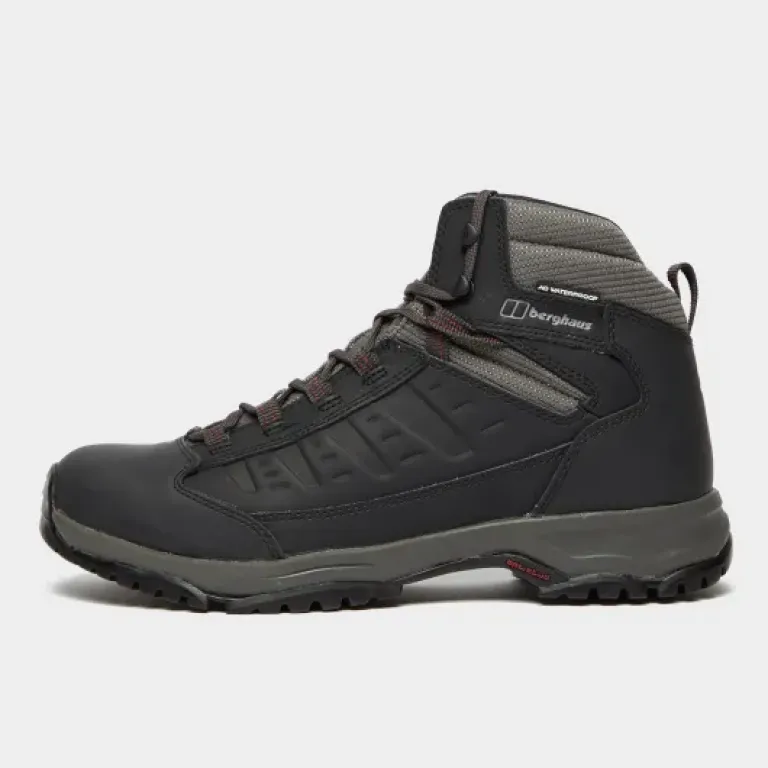
On paper, the Expeditor Ridge 2.0 sounds like a pretty balanced boot. You get a leather upper, an AQ waterproof lining, EVA midsole, OrthoLite footbed, and Berghaus’ OPTI-STUD sole pattern for grip. They’re mid-height, so the shaft comes up around the ankle but not super high like heavy-duty mountain boots. Mine in size 10.5 weigh around 1 kg for the pair, so they’re not ultra-light, but they’re definitely on the lighter side for leather walking boots.
The style is fairly simple: black leather with red details. No flashy logos everywhere, but also not completely plain. I’d call it “functional with a bit of colour”. You can wear them in town with jeans without looking like you’re about to cross a glacier, but they still clearly look like hiking boots. The lacing is standard, nothing fancy – fabric loops and hooks rather than metal hardware all the way, which some people won’t like because metal eyelets generally feel tougher.
They’re marketed as all-round walking boots for autumn/winter, which is about right. I’ve used them in cold and wet weather and they’re fine. In warmer weather they can run a bit hot, which matches what some Amazon reviewers said about breathability being okay but not brilliant. They’re not the kind of boot I’d pick for a hot summer hike unless you really need the ankle support and waterproofing.
In terms of fit, they run slightly on the narrow side. I’ve got average-to-slightly-wide feet and I’m glad I didn’t size down. If you have wide feet, I’d seriously think about going half a size up, or even a full size, especially if you wear thick hiking socks. Several reviewers mentioned having to go up from their normal trainer size, and I’d agree with that. Overall, what you get is a lightish leather hiking boot aimed at everyday walking, not hardcore mountaineering, with a focus on comfort out of the box.
Pros
- Very comfortable out of the box with a trainer-like feel
- Good grip and initially solid waterproofing for everyday walking
- Light for a leather boot and looks acceptable both on trail and in town
Cons
- Durability concerns: reports of seams splitting and leather cracking over time
- Narrow fit and sizing runs small, can feel tight by the end of a long day
- Heel design can let in stones and debris, which gets annoying on rough paths
Conclusion
Editor's rating
Overall, the Berghaus Expeditor Ridge 2.0 is a comfortable, lightweight leather walking boot that works well for everyday use, dog walks, and moderate hikes. The main positives are how easy they are to wear from day one, the decent grip, and the initially good waterproofing. They feel more like sturdy trainers with ankle support than heavy mountaineering boots, which is exactly what a lot of people want for normal UK walking. If you get the sizing right and don’t expect them to be indestructible, they’re pretty pleasant to live with.
The flipside is durability and some odd design choices. The dip at the back of the heel can let in stones and mud, the fabric lacing hardware doesn’t scream long-term toughness, and there are enough reports of seams splitting and leather cracking to take the “lifetime guarantee” with a pinch of salt. At full price, I think they’re a bit expensive for what they offer, especially if you’re a heavy user. On sale, they make more sense as a comfy, mid-range option that you accept might not last forever.
If you’re a casual or regular walker who wants a lightish, comfy waterproof boot for a couple of seasons and you can grab them at a discount, they’re a decent pick. If you’re doing serious long-distance hiking, carrying heavy loads, or you’re rough on your gear and expect it to last years, I’d look at sturdier boots with thicker leather and simpler construction. In short: good comfort and everyday performance, but not the toughest boot on the block.