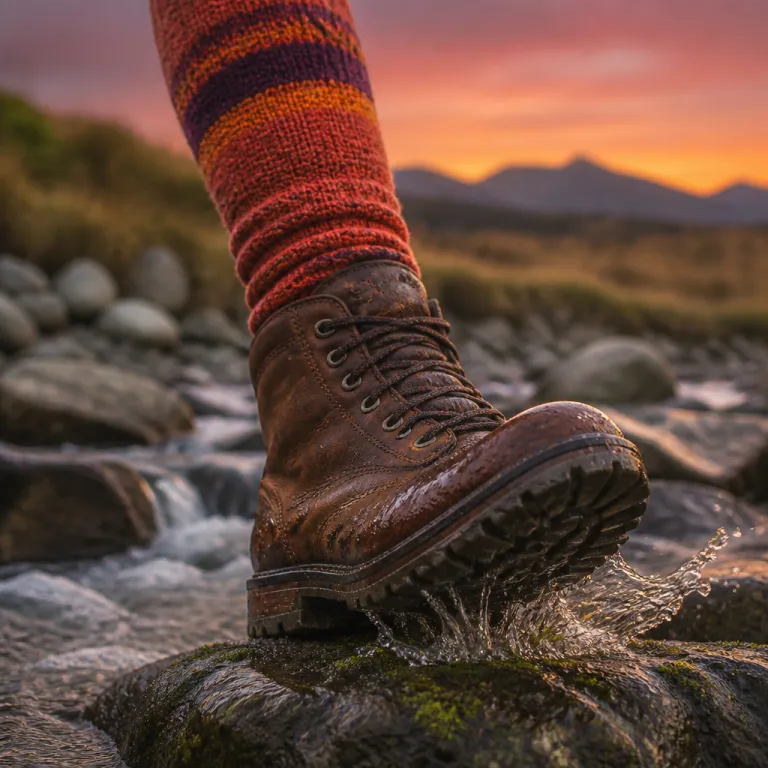
Why knee high socks matter more than you think
Knee high socks shape how your hiking boots feel after six hours. On steep alpine trails, the right sock and the right height protect your knee, your Achilles, and every pressure point between, while poor choices turn a promising day into a slow, blistered retreat. Serious hikers treat each pair of socks as essential gear, not a disposable afterthought.
When you slide into a technical boot, the interface between skin and leather is the sock, so the fabric, thickness, and compression level dictate comfort. A well designed hiking sock in combed cotton blends or merino synthetics manages moisture, cushions impact, and prevents the boot collar from rubbing the upper calf, while low quality socks collapse, wrinkle, and trap sweat. For long routes in the Alps or the Scottish Highlands, knee socks that stay in place and keep the lower leg warm can be as critical as the boot midsole.
Experienced mountaineers often carry a spare pair of high socks in their summit pack, because changing into a dry pair halfway through the day resets comfort. A light two-pair pack of knee highs weighs very little yet dramatically reduces maceration and blister risk, especially when river crossings or wet snow soak the first collection of socks. Treat every sock as a technical product that must match terrain, weather, and your specific boots.
Materials, thickness, and compression for demanding terrain
Material choice in knee high socks determines how your feet handle sweat, friction, and temperature swings. For multi day hut tours, a flat knit construction in combed cotton blends or merino with nylon reinforcement gives a smooth interior surface, while targeted compression zones stabilize the arch and ankle. Heavy, all cotton knee designs without synthetics tend to stay wet, sag, and increase blister risk.
Look for a clear list of fabric percentages on every product label, because vague descriptions hide shortcuts in yarn quality. As a practical benchmark, many reliable trekking socks use roughly 40 to 70 percent merino or combed cotton, 25 to 55 percent nylon or other polyamide for strength, and 2 to 5 percent elastane for stretch. High socks that combine merino, recycled nylon, and a touch of elastane usually outperform cheap regular models, since they dry faster and keep their shape after repeated washing.
When you compare a sheer knee design for city wear with a soft, opaque trekking sock, the difference in durability and thermal performance becomes obvious on the first cold ridge. Graduated compression socks can help reduce calf fatigue on long descents, especially for hikers prone to swelling. A light to moderate compression level in knee highs, typically around 15 to 20 mmHg, supports venous return without feeling restrictive, while full medical grade compression is rarely necessary for healthy hikers.
If you already invest in PFAS free rainwear for ethical reasons, extend that same eco friendly mindset to your sock collection and choose bluesign approved or OEKO TEX certified yarns instead of untraceable synthetics. For a deeper look at how lower leg layers interact with waterproof shells, the analysis of the PFAS free rainwear generation shows why breathability and moisture management must be considered as a complete system. When your rain pants trap sweat, even the best seller in knee socks will struggle to keep skin dry and comfortable. Matching breathable outer layers with high performing men’s and women’s models keeps the entire lower limb drier in sustained rain.
Fit, cushioning, and the critical boot sock interface
The fit of knee high socks must complement the fit of your hiking boots, not fight it. If the sock is too thick for the boot volume, your toes jam on descents, while a thin sheer knee design inside a stiff mountaineering boot allows the heel to lift and blister. Aim for a snug, wrinkle free fit that follows the contours of the foot and calf without cutting circulation.
Cushioning zones under the heel, ball of the foot, and along the tibia protect against repetitive impact on rocky trails. A soft, opaque knee trekking sock with medium padding underfoot and lighter padding over the instep balances comfort and breathability, whereas over padded socks can feel spongy and unstable on technical ground. Flat knit seams at the toe box are non negotiable for long days, because bulky seams create pressure points that become hot spots after only a few kilometres.
When you buy boots, always test them with the same type of knee socks you plan to wear on serious trips. The detailed guide on the sock rule and the three features worth paying for explains why shop tests with thin store socks give misleading impressions of volume and support. Bring at least one pair of your usual cotton knee or merino high socks, lace the boots as you would on trail, and walk ramps or stairs to feel how the whole system behaves.
Technical men’s and women’s lines often differ slightly in calf circumference and length, so choose the version that matches your leg shape rather than defaulting to gender labels. Some women specific collections offer narrower calves and more stretch at the cuff, which helps keep knee highs from sliding down on smaller legs. For wide calves, look for a standard or wide fit label and avoid overly tight compression socks that may cause discomfort on long traverses.
Outer layers also influence sock performance, because poorly cut trousers can bunch fabric around the ankle. The discussion of why nylon pants and jackets matter for serious hikers highlights how smooth, low friction fabrics reduce snagging and allow socks to move naturally with each stride. When your pants glide over the sock and boot, you reduce hotspots at the cuff and maintain a consistent thermal envelope from foot to knee.
Choosing the right knee high socks for climate and altitude
Climate and altitude dictate which knee high socks belong in your pack for a given route. In hot, low altitude environments, a lightweight flat knit sock with minimal cushioning and high ventilation panels keeps feet cooler, while still protecting the shin from boot tongue abrasion. For cold, high altitude ascents, a thicker, opaque knee design with higher wool content traps more air and insulates the lower leg.
On multi day treks like the Tour du Mont Blanc, many experienced hikers carry a small collection of socks tailored to different stages. A compact set might include one pair of thin high socks for warm valley approaches, one medium weight cotton knee or merino blend for mixed weather, and one heavily cushioned knee highs pair for colder passes. Rotating through this list of options lets you adapt to changing conditions without overloading your backpack.
In humid climates, drying time becomes as important as warmth, so avoid pure cotton socks that stay wet overnight. Combed cotton blends with synthetic fibres or full synthetic compression socks dry faster on a hut clothesline or inside a tent, reducing the risk of putting on damp gear at dawn. When you evaluate any product description, look for claims about drying time and odour control, and be sceptical of vague marketing that does not specify fabric technology.
Colour also plays a practical role, beyond aesthetics. Black socks hide mud and boot scuffs better, which matters on long expeditions where laundry options are limited, while white socks make it easier to spot dirt, blood, or hotspots from friction. Many best sellers offer both black and white versions at the same regular price, so choose based on how and where you will wash them.
For winter mountaineering or glacier travel, pair strategies change again, because you may need to double layer socks inside double boots. In such cases, a thin, moisture wicking liner sock under a thicker knee socks outer layer can move sweat away from the skin and into the outer fabric, where it can evaporate more easily. Always test this system on shorter day tours before committing to it on a remote, high consequence route.
Evaluating price, value, and sustainability in hiking socks
Price alone rarely indicates whether knee high socks will perform well on demanding hikes. A low regular price can signal shortcuts in yarn quality, weak elastic, or poor reinforcement, while a premium price sometimes reflects branding more than real performance. Evaluate value by comparing fabric composition, construction details, and field tested reviews rather than focusing only on the number on the tag.
When you build a collection of socks for a season, think in terms of cost per day of use instead of initial outlay. A durable best seller that survives a hundred trail days without losing shape or cushioning often ends up cheaper than a budget sock that fails after ten outings. Many brands offer multi pair pack options where the price per sock drops, but check that the quality of each sock in the pack matches the single pair version and is not a downgraded variant.
Sustainability should sit alongside performance in your decision making, especially for frequent hikers. Look for eco friendly certifications, recycled nylon content, and traceable wool sources, because these signals show that the product aligns with broader environmental goals. Some women’s and men’s lines now publish a transparent list of suppliers and factories, which helps you choose socks that respect both workers and landscapes.
Free repair programs for holes are rare in socks, yet some specialist brands experiment with partial guarantees on premium high socks. Even without formal guarantees, brands that position certain models as best sellers for serious trekking usually invest more in durability testing. When a company highlights its regular lifestyle line for casual wear and its technical knee highs for alpine use, believe that distinction and match each product to the right context.
Colourways and gender labels should not drive your final choice, though they influence marketing. Women’s collections sometimes feature brighter colours and different length options, while men’s collections may focus on darker tones and slightly wider calves. Prioritise fit, fabric, and function first, then choose between black or white, women focused bundles or unisex packs, based on personal preference and availability.
Building a reliable sock system for multi day expeditions
For multi day expeditions, think of knee high socks as a system rather than isolated items. A well planned list might include three to five pairs, mixing different thicknesses and compression levels to handle varied terrain and weather. This approach ensures you always have a dry, appropriate sock ready, even when conditions shift faster than forecasts.
On a typical five day trek, many experienced hikers carry two medium weight trekking socks, one lightweight flat knit pair for hot afternoons, and one thicker, opaque knee pair for cold nights or summit pushes. Rotating socks daily and airing them on pack straps during breaks reduces moisture buildup and odour, while also extending the life of each product. Some hikers add a dedicated pair of compression socks for long travel days or big descents, using them strategically rather than wearing compression all the time.
For quick reference, a simple packing guideline is one pair of technical socks for every two trail days, plus one extra emergency pair. On a weekend trip, that might mean two pairs; on a week long route, three or four. Organisation matters when you manage several pairs in a tight pack. Use small mesh bags to separate clean and used socks, and keep at least one emergency pair sealed in a dry bag for unplanned bivouacs or river mishaps.
Label individual bags clearly if you share gear with partners, so each person can track their own favourites and avoid mix ups. On expedition style routes, treat socks as part of your risk management strategy. Wet, cold feet increase the chance of frostbite, trench foot, and simple missteps from numb toes, so a reliable rotation of knee socks directly supports safety. When you plan food, fuel, and layers, allocate similar attention to how many high socks you will carry and how you will dry them each night.
Finally, remember that even the best seller model will eventually compress and thin under the heel and ball of the foot. Inspect your collection at the start of each season, retire socks with flattened cushioning or failing elastic, and replace them before a major trip rather than during it. A small investment in fresh cotton knee or merino knee highs often pays back in fewer blisters, warmer nights, and more confident movement over rough ground.
Key statistics on hiking socks and foot health
- Clinical and field observations from podiatry organisations indicate that moisture wicking socks are associated with fewer blisters than standard cotton socks in endurance activities, highlighting the value of technical yarns for long hikes (American Podiatric Medical Association, “Blisters and Your Feet,” 2019).
- Research on military recruits shows that combining properly fitted boots with padded, synthetic blend socks can substantially reduce overuse foot injuries, a finding that translates directly to civilian hikers tackling multi day routes (Knapik et al., “Injury Reduction Effectiveness of Selecting Running Shoes Based on Plantar Shape,” Journal of Strength and Conditioning Research, 2010).
- Surveys from long distance trails such as the Pacific Crest Trail report that many thru hikers rotate between three and five pairs of technical socks over several thousand kilometres, confirming that a small, high quality collection can withstand extreme use (Pacific Crest Trail Association hiker surveys, 2016–2020).
- Laboratory work in sports medicine has documented meaningful differences in skin temperature and moisture accumulation between breathable technical socks and non breathable cotton models during intense exercise, which significantly affects comfort and blister risk (Herring and Richie, “The Role of Sock Fiber and Sock Construction on Moisture Accumulation and Blister Formation,” Journal of the American Podiatric Medical Association, 1990).
- Consumer research from major outdoor retailers consistently ranks socks among the top gear categories where experienced hikers are willing to pay a higher price for noticeable gains in comfort, durability, and odour control (REI Co-op, “Hiker Gear Priorities Survey,” 2021).
FAQ about knee high socks for hiking
Are knee high socks better than crew socks for hiking boots ?
Knee high socks are often better for high cut or mountaineering boots because they protect the entire lower leg from lace and cuff friction. They also add warmth on cold routes and help keep debris out of the boot. For low cut shoes, crew length socks usually provide enough coverage without excess fabric.
Should I choose wool or cotton for hiking knee highs ?
Wool, especially merino blends, generally outperforms cotton for hiking because it insulates when damp, manages odour, and dries faster. Cotton knee designs feel comfortable at first but stay wet longer, which increases blister risk on long days. Many high performing socks use a mix of merino, nylon, and elastane to balance comfort, durability, and stretch.
How many pairs of hiking socks do I need for a multi day trek ?
For most three to seven day treks, three to four pairs of technical socks are enough. A common system is two medium weight pairs, one lightweight pair for hot weather, and one warmer pair for cold nights or summit pushes. This rotation lets you dry one pair while wearing another, keeping at least one clean, dry backup in reserve.
Do compression socks help on long descents ?
Light to moderate compression socks can reduce calf fatigue and swelling on long descents or travel days. They support blood flow and muscle stability, which some hikers find especially helpful when carrying heavy packs. Very strong medical grade compression is usually unnecessary unless prescribed by a healthcare professional.
How often should I replace my hiking socks ?
Replace hiking socks when cushioning under the heel and forefoot feels noticeably thinner or when elastic at the cuff no longer holds the sock in place. For frequent hikers, this often means retiring heavily used pairs after one or two intense seasons. Inspect your collection before major trips and upgrade any pair that shows holes, thinning, or persistent odour even after washing.
References
- American Podiatric Medical Association. “Blisters and Your Feet.” APMA Educational Resource, 2019.
- Herring, K. M., and D. H. Richie. “The Role of Sock Fiber and Sock Construction on Moisture Accumulation and Blister Formation.” Journal of the American Podiatric Medical Association, vol. 80, no. 2, 1990, pp. 63–71.
- Knapik, J. J., et al. “Injury Reduction Effectiveness of Selecting Running Shoes Based on Plantar Shape.” Journal of Strength and Conditioning Research, vol. 24, no. 10, 2010, pp. 2885–2893.
- Pacific Crest Trail Association. “Pacific Crest Trail Thru-Hiker Survey Reports,” 2016–2020.
- REI Co-op. “Hiker Gear Priorities Survey.” Internal customer insights report, 2021.