
Summary
Editor's rating
Value: not cheap, but you feel where the money goes
Design: low-key hiking look that works in town
Comfort: the main reason to buy these
Materials: soft nubuck, proper waterproofing, light sole
Durability: feels solid, but EVA has its limits
Performance: good on real-world walks, not a mountain boot
What you actually get with the Cyrus 2 Mid GTX
Pros
- Very comfortable out of the box with a relaxed but secure fit
- Effective waterproofing with GORE-TEX and decent leather quality
- Light and cushioned feel that works well for everyday walking and casual hikes
Cons
- Grip is only average in deep or very slick mud
- EVA sole may wear faster than heavier-duty rubber options with very heavy use

Specifications
View full product page →| Brand | Scarpa |
Solid everyday boots, not just for hiking nerds
I’ve been wearing the Scarpa Cyrus 2 Mid GORE-TEX in size 11 UK for a few weeks now, mainly for dog walks, commuting, and a couple of easy weekend hikes. I’m not treating them like I’m crossing the Alps – more like a normal person who wants one pair of boots that can handle wet pavements, muddy fields, and the odd rocky path. That’s the mindset I had when I bought them.
First impression: they feel like a halfway point between a trainer and a proper hiking boot. They don’t have that heavy, rigid mountaineering vibe, but they’re not flimsy either. I could walk around town in them without feeling overdressed, and at the same time they hold the ankle better than most casual shoes. Out of the box, the leather felt soft enough that I wasn’t dreading a long break-in period.
I used them mainly in typical UK-style weather: wet grass in the morning, random showers, and a lot of tarmac. One day I wore them for about 9 hours straight – commute, office, then an hour and a half walking the dog on mixed terrain (gravel, wet soil, a bit of mud). No hotspots, no blisters, which is usually where cheaper boots let me down. That already put them in the “pretty solid” category for me.
They’re not perfect, though. There are a few things that bugged me: the grip on very slick mud is average, they run a bit warm for summer in the city, and the price is on the higher side. But overall, if you want one pair of boots you can wear daily and also take on easy trails, these do the job pretty well.
Value: not cheap, but you feel where the money goes
Price-wise, these sit in the mid-to-high range for casual walking boots. You can definitely find cheaper boots that look similar at first glance. The difference, in my experience, is in the comfort, fit, and how they handle long days. Cheaper boots I’ve used usually start off okay but quickly develop pressure points, lose their cushioning, or start leaking. With the Cyrus 2 Mid, you’re paying for better materials (real nubuck, proper GORE-TEX), a more thought-out fit, and a brand that actually knows how to build hiking footwear.
That said, they’re not some magic bargain. If you only go for a short walk once a week on dry pavements, they’re probably overkill and not great value for you. Where the price starts to make sense is if you’re wearing them several times a week in mixed conditions – dog walks, countryside paths, rainy commutes, weekend hikes. In that scenario, the extra comfort and waterproofing do matter and you notice the difference compared to budget options.
Compared to more technical Scarpa boots or other big hiking brands, these sit a bit below the heavy-duty models in price, which matches their intended use. You’re not paying for stiff shanks, crampon compatibility, or super aggressive soles you’ll never use on a dog walk. Instead, you’re getting a comfortable everyday boot with enough performance for light hiking. For someone who wants one pair of boots that can cover a lot of ground (literally and figuratively), I think the value is decent, as long as you accept the EVA sole may not last as long as a full rubber mountaineering sole.
In short: not a budget option, but the money isn’t just going into a logo. If you’re actually going to use them regularly in wet and varied conditions, they’re worth considering. If you’re just after something to wear a few times a month, you can probably save cash with a simpler boot.
Design: low-key hiking look that works in town
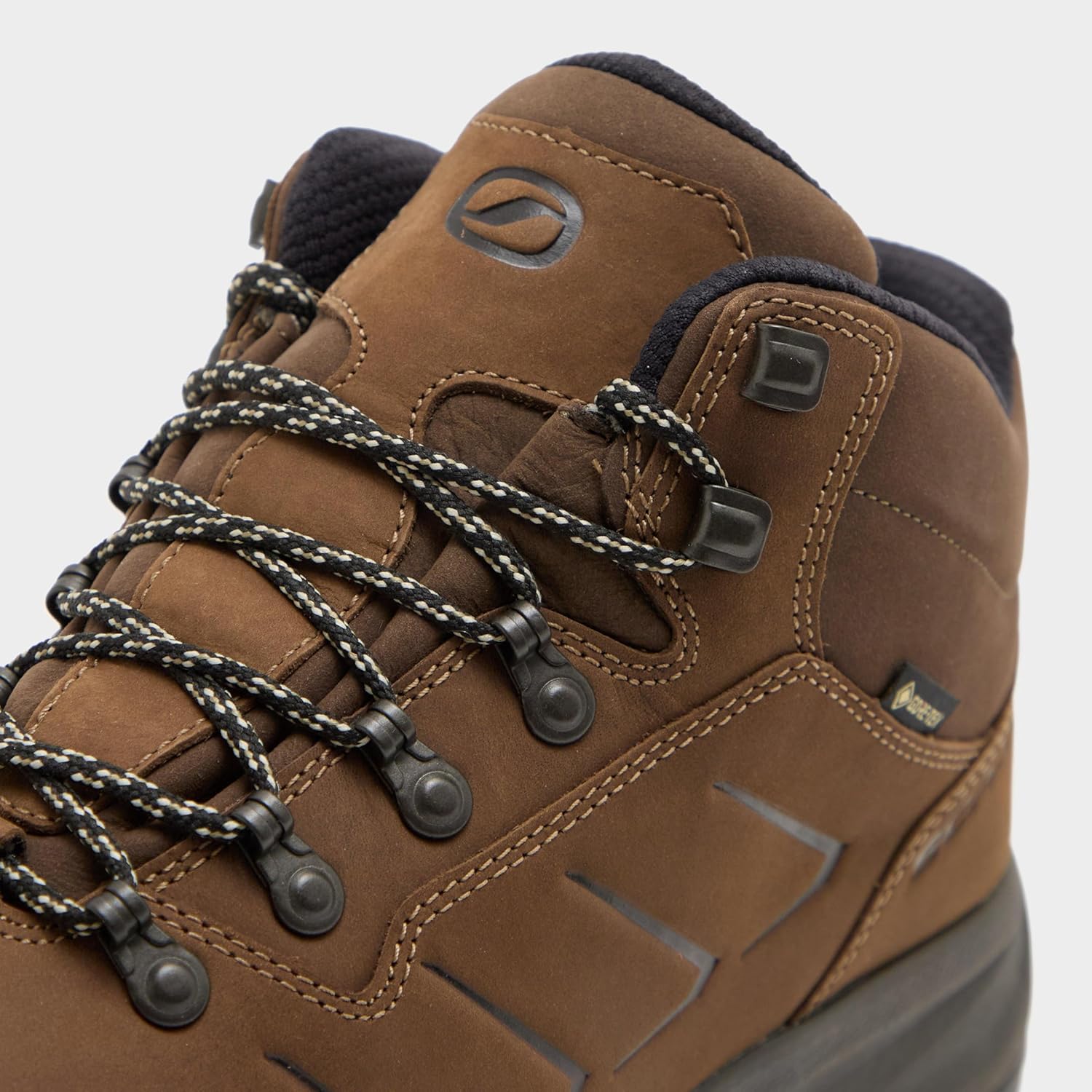
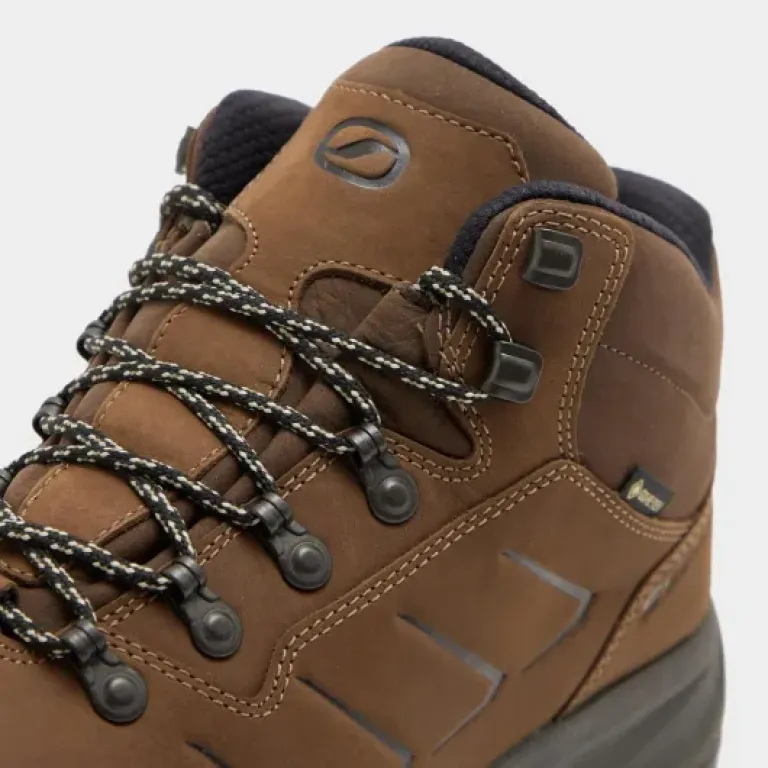
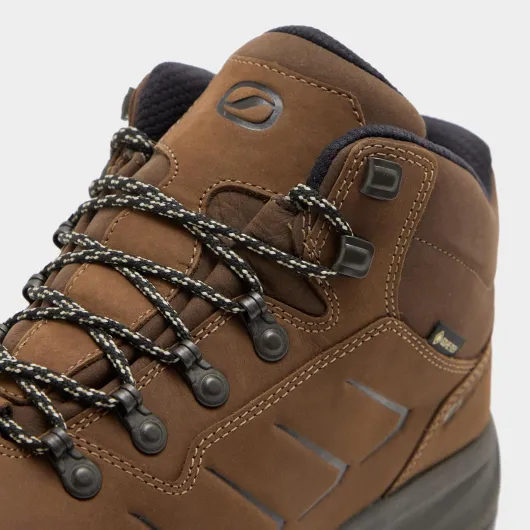
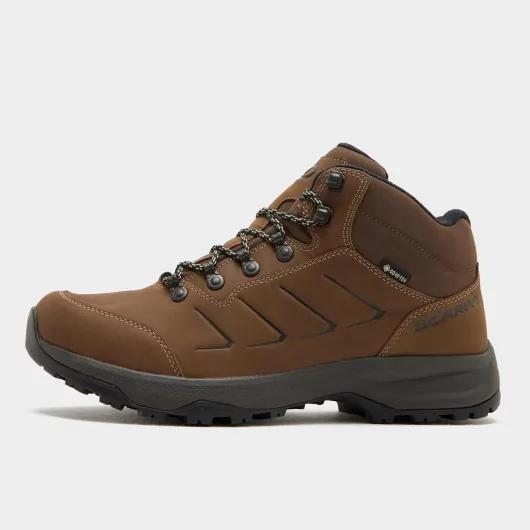
Design-wise, these are pretty low profile. The pair I used is the Brown/Black colour, and it’s basically a dark brown nubuck with some black details and a fairly simple shape. No flashy logos, no bright colours. If you like loud trail shoes, this will feel boring. Personally, I like that they don’t scream “tech gear”. I’ve worn them with jeans and a hoodie and they just look like normal boots, which is what I wanted.
The mid-cut ankle height is a good compromise. It sits just above the ankle bone and gives a bit of support without feeling like a ski boot. The padding around the ankle and tongue is fairly thick, and Scarpa clearly reworked that because it feels more shaped than older models I’ve tried. The lacing is traditional – standard eyelets all the way, no fancy speed hooks. It does the job, but it takes a bit longer to lace up compared to boots with hooks at the top.
One small thing I noticed: the thermo-embossed details in the leather are purely cosmetic. They look fine, but don’t expect any functional benefit. The overall stitching and finishing are tidy – no loose threads or glue marks on mine. The tongue is gusseted high enough to keep water and grit out as long as you don’t go above the ankle in puddles. Visually, it’s a straightforward design that focuses more on being practical than eye-catching.
If I had to nitpick, the outsole pattern looks a bit mild for serious mud, and that matches how it behaves. It’s more of an “urban and light trail” design than a deep-lugged mountain sole. So from a design standpoint, it’s honest: it looks like what it is – a casual-friendly walking boot. If you want something aggressive and technical-looking, this won’t scratch that itch, but if you want something you can wear daily without feeling weird, it works well.
Comfort: the main reason to buy these
Comfort is where these boots make the most sense. I’ve got slightly wide feet and a bit of sensitivity around my big toe joints, so stiff boots usually annoy me after a few hours. With the Cyrus 2 Mid, the first thing I noticed was the relaxed forefoot. There’s enough room for my toes to spread without feeling like my foot is swimming around. I didn’t have that “I need to take these off now” feeling even after a long day on my feet.
The ankle and tongue padding are generous and well-shaped. I never had rubbing on the ankle bones or the top of the foot, which is something I’ve had with other boots. The traditional lacing lets you adjust the tightness pretty precisely. On longer walks, I tightened the midfoot and left the top a bit looser for comfort, and that worked well. No pressure points, no hot spots on the heel, and I didn’t need any plasters during the first week, which is rare for me with new boots.
Underfoot, the EVA midsole and memory foam insole give a cushioned, almost trainer-like feel. On tarmac and hard paths, that’s great – it takes the sting out of long distances. On very rocky ground, you do feel more of the shapes underfoot compared to stiffer hiking boots, but that’s the trade-off for comfort. For the sort of mixed-use I had (pavement, fields, easy trails), I actually prefer this softer feel. If you’re used to big rigid boots, these will feel more relaxed and forgiving.
The only comfort downside for me is warmth. With the leather and GORE-TEX, they run a bit warm in summer, especially in the city or on slow walks. On a cooler or wet day, they feel spot on; in hot weather, you’ll wish for something more breathable. But overall, for three-season use in a mild climate, I’d say the comfort is one of the main strong points. If you have fussy feet and don’t want to battle through a long break-in, these are worth a look.
Materials: soft nubuck, proper waterproofing, light sole
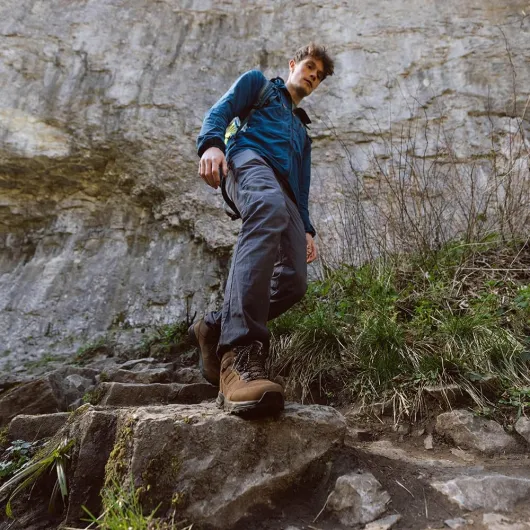
The main material you feel and see is the 1.8–2 mm nubuck leather. It’s on the softer side compared to stiff full-grain leather boots I’ve owned before. Out of the box, it already had some give, which is why the break-in was fairly painless. After a couple of long walks, the leather started to crease where you’d expect, but nothing that suggests weakness. I did treat them with a nubuck waterproof spray after the first muddy outing, just to help the leather age better.
Inside, you’ve got a GORE-TEX ePE membrane. In practice, that means your feet stay dry from outside water, but they’ll still get a bit warm if you’re walking hard in mild temperatures. I walked through wet grass for about 40 minutes one morning; the outside was soaked, the inside stayed dry, so the membrane is doing its job. Breathability is okay but not magical – on a warm 20–22°C day in the city, my feet were slightly sweaty after a full day, but not in a gross way. For a leather waterproof boot, that’s pretty standard.
The sole is EVA (Ethylene Vinyl Acetate), which explains the light feel underfoot. It has more of a trainer vibe than a heavy rubber mountaineering sole. The upside: good cushioning, less fatigue on long tarmac stretches. The downside: it won’t be as durable as a thick rubber Vibram sole if you hammer it on sharp rocks all the time. After a few weeks of mixed use, my pair only shows light wear on the heel edge, which is normal. The insole is memory foam – it feels comfortable, but like most insoles, I don’t expect it to last forever. If you’re picky about support, you’ll probably swap it for your own orthotics at some point.
Overall, the materials are decent quality for this category: real nubuck, proper branded waterproof membrane, and lightweight cushioning. It’s not built like a tank, but it also doesn’t feel cheap. The main trade-off is that EVA comfort versus long-term sole durability. For everyday and light hiking, I think Scarpa made a reasonable choice here.
Durability: feels solid, but EVA has its limits
Durability is a bit harder to judge long term, but after several weeks of use I can at least comment on how they’re aging. The nubuck leather is holding up well. I’ve scraped it against a few rocks and kicked a couple of kerbs and only picked up light scuffs, nothing serious. A quick brush and they look decent again. The stitching around the toe and sides still looks tight, no loose threads or gaps showing up so far.
The sole is where I’m a bit more cautious. EVA is great for comfort, but it doesn’t last forever if you’re tough on your footwear. After a mix of tarmac and trail, I can see a little wear on the outer heel area, which is where I usually wear shoes down first. It’s not dramatic, but if you’re planning to use these as your daily shoes plus hiking boots, expect the soles to wear faster than a boot with a full heavy-duty rubber sole. On the plus side, I haven’t had any chunks tearing off or weird delamination, so the construction seems decent.
The memory foam insole is still okay, but I can already feel it packing down slightly in the heel area. That’s pretty standard with this type of insole. I don’t see it as a big issue because insoles are easy to replace, and most people with specific support needs will swap them anyway. The inner lining and padding have not compressed much yet, and there’s no sign of seams rubbing through or fabric fraying.
My gut feeling is that these will last a few solid seasons of regular use if you look after the leather and don’t abuse them on very sharp, rocky terrain all the time. They feel more durable than cheap supermarket boots, but they’re also not indestructible mountaineering boots. For the price, I’d say the durability seems fair, especially if you mainly use them for walking, light hiking, and general everyday stuff rather than extreme conditions.
Performance: good on real-world walks, not a mountain boot
In terms of actual performance, I judge them on three things: grip, support, and weather protection. For grip, they’re fine on dry trails, gravel, and tarmac. On wet grass and light mud, they still hold reasonably well. Where they start to struggle is in deeper, slick mud or very greasy slopes – the tread just isn’t aggressive enough to bite properly. I had a couple of minor slips on a steep muddy section, nothing dramatic, but enough to remind me these are more for paths than serious off-trail adventures.
Support-wise, the mid-cut and padding give enough ankle stability for uneven countryside paths and dog walks over rough ground. They’re not floppy, but they’re also not the kind of boot you’d want for carrying a huge backpack over rocky mountain terrain. The sole has some flex, which is comfortable but means less edge support on really rough stuff. For my use (day hikes with a light pack and normal daily walking), the balance is actually spot on. I never felt like my ankles were at risk, but I also didn’t feel locked into a rigid shell.
Weather protection has been solid so far. I’ve walked through wet grass, small puddles, and moderate rain. The GORE-TEX membrane has kept my feet dry every time. I also stood in a shallow puddle for about a minute just to test it – no leaks, as long as the water stayed below the lace area. Obviously, if you go higher than the ankle, water will get in from the top, but that’s just physics. The leather beads water nicely, especially after I treated it once with spray.
So overall, performance is “good for normal people stuff”. If your idea of hiking is national park paths, coastal paths, forest tracks, and everyday mixed-use, these boots handle it well. If you’re planning multi-day mountain routes with heavy loads, you should probably look at something stiffer and more technical. The Cyrus 2 Mid sits in that middle ground where comfort and practicality matter more than hardcore performance, and in that role, it does its job.
What you actually get with the Cyrus 2 Mid GTX
On paper, the Scarpa Cyrus 2 Mid GTX is sold as a light leather walking boot for summer and everyday use. You get a nubuck leather upper (1.8–2 mm thickness), a GORE-TEX membrane (the newer ePE type), EVA sole, memory foam insole, and mid-height ankle. In real life, it feels like a boot designed for people who spend more time on paths and pavements than on technical mountain trails. So if you’re after a hardcore backpacking boot, this is not it – and that’s not a bad thing, just a different target.
The size 11 UK I tried weighs around what I’d expect for a mid-cut leather boot – not ultra light, but definitely lighter than old-school leather boots. I never felt like I was dragging weights on my feet. The overall impression is “casual hiking boot”: you can wear it with jeans without looking like you’re headed to base camp, but it’s still clearly more robust than a sneaker. Scarpa calls the fit “relaxed”, and that matches what I felt – there’s enough room in the toe box without being sloppy.
Use-wise, I’ve taken them on: daily dog walks (4–8 km), a full day of city walking with some rain, and a couple of 10–12 km countryside walks with muddy sections and wet grass. That’s the kind of use where these boots make sense. They’re overkill for just going to the shop in dry weather, but if your day often includes wet ground or uneven paths, they start to justify their price.
To sum it up, the Cyrus 2 Mid GTX is basically a versatile everyday boot that leans more towards comfort and practicality than hardcore performance. It’s the kind of thing you buy when you want one pair that covers most normal outdoor situations without changing shoes all the time. Just don’t expect mountaineering-level support or ultra-aggressive grip, because that’s not what they’re built for.
Pros
- Very comfortable out of the box with a relaxed but secure fit
- Effective waterproofing with GORE-TEX and decent leather quality
- Light and cushioned feel that works well for everyday walking and casual hikes
Cons
- Grip is only average in deep or very slick mud
- EVA sole may wear faster than heavier-duty rubber options with very heavy use
Conclusion
Editor's rating
The Scarpa Cyrus 2 Mid GORE-TEX is a comfortable, practical boot for people who walk a lot in everyday conditions – dog owners, regular park walkers, casual hikers, and anyone who wants one pair of boots for town and trail. The big strengths are the relaxed but secure fit, the soft nubuck that doesn’t need a painful break-in, and the reliable waterproofing. It feels more like a supportive trainer with ankle protection than a stiff mountain boot, which for most normal use is actually a good thing.
It’s not perfect: the grip in thick mud is only average, the EVA sole won’t be as long-lived as a heavy rubber one if you thrash it, and it can run a bit warm in hot weather. The price is also on the higher side, so if you only walk occasionally on dry pavements, it’s probably more boot than you need. But if your routine includes wet grass, muddy paths, and long days on your feet, the comfort and build quality do justify the cost.
I’d recommend it to anyone who wants a solid all-rounder for three-season use, values comfort over extreme technical performance, and doesn’t mind paying a bit more for a boot that feels good from day one. Hardcore mountain hikers with heavy packs or people who mostly walk in hot, dry climates should look for something stiffer or more breathable. For the rest of us doing normal UK-style walking, it’s a pretty solid choice.