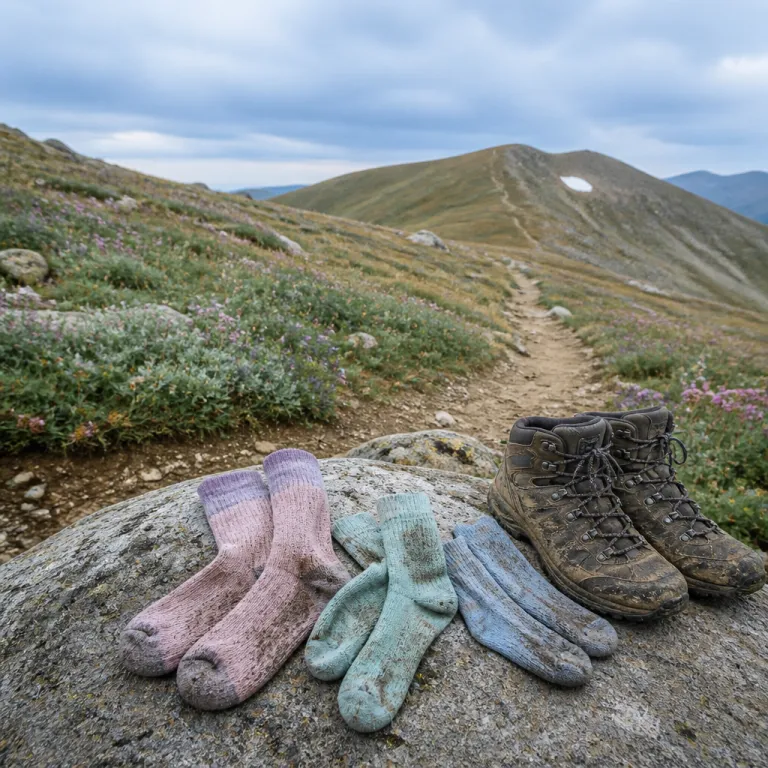
Why the best hiking socks matter more than your boots
Most hikers obsess over boots and barely think about socks. On every guided trek I have led, the wrong sock caused more blisters than the wrong boot ever did. When your feet fail, the finest hiking gear in your pack becomes dead weight.
Think about what your feet actually endure inside a boot during a long hiking day. Heat, moisture, friction, grit, and pressure all build up, and the only barrier between skin and leather is a thin layer of fabric called a sock. Choosing the best hiking socks means managing that microclimate so your feet stay dry, stable, and calm instead of hot, swollen, and shredded.
For serious backpacking, I treat socks as critical safety gear, not an afterthought. A well chosen pair of wool socks can turn a punishing 25 kilometre day into a steady grind you can repeat all week. Cheap cotton socks, by contrast, will trap sweat, stay wet, and almost guarantee blisters before your first campsite.
On the Tour du Mont Blanc, I watched two hikers with identical boots have very different days. One wore thin cotton socks and finished with tape on every toe and heel, limping into the refuge. The other rotated two pairs of merino wool hiking socks, and her feet looked almost fresh after three long stages.
That contrast is why I test socks on real terrain, not just in a shop. Over the last five seasons I have put Smartwool and Darn Tough models through more than 1,500 kilometres of rocky Alpine traverses, desert backpacking, and muddy forest slogs to see which socks best protect feet when conditions turn ugly. The goal is simple: keep feet functioning so your legs and lungs can do their job.
Boot choice still matters, especially for load support and edging on steep ground. Yet the interface between skin and boot is where comfort is won or lost, and that interface is your sock. Treat socks as part of your core gear system, not as a disposable afterthought from a discount bin.
Merino wool weight: matching thickness to terrain and temperature
Merino wool is the backbone of the best hiking socks because it regulates temperature and resists odour. The same merino wool that keeps feet warm in a cold bivouac can also feel surprisingly cool on a summer ridge when knit in a lighter gauge. Weight is the missing variable most hikers ignore when they simply grab any wool socks from a shop wall.
Ultralight merino socks shine with trail runners on hot hiking days. Their thin knit lets heat escape quickly, and the low bulk keeps the shoe fit precise for technical scrambling. When I test ultralight socks on desert backpacking routes, I focus on how fast they dry after creek crossings and whether they keep feet from pruning during long, sweaty climbs.
Light cushion merino wool socks are my default for three season day hiking. They add a touch of padding under the heel and ball of the foot without feeling spongy or sloppy in a snug boot. If you like the philosophy of backpacking light but still want some protection, this category balances sensitivity and comfort better than any other.
Midweight merino wool socks pair best with stiffer boots and heavier loads. On glacier approaches or long scree traverses, that extra density underfoot spreads pressure and reduces hot spots. When I tested midweight socks inside a burly leather boot similar to the Aztrek Ridgeway model reviewed in this waterproof trekking boot field test, the combination felt locked in and confidence inspiring.
Heavyweight merino wool socks are specialist tools for winter and mountaineering. They fill volume in double boots, trap warm air, and keep feet functioning when temperatures drop well below freezing. I only wear this weight when snow is guaranteed, because in milder weather they run hot and take longer to dry.
Whatever weight you choose, remember that pure wool is rarely used alone. Most performance hiking socks blend merino with nylon and elastane to improve durability and stretch, and that blend will determine how quickly the sock dries after a storm or a river crossing. If you pair the wrong weight with a non breathable shell layer, even the best socks will struggle, which is why I pay close attention to how my lower leg system works with modern PFAS free rainwear for serious hikers.
Cushion and height: where padding helps and where it hurts
Cushion in hiking socks is not about softness, it is about pressure management. The best hiking socks use targeted cushion under the heel and ball of the foot while keeping the toe box relatively thin. That design lets you feel the terrain for precise foot placement without sacrificing impact protection on long descents.
Full cushion socks wrap the entire foot in padding, which can feel luxurious in a shop but sloppy on a steep trail. When the whole sock is thick, your boot fit changes, and laces that felt perfect suddenly create pressure ridges. I reserve full cushion wool socks for cold weather hut trips where I value warmth and lounge comfort more than edging precision.
Targeted cushion socks best serve most hikers, especially on mixed terrain. Look for extra density under the heel strike zone and the metatarsal heads, where repeated impacts can bruise feet over consecutive hiking days. A thinner knit over the toes reduces bulk, improves breathability, and helps keep feet from sliding forward on steep downhills.
Sock height matters as much as cushion pattern. Ankle height socks work with trail runners on well maintained paths, but they invite debris and heel collar rub in traditional boots. For most backpacking, a classic crew height sock that rises several centimetres above the boot cuff is the safest, most versatile choice.
Mini crew socks sit between ankle and crew height, and they pair nicely with low cut hiking shoes. I use mini crew designs on fast summer hikes where I want less fabric on the calf but still need some protection from grit. Knee high socks are niche but invaluable in snow, where they can substitute for short gaiters and seal the gap between boot and leg.
When you evaluate socks best suited to your kit, think about how they integrate with pants, gaiters, and shells. A well chosen crew sock works seamlessly with the kind of technical shells discussed in this guide to jackets for serious hikers who respect public lands. The right height prevents fabric stacking, reduces friction rings, and quietly keeps feet happier for longer days.
Materials that keep feet dry: merino, synthetics, and why cotton fails
Material choice is where many otherwise experienced hikers still sabotage their feet. The best hiking socks almost always rely on a blend of merino wool and synthetic fibres, because that combination balances moisture management, durability, and fit retention. Pure cotton socks, by contrast, are a liability once you leave the pavement.
Merino wool fibres can absorb a significant percentage of their weight in moisture while still feeling relatively dry against the skin. Laboratory data from textile research and manufacturers commonly cite values around 25–30 % of dry weight, which helps keep feet comfortable as you sweat through a long hiking climb and slows the chilling effect when you stop at a windy pass. Merino also binds odour causing compounds, which is why a good pair of merino wool socks can pass the seven day test without offending your tent mate.
Synthetics like nylon and polyester move moisture quickly toward the outer layers of the sock, where it can evaporate. They also resist abrasion better than wool, which is why high wear zones in premium hiking socks often show a higher synthetic content. Elastane or spandex threads help the sock hug the foot and keep its shape after repeated washing.
Cotton socks behave very differently under load. Cotton absorbs sweat, holds it, and dries slowly, which means your feet stay wet and soft inside the boot. That combination of moisture and friction is the perfect recipe for blisters, especially on multi day backpacking trips where you cannot fully dry gear overnight.
For that reason, I tell every new hiker that cotton socks belong in town, not on trail. If you must use cotton socks for a short summer walk, keep the distance modest and carry a spare pair so you can change when your feet feel swampy. On any serious backpacking light mission, swap cotton for merino blends and your feet will thank you before the first campfire.
Some hikers worry that wool will feel scratchy or too warm, but modern merino blends are surprisingly soft and versatile. When you combine a thin merino sock with breathable boots and well designed rainwear, your feet stay dry enough that skin integrity holds up day after day. The material story is simple: wool and synthetics work together to keep feet functional, while cotton quietly undermines every other smart gear choice you make.
Field tested favourites: Smartwool, Darn Tough, and the seven day sock
Brand names on a sock label do not guarantee performance, but some companies have earned their reputation on real trails. Smartwool and Darn Tough sit at the top of that list for many experienced hikers, and my testing supports that hierarchy. Both brands build hiking socks that survive abuse from scree, mud, and endless boot rub.
Smartwool hiking socks tend to prioritise plush comfort and a slightly roomier toe box. Their light cushion crew models work beautifully for three season hiking in moderate temperatures, especially when paired with mid flex boots. I have used a Smartwool mini crew sock on fast summer hikes where I wanted ankle freedom without sacrificing heel protection.
Darn Tough socks lean toward a denser knit and a closer, performance oriented fit. Their merino wool blend feels firm underfoot, which some hikers love for precision on rocky ridges and talus fields. When I tested a midweight Darn Tough crew sock on a weeklong backpacking route, the fabric showed almost no pilling and the elastic stayed tight around the calf.
The most impressive result came from a single pair that I wore for seven consecutive hiking days without washing. Thanks to the merino content, odour stayed surprisingly manageable, and the sock dried overnight after river crossings when I hung it in a light breeze. By the end of the trip, the fabric looked used but not tired, and my feet had zero blisters despite long daily distances.
That seven day test is not a stunt, it is a realistic scenario for remote routes where water and drying time are limited. A sock that can keep feet reasonably dry, control odour, and resist compression over that duration earns a permanent place in my pack. In my experience, both Smartwool and Darn Tough produce multiple models that meet this standard when matched correctly to boot volume and climate.
When you evaluate these brands, ignore marketing phrases and focus on weight, cushion map, and height. A light cushion crew from either brand can serve as a quiver of one for most hikers who split time between day hikes and moderate backpacking. The right pair becomes invisible on trail, which is the highest compliment any piece of hiking gear can receive.
Building a sock system: rotation, care, and community knowledge
Owning the best hiking socks is only half the story, because how you use them matters just as much. I treat socks as a system, not as isolated items tossed into a drawer. That system includes rotation, drying strategy, and a simple care routine that preserves elasticity and cushion.
On any multi day hiking trip, I carry at least three pairs of merino blend socks. One pair is on my feet, one pair is clipped to my pack to dry, and one pair stays dry in a waterproof bag as a sleeping and emergency reserve. This rotation keeps feet dry enough that skin never stays waterlogged for more than a few hours.
During breaks, I pull off boots and socks to let feet air out, even on short stops. A quick rinse in a stream followed by a few minutes in the sun can reset a sock that felt swampy an hour earlier. At camp, I avoid drying socks directly on a roaring fire, because high heat can damage elastic fibres and shorten the life of even the best hiking socks.
Washing technique also affects performance over time. I use a gentle cycle with cool water and a mild detergent, then air dry socks flat whenever possible. Avoiding fabric softeners helps maintain the moisture wicking properties of merino wool and synthetics, which in turn helps keep feet dry on the next trip.
Beyond personal habits, the hiking community plays a huge role in spreading good sock practices. Online forums, trip reports, and gear review sites function as an informal education community where hikers share blister horror stories and success strategies. When you read those posts, pay attention to how experienced voices talk about sock rotation, drying tricks, and which models survived their longest trips.
In the end, socks are quiet workhorses that rarely get the spotlight. Yet they shape every step you take, from the first switchback to the last rocky descent back to the trailhead. The right system of well chosen, well cared for socks turns big objectives from sufferfests into satisfying, repeatable days in the mountains.
Key figures on hiking socks and foot health
- Studies of long distance hikers have found that moisture and friction related issues like blisters account for a large share of foot problems on trail, with some surveys reporting that more than one third of medical complaints on popular routes involve the feet (for example, data summarised in wilderness medicine reviews from organisations such as the Wilderness Medical Society).
- Merino wool fibres can absorb up to around 30 % of their dry weight in moisture while still feeling relatively dry to the touch, which helps explain why merino blend hiking socks remain comfortable longer than pure synthetic or cotton options (values reported in textile engineering handbooks and manufacturer specifications).
- In controlled comparisons, cotton socks have been shown to retain significantly more moisture than synthetic or wool blend socks after exercise, which correlates with higher blister incidence in runners and hikers who wear cotton on long outings (sports medicine and podiatry studies published in journals such as the Journal of the American Podiatric Medical Association).
- Premium hiking socks from brands like Smartwool and Darn Tough typically last several hundred trail kilometres before showing serious compression or thinning, while cheaper generic socks may lose cushioning and elasticity in a fraction of that distance (field reports from guides and brand warranty data).
- Backpackers who rotate at least two or three pairs of socks and allow each pair to dry fully between uses report fewer blisters and less maceration, especially on multi day trips where humidity and river crossings keep footwear damp (thru hiker surveys and guide observations).
FAQ about choosing and using hiking socks
How many pairs of hiking socks should I bring on a multi day trip ?
For most backpacking routes, carrying three pairs of merino blend hiking socks works well. One pair stays on your feet, one pair dries on your pack, and one pair remains dry in reserve for sleeping or emergencies. This rotation helps keep feet dry enough to reduce blisters and skin breakdown.
Are merino wool socks too warm for summer hiking ?
Ultralight and light cushion merino wool socks are suitable for warm weather hiking when paired with breathable footwear. The fine fibres help regulate temperature and move moisture, so feet often feel cooler than they would in thicker synthetic or cotton socks. For very hot conditions, choose a thin merino blend with minimal cushion and good ventilation zones.
Why are cotton socks a bad idea for serious hikes ?
Cotton socks absorb sweat and hold onto it, which keeps feet wet and soft inside the boot. That combination of moisture and friction increases the risk of blisters, especially on long days or multi day trips. Wool and synthetic blends dry faster and maintain a more stable environment around the skin.
Should my hiking socks match my boot type ?
Yes, sock weight and cushion should match both boot stiffness and trip conditions. Light cushion socks pair well with flexible shoes and moderate loads, while midweight or heavyweight socks suit stiffer boots and colder environments. Matching sock height to boot cuff also helps prevent rubbing and debris entry.
How often should I replace my hiking socks ?
Replace hiking socks when you notice thinning under the heel or ball of the foot, persistent compression that no longer rebounds, or visible holes and seam failures. For frequent hikers, this can mean retiring heavily used pairs after a few hundred kilometres. Keeping socks in good condition is essential for maintaining foot comfort and reducing injury risk.