Core components of an effective hiking boot care kit
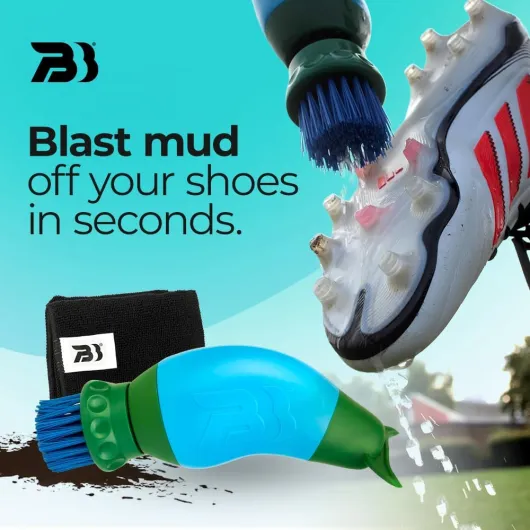
The best hiking boot care kits share a few essential components that address cleaning, conditioning, and waterproofing in a logical sequence. First comes cleaning, because any boot care routine that traps grit under wax or oil will slowly sandpaper the leather and textile panels from the inside. A dedicated cleaning product, used with lukewarm water and a soft brush, removes mud, salt, and fine dust without stripping factory waterproofing or damaging adhesives.
For leather boots and leather boot models with suede inserts, a neutral cleaning gel or foam is safer than aggressive household detergents that can weaken stitching and midsole bonds. After you clean the shoe thoroughly, you should let each hiking boot dry at room temperature, away from direct heat that can cook the leather and deform the midsole. This dry phase is when many hikers rush, yet controlled drying is crucial for long term leather care and for maintaining consistent water repellency across the upper and tongue.
Once the boots are fully dry, you can apply waterproofing wax, cream, or spray depending on the material mix and your preferred feel underfoot. Traditional wax leather treatments and mink oil based conditioners work well on robust leather boots, while lighter hiking boots with textile–leather uppers often respond better to modern water repellent sprays. If you use traction devices such as crampons or ice cleats for hiking and mountaineering, maintaining a smooth but grippy surface with the right care kit also helps prevent premature abrasion where metal meets leather and around the rand.
Choosing between wax, oil, and modern waterproofing products
Selecting the best hiking boot care kits means understanding how wax, oil, and synthetic waterproofing products behave in real mountain conditions. Wax leather treatments create a robust barrier against water, but too much wax can slightly reduce breathability on long, humid ascents. Oil based options such as mink oil penetrate deeper into leather boots, softening stiff panels yet sometimes darkening the leather boot surface more than expected and slightly altering the original finish.
For mixed material hiking boots that combine suede, textile overlays, and synthetic mesh, a dedicated waterproofing wax or spray designed for technical footwear is usually the safest choice. Many modern care products use natural ingredients blended with fluorocarbon free chemistry to balance water repellency with environmental responsibility on sensitive alpine trails. When you read the packaging, look for clear statements about compatibility with suede, nubuck reviver style treatments, and breathable membranes, because the wrong product can flatten the nap or block vapor escape and lead to clammy feet.
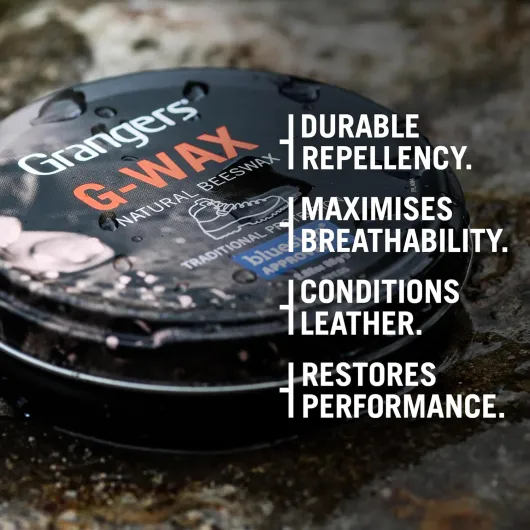
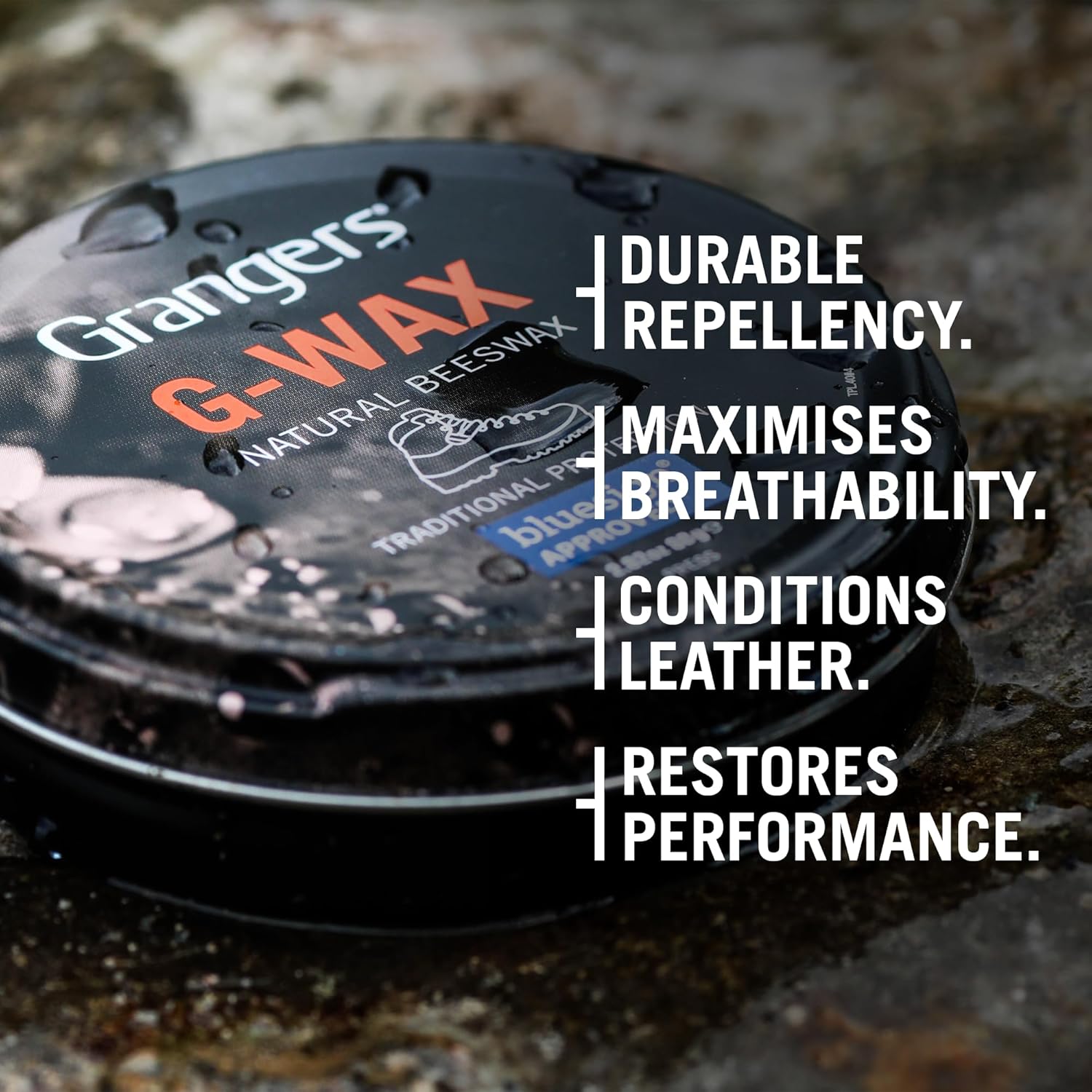
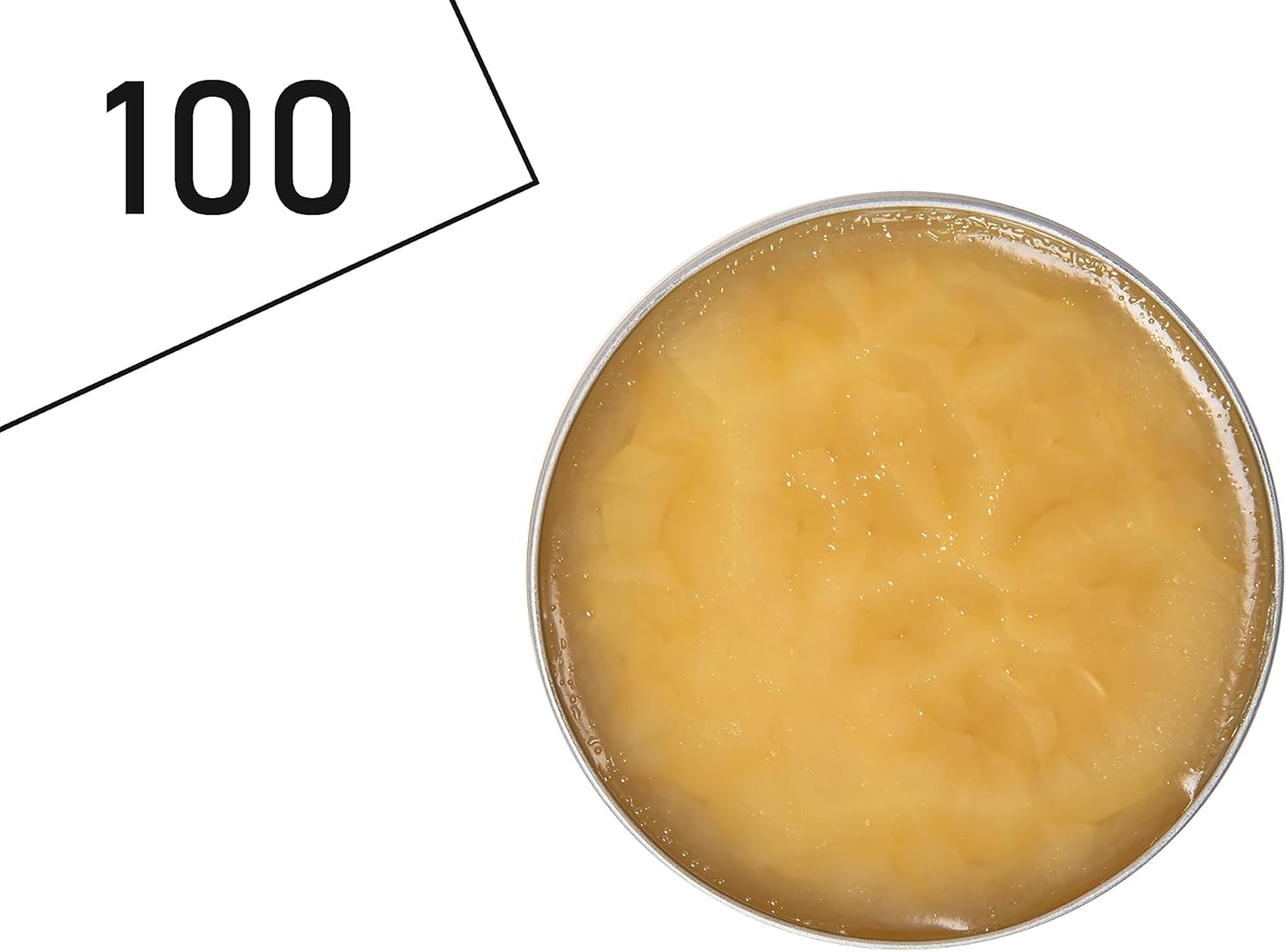
On heavily used work boots that see mud, concrete dust, and industrial grime, a slightly heavier oil and wax combination can be justified to keep the leather supple. In contrast, a lightweight hiking boot used for fast and light missions benefits from a thinner water repellent layer that preserves flex and precise edging on rock. If you want a focused leather care option, a dedicated dubbin wax waterproofer and conditioner for leather boots offers a compact, field ready product that combines conditioning and waterproofing in a single tin and fits easily in a pack.
Step by step boot care routine for demanding terrain
A disciplined routine turns even basic care products into the best hiking boot care kits for real world use. Start by removing the laces and insoles so you can clean the shoe thoroughly, brushing away dried mud from the tongue, gussets, and lace eyelets. Rinse the boots with clean water, then apply your chosen cleaning product, working it into seams and around the rand where fine grit often hides and slowly abrades stitching.
After rinsing off the cleaning solution, gently press a towel against the leather and textile panels to remove surface moisture. Stuffing the hiking boot with newspaper or a dedicated shoe care dryer insert helps draw water from inside without overheating the materials. Leave the boots to dry in a shaded, ventilated space, rotating them occasionally so that both the outsole and upper dry evenly and avoid lingering damp spots that can encourage odor and mildew.
Once completely dry, apply your waterproofing wax, oil, or spray in thin, controlled layers rather than heavy smears. For leather boots, work wax leather or mink oil into the surface with a soft cloth, paying extra attention to flex points over the toes and under the ankle. On suede or nubuck panels, use only compatible water repellent sprays, brushing the nap lightly afterward to restore texture and maintain balanced water repellency without creating shiny, hardened patches.
Evaluating price, value, and sustainability in care kits
Outdoor enthusiasts often focus on the retail price of boots while underestimating the long term value of a good care kit. When you compare the sale price of different care products, calculate how many full treatments each product offers for a typical pair of hiking boots. A slightly higher price for a concentrated waterproofing wax or cleaner can be better value if the kit lasts through multiple seasons of heavy hiking and regular maintenance.
Look closely at the ingredient list and packaging to assess environmental impact and user safety on multi day treks. Many of the best hiking boot care kits now emphasize natural ingredients, biodegradable cleaning agents, and solvent free water repellent formulas that are safer for alpine watersheds. If you regularly hike in protected areas, choosing a care kit with low toxicity and minimal microplastic content aligns your boot care with Leave No Trace principles and local regulations.
Durability also matters, because a robust leather care routine can delay the need to replace expensive leather boots or technical work boots. When a hiking boot upper remains supple, well conditioned, and evenly waterproofed, the midsole and outsole usually reach the end of their life first, which is easier to monitor and budget for. For a balanced view of performance and value, test a mid priced kit on a trusted pair of boots, then read manufacturer guidance and independent lab style tests before committing to bulk purchases of any single product line.
Field testing care kits on real trails and mountain routes
The only honest way to judge the best hiking boot care kits is to use them on real terrain in wet, abrasive conditions. Apply one care kit to a pair of leather boots and another to similar hiking boots with textile–leather uppers, then track water repellency and comfort over several trips. Pay attention to how quickly the uppers wet out, how long they take to dry, and whether the boot maintains its shape after repeated soaking and drying cycles.
On long alpine traverses, a well treated hiking boot should shed water, resist salt stains, and remain supportive under a heavy pack. If you notice dark patches where water lingers or leather stiffens after drying, your current boot care routine or chosen products may be insufficient. In that case, switching to a richer leather care formula or a more durable waterproofing wax can restore performance before the next demanding route and help prevent seam failure.
Rotating between different pairs of boots, such as insulated work boots and lighter three season hiking boots, also reveals how each care kit behaves across materials. Some products excel on smooth leather boot surfaces but underperform on suede or nubuck panels that need more delicate treatment. For a balanced reference point on how a well maintained boot should feel, compare your own footwear to a thoroughly reviewed model such as the Scarpa Cyrus 2 Mid walking boots, then adjust your shoe care routine until your boots show similar resilience against water and abrasion.
Advanced tips for leather boots, suede fabric, and mixed materials
Experienced mountaineers often fine tune their boot care to match specific materials such as full grain leather, suede, and complex textile–leather combinations. For classic leather boots, alternating between light applications of mink oil and a firm waterproofing wax keeps the leather boot upper nourished without becoming overly soft. When you clean and dry these boots carefully, the resulting water repellency allows snow to bead and roll off instead of soaking into the seams and tongue folds.
Suede and nubuck surfaces demand more restraint, because heavy wax leather products can permanently darken and smooth the texture. A specialized nubuck reviver style spray, applied after gentle cleaning and thorough drying, preserves both the look and technical performance of these panels. Always read the manufacturer’s boot care instructions, since some brands pre treat their hiking boots with proprietary water repellent finishes that work best with specific care products and reproofing intervals.
Mixed material hiking boot designs that combine leather, synthetic overlays, and breathable mesh benefit from a modular care kit approach. Use targeted leather care on the leather sections, a membrane safe water repellent spray on the textile zones, and a neutral cleaning product across the entire shoe. By treating each material according to its needs, you transform ordinary kits into the best hiking boot care kits for complex modern footwear systems used on everything from day hikes to glacier approaches.
Key figures on hiking boot durability and care impact
- Independent lab style tests reported by the German Alpine Club (DAV) indicate that regular cleaning and waterproofing can extend leather boot upper life by up to roughly 30 percent compared with neglected footwear; see DAV equipment reports such as the DAV Bergsport 02/2019 gear testing overview for detailed protocols and methodology.
- Field surveys among long distance hikers on routes like the GR20 and the Tour du Mont Blanc, summarized in European trekking magazines including Trek (France) and Bergsteiger (Germany), report that well maintained hiking boots typically last between about 1 500 and 2 000 km, while poorly maintained pairs often fail before 1 000 km.
- Industry data from major outdoor brands, shared in public sustainability and product testing reports such as the annual performance summaries by Gore-Tex and leading boot manufacturers, indicate that water repellency performance can drop by more than 50 percent after just ten wet dry cycles if no boot care routine is applied.
- Consumer testing by European outdoor magazines, for example comparative waterproofing wax and spray reviews in Outdoor and Alpin, has found that high quality waterproofing wax and sprays can restore more than 80 percent of original water repellency on used boots when applied after proper cleaning and drying; check recent comparative reviews for specific product scores and test conditions.