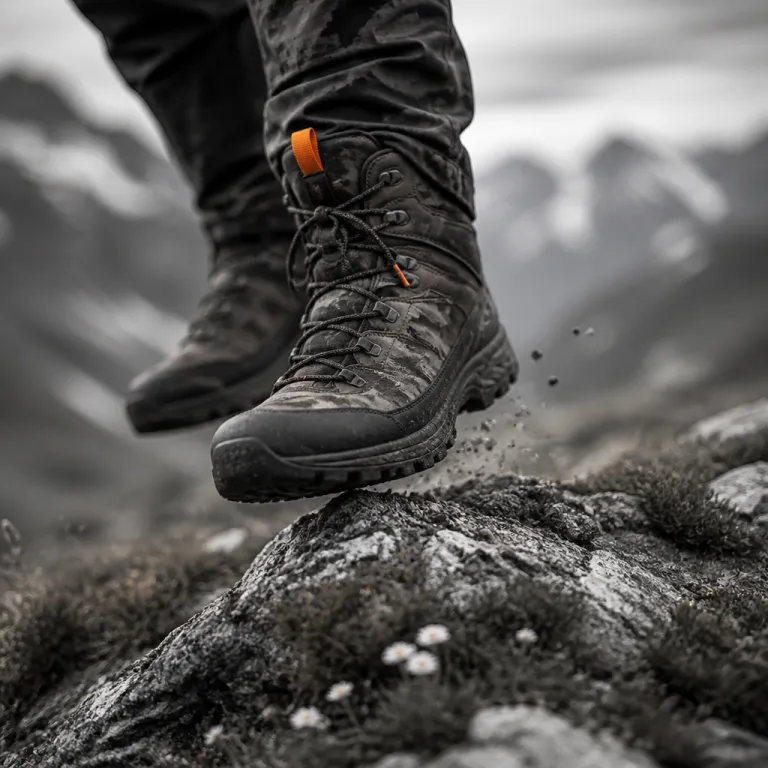

Why men’s camo footwear matters for serious backcountry travel
Men’s camo footwear has moved far beyond casual streetwear into demanding mountain terrain. For hikers who spend long days above the tree line, the right camouflage boots or trail shoes must balance stealth, stability, and all-day comfort. On steep scree or wet forest trails, a technical camouflage print on men’s hiking shoes can break up outlines while the midsole and outsole quietly handle impact and grip.
Experienced hikers often pair camo boots with rugged cargo pants or softshell pants to create a functional outfit that blends into Realtree or other real-tree environments. In dense woodland or duck-camo wetlands, a subtle green–black or olive-and-black palette on both camo shoes and camo pants reduces visual contrast against moss, rock, and shadow. This style-camo approach is not only aesthetic; it helps wildlife photographers, hunters, and route finders move with less visual disturbance.
Backcountry guides who work with both men’s and women’s camo users emphasize that fit and size matter more than any print. A precise size guide for men’s camo footwear lets you match foot length, width, and volume to the correct size in both regular and wide lasts. When you combine a dialed-in size with a stable platform, even a bold Phantom Camo or duck-camo upper becomes a serious tool rather than a fashion statement.
Fit, support, and orthopedic realities in camo hiking boots
For long alpine approaches, the most critical feature in men’s camo footwear is structured support under load. Heavy packs, uneven rock, and repeated descents punish ankles and knees, so men’s boots with firm heel counters and torsion-resistant midsoles dramatically reduce fatigue. Hikers who already use orthopedic insoles should prioritize camouflage footwear with removable footbeds and enough internal volume to accommodate custom devices.
Many camo hiking boots now borrow chassis concepts from brands like Nike Air Max trail models, combining cushioning with a stabilizing frame. While a lifestyle Nike camo shoe may look appealing, serious mountaineers should compare its rating and technical specifications against purpose-built hiking boots before trusting it on glaciated routes. A detailed size guide and in-store try-on with loaded packs remain the gold standard for assessing whether a camouflage boot will still feel secure after eight hours of sidehilling.
Hikers with plantar fasciitis or previous ankle injuries should look at curated lists of top orthopedic hiking boots before choosing a men’s black or olive camo model. These guides often explain how regular price and sale price relate to hidden features like dual-density midsoles, rockered profiles, and heel drop. When you read reviews men write about pain relief and stability, pay close attention to star ratings that mention specific distances, pack weights, and terrain types.
Traction, crampon compatibility, and camo performance on mixed terrain
Once fit is dialed, traction becomes the defining performance factor for men’s camo footwear in alpine environments. Deep lugs with aggressive camo-pattern sidewalls shed mud and snow more effectively than flat, fashion-oriented soles. On wet limestone or icy spring snow, a men’s camo boot with a sticky rubber compound and defined heel brake can be the difference between controlled steps and dangerous slides.
Mountaineers who move between hiking trails and low-angle glacier travel should evaluate whether their camo shoes accept strap-on crampons. Many modern men’s boots with Phantom Camo uppers and stiffened midsoles work well with flexible crampon frames, but always check manufacturer guidance. For more technical routes, consult resources on crampon compatible hiking boots before committing to a specific green–black or black camo model.
In boggy valleys and duck-camo marshes, traction interacts with water management and gaiter compatibility. Boots with slightly higher regular shafts seal better against debris and pair cleanly with waterproof gaiters over cargo pants or camo pants. When reading reviews and rating summaries, look for star reviews that mention real-tree forest mud, wet granite slabs, and mixed scree rather than only dry, groomed paths.
Weather protection, layering strategy, and how camo integrates with your system
Men’s camo footwear should be evaluated as part of a complete mountain system, not as an isolated purchase. Your choice of camo boots affects sock thickness, lower-body layering, and even how you pack emergency insulation. A breathable yet water-resistant upper in olive or green–black camo lets you run lighter socks and quicker-drying pants, which matters when storms roll over high passes.
Serious hikers often coordinate camo shoes with cargo or camo pants that shed water and brush without trapping sweat. In cold but dry conditions, pairing insulated men’s hiking boots with a refined layering system on your torso can keep overall exertion and moisture in balance. Resources on summer layering for hikers show how a compact wind shell and puffy complement weather-resistant footwear.
For multi-day trips, consider how your outfit transitions from hiking to camp without carrying redundant gear. A neutral men’s black camo pattern on boots works with both technical shells and more casual camp pants, while women’s camo options can mirror the same palette for mixed groups. When you check each product view online, imagine the boot under headlamp light, covered in dust, and next to your actual pack rather than in a studio photo.
Price, value, and reading reviews with a critical eye
Price signals a lot about materials and construction in men’s camo footwear, but it never tells the whole story. A high regular price may reflect premium leather, advanced membranes, or limited-edition Phantom Camo prints, yet some mid-range models deliver better long-term value. Always compare regular price figures with sale price offers, but avoid letting a temporary discount override fit and performance priorities.
When browsing online, pay attention to how stars and rating distributions align with written reviews. Short comments that only mention style-camo choices or how the camo pattern looks with an outfit tell you little about durability or support. More useful reviews men and women camo hikers write will reference pack weight, trail type, and whether the size guide matched their actual experience.
Platforms that work with professional testers and guide communities, such as ExpertVoice, can add another layer of insight. An ExpertVoice discount might make a higher regular-price boot accessible, but the real value lies in long-form field reports from people who log hundreds of kilometres each season. Before committing, cross-check star reviews on multiple retailers, compare men’s shoes and women’s camo models, and note whether complaints cluster around sizing, waterproofing, or outsole wear.
Styling camo boots without compromising technical performance
Many outdoor enthusiasts want men’s camo footwear that looks sharp in town yet performs on rugged trails. The key is choosing camo boots where design details like duck camo or Realtree prints sit on top of proven hiking platforms. A restrained green–black or olive camo pattern on a boot with a robust rand and lugged outsole can transition from café to crag without feeling out of place.
On trail, think of your outfit as a modular system rather than a fixed look. Pairing camo shoes with neutral cargo pants or black softshell pants keeps visual noise low while still nodding to style-camo preferences. Men’s black boots with subtle Phantom Camo panels often work best for this, because they blend with both technical shells and everyday jackets.
In camp or around town, you can lean harder into the camo pattern without sacrificing function. Rolling cuffed pants slightly above the boot shows off real-tree or duck-camo details while still protecting the ankle. Just remember that every styling choice should respect core hiking principles; prioritize traction, support, and weather protection before thinking about how the boots will appear in photos or a product view online.
Key figures and market insights on men’s camo footwear
- According to NPD Group retail tracking data for the U.S. outdoor category (for example, the 2021 Outdoor Footwear Retail Tracking Service report at npd.com), hiking footwear sales grew by more than 10 percent over a recent multi-year period, with camo and outdoor lifestyle designs representing a growing share of men’s shoe purchases.
- Participation reports from the Outdoor Industry Association, such as the 2022 Outdoor Participation Trends report available via outdoorindustry.org, indicate that over 40 percent of frequent hikers own at least two pairs of hiking shoes or boots, often splitting between a lighter trail model and a more supportive backpacking or mountaineering boot.
- Consumer research published by major outdoor retailers in the early 2020s shows that products with an average rating of 4.5 stars or higher generate significantly more repeat purchases than those below 4.0 stars, underlining the importance of detailed star reviews for men’s camo footwear.
- Studies on hiking injuries in sports medicine journals, including papers in The American Journal of Sports Medicine (for example, articles indexed at journals.sagepub.com), consistently link inadequate footwear support to higher rates of ankle sprains and overuse injuries, reinforcing the need to prioritize fit and structure over style alone.
- Market analyses from brands such as Nike and other global manufacturers report that trail and outdoor categories, including Air Max–inspired hybrids, are among the fastest-growing segments in their men’s and women’s camo footwear lines.
FAQ: men’s camo footwear for hikers and mountaineers
How should men’s camo hiking boots fit for long mountain days?
Men’s camo hiking boots should fit snugly at the heel, with enough room in the toe box to wiggle toes and avoid contact on descents. Aim for roughly a thumb width of space in front of the longest toe when standing, while ensuring the midfoot feels locked in without pressure points. Always try boots with the socks you plan to hike in and, if possible, with a loaded pack to simulate real trail conditions.
Are lifestyle camo shoes like Nike Air Max suitable for serious hiking?
Lifestyle camo shoes such as some Nike Air Max models are designed primarily for urban use and light walking, not for technical mountain terrain. They often lack the torsional rigidity, rock protection, and aggressive traction needed for steep, loose, or rocky trails. For serious hiking, choose footwear built on a hiking-specific platform, even if it borrows styling cues from Air Max or other lifestyle lines.
What is the difference between Realtree-style camo and generic camo patterns on boots?
Realtree and similar real-tree-style camo patterns are photo-realistic prints designed to mimic specific natural environments, such as hardwood forests or wetlands. Generic camo patterns usually rely on abstract shapes and colours that may not correspond to any particular biome. For most hikers, the functional difference is minimal, but those who hunt or photograph wildlife sometimes prefer Realtree designs that better match their local terrain.
How do I choose between mid-cut and high-cut men’s camo boots?
Mid-cut men’s camo boots offer more ankle freedom and lighter weight, which suits fast hiking and well-maintained trails. High-cut models provide greater ankle support and debris protection, making them better for heavy packs, off-trail travel, or scree and talus. Your choice should reflect pack weight, terrain roughness, and any history of ankle instability or previous injuries.
Can women use men’s camo footwear, or should they choose women-specific models?
Women can use men’s camo footwear if the fit works, but men’s shoes typically have a wider heel and overall last shape. Women-specific models usually narrow the heel, adjust volume, and sometimes alter flex patterns to match common anatomical differences. The best approach is to try both men’s and women’s camo options, focusing on heel hold, midfoot security, and toe room rather than the gender label on the box.