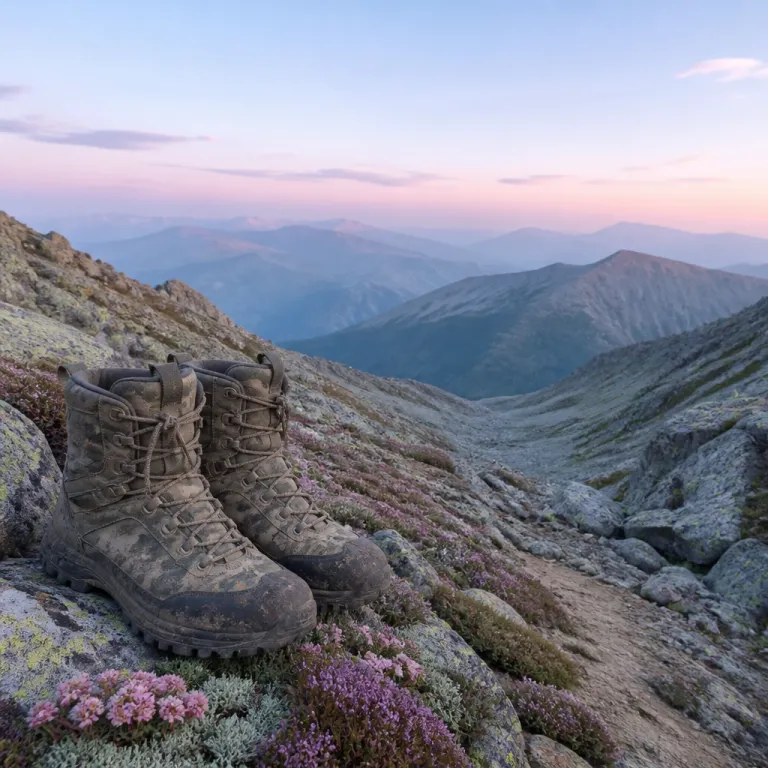

Why camouflage boots matter for serious outdoor missions
Camouflage boots give experienced hikers, hunters, and mountaineers a tactical advantage when terrain, light, and wildlife behavior all intersect. For many men and women who move through dense forest or alpine scrub, a well designed camo boot blends visual discretion with the stability required for technical hiking. When you compare different boots at a similar price level, the best camouflage models combine low profile aesthetics with high performance support and dependable traction.
On multi day hunting expeditions, camo boots help reduce visual signature while the boot structure still needs to manage heavy loads and steep gradients. A high quality product in this category must balance a durable waterproof membrane, insulated lining for cold weather, and a slip resistant rubber outsole that grips wet roots or scree. Because these outdoor routes often cross streams and bogs, a fully waterproof insulated construction becomes more than a comfort feature, it becomes a safety requirement when temperatures drop or wind increases.
Experienced hikers who already own several pairs of regular hiking boots often add one pair of pro boots in a camouflage pattern for specific missions. They use these boots for hunting waterproof approaches at dawn, wildlife photography near mossy oak stands, or low visibility military style training. In each scenario, the boot must remain resistant to abrasion, protect the ankle from impacts, and maintain traction when mud or snow threatens to cause a slip, especially with a heavy pack or camera kit.
Key design features that separate technical camouflage boots from casual models
Not every camo boot is engineered for demanding hiking, and the gap between fashion boots and technical hunting boots can be dramatic. A serious pair of camouflage boots starts with a last that matches your foot shape, then adds a midsole tuned for long distance hiking under load. When you compare the regular price of casual camo boots with the retail price of true mountain footwear, the difference usually reflects these hidden structural details and the quality of the support platform.
For rugged outdoor work, look for insulated rubber rands that wrap the lower boot and protect stitching from rocks and crampon straps. Many high end boots men models use a waterproof snake guard in the lower shaft, creating a snake boot that resists punctures when you push through brush or talus. Women who guide flyout fishing trips or backcountry hunts often prefer a slightly lower ankle deck profile, but they still demand a slip resistant outsole and a waterproof insulated liner that dries reasonably quickly between trips.
Parents choosing camo boots for kids should treat them like scaled down pro boots rather than toys. A good size guide helps you match growing feet to the correct boot length and volume, preventing blisters on long hiking days. When you evaluate any product in this category, check whether it ships with a detailed guide flyout style fitting chart, because a precise fit around the ankle and heel is as critical as the camouflage pattern itself for stability and confidence.
For a broader perspective on technical footwear beyond camouflage patterns, many outdoor enthusiasts review independent comparisons of top hiking boots for demanding terrain before narrowing their choice to specific camo designs. These comparisons highlight how a boot regular hiking model differs from a hunting focused camo boot in stiffness, rocker profile, and outsole compound. Understanding those distinctions helps you decide whether a particular pair of camouflage boots will feel agile on rocky ridges or only comfortable on flat forest tracks.
Waterproof, insulated, and rubber technologies that keep you moving in cold weather
Cold weather performance defines whether camouflage boots remain a niche hunting option or become your primary winter hiking boot. When temperatures drop below freezing, a waterproof insulated construction with enough loft and reflective lining can prevent numb toes during long glassing sessions. The best insulated rubber shells also block wind and slush, turning a potentially miserable day into a controlled, efficient outing where you can focus on navigation and shot placement.
Many modern hunting waterproof designs combine a breathable waterproof membrane with targeted synthetic insulation around the forefoot and ankle. This approach keeps the boot lighter for steep hiking while still delivering the warmth you need when you stop to observe wildlife or set up camp. If you regularly face deep snow or extended static periods, technical analyses of extreme cold insulated boots and manufacturer temperature ratings can guide you toward the correct insulation weight for your climate.
Rubber compounds matter as much as insulation when you move across icy rock or frozen mud. A high traction insulated rubber outsole with multi directional lugs reduces the risk of a slip on side hills or creek crossings. Some pro boots use dual density rubber, with a softer compound at the edges for grip and a firmer center section for durability, which helps both men and women maintain control when carrying heavy packs in remote outdoor environments.
Fit, sizing, and ankle support for demanding hiking and hunting routes
Fit determines whether camouflage boots feel like precision tools or blunt instruments on technical ground. A boot that locks your heel while allowing natural toe splay will reduce fatigue on long hiking days and steep descents. When you compare size options, use a detailed size guide rather than relying on your regular street shoe size, because boot lasts vary widely between brands and even between different product lines.
Ankle support is especially important for hunters who side hill across loose scree or traverse deadfall in mossy oak forests. A higher cut snake boot with a waterproof snake guard can protect against both twisting injuries and punctures from thorns or fangs. For some users, a mid height ankle deck design offers enough support while remaining agile for scrambling, but that choice depends on pack weight and terrain steepness as well as personal ankle strength.
Families buying camo boots for kids should prioritize a secure ankle wrap and a slip resistant outsole over flashy patterns. Children often move unpredictably on wet roots and rocks, so a boot with strong lateral support and a grippy rubber compound reduces the chance of a dangerous slip. When a product ships with removable volume reducers or extra insoles, you can fine tune the fit as kids grow, extending the effective life of the boots without compromising safety or comfort.
Evaluating price, value, and pro level discounts on camouflage boots
Price alone rarely tells you whether camouflage boots will perform under real mountain pressure. A low retail price can look attractive, but if the boot fails after one hard season of hunting or winter hiking, the long term cost per outing becomes high. Serious outdoor users evaluate both the regular price and the expected lifespan, then compare that figure with the performance they need from their boots in their typical terrain.
Many brands list a boot regular price on their websites, then offer an expertvoice discount or similar professional program for guides, instructors, and industry staff. When you qualify for such a discount, you can access pro boots at a more manageable cost, which encourages you to choose higher grade waterproof materials and insulated constructions. For men and women who spend more than fifty days each year in the field, investing in premium hunting boots or deck boot hybrids often pays off through reduced foot fatigue and fewer gear failures.
When comparing camo boots across different retailers, look beyond the headline price and examine details such as rubber compound, stitching quality, and whether the product ships with a robust warranty. A slightly higher regular price may reflect better slip resistant outsoles, stronger ankle reinforcement, or a more reliable waterproof insulated membrane. Over several seasons of cold weather use, those features can save you from replacement costs and, more importantly, from aborted trips due to boot failure.
Use cases: from alpine hunts to wet deck work and technical hiking
Camouflage boots now serve a wider range of outdoor roles than traditional tree stand hunting alone. Mountain hunters use lightweight camo boots with aggressive rubber outsoles for fast ascents, then rely on their insulated liners to stay warm while glassing ridgelines. In coastal regions, some professionals wear an ankle deck boot in muted camo patterns that transition from boat decks to tidal flats without sacrificing slip resistant traction or comfort during long shifts.
Experienced hikers who already own classic leather boots sometimes add a dedicated pair of hunting waterproof camouflage boots for shoulder season trips. These boots men and women models often feature a waterproof snake guard and reinforced ankle panels, making them suitable for overgrown trails where visibility is low and undergrowth is dense. When combined with technical outerwear such as a packable mountain jacket, the full system allows you to move quietly and efficiently through complex landscapes.
Even outside pure hunting scenarios, camo boots can be useful for wildlife photographers, conservation officers, and parents supervising kids during outdoor education programs. The same slip resistant rubber outsoles that keep a deck boot stable on wet fiberglass also help on muddy riverbanks or snowy sidewalks. When you choose a product that ships with clear care instructions, you can maintain the waterproof performance and structural integrity of the boot across many seasons of varied use.
Materials, patterns, and durability in modern camo boot construction
The materials inside camouflage boots determine how they age under repeated abrasion, flex, and moisture cycles. High denier nylon or tightly woven synthetic uppers resist tearing when you push through rocky gullies or dense mossy oak thickets. When these fabrics are bonded to a quality waterproof membrane and supported by a robust rubber rand, the boot becomes resistant to both mechanical damage and prolonged wet conditions.
Pattern choice also matters, because different camo designs perform better in specific environments and light conditions. A woodland camo boot may blend perfectly in low elevation forests but stand out on open alpine scree, while a more abstract pattern can transition between biomes more effectively. Men, women, and kids who split their time between hunting, hiking, and general outdoor work should choose a versatile pattern that does not look out of place in non hunting settings or around town.
Durability extends beyond the upper to the midsole and outsole interface, where many boots fail after repeated flexing. Look for pro boots that use stitched or hybrid construction rather than relying solely on glue, especially if you plan heavy pack hiking or frequent cold weather use. When a manufacturer lists clear information about materials, construction methods, and whether the product ships with resoling options, you can make a more informed decision about the long term value of your camouflage boots.
Key figures on camouflage and technical hunting boots
- Market analyses from major outdoor retailers and trade groups, such as the National Shooting Sports Foundation and NPD Group, indicate that insulated and waterproof hunting boots now represent a substantial share of hunting footwear sales, reflecting a strong shift toward cold weather capable camo boots among serious users; readers can consult recent annual reports and category breakdowns from these organizations for specific percentages.
- Independent lab tests on slip resistant footwear, including studies summarized by ASTM and occupational safety organizations, report that specialized rubber outsoles with defined tread patterns can reduce fall related incidents on wet surfaces by around 15–20 percent compared with regular rubber compounds, a critical factor for deck boot and ankle deck designs used on boats and docks; these findings are typically documented in published slip test standards and safety summaries.
- Field surveys of big game hunters in North America, reported by hunting magazines and conservation groups, suggest that many respondents wear camouflage boots for both hunting and general hiking, indicating that a large portion of users now expect a single boot to perform across multiple outdoor activities; survey methodologies and sample sizes are usually described in the accompanying articles or reports.
- Thermal imaging studies on insulated boots, referenced in cold weather gear research and manufacturer white papers, show that models with a continuous waterproof insulated shell can retain noticeably more foot warmth during static cold exposure than comparable non waterproof insulated designs, which supports the use of fully sealed hunting waterproof constructions in harsh climates; readers can review these results in technical appendices and product testing summaries.
FAQ about camouflage boots for hiking and hunting
Are camouflage boots suitable for regular hiking, or only for hunting
Camouflage boots can work very well for regular hiking if they offer the same structural support, cushioning, and slip resistant traction as traditional hiking boots. Many modern camo boots share midsoles and outsoles with established trekking models, so the main difference is visual rather than functional. Check that the boot provides adequate ankle support and a comfortable fit before using it as your primary hiking footwear.
How important is waterproofing in camo boots for mountain use
Waterproofing is crucial when you hike or hunt in mountains where snowfields, boggy meadows, and stream crossings are common. A reliable waterproof membrane combined with sealed seams and a rubber rand keeps your feet dry, which helps prevent blisters and cold related injuries. For extended trips, choose a waterproof insulated model that balances breathability with protection, especially in cold weather conditions.
What is the difference between a snake boot and a standard hunting boot
A snake boot includes a puncture resistant layer that extends from the foot to well above the ankle, designed to resist bites from venomous snakes and sharp thorns. Standard hunting boots may offer similar waterproof and insulated features but lack this specialized protective barrier. If you operate in regions with a high snake presence or dense undergrowth, a waterproof snake boot provides an extra margin of safety.
How should I choose the right size for camouflage boots
Start by measuring both feet and consulting the manufacturer’s size guide, because sizing can vary significantly between brands. Allow enough room to wiggle your toes while ensuring your heel stays locked in place during descents. If you plan to wear thick socks in cold weather, consider trying half a size larger and test the fit on an incline before committing.
Do kids need the same level of technical features in camo boots as adults
Kids benefit from many of the same features as adults, especially slip resistant outsoles, waterproof construction, and good ankle support. However, they may not need extreme insulation levels unless they spend long periods stationary in very cold weather. Prioritize fit, traction, and basic waterproofing first, then add higher insulation only if your child regularly joins winter hunting or alpine hiking trips.