Key fit, comfort, and lacing factors for long alpine days
Fit is the single most important factor when choosing the best mountaineering hiking boots. A mountaineering boot that feels slightly loose in the shop can become dangerously unstable once crampons, heavy packs, and steep snow slopes enter the equation. Conversely, an overly tight boot will restrict circulation, chill your feet, and reduce precision during delicate climbing moves.
Experienced mountaineering athletes often test several boots men and boots women models across brands like sportiva and scarpa to understand last shapes. The internal volume, heel pocket, and forefoot width vary significantly between a sportiva Trango, a sportiva Aequilibrium, and a Scarpa Mont Blanc Pro, even when the nominal size is identical. When your feet swell after hours of hiking and climbing, these subtle differences determine whether your mountaineering boots feel supportive or punishing.
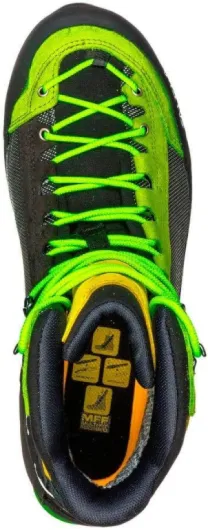
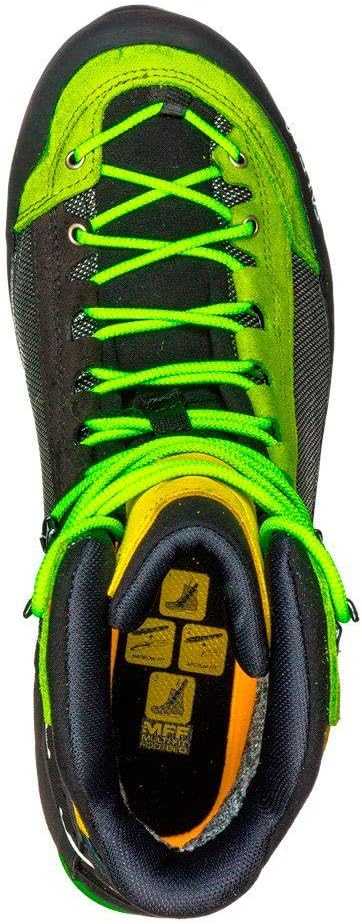
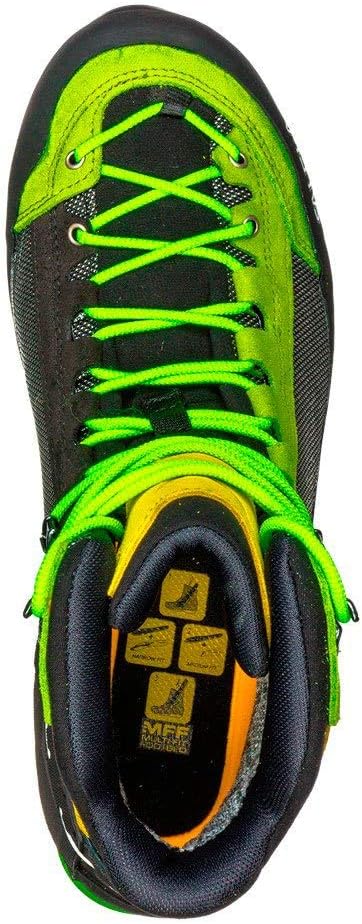
The lacing system is another critical tech feature that separates a merely good mountaineering boot from the best. Modern designs use zoned lacing, locking eyelets, and low friction hardware to fine tune tension between the forefoot and ankle. This allows you to hike with slightly relaxed laces for comfort, then crank the lacing system tighter for technical ice climbing or exposed alpine ridges without creating painful pressure points.
Technical performance on rock, snow, and ice
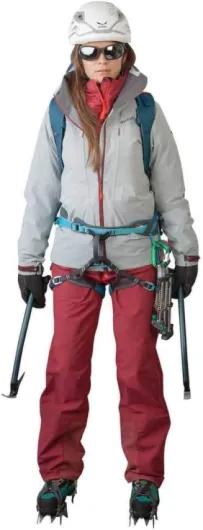
The best mountaineering hiking boots must transition seamlessly from rocky approaches to steep snow and vertical ice. A mountaineering boot like the sportiva Nepal Cube or the Scarpa Phantom Tech uses a stiff sole and precise toe profile to edge securely on rock while still accepting automatic crampons for serious ice climbing. This dual role demands careful attention to sole stiffness, rocker profile, and crampon compatibility when evaluating any mountaineering boots lineup.
On mixed terrain, weight becomes a decisive factor in how agile you feel during climbing sequences. Lighter cube GTX and Aequilibrium GTX models reduce swing weight, which matters enormously when you are repeatedly kicking steps or front pointing on brittle ice. However, extremely low weight can compromise durability and insulation, so the best mountaineering hiking boots strike a careful balance between grams saved and long term resilience.
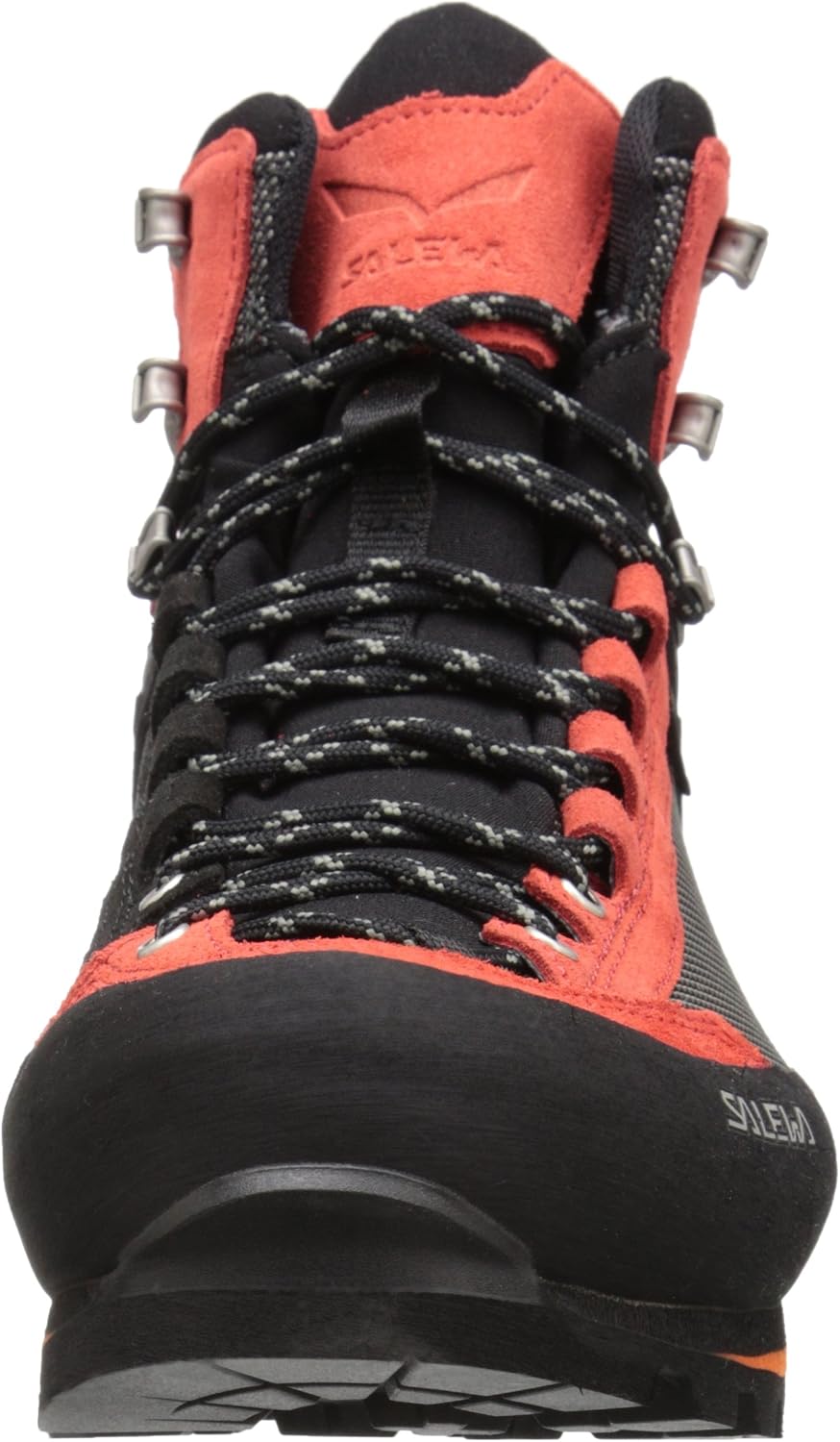
Technical details such as rubber compounds and rand coverage also influence performance and safety. High friction rubber improves smearing and edging on rock, while a full wrap rand protects the boot from crampon bails and sharp granite. When you compare a zodiac tech style boot to a more traditional lowa alpine model, you see how different tech priorities shape the final product, yet both still aim to keep your feet secure and responsive in complex alpine environments.
Comparing iconic models from Sportiva, Scarpa, Lowa, and Arc'teryx
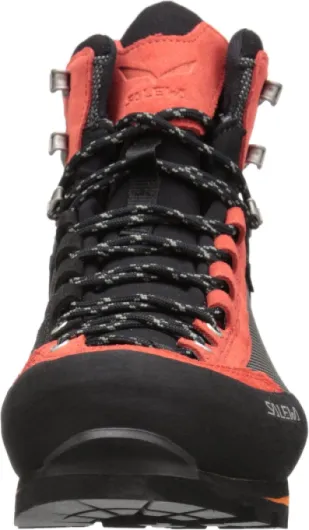
Within the world of best mountaineering hiking boots, several benchmark models define performance standards. The sportiva Nepal series, including the sportiva Nepal Cube, remains a reference for high altitude mountaineering boots thanks to its blend of insulation, durability, and climbing precision. For lighter objectives, the sportiva Aequilibrium and sportiva Aequilibrium GTX families offer a more agile mountaineering boot that still handles crampons and technical ridges.
Scarpa counters with the Scarpa Mont Blanc Pro and the Scarpa Phantom line, each targeting different alpine styles. The Scarpa Mont design focuses on classic mountaineering, glacier travel, and mixed climbing, while the Scarpa Phantom Tech and related models push into high end ice climbing and fast, technical ascents. Many men and women alternate between these scarpa boots depending on season, objective seriousness, and expected temperatures.
Arc'teryx enters the conversation with the teryx Acrux series, which emphasizes low weight, integrated gaiters, and streamlined tech for modern alpinists. Meanwhile, lowa alpine boots appeal to climbers who prioritize traditional leather construction and long term comfort on extended expeditions. When evaluating these options, do not overlook how each boot interacts with your specific feet shape, preferred lacing system tension, and typical pack weight, because even the best rated mountaineering boots will fail you if the fit and use case are mismatched.
Balancing weight, durability, and comfort for real objectives
Every serious alpinist eventually confronts the trade off between weight, durability, and comfort when selecting the best mountaineering hiking boots. A lighter mountaineering boot like the sportiva Aequilibrium or zodiac tech feels lively during fast climbing, yet may wear faster under heavy use on abrasive rock. Conversely, a more robust model such as the sportiva Nepal Cube or Scarpa Mont Blanc Pro adds grams but often survives years of mixed mountaineering and ice climbing.
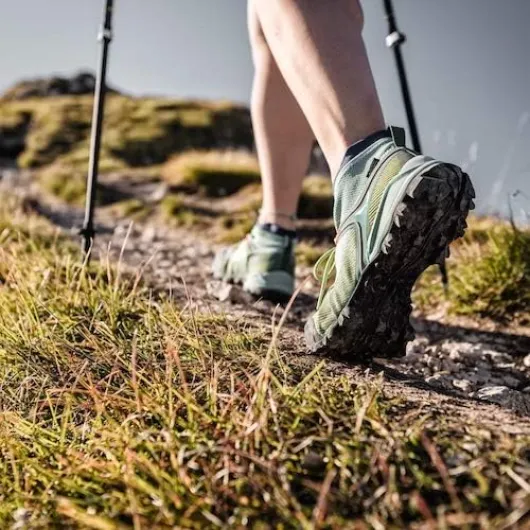
Comfort extends beyond simple cushioning and includes how the boot manages moisture, temperature, and repetitive impact. GTX membranes and advanced tech GTX laminates keep water out, but they must be paired with breathable linings and appropriate socks to prevent clammy feet during long hiking approaches. On easier days or acclimatization hikes, some climbers even switch to lighter boots and use resources like enjoying easy hikes in Acadia National Park trails for every hiker as inspiration for lower intensity outings that still test fit and comfort.
For both boots men and boots women, the best mountaineering hiking boots will always be those that match your real objectives rather than your aspirational ones. If most of your time is spent on alpine rock and moderate snow, a slightly softer mountaineering boot may outperform a hyper technical ice climbing weapon. By honestly assessing how often you tackle steep ice, multi day glacier travel, or mixed climbing, you can choose a mountaineering boots quiver that keeps your feet healthy and your risk level controlled.
Gender specific considerations, sizing, and long term care
Although many mountaineering boots are marketed as unisex, anatomical differences between men and women feet still matter. Women often benefit from boots women specific lasts that offer narrower heels, lower volume insteps, and more precise midfoot control. When a mountaineering boot fails to respect these proportions, even the best lacing system cannot fully compensate for heel lift or forefoot slop.
Brands like sportiva and scarpa now provide parallel lines of mountaineering boots men and mountaineering boots women, including models such as the sportiva Trango, sportiva Aequilibrium GTX, and Scarpa Phantom Tech. These designs preserve the same technical DNA, crampon compatibility, and alpine focus while adjusting volume and flex patterns. Men with low volume feet sometimes prefer women versions of certain boots, which underlines how the label matters less than the actual interaction between boot and feet.
Long term care is essential if you want your best mountaineering hiking boots to retain their performance over many seasons. Regularly cleaning mud, salt, and fine dust preserves leather, synthetic fabrics, and GTX membranes, while careful drying prevents delamination and odor buildup. Periodic inspections of the sole unit, rand, and lacing system hardware allow you to resole or repair a favorite mountaineering boot before minor wear turns into a failure high on an alpine face.
Strategic boot quivers and route planning for serious alpinists
Experienced mountaineers rarely rely on a single pair of boots for every objective, even when they own the best mountaineering hiking boots available. Instead, they build a small quiver of mountaineering boots that covers everything from long hiking approaches to technical ice climbing and cold, high altitude bivouacs. A typical setup might include a light zodiac tech or sportiva Aequilibrium for fast alpine rock, a midweight sportiva Trango or lowa alpine boot for mixed routes, and a heavily insulated Scarpa Phantom or sportiva Nepal Cube for frigid conditions.
Route planning should always start with an honest assessment of expected temperatures, snow conditions, and climbing difficulty. If your line involves extended ice climbing or overnight glacier travel, a warmer mountaineering boot with cube GTX level insulation and a robust lacing system becomes non negotiable. For summer alpine rock with short snow crossings, a lighter mountaineering boot can reduce fatigue and improve precision, especially for men and women who value speed and efficiency.
Ultimately, the best mountaineering hiking boots are those that integrate seamlessly into your broader alpine strategy. By aligning each mountaineering boot in your quiver with specific terrain, season, and risk profiles, you protect your feet while maximizing performance on demanding objectives. This strategic approach to boots, combined with disciplined care and realistic self assessment, allows your stars sportiva favorites, your trusted scarpa mont partners, and your cutting edge teryx Acrux innovations to support safe, rewarding journeys across the high mountains.
Key statistics on mountaineering boots and alpine safety
- Global sales of mountaineering boots have grown steadily in recent seasons, reflecting increased participation in alpine hiking and climbing.
- Industry data shows that lighter weight boots can reduce lower limb fatigue by a measurable percentage over long approaches.
- Surveys of experienced alpinists indicate that improper boot fit remains a leading cause of retreat from multi day objectives.
- Laboratory testing confirms that modern GTX membranes maintain waterproof performance for thousands of flex cycles when properly cared for.
- Field reports highlight that regular boot maintenance can extend the effective lifespan of technical alpine footwear by several years.