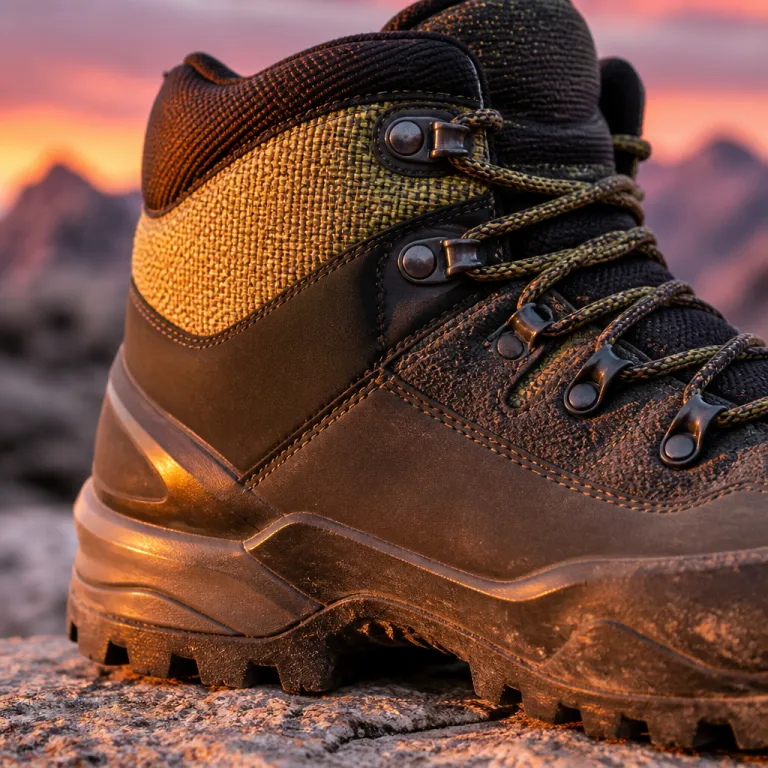
Arc'teryx steps from approach shoes into full hiking territory
The Arc'teryx Konseal Trek boot lands as a deliberate bridge between precise approach shoes and load bearing hiking shoes. Arc teryx built its reputation on alpine shells and the original teryx Konseal approach shoe line, but this mid cut Konseal Trek now targets backpackers carrying 15 to 20 kilogram packs over mixed terrain. On paper the Arc'teryx Konseal Trek boot sits between a technical approach shoe and a traditional backpacking boot, with a 35 millimetre heel stack and 22.5 millimetre forefoot that feel closer to a protective hiking shoe than a stiff mountaineering platform.
Each Konseal Trek shoe weighs about 590 grams, which places it lighter than a Salomon Quest 5 boot but heavier than many running shoes that thru hikers sometimes adopt for long trails. That weight reflects a PFC free nubuck leather upper, a woven Kevlar collar, and a Gore Tex Invisible Fit membrane bonded directly to the upper rather than hanging as a bootie inside the shoe. The result is a Konseal Trek package that aims to keep the abrasion resistant upper supple while still offering real support under a multi day load on rocky terrain.
Underfoot, a Vibram Megagrip outsole with 5.1 millimetre lugs gives the Arc'teryx Konseal Trek boot more bite than most low cut approach shoes while still keeping a relatively agile profile. The forefoot and toe area borrow from climbing shoes, with a defined climbing zone and a precise Konseal shoe last that lets you edge on small holds during scrambling. Hikers used to a softer hiking shoe may need time to adapt to the firmer carbon fiber shank, but that same structure keeps the heel aligned and reduces foot fatigue on long descents.
Climbing DNA, Kevlar collars and real world fit on technical terrain
On Colorado’s Longs Peak Keyhole route and Italy’s Dolomiti Alta Via stages, the Konseal Trek boot behaves like a scrambler’s tool that finally learned to backpack. The Kevlar reinforced collar locks the ankle without the brick like feel of older leather hiking boots, and the lacing system runs far toward the toe in classic approach shoe fashion for micro tuning the fit. That extended lacing system lets you tighten the forefoot for climbing moves, then relax the toe box for long hiking traverses where swelling and repeated impact can otherwise cause black nails.
Arc teryx leans heavily on its Konseal approach heritage here, and the Konseal approach shoes and Konseal GTX variants share a similar low profile heel shape that some narrow heeled hikers love and some wide heeled hikers find tricky. In the Konseal Trek boot, the heel pocket is deeper and the padding denser, which improves support when side hilling on loose terrain or kicking steps into late season snow. During testing on Washington’s Enchantments granite, the Vibram Megagrip outsole and the more climbing oriented toe gave secure smearing on slabs where many traditional hiking shoes would skate.
The nubuck leather upper feels softer out of the box than older full grain models from other brands, but long term wear will depend on how often you drag the outer toe against rock while climbing. Hikers coming from lighter hiking shoes or even trail running shoes will notice the stiffer flex, yet the carbon fiber shank spreads load evenly when you shoulder 20 kilograms for multi day trips. For readers comparing rugged options, the Konseal Trek sits closer to modern hybrid boots than to rubber fisherman boots that some mountaineers now use for glacial river crossings, a trend examined in this analysis of why serious hikers are turning to fisherman boots.
Sizing, buying channels and where this boot fits in your quiver
Fit is where the Arc'teryx Konseal Trek boot will either win loyalists or lose shoppers at the first try on. The last runs slightly narrow through the midfoot with a medium volume instep, so hikers with wide feet may need to size up half a size while low volume feet can often stay true to size. Anyone used to roomy hiking shoes from brands like Altra or Hoka should read every detailed review carefully and, if possible, test both size options on an incline ramp to check heel hold and toe clearance.
Retailers already list the Konseal Trek boot at around 280 dollars, and early online review patterns show buyers comparing it directly with other premium hiking shoe and gtx shoe offerings rather than with pure climbing shoes. Some shoppers will inevitably search for the Arc teryx Konseal Trek boot on Amazon, but at launch the most consistent size range and color availability sit with specialty retailers and the Arc'teryx site itself. For a broader context on how this model stacks up against other top hiking boots for outdoor enthusiasts, see this curated guide to top hiking boots for demanding hikers.
From a quiver perspective, the Konseal Trek boot makes the most sense as a primary hiking shoe for technical three season routes where you want approach shoe precision without sacrificing pack carrying support. The Gore Tex Invisible Fit construction and abrasion resistant nubuck leather upper will appeal to hikers who routinely cross wet meadows and talus fields, though those who mostly walk dry desert singletrack might prefer lighter hiking shoes or even dedicated running shoes. For layering the rest of your kit around such a boot, including how to pair it with a compact wind shell and emergency insulation, this breakdown of summer layering for hikers offers a useful systems view that matches the Konseal Trek’s all day, all weather intent.