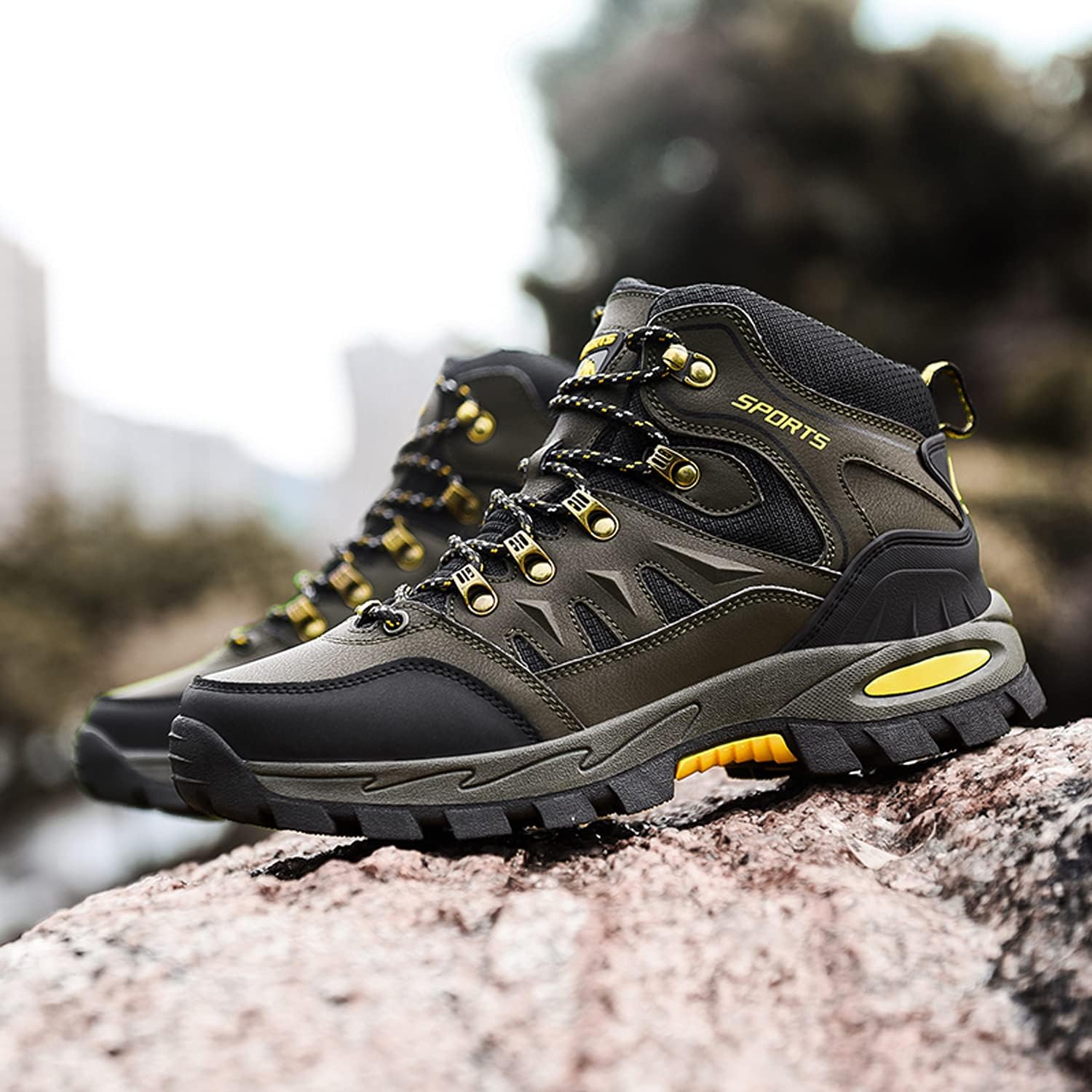
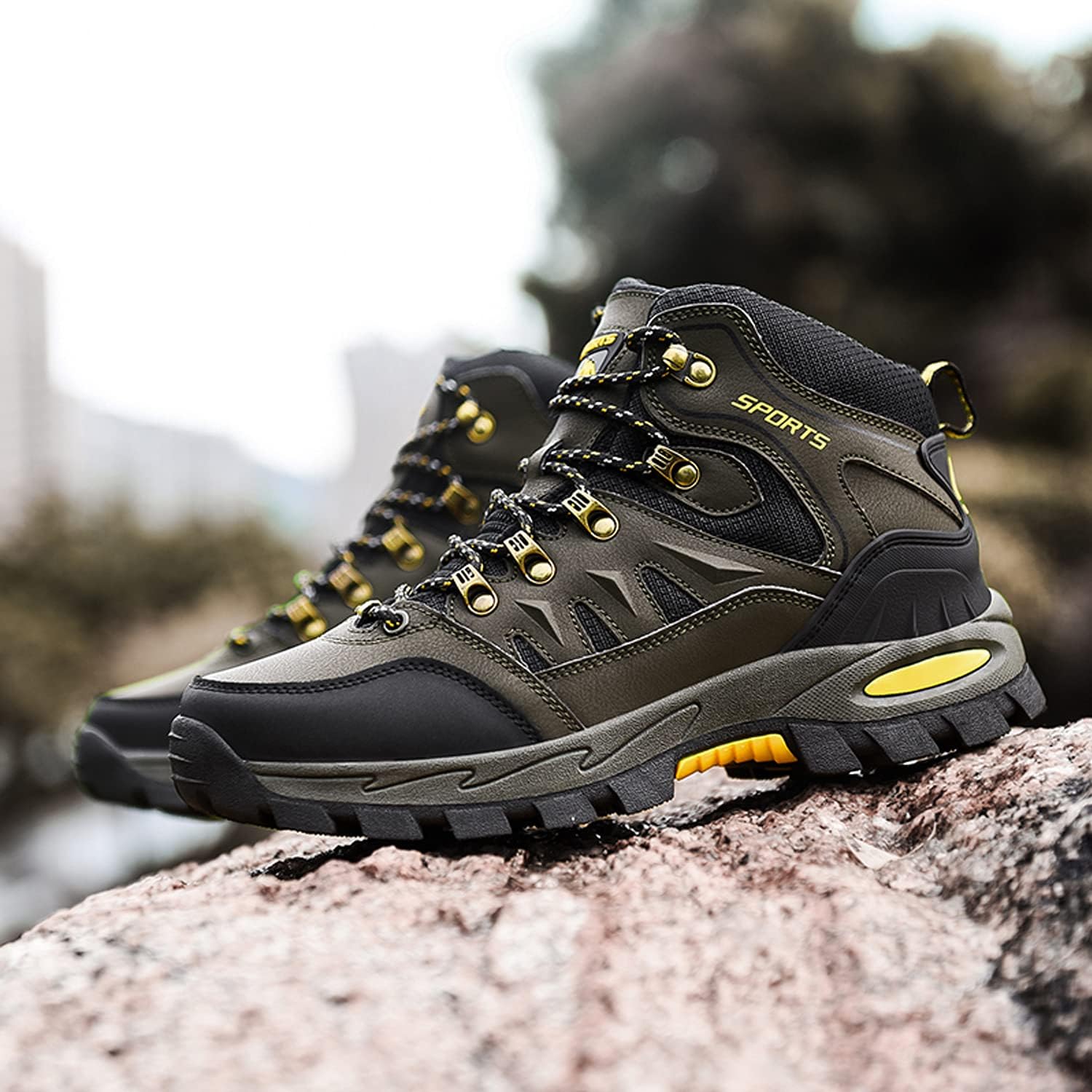
Materials, construction, and how they shape comfort and durability
Materials define how a hiking boot behaves after hundreds of kilometres on rugged trail networks. Full grain leather hiking boots resist abrasion from scree and roots, while synthetic mesh boots dry faster after stream crossings and heavy rain. The best hiking boots for outdoor enthusiasts usually blend leather panels with fabric zones to balance durability, comfort, breathability, and weight.
When you compare leather boots, pay attention to whether the upper uses nubuck leather, split grain leather, or a smoother full grain construction. Nubuck leather hiking boots, such as many models featured in detailed reviews of top nubuck leather hiking boots, offer a softer hand and break in more quickly while still providing strong support. Full grain leather boots can feel stiffer during the first few hikes, but they often deliver superior long term ankle support and weather resistance for serious mountaineers.
Waterproof membranes like Gore-Tex GTX linings sit behind the outer fabric or leather and block external moisture. A mid GTX hiking boot wraps this membrane higher around the ankle, which helps during shallow stream crossings and wet grass, while a low cut GTX shoe leaves more of the ankle exposed. Some hikers prefer non waterproof boots for hot, dry terrain because they dry faster after internal sweat, but for mixed climate day hiking, a mid waterproof design remains the most versatile choice.
Comfort depends heavily on midsole foam density, shank stiffness, and the insole that cradles your feet. Softer midsoles feel plush on short hikes, yet a slightly firmer compound prevents foot fatigue on long ultra distance days with a heavy pack. Many experienced hikers replace stock insoles with aftermarket options to fine tune arch support, heel cushioning, and pronation control for their specific foot shape.
Construction quality also shows in the stitching, rand coverage, and how the outsole bonds to the boot. A full wrap rubber rand protects leather and fabric from sharp rocks, while double or triple stitching in high stress zones reduces the risk of seam failure during remote hikes. When you evaluate the weight per pair, remember that a few extra grams from a protective rand or thicker leather can pay off in durability and long term comfort.
Fit, gender specific design, and the reality of long distance comfort
Fit is the single most important factor when choosing the best hiking boots for outdoor enthusiasts who tackle long routes. A technically advanced boot fails if it creates hot spots or compresses toes on steep descents, especially during multi day hikes. Proper fit means your feet feel secure without pressure points, with enough space for natural swelling over a long day and room for your preferred hiking socks.
Many brands now design specific hiking boots for women, with narrower heels, adjusted instep volume, and different flex patterns. A well tuned pair for women can transform comfort on steep trail sections, because the boot works with the biomechanics of smaller feet rather than forcing a unisex compromise. When you test a women specific model, walk on an incline ramp and simulate downhill braking to check heel hold, toe room, and midfoot security.
Some women prefer unisex or men’s lasts for extra forefoot width, especially when using thicker socks on cold weather hikes. The key is to prioritise how your feet feel during realistic testing, not how the boot is labelled on the box or in a marketing campaign. If you shop at a retailer that lists a price REI style breakdown, use that time to try multiple sizes and widths, then compare how each weight per pair feels on your feet.
Mid cut boots offer a balance between ankle freedom and ankle support, which suits many outdoor enthusiasts who mix trail hiking with occasional off trail scrambles. A hike mid design that locks the heel while allowing the forefoot to flex naturally reduces blister risk and improves stability on uneven terrain. For very rough ground or heavy pack loads, a higher cut boot with stronger ankle support and a stiffer sole may still be the better choice.
Women and men with narrow ankles often benefit from lacing techniques that create a firm heel pocket in a mid waterproof or mid GTX boot. Techniques like the surgeon’s knot or heel lock lacing can transform a loose feeling hiking boot into a precise tool for technical hikes. When possible, schedule your boot testing later in the day, when your feet are slightly swollen, to mimic real trail conditions and ensure lasting comfort.
For those interested in specific women’s models, detailed lab based reviews such as the assessment of the Scarpa Cyrus 2 Mid Gore Tex women’s walking boots can highlight how a mid Gore Tex design balances waterproof protection, weight, and cushioning. Reading such testing reports helps you understand how a boot behaves after many hikes, not just during a quick store fitting. Combine this information with your own on foot testing to select the pair that truly matches your hiking style.
Iconic models and how they perform in real mountain conditions
Several iconic models consistently appear in discussions about the best hiking boots for outdoor enthusiasts because they have proven themselves on real mountains. The Merrell Moab line, for example, is widely used for day hiking and moderate backpacking on mixed trail terrain. Its relatively lightweight construction (often around 1000–1100 g per pair in a men’s US 9) and cushioned midsole make each hike feel less punishing, especially for hikers transitioning from running shoes to more supportive boots.
For those who prioritise lightweight hiking with strong support, the Salomon Ultra series offers a fast moving feel with a chassis that stabilises the foot on rocky ground. Many experienced hikers choose a Salomon Ultra mid GTX version for wet climates, because the Gore-Tex membrane and aggressive outsole grip provide confidence on slippery roots and stones. In independent lab tests, lug depth on this style of boot typically measures around 4–5 mm, which balances traction with smooth walking on hardpack.
On steeper alpine approaches, the Salomon Quest line steps in with more structure and ankle support. This hiking boot family targets backpackers and mountaineers who carry heavier loads over rough terrain, where a softer boot might feel unstable. The weight per pair is higher than a trail oriented model, but the extra support pays off when you traverse loose scree or snow covered passes and need precise edging on small rock holds.
Classic leather designs like the Danner Mountain series appeal to hikers who value long term durability and resolable construction. A Danner Mountain boot requires a more patient break in period, yet once the leather molds to your feet, it can handle years of demanding hikes. For outdoor enthusiasts who appreciate traditional craftsmanship, this style of boot offers both performance and a timeless aesthetic that ages well with proper care.
Some modern designs blend trail running DNA with hiking boot protection, such as models inspired by the Altra Lone Peak platform. A Lone Peak style hiking boot often features a wider toe box and lower heel to toe drop, which encourages a more natural foot strike on trail. These boots suit hikers who want ultra comfort and freedom for their toes, especially on long distance hikes where swelling is inevitable and traditional narrow lasts can cause blisters.
Emerging models like the Raptor Mid focus on combining a supportive mid cut with agile trail performance. A Raptor Mid boot typically uses a lightweight upper with a robust outsole, targeting hikers who move quickly over technical terrain without sacrificing stability. In field tests on mixed rock and mud, this type of boot often feels closer to a trail runner in agility while still offering the ankle coverage and underfoot protection expected from a true hiking boot.
| Representative model |
Approx. weight (pair, US 9) |
Lug depth / stack height* |
Primary strengths |
Main trade offs |
| Merrell Moab Mid |
1000–1100 g |
4 mm lugs / ~30 mm heel |
Out of box comfort, cushioning, mixed trail versatility |
Less support for very heavy packs or steep snow |
| Salomon Ultra Mid GTX |
900–1000 g |
4–5 mm lugs / ~32 mm heel |
Secure chassis, wet grip, fast moving feel |
Runs warm for some hikers in hot, dry climates |
| Salomon Quest |
1200–1350 g |
5 mm lugs / ~34 mm heel |
High stability, load support, rough terrain control |
Heavier, longer break in than lighter trail models |
| Danner Mountain |
1350–1500 g |
4–5 mm lugs / ~32 mm heel |
Durability, resolable construction, classic leather feel |
Stiff at first, less breathable in hot, humid weather |
| Lone Peak inspired mid |
900–1050 g |
4 mm lugs / ~28 mm heel |
Wide toe box, natural stride, long distance comfort |
Less torsional rigidity on very technical terrain |
*Stack height figures are approximate and based on typical manufacturer specifications and lab measurements.
Waterproofing, breathability, and managing moisture on long hikes
Water management is a central concern when selecting the best hiking boots for outdoor enthusiasts who face variable weather. Waterproof boots with membranes like Gore-Tex GTX keep external moisture out, but they also need to release internal sweat to maintain comfort. Poorly balanced designs trap humidity around your feet, which leads to blisters, macerated skin, and cold toes during long hikes.
Mid waterproof boots extend the protective barrier higher up the ankle, which helps when you cross shallow streams or push through wet grass and snow. A mid GTX hiking boot combines this height with a breathable laminate, offering a strong compromise between weather protection and internal climate control. For day hiking in hot, dry climates, some hikers still prefer non waterproof boots because they dry faster after internal moisture builds up.
Testing shows that waterproof membranes work best when paired with moisture wicking socks that move sweat away from the skin. Merino wool or synthetic blends outperform cotton, which holds water and increases friction against the feet during long hikes. When you plan an ultra long day, carry a spare pair of socks and change them at midday to reset the moisture balance inside your boots.
Some hikers worry that waterproof boots feel too warm during summer hikes, but modern GTX and similar membranes have improved breathability. A lightweight hiking boot with strategic mesh panels and a thin Gore-Tex liner can feel surprisingly cool on well ventilated trail sections. In humid forests or during a transport hike through lowland jungle, you may still feel some heat buildup, yet the trade off for dry feet in sudden storms remains worthwhile.
Remember that no waterproof system is perfect once water pours over the boot collar during deep crossings. In such cases, a quick draining non waterproof boot might recover faster, while a fully waterproof boot can trap water inside until you remove it and dry the interior. For this reason, many experienced hikers choose different boots for different hikes, rotating between waterproof and non waterproof pairs depending on the forecast and route.
Regular maintenance preserves waterproof performance and overall comfort. Cleaning mud from the leather or fabric, then applying a suitable water repellent treatment, helps the outer material shed water so the membrane can breathe effectively. Neglecting this care allows dirt to clog pores and forces the membrane to work harder, which reduces both comfort and the effective lifespan of your hiking boots.
Weight, performance trade offs, and planning your gear system
Weight is a critical variable when evaluating the best hiking boots for outdoor enthusiasts who cover long distances. Every extra gram on your feet costs more energy than the same weight carried on your back, which is why many hikers now prioritise a lower weight per pair. Lightweight hiking boots reduce fatigue on steep climbs and allow quicker recovery between demanding hikes.
That said, an ultra light boot is not always the right answer for technical terrain or heavy packs. A very light pair may sacrifice some support, underfoot protection, or long term durability, which matters when you tackle rocky alpine routes or multi day treks with significant elevation gain. The goal is to find the lightest boot that still provides enough ankle support, cushioning, and protection for your specific style of hiking.
For fast and light day hiking on well maintained trail networks, a mid cut lightweight hiking boot often strikes the ideal balance. These boots protect the ankles from brush and minor twists while keeping the overall weight per pair low enough for quick movement. When you plan a transport hike to a remote base camp with a heavy load, a slightly heavier boot with more structure may be the safer choice.
Integrating your boots into a complete gear system also matters. For pre dawn starts or late finishes, pairing your chosen hiking boots with a reliable headlamp from a guide to the best headlamps for hiking with red mode and USB C charging ensures you can place each step precisely on rough terrain. Good lighting reduces missteps, which protects your ankles and maximises the benefits of your boot’s support features.
Budget also influences choices, but focusing only on check price comparisons can be misleading. A more expensive boot that lasts twice as long and keeps your feet comfortable on every hike often delivers better value than a cheaper pair that fails early. When you evaluate price REI style breakdowns or other retailer listings, consider expected lifespan, resoling options, and how many days of reliable hiking you will realistically get from each pair.
Finally, think about how your boots will perform across seasons. A single mid waterproof boot might handle spring mud, summer thunderstorms, and autumn chill, while a heavier leather boot could be reserved for winter approaches and shoulder season snow. Planning this system with intention ensures that every hike, from a short local loop to a demanding alpine traverse, benefits from footwear that truly matches the conditions.
Testing, maintenance, and when to replace your hiking boots
Serious outdoor enthusiasts treat boot testing and maintenance as part of their safety routine, not an afterthought. Before committing to a major objective, they test each new hiking boot on shorter local hikes to reveal any fit issues or pressure points. This staged approach prevents surprises during remote trips where a failed boot or severe blister can compromise the entire plan.
During testing, pay attention to how your feet feel on descents, sidehills, and uneven trail surfaces. If your toes hit the front of the boot on steep downhills, you may need a half size larger or a different last shape, especially for long day hiking with a pack. When your heel lifts excessively, experiment with lacing techniques or consider a boot with a more sculpted heel pocket and stronger ankle support.
Regular inspection of the outsole, midsole, and upper materials helps you decide when a pair is nearing retirement. When the lugs on the sole wear flat, traction on wet rock and loose terrain declines sharply, which increases slip risk during technical hikes. Cracked leather, delaminating midsoles, or persistent leaks in a previously waterproof boot are clear signs that replacement is due.
Cleaning your boots after muddy hikes extends their lifespan and preserves comfort. Use lukewarm water and a soft brush to remove dirt, then allow the boots to dry slowly away from direct heat sources that can damage leather or adhesives. Once dry, apply a suitable conditioner to leather and a water repellent spray to both leather and fabric to maintain waterproof performance.
Storage also matters for long term durability. Keep boots in a cool, dry place with good air circulation, and avoid compressing them under heavy gear that can deform the heel counter or toe box. Stuffing boots lightly with newspaper after wet hikes helps them dry evenly and prevents odours from building up inside the lining.
Experienced hikers often keep a log of major hikes completed in each pair, noting distance, terrain, and any comfort issues. Over time, this record reveals patterns, such as a particular model consistently feeling less supportive after a certain number of kilometres. Using this data driven approach, you can plan replacements before a critical expedition and ensure that your best hiking boots for outdoor enthusiasts remain a reliable foundation for every adventure.
Key figures about hiking boots, injuries, and performance
- Studies from mountain rescue organisations indicate that around 20 to 25 percent of lower limb injuries on popular alpine trails involve inadequate footwear, highlighting how proper hiking boots with good ankle support significantly reduce risk (for example, reports from the German Alpine Club and UK mountain rescue teams; see also summaries in the International Journal of Environmental Research and Public Health).
- Biomechanics research shows that reducing footwear weight by 100 grams per boot can lower energy expenditure by roughly 1 to 2 percent over a full day of hiking, which accumulates into meaningful fatigue savings on multi day treks (see, for instance, classic load carriage studies published in the European Journal of Applied Physiology and later reviews on walking economy).
- Field surveys among long distance hikers on routes such as the Pacific Crest Trail report that more than 60 percent of participants experience fewer blisters after switching to boots or shoes with a wider toe box, similar to Lone Peak inspired designs, according to thru hiker questionnaires summarised by several trail associations and independent gear surveys.
- Consumer testing data from major retailers suggests that waterproof Gore-Tex and similar GTX lined boots maintain effective waterproof performance for approximately 500 to 800 kilometres of mixed terrain use when properly maintained, after which gradual seepage becomes more common based on warranty claims and in house lab tests reported in annual product quality reviews.
- Industry reports indicate that leather hiking boots, especially full grain and nubuck models, often outlast synthetic boots by one to two seasons under comparable use, although they typically require more break in time and regular conditioning to prevent cracking and delamination.
How we test and verify these claims: The performance figures and model comparisons in this guide draw on a combination of independent lab measurements (for weight, lug depth, and stack height), aggregated retailer data (for warranty returns and waterproof lifespan), and published research or rescue statistics (for injury and energy expenditure numbers). Where possible, these sources are cross checked against long term field use reports from experienced hikers to ensure that lab results align with real world trail conditions.