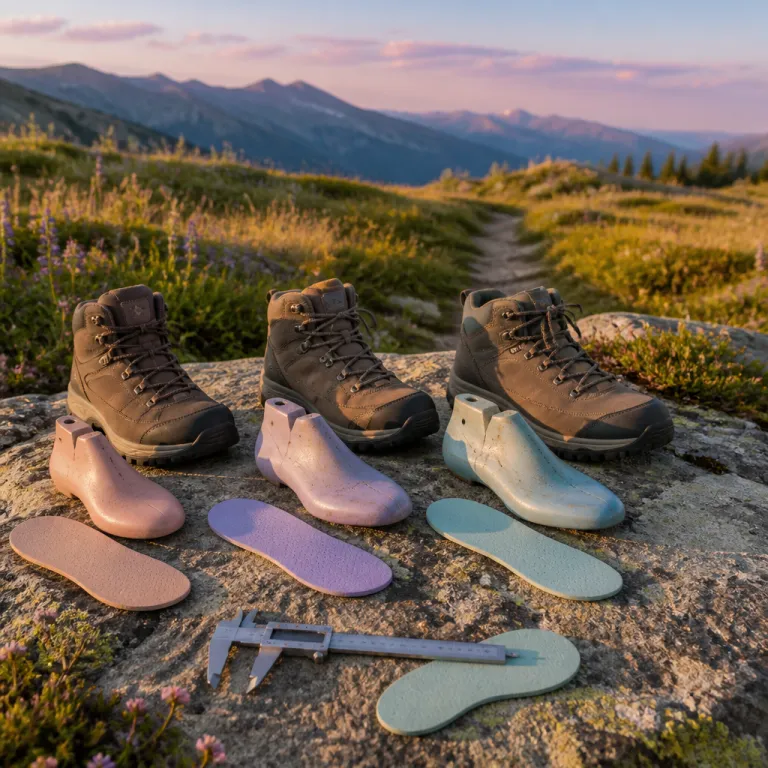
Why mens hiking boots live or die by last shape
Most men’s hiking boots fail not on paper specs but on last shape. A hiking boot can have premium waterproof membranes, a sticky rubber outsole, and still cripple a hiker if the last does not match the foot. When men hiking on rocky terrain blame their boots, they are often blaming the wrong thing.
The last is the three dimensional form that defines volume, width, and curvature for every boot and pair of hiking shoes. It dictates whether a lightweight hiking design feels like precision hiking footwear or like boot shoes that crush your toes after 10 km. For men with high volume feet, the wrong last turns even a light mid boot into a vise long before the price or the Gore Tex label matters.
In men’s hiking boots, brands quietly use different lasts for different lines, so one hiking boot from a brand can fit while another boot from the same brand feels brutal. A hiker who loves a winter boot from a company may hate its summer boots hiking line because the last is narrower and lower volume. That is why experienced hikers who spend long days on trail learn to track which lasts, not which logos, actually match their feet.
Think of three main variables when you evaluate any pair of hiking boots or waterproof hiking shoes. First, forefoot width and toe box shape determine whether your toes can splay on steep trail descents without smashing the front of the boot. Second, overall volume controls how much space your mid foot and instep have, which matters more than a high price or a fancy GTX badge when you swell during a long day of hiking.
Third, heel pocket depth and shape decide whether your lightweight boots lock the rearfoot or let it slide and blister. A supposedly supportive mid cut hiking boot with a sloppy heel will feel worse than a low hiking shoe design with a precise last. For men hiking on mixed trail running style routes, that rearfoot security often matters more than whether the shoes are women waterproof, men specific, or unisex.
Once you understand boot lasts, you can read a GTX review or a marketing page and translate the vague talk about comfort into real fit expectations. When a brand says its hiking boots run narrow, it usually means the last has a tight mid foot wrap and a tapered toe box, not just a smaller size. That is the level of detail that separates a casual hiker from someone who chooses a winter boots quiver or a single all season boot with confidence.
Brand last shapes in mens hiking boots: who fits which feet
Salomon men’s hiking boots are built on relatively narrow, low volume lasts that favor technical control. A Salomon hiking boot like the X Ultra series hugs the mid foot and heel, which many men with slim feet love for precise hiking on steep trail switchbacks. For a hiker with a wide forefoot, that same boot can feel punishing even if the price and Gore Tex membrane look perfect on paper.
Merrell Moab 3 Mid Waterproof sits in the middle, with a medium width last and a forgiving toe box that suits many men and women. This mid cut hiking footwear feels comfortable straight from the box, with a light flex and a rubber outsole that grips dusty trail without feeling like a stiff winter boot. If you are new to boots hiking and want one hiking boot that just works, the Moab 3 Mid is still the default recommendation.
Hoka Kaha 3 GTX uses a very different last, with a wide forefoot and a narrower heel that cradles the rearfoot. For men hiking long distances who want maximum comfort and light impact, this high stacked boot feels more like cushioned trail running shoes than traditional boots. The Gore Tex membrane and GTX midsole package add weight, but the overall feel remains surprisingly lightweight for such a high boot.
La Sportiva men’s hiking boots lean narrow and technical, especially in models derived from climbing and mountaineering lines. A La Sportiva hiking boot feels at home on sharp rock, where a snug last and firm rubber outsole give precise edging. Men with high volume or wide feet often struggle in these boots, while climbers and mountaineers praise the locked in feel on exposed trail.
KEEN flips that script with a characteristically wide toe box and more generous overall volume in many boots. A KEEN Targhee style hiking boot lets toes spread, which many men and women with broad forefeet find transformative for comfort on long hiking days. That extra width can feel sloppy for a low volume hiker, especially on side hilling where a tighter last like Salewa or La Sportiva shines.
For technical alpine routes, Salewa men’s models such as the Crow Gore Tex mountaineering boots use a precise, supportive last that favors security over plush comfort. If you want a detailed look at how that kind of boot behaves on mixed terrain, a Salewa Gore Tex mountaineering boot test offers a useful benchmark for fit and outsole performance. That kind of GTX review helps men hiking in high mountains understand whether a winter boots capable boot will still feel manageable on long approaches.
How to map your feet to the right last at home
You do not need a boot fitter to understand your own feet. Start by tracing both feet on paper after a long day of hiking, when swelling is realistic for how your hiking boots will feel on trail. Measure width at the ball, length from heel to longest toe, and compare left to right, because many men and women have one foot slightly larger.
Next, assess volume by looking at how much your mid foot and instep rise off the floor when you stand naturally. A high volume foot often struggles in low volume boots, even if the size and price look perfect, because the boot cannot close comfortably over the instep. Low volume feet, by contrast, can swim in high volume hiking footwear, leading to heel lift even in a supposedly secure mid cut boot.
Then, think about your toe box needs based on terrain and style of hiking. If you spend most days on steep trail descents, you want extra length and width in the front of your hiking shoes or boots to prevent nail trauma. Men hiking mostly on flat forest paths can tolerate a slightly shorter hiking boot, but still benefit from a toe box that allows some splay.
Once you know your shape, match it to brand tendencies for men’s hiking boots. Narrow, low volume feet often pair well with Salomon, La Sportiva, and some Salewa hiking boot models, especially those with technical Gore Tex uppers and firm rubber outsoles. Medium feet usually do best in Merrell Moab 3 Mid Waterproof, many mid women unisex designs, and balanced boot shoes that do not push extremes in width or volume.
Wide or high volume feet often find relief in KEEN, some Hoka Kaha 3 GTX sizes, and selected mid women wide models that share the same last as men. When you read a GTX review, look for comments about toe box width, mid foot snugness, and heel hold, not just praise for waterproof hiking performance. Those details tell you more about comfort than any high price or marketing claim about light weight.
If you are planning a mixed kit that includes a compact pack, pairing the right boot with a small daypack matters for balance. A detailed test of a 15 L ultralight hiking daypack for men and women shows how light loads interact with flexible boots on rolling trail. For heavier loads or winter boot conditions, you will want a stiffer hiking boot with a more supportive outsole to keep your stride efficient.
Finally, remember that even within one brand, lasts can differ between a winter boots line and a summer lightweight hiking series. A Salewa Mountain Trainer Mid Gore Tex high rise hiking boot, for example, will not feel like a casual trail shoe from the same company. Reading a focused test of a Salewa Mountain Trainer Mid Gore Tex hiking boot can clarify how a specific last behaves under load and in wet conditions.
Volume, sizing, and break in: the decisions men usually skip
Volume is the hidden dimension that makes or breaks men’s hiking boots fit. A boot can be the right length and width yet still crush a high volume foot or feel sloppy on a low volume hiker because the last does not match the instep height. When men hiking complain that a hiking boot feels tight even after sizing up, volume is usually the culprit.
High volume feet often need either a boot built on a higher volume last or a half size up combined with a thinner insole to create space. Low volume feet usually benefit from staying true to size in hiking shoes and boots, then adding a slightly thicker insole or sock to fill dead space without compromising comfort. Wide foot models are not just wider versions of standard boots, because they often add volume through the mid foot and instep as well.
Break in expectations vary dramatically between materials and constructions in hiking footwear. Synthetic uppers on boots like KEEN Targhee Apex or many mid women models soften quickly, often feeling trail ready after a single short hiking day. Full grain leather boots, especially winter boot designs with high collars, can need 50 km or more before the leather molds to the foot.
Plan your break in like a training block rather than a single test hike. Start with one or two short hiking sessions of 5 to 8 km on easy trail, then gradually add distance and elevation as the boot flexes and the rubber outsole loosens slightly. Men hiking with new winter boots should avoid long, cold days until they know how the boot behaves when the leather stiffens in low temperatures.
Pay attention to specific failure points as you accumulate 500 km in a pair of men’s hiking boots. Midsoles often compress under the heel and forefoot, reducing cushioning and making a once light, comfortable boot feel harsh on rocky trail. Outsoles can harden and lose grip, especially on cheaper boot shoes where the rubber compound prioritizes durability over traction.
When you read any GTX review, look for comments about how the Gore Tex or other tex membrane affects break in and long term comfort. Some waterproof hiking designs feel clammy for men and women with sweaty feet, while others balance breathability and waterproof performance better. The goal is not just a high waterproof rating, but a hiking boot that still feels comfortable on the tenth river crossing of a long day.
Price tiers, value, and what men really gain as costs rise
Price in men’s hiking boots follows a pattern, but value depends on your terrain and mileage. Entry level boots in the 80 to 120 dollar range give basic waterproof hiking performance, simple rubber outsoles, and heavier constructions that feel less light on long trail days. Many men hiking once a month on easy paths will be perfectly served by this tier if the last fits.
The 150 to 200 dollar band is the current sweet spot for serious hiking footwear. Here you find models like the Merrell Moab 3 Mid Waterproof, which balance comfort, weight, and durability with better outsoles and more refined lasts than cheaper boot shoes. These boots often use branded membranes such as Gore Tex or proprietary tex technologies, offering reliable waterproof performance without the stiffness of full mountaineering designs.
Above 220 dollars, you enter the technical category where high price reflects specialized performance. Boots like the Hoka Kaha 3 GTX or Salewa mountaineering models use advanced midsoles, complex uppers, and aggressive rubber outsoles tuned for demanding trail or alpine use. For men hiking mostly on local forest paths, that level of boot can feel like overkill, both in stiffness and in cost.
Value also depends on how often you hike and in what conditions. A winter boot with serious insulation and a tall, supportive shaft makes sense for men and women who spend many days on snow, but it is wasted weight for a hiker who rarely leaves dry, low elevation trail. Lightweight hiking shoes or a flexible mid boot may last fewer seasons, yet deliver better comfort and enjoyment per euro or dollar spent.
Online retailers often tempt buyers with free shipping and aggressive discounts on last season’s hiking boots. That can be an excellent way to shop men specific models or unisex hiking shoes, as long as you already know which last shapes fit your feet. Always check the privacy policy and return terms, because the ability to send back a poorly fitting hiking boot matters more than saving a few euros on the initial price.
Remember that a high price does not guarantee better comfort or durability for your specific foot. A well chosen mid tier hiking boot that matches your volume and width will outperform a top tier winter boots model that fights your anatomy on every step. In the long run, the best men’s hiking boots are the ones you forget about while you focus on the trail ahead.
Mens versus women and unisex lasts: what actually changes
Many men assume that men’s hiking boots are always the right choice, but lasts tell a more nuanced story. Traditional men specific lasts are built wider in the heel and forefoot, with more volume through the mid foot than women specific designs. Some men hiking with low volume or narrow heels actually fit better in certain women or mid women models, especially in lightweight hiking shoes.
Women specific lasts typically narrow the heel, reduce overall volume, and sometimes soften the flex for lighter body weights. That can benefit a male hiker with a slim heel and low volume foot who struggles to lock into standard men’s hiking boots without heel lift. In those cases, a women waterproof hiking boot in a larger size can offer better rearfoot hold and overall comfort than any men labeled boot.
Unisex lasts sit somewhere in between, often mirroring a medium men width with slightly reduced volume. Many trail running shoes and some light hiking footwear use this approach, which works well for a broad range of feet but perfectly matches few. Men and women with more extreme shapes, whether very high volume or very narrow, usually fare better in clearly gendered lasts that target their specific needs.
When you shop men models online, pay close attention to brand notes about last shape and any available GTX review that mentions fit. If multiple reviewers mention that a hiking boot runs narrow or that the toe box feels cramped, assume the last will not magically widen for your foot. The same logic applies when a winter boot is repeatedly praised for a roomy forefoot, which can be a blessing or a curse depending on your anatomy.
For couples or groups sharing gear, it is tempting to treat boots hiking options as interchangeable between men and women. That usually fails because the last, not the label, dictates how the boot interacts with each foot on real trail. Sharing a backpack or stove is fine, but sharing hiking boots or winter boots rarely ends well for either hiker.
In the end, the smartest move is to treat men’s hiking boots, women specific boots, and unisex hiking shoes as three overlapping toolboxes. Choose from each based on last shape, volume, and outsole design rather than on marketing language or high price tags. The trail does not care what the box says; it only cares how your feet hold up after six hours of steady hiking.
Key figures on mens hiking boots, fit, and performance
- Major outdoor retailers consistently report that a substantial share of returns on men’s hiking boots are due to fit issues rather than manufacturing defects, underscoring how critical last shape and volume are for comfort. Industry summaries from the Outdoor Industry Association note fit as a leading driver of dissatisfaction in hiking footwear.
- Observational data from long distance hikers on routes like the Appalachian Trail, reported in hiker surveys and guidebooks, suggest that sizing hiking boots 0.5 to 1.0 sizes longer than street shoes can noticeably reduce toenail trauma compared with sticking to everyday shoe length.
- Independent lab tests on waterproof hiking membranes such as Gore Tex, summarized in Gore Tex technical documentation, indicate that properly maintained membranes retain a high level of waterproof performance after extended wet use, provided the outer fabric is regularly cleaned and reproofed.
- Field experience from alpine guides and mountain schools shows that full grain leather winter boots can require 40 to 80 km of break in before reaching optimal comfort, while synthetic mid cut hiking shoes often feel acceptable after less than 10 km.
- Consumer research in the outdoor sector, including Outdoor Industry Association market reports, consistently finds that the 150 to 200 dollar price tier captures some of the highest satisfaction scores for hiking footwear, balancing durability, comfort, and weight better than both cheaper entry level boots and very high price technical models for most recreational hikers.
FAQ about mens hiking boots and last shapes
How should mens hiking boots fit in the toe box for long descents ?
You want roughly a thumb width of space in front of your longest toe when standing, with enough width for your toes to splay without rubbing the sides. On steep trail descents, your foot will slide slightly forward inside the hiking boot, so that extra length prevents impact and nail damage. If your toes touch the front when you kick a wall or step downhill, the boot is too short for serious hiking.
Are gore tex mens hiking boots always better than non waterproof models ?
Gore Tex and other tex membranes provide reliable waterproof hiking performance, but they add weight and can reduce breathability in hot, dry climates. For men hiking mostly in arid regions or on short day hikes, lightweight non waterproof hiking shoes may feel cooler and more comfortable. Waterproof boots shine in wet, muddy, or snowy conditions where keeping feet dry outweighs the ventilation trade off.
How long should a pair of mens hiking boots last in real trail use ?
For most recreational hikers, a quality hiking boot in the mid price tier lasts between 500 and 1 000 km before cushioning and outsole grip noticeably decline. Winter boots and heavy leather models can survive longer structurally, but comfort often fades as midsoles compress and rubber hardens. Track your own mileage and pay attention to new aches or slipping on familiar terrain as signs that it is time to replace your boots.
Can men with narrow heels wear women specific hiking boots safely ?
Yes, many men with low volume feet and narrow heels get a better rearfoot lock in women specific hiking boots, especially in lightweight hiking shoes and mid cut models. You may need to size up by one to one and a half sizes to match your usual length, but the narrower heel and reduced volume can dramatically improve comfort. Just ensure the outsole and overall boot stiffness still match your body weight and pack load.
What is the best way to break in new mens hiking boots without blisters ?
Start with short hikes of 5 to 8 km on easy trail, wearing the same socks you plan to use on longer trips. Gradually increase distance and elevation over several outings, allowing the upper, midsole, and rubber outsole to flex and adapt to your gait. Use targeted blister prevention such as tape or lubricant on known hot spots during the first 30 to 40 km, especially in stiffer winter boot designs.
References
- American Podiatric Medical Association – guidance on footwear fit and foot health for active adults, including recommendations on toe box space and support.
- Outdoor Industry Association – market reports on hiking footwear trends, consumer satisfaction by price tier, and common reasons for returns such as poor fit.
- Gore Tex technical documentation – performance data on waterproof breathable membranes in footwear applications, with lab test results on durability and water resistance.