
Summary
Editor's rating
Value: fair price for what you get, but not a bargain
Design: old-school look, practical choices
Comfort: good once broken in, not a trainer
Materials: leather, Gore-Tex and a grippy sole
Durability: early signs and realistic expectations
Performance: waterproofing and grip in real UK weather
What you actually get out of the box
Pros
- Gore-Tex membrane and leather upper keep feet dry in sustained rain and wet grass
- Comfortable and supportive after a short break-in, with decent cushioning for longer walks
- Good grip from the OPTI-STUD rubber sole on mud, wet paths, and mixed terrain
Cons
- A bit heavy and warm if you’re used to light trail shoes or mostly walk in dry, warm conditions
- Plain, slightly boring design that scuffs and creases visibly over time
- Arch support and stock insole are only average, some users may want aftermarket insoles

Specifications
View full product page →| Brand | Berghaus |
Real-world test of the Hillwalker II
I’ve been using the Berghaus Men’s Hillwalker II Gore-Tex boots (size 8.5 UK, black) for a few weeks now, mainly for wet weekend walks and a couple of full-day hikes in the Peaks. I’m not a mountaineer, just someone who walks a lot in grim UK weather and wants dry feet without babying their boots. I’ve had cheaper Decathlon boots before and a pair of Scarpa leather boots, so I’ve got a bit of comparison.
The first thing I noticed is they feel like proper old-school leather hiking boots, but a bit lighter and softer than the really chunky ones. Out of the box, they didn’t feel like bricks, which I appreciated. I wore them around the house for an hour, then straight out for a muddy 10 km walk. No instant blisters, just a slight rub on one heel that settled down after the second outing.
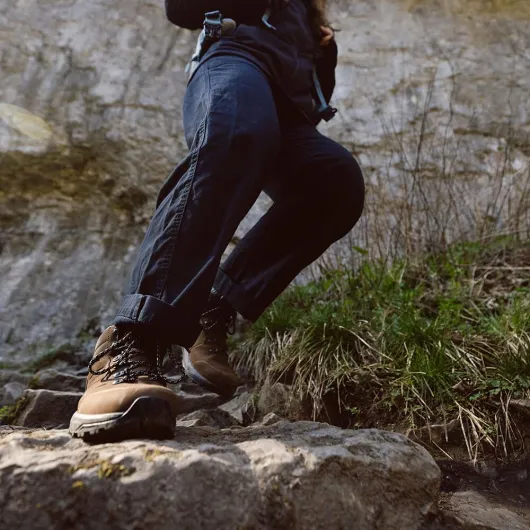
In terms of use, I’ve had them in steady rain, through wet grass, muddy bridleways, and a couple of rocky paths. So far my feet have stayed dry, and the grip has been decent even on damp rock and greasy mud. They’re not magic, you can still slip if you’re careless, but they feel predictable. I’d say they sit in that “reliable everyday hiking boot” category, not hardcore alpine gear, and that’s probably what most people actually need.
Overall, my first impression is: solid, functional boots that do what they say, with a couple of minor annoyances I’ll get into later. They’re not perfect, and there are lighter options out there, but if you’re walking in British autumn and winter a lot, they make sense. Just don’t expect them to feel like trainers or look brand new for long if you actually use them properly.
Value: fair price for what you get, but not a bargain
On value, I’d say the Hillwalker II sits in that middle ground: not cheap, not outrageously expensive. You’re paying for a branded leather boot with Gore-Tex and a decent sole, and that’s roughly what you get. Compared to budget boots from Decathlon or unknown Amazon brands, these feel better made and more supportive, and I’d trust them more on longer, wetter hikes. Compared to high-end boots from Scarpa, Meindl, or Lowa, they’re usually a bit cheaper but also a bit simpler in design and finish.
If you only go for one short walk a month on mostly dry paths, these are probably overkill. A cheaper fabric boot or even a sturdy walking shoe would be fine. Where they make sense is if you’re out in wet, muddy conditions most weekends, or you do a lot of dog walking whatever the weather. In that case, having dry feet and a solid leather upper is worth the extra money, at least in my book.
The Amazon rating of around 4.5/5 with a lot of reviews does line up with my experience so far. People clearly like them for comfort and waterproofing. They’re not perfect – they’re a bit heavy for casual strolls, and the looks are basic – but you’re getting a reliable tool, not a fashion item. If you catch them on sale, they’re genuinely good value. At full price, I’d still say they’re fair, just not a steal.
So, value summary: good for regular hikers and dog walkers in bad weather, less convincing if you only hike occasionally or you’re obsessed with ultralight gear. There are cheaper boots that will do the job for light use, and there are more technical ones if you’re pushing into serious mountain stuff. These sit nicely in the middle for everyday UK outdoor life.
Design: old-school look, practical choices
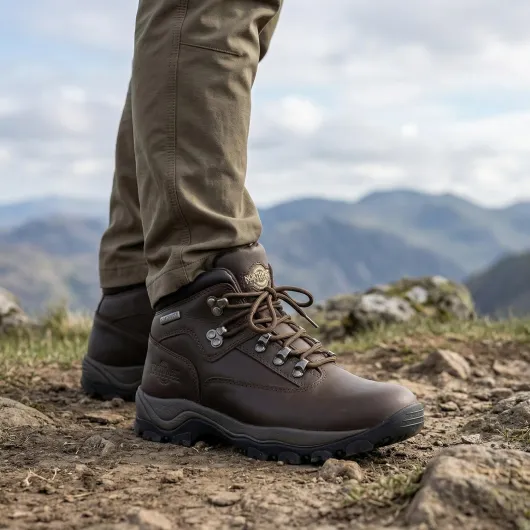
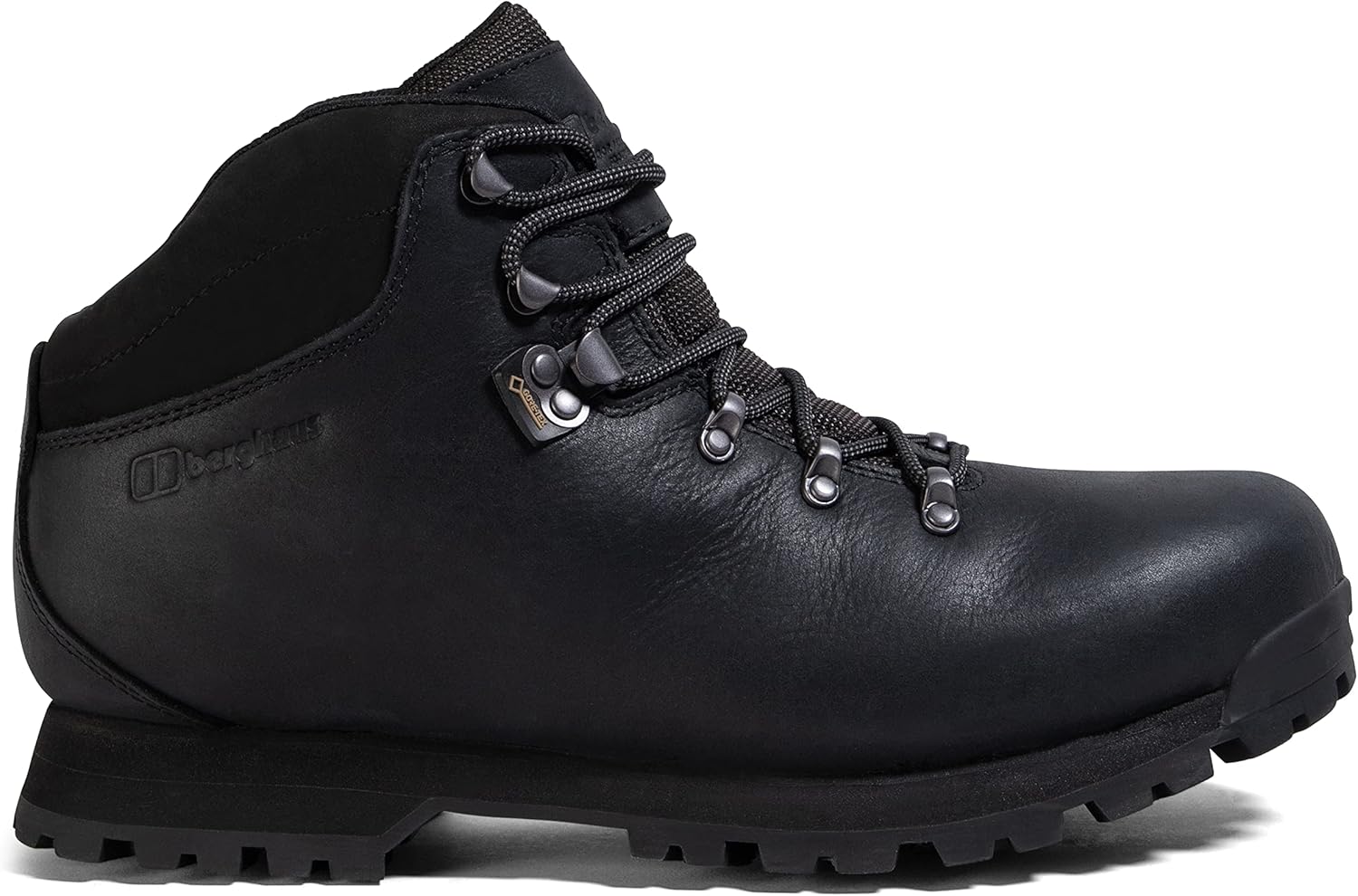
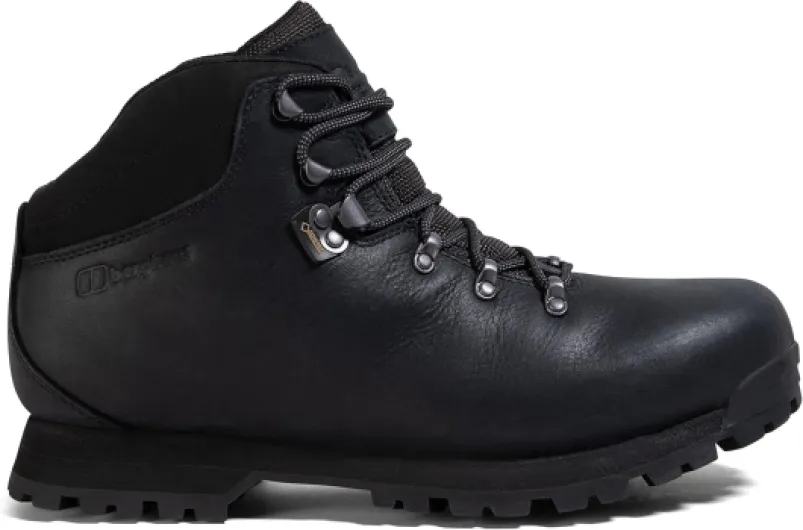
Design-wise, the Hillwalker II is quite traditional. It’s an ankle-high leather hiking boot with a round toe and a flat-ish heel. No modern trainer-style shape, no aggressive styling. In black, it looks pretty low-key – you can get away with wearing it to the pub after a walk without looking like you’re about to climb Everest. The “antique” suede finish they mention is more of a slightly distressed leather look; it will pick up scuffs, but that’s kind of the point. After a few walks mine already look used, in a good way.
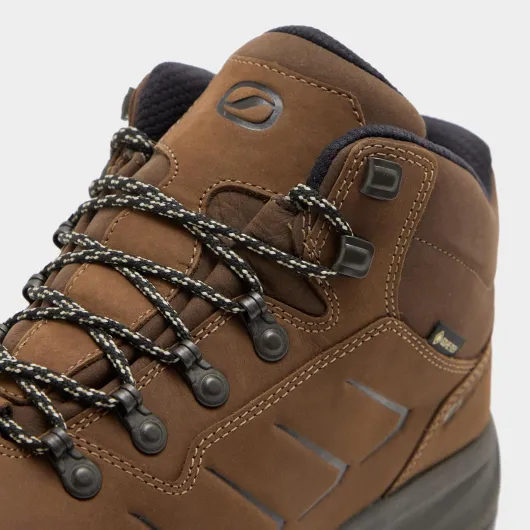
The lacing system is simple but works. You’ve got standard eyelets along the bottom and open hooks at the top, so you can tighten the ankle separately. I found I could dial in the fit easily: tighter for steeper terrain, looser for flat walks. The tongue is padded with memory foam and doesn’t cut into the front of the ankle, which is something that annoyed me on a previous pair of boots. The collar has enough padding to feel secure without feeling like a ski boot.
One design choice I like is the fairly straight, normal-width fit. It’s not super narrow like some Italian boots, but it’s not a wide-fit model either. My feet are average width and it felt right. If you’ve got very wide feet, you might find it snug across the forefoot, especially with thick socks. The toe box has enough room for my toes to wiggle slightly, which helps on long descents when your feet swell a bit.
On the downside, the look is a bit boring if you like more modern, sporty designs. It’s very much “classic leather boot”, and the black colour doesn’t hide dried mud that well – it shows as grey patches until you clean them. Also, because the leather is relatively smooth, it can crease quite visibly across the toe area after a few uses. Functionally this doesn’t matter, but if you’re picky about looks, be prepared for them to look “broken in” quite fast.
Comfort: good once broken in, not a trainer
Comfort-wise, I’d say these are pretty solid once you give them a few walks, but don’t expect slipper comfort straight out of the box. On my first 10 km walk, I felt a bit of rubbing on one heel and some pressure across the top of the foot when I laced them too tight. By the third outing, that had mostly gone, and now they feel like a firm but friendly boot. No hot spots, no big blisters, just that usual leather boot feeling that they’re supporting your foot properly.
The cushioning from the EVA midsole and OrthoLite insole is decent. I did a 20 km mixed-terrain hike (tarmac, fields, rocky tracks), and by the end my feet were tired but not wrecked. The shock absorption is noticeably better than on my old cheap boots – I don’t get that jarring feeling in my knees on hard downhill sections. If you’re used to trail runners, they’ll feel heavier and stiffer, but that’s just the trade-off with proper ankle support and a chunky sole.
Breathability is okay for a Gore-Tex leather boot. On a cool, wet day my feet stayed comfortable. On a warmer, muggy day, they did feel a bit warm and slightly sweaty by the end, but not swampy. This is normal for waterproof boots; if you run very hot or mostly walk in summer, you might prefer a non-Gore-Tex shoe. For autumn and winter, though, the balance feels right to me.
If I’m being picky, the arch support in the stock insole is a bit average. It’s fine for most people, but if you have high arches or specific foot issues, you’ll probably want to drop in your own insoles. Also, they’re not the kind of boots you forget you’re wearing – you always know you’ve got boots on. For me, that’s acceptable for the protection and support they give, but if you want that almost barefoot feeling, these are not it.
Materials: leather, Gore-Tex and a grippy sole
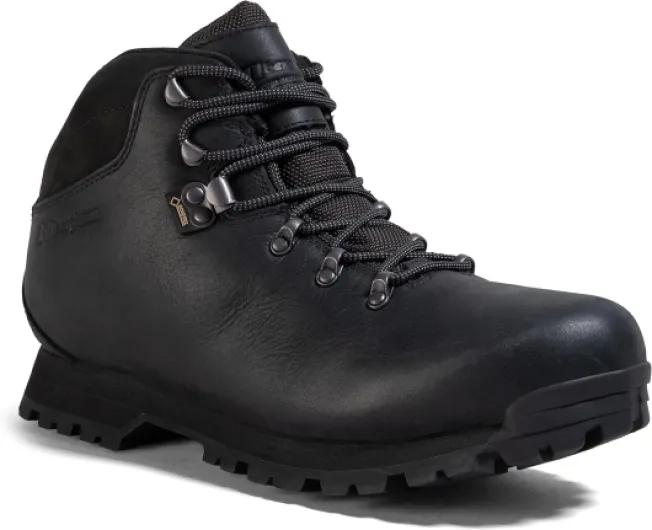
The upper is mainly oiled suede / leather, which feels softer and more flexible than really stiff full-grain leather boots. Out of the box, the leather has a slightly waxy feel, and water beads on it a bit even before adding any extra treatment. It’s not super thick, but it doesn’t feel cheap or plasticky. The inner lining is fabric over a Gore-Tex membrane, and the insole is foam (OrthoLite) which you can pull out if you want to swap it for your own orthotics.
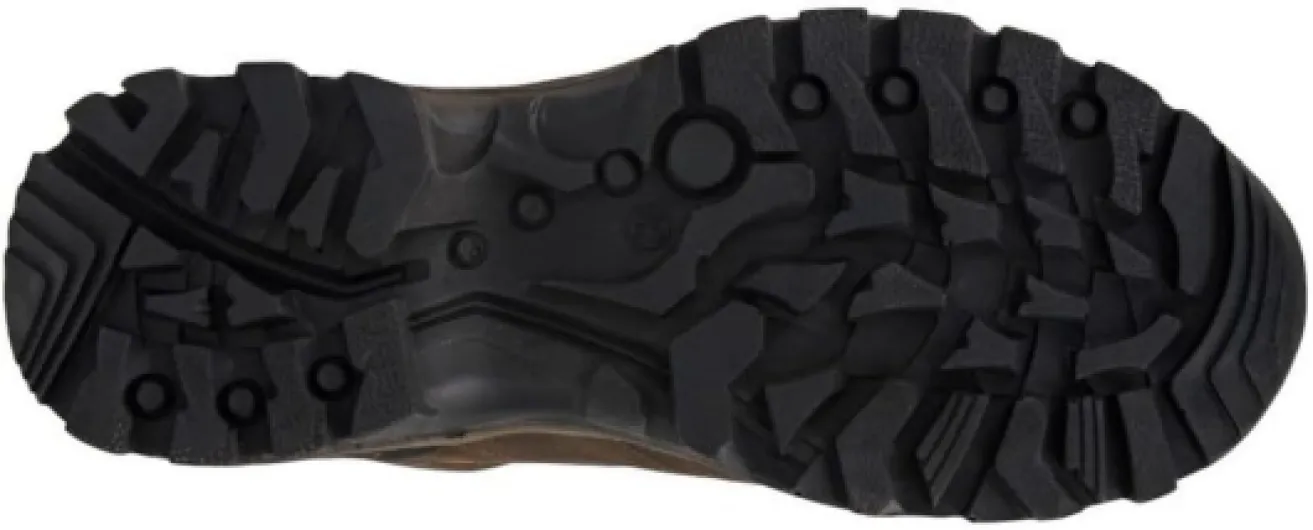
The sole is rubber with Berghaus’s OPTI-STUD pattern. In practice, that means quite chunky lugs with decent spacing, so mud doesn’t cake up too badly. On wet rock and roots, grip has been pretty solid for me. I tested them on a wet stone stile and some greasy wooden steps – not exactly scientific, but they felt secure enough that I didn’t baby my steps. You can still slip if you step on wet green algae or polished rock, but that’s normal.
Inside, the memory foam around the heel and tongue is actually noticeable. When you first put them on, there’s a bit of a “hug” around the ankle, and after a couple of walks it moulds slightly to your shape. It’s not life-changing, but it does help with heel hold and reduces rubbing. The rest of the lining is basic fabric – comfortable enough, but nothing fancy.
My only minor concern with the materials is long-term durability of the suede-style leather and the stitching around the flex points. After a few wet/dry cycles and some mud, you can see the leather starting to crease and mark. That’s normal for this type of finish, but if you’re lazy with cleaning and conditioning, they could dry out quicker than a really thick, smooth leather boot. Also, because they’re made in Vietnam, some people might worry about quality, but on my pair the build looks tidy with no obvious weak points yet.
Durability: early signs and realistic expectations
I haven’t had these boots for years obviously, but after a few weeks of regular use in wet and muddy conditions, I can at least comment on the early durability signs. The stitching is holding up fine, no loose threads, and the sole is still firmly attached with no peeling at the edges. The leather has picked up creases where the foot bends, which is normal, and a few scuffs from rocks and gates, but nothing worrying.
The oiled suede / leather finish does show marks fairly quickly. If you drag your toe over a rock or catch it on something, you’ll see a lighter scuff. A quick brush and a bit of leather conditioner helps, but don’t buy these if you want them to look pristine for long. They’re clearly meant to be used, not kept polished on a shelf. That said, the leather doesn’t feel fragile – it’s just cosmetic wear.
The outsole rubber still looks good. The lugs haven’t rounded off yet, even after some road walking and rocky trails. The midsole hasn’t compressed noticeably either. I’d expect the sole to outlast the upper if anything, as is often the case. The metal eyelets and hooks feel solid; I don’t feel like they’re going to bend or snap easily when I pull the laces tight.
Realistically, if you use these regularly for weekend hikes and dog walks, look after the leather a bit (clean off mud, occasional proofing), I’d expect a few good years out of them. There are tougher, heavier boots out there if you’re doing really rough stuff all the time, but for typical UK hiking they seem up to the job. Just go in knowing they’ll age and show wear, rather than staying neat and shiny.
Performance: waterproofing and grip in real UK weather
In terms of performance, the two big points for me were waterproofing and grip, and the Hillwalker II has done well on both so far. I’ve had them in steady rain for a couple of hours, walked through long wet grass, and stomped through plenty of puddles that came up to just below the laces. So far, zero water has come in. Socks stayed dry, and I didn’t get that damp, clammy feeling you sometimes get when boots start to fail at the flex points.
The Gore-Tex membrane seems to be doing its job. After a wet walk, the outside of the boot can be soaked, but inside still feels dry. Obviously, long-term waterproofing is something you only really judge after a year or more, but out of the gate, it’s solid. I’d still recommend occasional cleaning and reproofing of the leather, just to help the outer shed water and stop it wetting out too quickly.
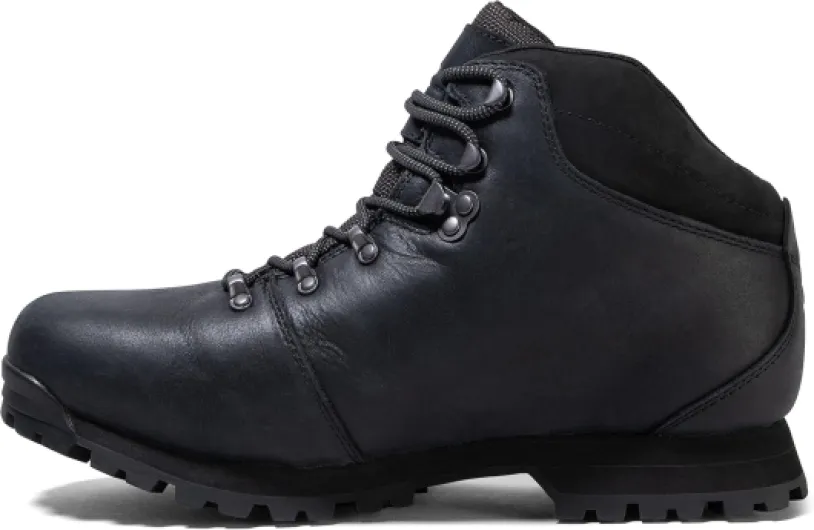
Grip-wise, the OPTI-STUD sole has been good in the conditions I’ve tried: muddy fields, wet rocks, damp leaf litter, and compact gravel. It bites into softer ground quite well, and the spacing between the lugs means mud doesn’t stick too badly – a few stomps and most of it comes off. On wet rock, I felt confident enough to move at a normal pace without tiptoeing. You still need to be sensible, but you’re not skating around like on smooth-soled boots.
On the downside, they’re not particularly agile. If you’re used to light hiking shoes, you’ll notice the extra weight and stiffness, especially on longer days. For me, they strike a decent balance between support and mobility, but I wouldn’t pick them for fast hiking or running-style movement. Also, the flat heel is stable, but if you like a pronounced heel brake for steep descents, this one is fairly modest. Overall though, for typical British hills, moors, and forest paths, the performance is more than good enough.
What you actually get out of the box
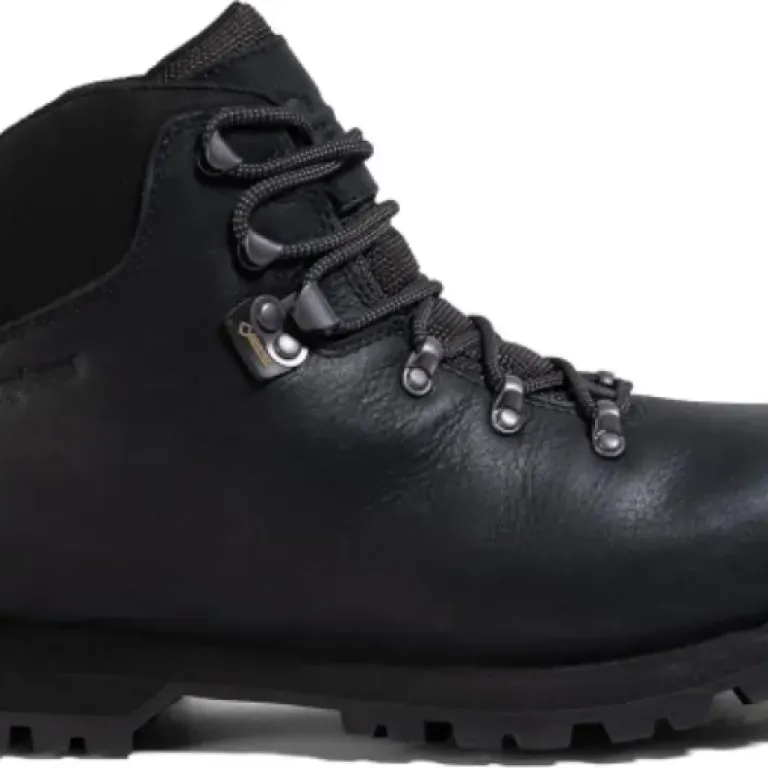
Out of the box, the Hillwalker II looks like a straightforward leather hiking boot. Nothing flashy, no bright colours, just a black leather upper with a slightly matte, oiled look. In size 8.5 UK, they feel reasonably compact, not huge clown shoes like some chunkier boots. On the scales, they’re not featherweight, but also not crazy heavy – Berghaus quotes about 1200 g for a pair of size 9, and that lines up with how they feel in hand. You know you’re holding a proper boot, but you’re not thinking “wow, that’s a brick”.
You get standard round laces, metal eyelets and hooks, and a fairly classic ankle-height cut. The tongue is gusseted high enough to keep out splashes and shallow puddles, and the Gore-Tex lining is stitched in cleanly. No loose threads or obvious glue blobs on my pair. The insole is a removable OrthoLite one – nothing fancy to look at, but it does have a bit of bounce when you press it.
In terms of positioning, it’s clearly aimed at people who want a leather, waterproof, all-weather boot for general hiking, dog walking, and hill days. Not super technical, but more serious than a casual walking shoe. Compared to cheaper supermarket or budget-brand boots I’ve had, these feel more put together and less plasticky. Compared to premium Italian boots, they feel a bit more basic but easier on the foot from day one.
If you’re expecting loads of accessories or clever packaging, you’ll be disappointed. It’s pretty barebones: just the boots in a box, wrapped in paper. No spare laces, no care kit, no fancy booklet. Personally, I’m fine with that – I’d rather the money went into the boot itself – but if you like a premium unboxing experience, this isn’t it. It’s very much “here are your boots, go outside”.
Pros
- Gore-Tex membrane and leather upper keep feet dry in sustained rain and wet grass
- Comfortable and supportive after a short break-in, with decent cushioning for longer walks
- Good grip from the OPTI-STUD rubber sole on mud, wet paths, and mixed terrain
Cons
- A bit heavy and warm if you’re used to light trail shoes or mostly walk in dry, warm conditions
- Plain, slightly boring design that scuffs and creases visibly over time
- Arch support and stock insole are only average, some users may want aftermarket insoles
Conclusion
Editor's rating
Overall, the Berghaus Men’s Hillwalker II Gore-Tex boots are solid, no-nonsense leather hiking boots that do the basics well: they keep your feet dry, they grip nicely on typical UK terrain, and they’re comfortable enough once you’ve given them a short break-in period. They feel like a good match for British autumn and winter – mud, rain, wet grass, and the odd rocky path. They’re not flashy, and they don’t try to be ultra-technical; they just get on with the job.
They’re best suited to people who walk regularly in bad weather: weekend hillwalkers, dog owners who are out twice a day, and anyone who wants one pair of boots to handle most conditions. If you like a traditional leather boot feel with a bit of modern comfort (memory foam, Gore-Tex, cushioned midsole), they’ll probably hit the right spot. If you’re coming from trainers or trail runners, expect a bit of extra weight and stiffness, but you gain support and protection in return.
If you’re an occasional fair-weather walker, or you mainly hike in hot climates, these are probably more boot than you need and might feel too warm and heavy. Also, if you want something very stylish or modern-looking, the plain black leather design might feel a bit dull. But if your priority is dry feet, decent grip, and a reliable build at a reasonable mid-range price, they’re a sensible choice. Not perfect, not cheap, but pretty reliable workhorse boots for everyday hiking.