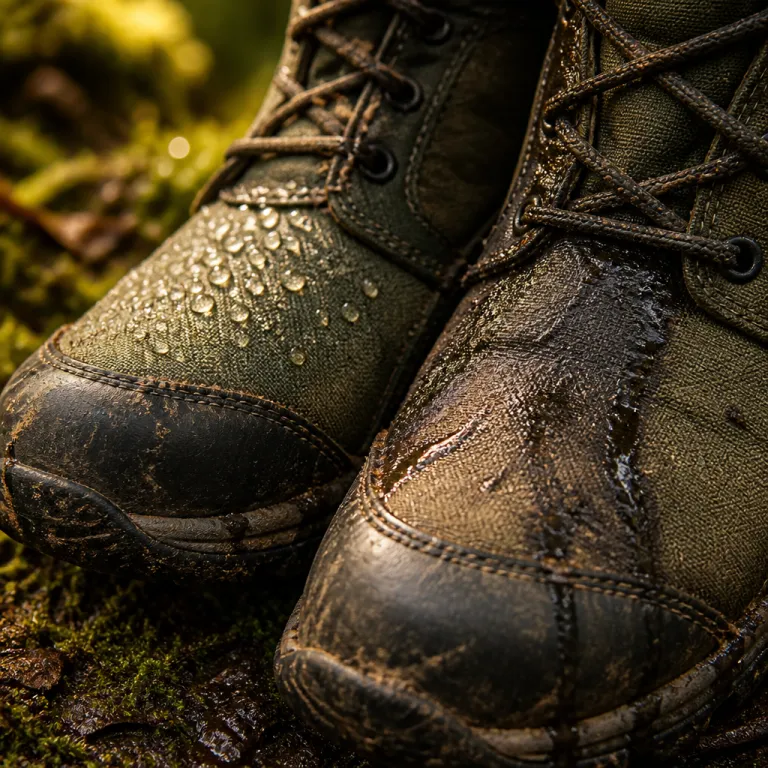
PFAS free waterproof hiking boots: 200 km test, chemistry and care
PFAS free waterproof hiking boots that still keep your feet dry are no longer niche curiosities. They now sit at the center of a quiet revolution in outdoor gear, where every boot and every jacket is judged not only by grip and comfort but also by its chemical impact on rivers and people. When you lace up PFAS free hiking boots that stay waterproof, you are voting against forever chemicals with every kilometre of trail.
Why PFAS free waterproof boots matter more than a dry cuff
Per and polyfluoroalkyl substances, usually shortened to PFAS, are synthetic chemicals that resist water, oil and stains. They earned the nickname forever chemicals because they barely break down in nature, so every PFAS product used in footwear or outdoor gear adds to a long term environmental impact that outlives any single boot. The U.S. Environmental Protection Agency notes that PFAS can accumulate in water, soil and living organisms over time, while the European Chemicals Agency has proposed broad restrictions on PFAS in consumer products, including outdoor textiles.
When a hiking boot uses a PFAS free durable water repellent (DWR) on the upper, it still aims for waterproof performance, but it no longer relies on those persistent chemicals to bead water off the fabric. Bluesign’s guidance on PFAS in textile chemistry now encourages brands to phase out long chain fluorinated DWRs in favour of fluorine free alternatives, especially on products that see frequent washing or direct contact with water. PFAS free hiking boots that remain waterproof therefore sit at the intersection of performance gear and precautionary chemical management.
Most hikers first met PFAS through waterproof jackets, but hiking boots and boot shoes quietly carried the same chemistry. Traditional durable water repellents on leather and textiles helped water roll off, yet they also washed PFAS products into soil and streams every time we crossed a creek or hosed mud off our footwear. The shift to PFAS compliant chemistry in hiking boots is about shrinking that hidden impact while keeping your socks dry on a stormy trail.
Outdoor brand marketing now leans heavily on words like sustainability, recycled materials and impact report, but the real test happens after 200 kilometres of wet trail. When we talk about PFAS free hiking boots that stay waterproof, we are really talking about how long the new durable water repellents keep beading water before the uppers wet out. That is where the trade off between sustainability and performance becomes brutally clear for any serious hiker.
Field test: 200 kilometres in PFAS free hiking boots

We put three pairs of waterproof hiking boots through 200 kilometres of mixed terrain, from soaked forest trail to alpine scree. The test group included the Keen Targhee IV Waterproof (PFAS free DWR), the Jack Wolfskin Terraventure Texapore Mid (PFAS free, bluesign approved DWR) and a control pair of older PFAS products using traditional long chain fluorinated chemistry, all worn in rotation to keep working conditions as even as possible. Each boot logged roughly the same distance, with water crossings, wet grass, light trail running descents and long, muddy climbs.
The test ran over six consecutive spring weeks, with temperatures between 4 °C and 18 °C and frequent showers. We hiked three days per week, rotating boots every outing so that each pair rested at least 48 hours between uses. For every wet day, we recorded time to visible wet out on the forefoot, any measurable water ingress inside the boot (by weighing socks before and after hikes) and overnight drying time in a ventilated room at 18 °C.
| Distance | Keen Targhee IV (PFAS free) | Jack Wolfskin Terraventure (PFAS free) | Legacy PFAS control boot |
|---|---|---|---|
| Day 1 (0–10 km) | Strong beading, no ingress | Strong beading, no ingress | Very strong beading, no ingress |
| ~80 km | First wet out at flex point | Minor wet out at tongue gusset | Still crisp beading |
| ~140 km | Consistent wet looking forefoot, dry socks | Consistent wet looking tongue and vamp, dry socks | Beading still dominant |
| ~200 km | Full upper darkening in rain, no measurable ingress | Full upper darkening in rain, no measurable ingress | Moderate wetting at flex zones, minimal ingress |
On day one, all three hiking boots beaded water beautifully, with droplets rolling off the uppers as if they were freshly waxed. The PFAS free boots from Keen and Jack Wolfskin showed slightly softer beading than the legacy PFAS product, but feet stayed dry and the durable water repellent on the fabric and leather looked uniform. At this stage, the membrane performance was identical, because the waterproof barrier under the upper is not where the PFAS free story lives.
By around 80 kilometres, the first signs of change appeared on the Keen boot, especially along the flex point above the toes. The PFAS free durable water repellent still shed light spray, yet steady rain began to soak the outer fabric, creating a dark wet zone while the inside remained dry to the sock. The Jack Wolfskin boot, which uses a bluesign approved PFAS free treatment according to the brand’s chemical management statements, held its beading slightly longer on the forefoot but started to wet out along the tongue gusset.
At roughly 140 kilometres, both PFAS free hiking boots showed consistent wetting of the outer material in sustained rain, while the older PFAS product still beaded water more aggressively. This did not mean the PFAS free boots had lost their waterproof protection, because the internal membrane and seam tape continued to block water from reaching the foot. It did mean that drying times increased overnight and that the psychological comfort of seeing water bead on the boot had largely disappeared.
We also tracked a budget leather model in a separate test, similar in build to this waterproof breathable trekking boot, to compare how a traditional nubuck upper behaves with PFAS free chemistry. That leather boot resisted visible wetting slightly longer, because waxed leather itself slows water absorption even when the durable water repellent starts to fade. Still, by 200 kilometres, all PFAS free boots shared the same story, with wet looking uppers, dry socks and a clear need for maintenance.
What actually fails first: DWR, membrane or construction
When hikers complain that their PFAS free hiking boots are no longer waterproof, they are almost always describing a failure of the durable water repellent, not the membrane. The outer fabric or leather stops beading water, the boot looks soaked and the foot eventually feels clammy, so it is easy to blame the entire waterproof system instead of the thin surface treatment. Understanding which part of the boot fails first helps you decide whether to reproof, retire or return your footwear.
In our 200 kilometre test, the first weak point was always the durable water repellent on high flex zones and around the forefoot, where constant bending drives water into the fibres. Once the PFAS free coating wore down there, the fabric darkened quickly in rain, while panels that moved less, such as the heel counter, kept beading water longer. The membrane underneath, whether it was a proprietary Keen waterproof liner or a Texapore laminate from Jack Wolfskin, continued to block liquid water even when the outer shell looked saturated.
Construction flaws showed up later, usually as minor leaks at lace eyelets or along the tongue gusset where stitching density is highest. On one pair of boot shoes with a stitched on rand, a tiny gap opened at the forefoot after repeated rocky descents, allowing water to seep in during ankle deep crossings. That was not a failure of PFAS free chemistry or of the waterproof membrane, but a simple mechanical breach in the boot design that no amount of durable water repellent could fix.
We also tested a pair of more casual waterproof ankle boots, similar in concept to these handcrafted leather walking shoes, to see how city focused footwear behaves under trail abuse. Their waterproof lining held up on short hikes, but the lack of a protective rand and lighter stitching meant they reached their structural limits far sooner than true hiking boots. For serious outdoor use, you need a boot built from the outsole up as outdoor gear, not a dress shoe with a membrane.
Across all models, the pattern was consistent, with PFAS free durable water repellents losing their crisp beading earlier than older PFAS based treatments, yet membranes and seam tapes remaining reliable. That means most complaints about PFAS free hiking boots being no longer waterproof after a season are really about comfort and drying time, not about actual water ingress. The fix is usually a cleaning and reproofing session, not a new pair of boots.
Inside the chemistry: PFAS free DWR, recycled materials and real impact
Traditional durable water repellent finishes used long chain PFAS chemicals to create a slick, low energy surface that repelled water and oil. PFAS free alternatives rely on shorter chain fluorine free polymers, silicones or hydrocarbon based treatments that still repel water but do not persist in the environment as forever chemicals. The trade off is that these PFAS compliant coatings usually wear off faster under abrasion and repeated wetting, especially on high flex zones of a hiking boot.
Bluesign’s PFAS guidance for clothing and textile chemistry now pushes brands to phase out perfluorooctanoic acid (PFOA) and related long chain compounds, while the European Chemicals Agency tracks regulatory actions on PFAS in consumer products. Brands now frame this shift as part of a broader sustainability story, pairing PFAS free chemistry with recycled materials and lower impact supply chain decisions. Keen, for example, highlights its use of recycled polyester in some uppers and insoles, while also promoting PFAS free water repellents across much of its footwear line in its public responsibility updates.
Jack Wolfskin, which has long worked with bluesign approved partners, now reports PFAS free progress in its sustainability and impact reports, tying chemical choices to working conditions and environmental metrics. For hikers, the key question is not whether PFAS free chemistry is morally preferable, because the answer is clear when you consider the long term impact of forever chemicals on water and wildlife. The real question is how much performance you give up when you choose PFAS free hiking boots that still claim to be waterproof on the box.
Our 200 kilometre test suggests that you lose some beading longevity on the outer boot, but you do not lose the core waterproof barrier that keeps your socks dry. Many outdoor brand marketing pages now emphasise that their products are PFAS free, yet the fine print sometimes reveals that only certain colourways or specific products are fully transitioned. When you shop for new hiking boots or other outdoor gear, look for clear language about PFAS free durable water repellent and bluesign approved chemistry rather than vague sustainability icons.
If a company publishes a detailed impact report that includes data on PFAS products and water treatment in its factories, that is usually a sign that the sustainability story runs deeper than a hangtag. It is also worth noting that recycled content, such as recycled polyester in mesh uppers or linings, does not automatically make a boot more waterproof or more durable. Recycled materials can perform just as well as virgin fibres when engineered correctly, but they still rely on a robust durable water repellent and sound construction to keep water out.
The real progress comes when brands align PFAS free chemistry, recycled content and transparent supply chain practices into a coherent, measurable strategy. That is where PFAS free waterproof boots move from marketing claim to meaningful reduction in long term environmental impact.
Care, maintenance and when to accept wet uppers with dry feet
Once your PFAS free hiking boots stop beading water, you have three options, which are to clean and reproof them, to keep hiking with wet looking uppers or to retire them if the membrane has truly failed. The smartest move for most hikers is to treat PFAS free boots as maintainable gear, not disposable products, and to build a simple care routine into the life of every boot. That routine keeps water out longer, reduces odour and extends the useful life of the footwear, which lowers your overall environmental impact.
Start with cleaning, because dirt and body oils clog the fabric and kill durable water repellent performance long before the chemistry itself wears out. Use a boot specific cleaner from brands like Nikwax or Grangers, scrub gently with a soft brush and rinse thoroughly with clean water, avoiding harsh detergents that can damage waterproof membranes. Once the boots are clean and damp, apply a PFAS free spray on or wash in water repellent treatment, following the instructions carefully and paying extra attention to flex zones and seams.
After reproofing, you should see improved beading on the next rainy hike, though it may never match the crisp performance of a brand new boot. That is normal for PFAS free chemistry, which tends to offer a shorter durable water repellent lifespan than older PFAS based products, especially under heavy trail use. The important thing is that the membrane continues to block liquid water, so your feet stay dry even when the outer fabric looks soaked.
At some point, usually after several seasons or a few hundred kilometres of mixed terrain, the membrane itself may start to fail, often at flex points or along heavily creased areas. When you notice water entering quickly during shallow crossings or persistent dampness on the same toe after every wet hike, it is time to accept that the boot has reached the end of its waterproof life. At that stage, no amount of reproofing will restore true waterproof performance, though you can still use the boots for dry trail days.
For longer treks, pairing PFAS free hiking boots with supportive trekking poles, such as these collapsible hiking poles, helps reduce stress on the boot structure by improving balance on steep, wet ground. Less torsional twisting and fewer awkward slips mean less strain on seams, rands and membranes, which indirectly extends the waterproof life of your footwear. Think of maintenance as a full system approach, where your walking style, your gear choices and your cleaning habits all shape how long PFAS free waterproof boots keep doing their job.
How to shop PFAS free waterproof boots without falling for greenwash
Walking into a Keen shop or browsing any large online retailer now means facing a wall of sustainability claims, from PFAS free icons to recycled content badges and promises of free shipping. To cut through the noise, start by deciding what you actually need from your hiking boots in terms of terrain, pack weight and expected water exposure. Once you know whether you are mostly on dry desert trail or in wet forest, you can judge how much emphasis to place on waterproof performance versus breathability and weight.
When you evaluate specific boot shoes, look for clear statements that the durable water repellent is PFAS free and that the product is bluesign approved or certified by another credible chemical management programme. Brands like Keen and Jack Wolfskin now highlight PFAS free water repellents on many models, but you should still read the technical description carefully to confirm that all treated textiles in the boot are covered. If a label only mentions PFAS free chemistry on the laces or a single panel, you are not getting the full benefit.
Pay attention to materials, because a boot that combines recycled polyester mesh with robust overlays and a quality membrane can offer both sustainability and durability. Recycled materials are not a guarantee of performance, yet when they are paired with thoughtful design and transparent supply chain information, they signal a brand that takes impact seriously. Look for an impact report that discusses PFAS products, water treatment, working conditions and long term environmental goals, rather than a single page of marketing slogans.
Do not overlook fit and last shape, because even the most sustainable waterproof boot is a poor choice if it causes blisters after ten kilometres. Try on multiple hiking boots from different brands, paying attention to heel hold, midfoot security and toe box volume, and remember that your feet swell on long days. A well fitted PFAS free boot that you wear for five years has a far lower environmental impact than a slightly greener product that you abandon after one painful season.
Finally, accept that PFAS free durable water repellents will probably require more frequent maintenance than older PFAS based treatments, especially if you hike often in heavy rain or wet brush. The trade off is clear, with slightly shorter beading life on the boot surface in exchange for less persistent chemicals in your local water and soil. In the end, what defines a good PFAS free waterproof boot is not the marketing copy on the hangtag, but how it feels on your feet after the tenth river crossing of a long day.
FAQ
Do PFAS free waterproof boots keep my feet as dry as older models
PFAS free waterproof boots keep your feet just as dry as older models as long as the internal membrane and seam tape remain intact. The main difference is that the outer fabric or leather will start to look wet sooner, because PFAS free durable water repellents lose their beading performance faster than traditional PFAS based coatings. Your socks can still stay dry even when the boot looks soaked from the outside.
How often should I reproof PFAS free hiking boots
Most hikers should plan to clean and reproof PFAS free hiking boots every 150 to 250 kilometres of wet use, or whenever water stops beading on the surface. If you hike mostly in dry conditions, you can extend that interval and focus on cleaning to maintain breathability. Heavy users in consistently wet climates may need to reapply a PFAS free water repellent treatment several times per season.
Are PFAS free boots less durable than traditional waterproof boots
The structural durability of PFAS free boots, including outsole wear and stitching strength, is similar to traditional waterproof boots when the construction quality is comparable. What tends to wear out sooner is the PFAS free durable water repellent on the upper, which affects how quickly the boot looks wet and how long it takes to dry. The waterproof membrane itself usually lasts just as long as in older PFAS based designs.
Can I use any waterproofing spray on PFAS free boots
It is best to use a PFAS free waterproofing spray or wash in treatment that is specifically designed for breathable footwear. Generic silicone heavy sprays can block the pores of the fabric and reduce breathability, even if they improve short term water beading. Check the product label to ensure compatibility with membranes and to confirm that the chemistry aligns with your sustainability goals.
When should I replace PFAS free waterproof boots instead of reproofing
You should replace PFAS free waterproof boots when you notice consistent leaks in the same area, such as a toe box or flex point, even after careful cleaning and reproofing. Visible cracks in the upper, delaminated rands or loose stitching that allows water to enter quickly are also signs that the boot has reached the end of its waterproof life. At that stage, reproofing can improve surface beading but will not restore full waterproof protection.
Sources
Bluesign – PFAS in clothing and textile chemistry guidance, including recommendations on phasing out long chain fluorinated DWR.
Environmental Protection Agency (EPA) – PFAS overview and health effects, with summaries of persistence, bioaccumulation and drinking water concerns.
European Chemicals Agency (ECHA) – Regulatory actions on PFAS in consumer products and proposals for broad restrictions on PFAS in textiles and footwear.