Colorado bear fine camping: how the new law hits every campsite
Colorado bear fine camping rules just changed the risk calculus for every hiker who sleeps in a tent near timberline. Under House Bill 26-1342, the standard for penalties dropped from acting intentionally to acting knowingly, which means people who ignore clear food storage rules at any campground in Colorado will now face a minimum 1 000 dollar fine on the first offense with no warning. For outdoor enthusiasts used to casual weekend camping in the forest, that shift turns sloppy habits with food and trash cans into expensive mistakes that also cost black bears their lives.
Colorado Parks and Wildlife data show a steep rise in human wildlife bear conflicts, and rangers link more than half of those incidents to unsecured food garbage and household trash that attract bears from surrounding forest edges into towns and trailheads. Over the past two seasons, 176 bears were euthanized in Colorado, while reported conflicts climbed by more than forty percent, a trend that now shapes how campers visiting the state must think about wildlife safety, campsite layout, and even which tents they buy for trips that mix car camping with backcountry nights. The new law gives Colorado Parks officers authority to ticket people who skip content on posted signs about keeping bears away from campsites, so a black bear wandering through a campground in June, March, or November is no longer just a wildlife sighting but a potential legal and financial event.
For hikers who treat camping as an extension of living outdoors, the practical impact is immediate at every developed campground with metal bear boxes, food storage cables, or posted rules about trash cans and food. A ranger can now write a citation if people leave coolers, stoves, or food bags outside tents in areas where Colorado Parks and Wildlife has clearly marked black bear activity, even when no bear encounter actually happens that night. That means Colorado bear fine camping enforcement will feel very real this summer for campers visiting popular trailheads near Estes Park, Durango, and the I 70 corridor, where wildlife bear incidents already push black bears into conflict with people who simply failed to lock a latch.
What counts as proper food storage from front country to forest edge
On the ground, Colorado bear fine camping enforcement hinges on what officers consider reasonable steps to keep food and scented items away from bears. In front country campgrounds managed by Colorado Parks and Wildlife, proper storage usually means using the provided bear box, locking hard sided coolers inside vehicles, and never leaving food garbage or cooking gear unattended where a black bear can find food by smell alone. If a ranger walks through at night in June or November and sees open trash cans, food on picnic tables, or people cooking right next to their tents without cleaning up, that will now qualify as knowingly attracting bears under the new statute.
In more remote forest sites without infrastructure, safer wildlife practices depend on classic backcountry systems that many weekend campers still skip. Where no bear box exists, hikers should hang a bear bag at least four metres off the ground and two metres from the nearest trunk, or use an approved bear canister placed fifty to seventy metres downwind from tents, which dramatically reduces the chance that black bears or other bear species will associate human living spaces with easy calories. Colorado Parks guidance stresses that keeping bears from learning these patterns is the single best way to protect wildlife, and that every careless camper who lets a bear find food at their site increases the odds that officers will later have to kill that animal.
For hikers planning shoulder season trips around Durango, where high elevation trails reopen in early May after winter wildlife closures, the new law intersects directly with route choice and campsite selection, and detailed planning resources for Durango trails reopening at 7 500 feet now sit alongside bear safety checklists. In mixed forest and alpine terrain, people should store all food, trash, toiletries, and even flavored drink mixes as if a black bear is already working the drainage, because in many Colorado basins that assumption is accurate from March through late autumn. Carrying bear spray on popular routes near campgrounds will not replace proper storage, but it adds a last line of defense during a surprise bear encounter on the hike back from a water source at dusk.
Boots, backcountry camps, and the new cost of sloppy habits
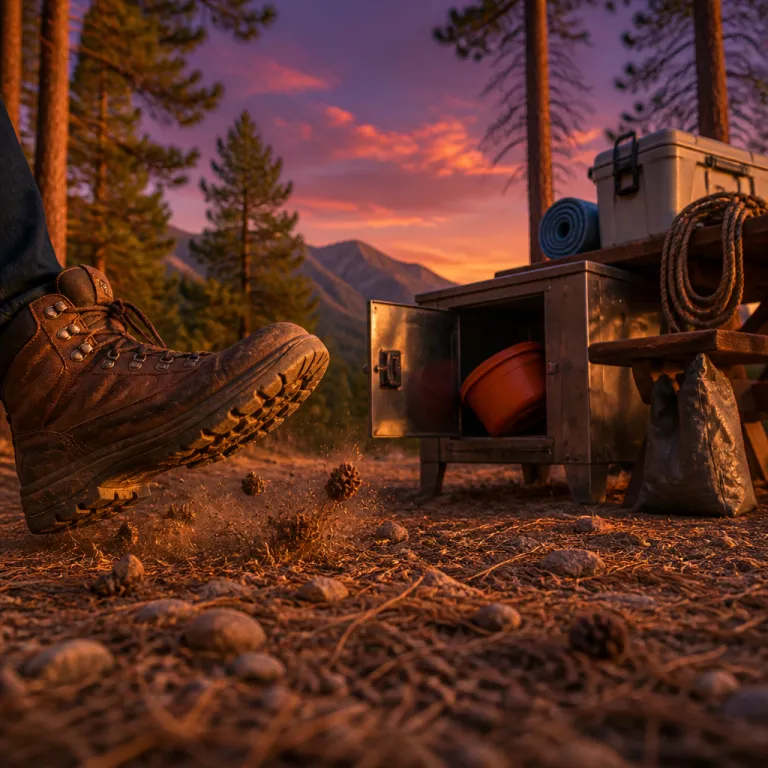
For experienced hikers and mountaineers, Colorado bear fine camping rules now shape not only how they hang a bear bag but also how they move through camp in the dark wearing heavy boots. A typical weekend itinerary might link a drive up a forest road, a night at a developed campground, and then a push to a high basin where tents sit on rock platforms above treeline, and at every stage the law expects people to act as if black bears and other bear species are present even when they see none. That expectation extends to how campers visiting from out of state manage food garbage in parking lots, how they pack out trash instead of stuffing it into overflowing cans, and how they respond when a wildlife bear crosses the trail at close range.
For those planning long weekends around Memorial Day in the Rockies, when many trails remain patchy with snow, route beta about which trails are actually dry and which are still snowfields now sits beside checklists for bear spray, odor proof bags, and hard sided canisters. Hikers who lace up stiff leather boots for early season snow crossings often focus on traction and waterproofing, yet the more pressing safety issue in many valleys is whether their group will attract bears by cooking too close to sleeping areas or by leaving snack wrappers in jacket pockets inside the tent. Colorado Parks and Wildlife officers emphasize that keeping bears from associating people with food is the only path to safer wildlife corridors, because once a black bear learns to raid campsites it rarely unlearns that behavior.
Even on heavily managed routes where rangers patrol daily, such as high demand destinations that now manage access with staged permit systems similar to those used for Katmai’s Brooks Camp, hikers must treat every posted rule as a legal requirement rather than a suggestion, and planning advice for complex bear country permit systems translates cleanly to Colorado. The new fines mean that people who once treated wildlife safety briefings as optional skip content at their own financial peril, because a single careless night with open coolers can now cost more than a full kit of premium boots, tents, and technical layers. In the end, the real test for Colorado bear fine camping this summer will not be the wording of HB 26-1342 but whether hikers change daily habits enough that black bears stop finding food where people sleep.