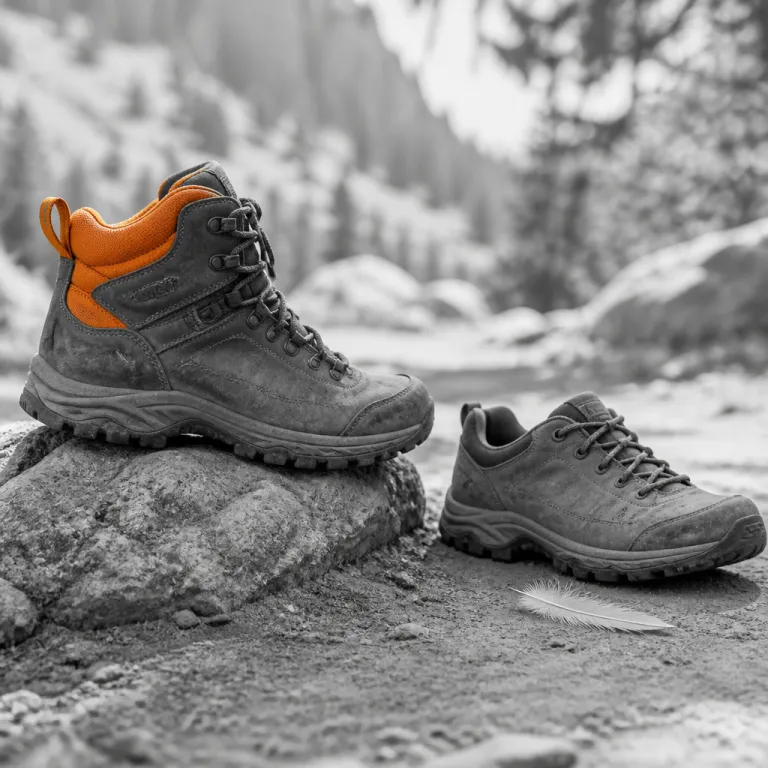
Mid cut vs low cut hiking boots: what ankle height really does
Ask any outfitter about mid cut vs low cut hiking boots and you will hear the same anxious question about ankles. Many hikers arrive convinced that a higher boot automatically means better ankle support, more stability on rough terrain, and fewer twisted feet on steep descents. The reality is more nuanced, and understanding how different hiking footwear interacts with your body matters more than chasing the single best boot on the wall.
Research on ankle injuries in hiking and trail running suggests that cuff height alone does not significantly reduce sprain rates for most healthy hikers. Prospective studies on trail runners and randomized trials in military recruits, for example, have found similar ankle sprain incidence in low shoes and higher cut boots when conditioning and terrain are comparable (e.g., Milgrom et al., 1991; Beynnon et al., 2001). Low cut hiking shoes, trail runners, and even some running shoes rely on your muscles, tendons, and proprioception to keep your ankle joint aligned on rugged terrain. A mid cut hiking boot adds structure around the ankle, but that structure mainly stabilizes the boot itself on uneven ground rather than locking your ankle in a rigid cage.
Think of mid cut boots as a platform for stiffer soles, thicker leather or synthetic uppers, and more protective hiking boots overall. That extra material increases weight, which you feel with every step on long day hikes or multi day routes. Low footwear trims grams and often feels more lightweight and agile, which can translate into better balance and fewer stumbles when your feet are tired late in the day.
On maintained trails with predictable terrain, low cut hiking shoes or trail runners usually feel more natural and less fatiguing. When you move into broken rock, talus, or off trail sidehilling, a mid cut hiking boot can keep the boot from folding or collapsing under lateral loads. The key is matching boot height, sole stiffness, and overall support to your pack weight, your ankle history, and the specific terrain you actually hike.

The ankle support myth and what mid cut boots really offer
The most persistent myth in hiking footwear is that a mid cut boot will save your ankle from every bad step. In practice, ankle support comes from strong muscles, good balance, and a stable platform under your feet, not just from high cut collars or aggressive lacing. Many experienced hikers move confidently over rugged terrain in low shoes because their ankles are trained, not because their boots are tall.
When you compare mid cut vs low cut hiking boots on a rocky trail, the mid cut design mainly keeps debris out and stabilizes the boot upper. The cuff helps hold the tongue in place, reduces the gap where gravel and sand sneak in, and gives a more secure feel when edging on rock or crossing angled roots. That psychological confidence can matter, especially for newer hikers who tense up when the trail tilts or when a boot rolls slightly under a heavy pack.
Low cut hiking shoes and trail runners, by contrast, leave the ankle free to move and to feel the ground. That freedom improves proprioception, which is your body’s ability to sense joint position and react quickly when a foot lands awkwardly. Many ultralight hikers argue that this natural movement, combined with lower weight on each boot, offers better real world ankle support than a stiff high cut collar that dulls feedback.
There are times when extra height helps, especially for hikers recovering from ankle injuries or carrying very high loads. A supportive mid cut hiking boot with a firm heel counter and a well designed lacing system can limit extreme inversion or eversion when you misstep in a boulder field. For truly unstable joints or technical mountaineering, though, you move into high cut boots and even brace systems, which is a different category than standard cut hiking footwear reviewed for typical backpacking trips.
Material choices also influence how much functional support you feel from any boot. A full leather upper in a mid cut boot resists stretching and keeps the ankle area snug, while a mesh heavy low cut shoe flexes more and conforms to your foot shape. Some waterproof models use Gore Tex laminates and dense foams that stiffen the ankle zone, but that construction can trap heat and slow the break in period compared with non membrane hiking shoes.
For wet, muddy, or snow patched routes, a waterproof mid cut boot can delay water entry and keep grit from grinding your skin. On hot, dry day hikes, a breathable low cut shoe or even trail running footwear often keeps your feet cooler and less blister prone. Matching cuff height to climate, not just to fear of ankle sprains, is one of the quiet skills that separates the best hiking boot choices from the rest.
Some hikers experiment with unconventional options like amphibious hiking boots or approach shoes for rugged mountain performance when they expect constant water and slick rock. Field reports on why serious hikers are turning to fisherman style boots for rugged mountain performance show how alternative designs can trade traditional ankle support for grip, drainage, and durability in specific environments. The lesson carries over to standard hiking boots and shoes, where function and terrain should always drive your choice of cut height.

Weight penalty, fatigue, and the real cost of extra height
Every gram on your feet costs more energy than the same gram on your back. When you compare mid cut vs low cut hiking boots from the same product line, the mid cut version usually adds around 90 to 140 grams per pair, which is roughly 3 to 5 ounces according to typical manufacturer specifications. Over a long day of hiking, that extra weight multiplies into thousands of additional foot lifts and a subtle but real increase in fatigue.
Take a popular example like the Merrell Moab series, which comes in both low cut hiking shoes and mid cut boots with Gore Tex options. According to Merrell’s published weights, a men’s Moab low shoe typically weighs around 900 to 1000 grams per pair, while the mid cut boot version can add roughly 200 to 300 grams depending on size and membrane. The low shoe feels almost like running shoes on trail, with a flexible forefoot and a relatively lightweight build that encourages a quick stride. The mid cut boot version adds a taller collar, more foam, and sometimes a waterproof membrane, which increases stability and protection but also makes each step feel more deliberate and less nimble.
On easy day hikes under about 15 kilometers with a light pack, that extra weight rarely buys you much. Low cut hiking shoes or trail runners shine here, because their lighter construction lets your feet move naturally and reduces cumulative strain on your hips and knees. Many hikers report that after a proper break in period, their low footwear feels like an extension of their body, while heavier cut boots always remind them that something is strapped on.
Once you start carrying 12 to 18 kilograms on multi day trips, the calculus shifts slightly. A mid cut hiking boot with a firmer midsole and a supportive upper can keep your foot from collapsing inward under load, which preserves knee alignment and improves stability on broken terrain. In that context, the weight penalty becomes a trade you might gladly accept for better control on steep descents and sidehills.
Waterproofing compounds the weight question, especially with high GTX constructions that use thick Gore Tex booties and dense fabrics. A waterproof mid cut boot keeps puddles and shallow stream crossings at bay longer than a non membrane low shoe, but it also dries more slowly once saturated. For hikers who move between wet valleys and dry ridges, a non waterproof low cut shoe paired with quick drying socks can sometimes be the best hiking setup for managing moisture and weight together.
Fit also plays into how heavy a boot feels, not just what the scale says. A well sized low cut hiking boot or shoe that matches your foot volume and width will move with you, while an oversized high cut boot flops and feels clumsy even if the listed weight is similar. Learning how to read a boot sizing chart for precise mountain performance helps you dial in that fit so the boot disappears under you instead of fighting every stride.
For long distance hikers who count every gram, the choice often tilts toward low cut hiking shoes or trail running footwear. They accept less ankle coverage in exchange for lower weight, faster drying, and a more efficient gait over thousands of kilometers. In their experience, the best hiking boot is often the one that feels least like a boot and most like a precise, stable extension of their feet.
When low cut wins and when mid cut actually pays off
Choosing between mid cut vs low cut hiking boots starts with an honest look at your trips. If most of your hiking happens on well maintained trails, with distances under 16 kilometers and pack weight under about 9 kilograms, low cut hiking shoes or trail runners usually win. They offer enough support for that terrain while keeping your stride light, your feet cooler, and your overall fatigue lower.
Low footwear shines in warm, dry climates where breathability matters more than maximum waterproof protection. A mesh heavy low cut hiking boot or shoe lets sweat escape quickly, which reduces blister risk and keeps your skin healthier over consecutive day hikes. Pair that with a stable midsole and a grippy outsole, and you get plenty of stability without needing a high cut collar around your ankle.
Mid cut boots start to earn their keep when the terrain turns messy or the pack gets heavy. Multi day trips with 14 to 18 kilogram loads, off trail scrambles, and talus fields all reward the extra structure of a mid cut hiking boot. The taller upper locks your heel in place, gives the laces more leverage, and keeps scree, mud, and snow from pouring into the boot every time you posthole or sidehill.
Wet and muddy conditions are another clear win for mid cut hiking boots, especially waterproof models. A Gore Tex lined mid cut boot or a high GTX variant can keep water out longer when you are pushing through soaked grass, shallow creeks, or slushy spring snow. That extra height raises the waterline and buys you precious minutes before your socks get wet, which matters on cold, exposed ridges where dry feet equal safety.
Hikers recovering from ankle injuries or with known instability may also benefit from the firmer feel of a supportive mid cut boot. While the cuff will not magically prevent every sprain, it can limit extreme ranges of motion and provide a reassuring hug around the joint. Combined with targeted strength and balance training, that setup can bridge the gap between physical therapy and full return to technical hiking terrain.
Hybrid designs blur the line between low and high cut boots, offering flexible ankle cuffs that move more like shoes. Models similar in concept to the KEEN Targhee Apex or Hoka Kaha style boots use soft collars with supportive midsoles, giving some debris protection without fully restricting ankle motion. For many hikers, these cut boots represent a sweet spot between the agility of low footwear and the security of traditional high cut hiking boots.
Your load carrying system also interacts with boot choice in subtle ways. A stable backpack, whether a classic trekking pack or a streamlined alpine climbing pack, keeps weight close to your spine and reduces leverage on your ankles over demanding terrain. Pairing a well balanced pack with either low cut hiking shoes or mid cut boots often matters more for stability than simply adding another centimeter of collar height.
| Scenario | Low cut shoes / trail runners | Mid cut hiking boots |
|---|---|---|
| Short, maintained trails | Best choice: light, breathable, agile | Usable but heavier than needed |
| Heavy packs & rough terrain | Only if you have strong, stable ankles | Better heel lock and lateral support |
| Wet, muddy, or shallow snow | Dries fast but lets water in sooner | Higher collar delays water and debris |
| Hot, dry summer hiking | Cooler feet and less fatigue | More protective but warmer |
Fit, materials, and how to choose the right boot for your feet
Once you understand when mid cut vs low cut hiking boots make sense, the next step is dialing in fit and materials. No amount of ankle support or waterproof technology can fix a boot that pinches your toes, lets your heel slide, or forces your feet into an unnatural shape. The best hiking boot for you will match your foot width, arch height, and volume while still providing the level of support and stability your terrain demands.
Leather uppers, whether in low cut or mid cut boots, offer durability and a supportive feel that many backpackers appreciate. They take a longer break in period to soften and mold to your feet, but once shaped, they can feel like custom footwear on long trips. Synthetic and mesh heavy hiking shoes and boots break in faster, breathe better in hot weather, and usually come in lighter weight packages that appeal to fast moving hikers.
Waterproof membranes such as Gore Tex add another layer of decision making to your boot choice. A waterproof low cut hiking shoe can keep your feet dry through dew soaked grass and shallow puddles, but once water pours over the collar, it tends to stay trapped inside. A waterproof mid cut hiking boot raises that collar and delays the inevitable, yet it still dries more slowly than a non membrane low shoe or trail running model when fully soaked.
Outsole and midsole design influence stability as much as cuff height, especially on rugged terrain. A firm midsole with a modest rock plate under the forefoot can turn a low cut hiking shoe into a surprisingly capable tool for scree and talus. Conversely, a soft, overly flexible high cut boot may feel unstable under a heavy pack, even though the collar rises well above your ankle.
Lacing systems and heel counters also play a major role in perceived ankle support. A well designed hiking boot, whether low or mid cut, will lock your heel into the back of the boot without crushing your Achilles tendon. That locked in heel reduces friction, improves edging on rock, and keeps your foot from swimming inside the boot when you traverse steep slopes or descend loose gravel.
For many hikers, rotating between different footwear types across the season works better than chasing a single perfect pair. You might use low cut hiking shoes or trail runners for short day hikes and training, then switch to mid cut boots with more support for shoulder season trips with heavier loads. Some even keep a pair of running shoes in the car for the drive home, giving tired feet a softer, more forgiving platform after long days in stiffer hiking boots.
Whatever you choose, remember that the right boot is a system that includes socks, insoles, and your own conditioning. Cushioned, well fitting socks can change how a boot feels against your skin, while supportive insoles can fine tune arch support and forefoot pressure. In the end, the smartest choice between low cut and mid cut hiking footwear is not about the waterproof rating, but about how your feet feel after the tenth river crossing.
FAQ
Do mid cut hiking boots really prevent ankle sprains better than low shoes?
For most healthy hikers, mid cut hiking boots do not dramatically reduce ankle sprains compared with low cut hiking shoes. The cuff mainly stabilizes the boot and offers some resistance at the extremes of motion, but your muscles, tendons, and balance do most of the protective work. Strong ankles, good foot placement, and appropriate terrain choices matter more than collar height alone.
When should I choose low cut hiking shoes instead of boots?
Low cut hiking shoes or trail runners are ideal for day hikes on maintained trails, especially when your pack is under about 9 kilograms. They are lighter, more breathable, and usually more comfortable in warm weather, which reduces fatigue over moderate distances. If you have healthy ankles and are not carrying heavy loads on rugged terrain, low footwear is often the more efficient choice.
When does a mid cut hiking boot make more sense?
A mid cut hiking boot pays off on multi day trips with heavier packs, off trail routes, and wet or muddy conditions. The taller upper helps keep debris and water out, while the stiffer build supports your foot under load on broken ground. Hikers recovering from ankle issues may also appreciate the added structure and psychological confidence of a mid cut design.
Is waterproof Gore Tex worth it in hiking boots and shoes?
Gore Tex and similar waterproof membranes are valuable in consistently wet, cool environments where staying dry is critical for warmth and safety. In hot or mixed conditions, non waterproof low cut hiking shoes often manage moisture better by drying quickly after getting wet. Many experienced hikers choose one waterproof mid cut boot for cold, muddy seasons and a breathable low shoe for summer.
How long is the break in period for new hiking boots?
The break in period varies by material and stiffness, but most leather mid cut boots need several short hikes before they feel fully comfortable. Synthetic low cut hiking shoes and trail runners often feel good almost immediately, though your feet still adapt over the first few outings. Plan a gradual ramp up in distance so your feet, ankles, and the boot itself can settle into a stable partnership.