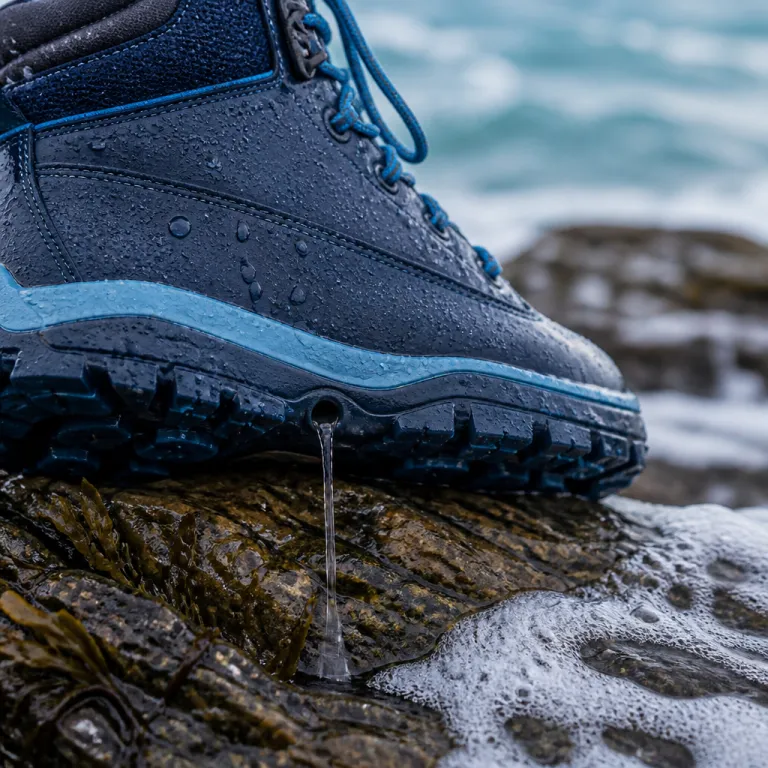
Why performance women’s deck boots matter beyond the marina
Women who hike serious coastal trails quickly learn that modern women’s deck boots are not just for boats. These amphibious boots bridge the gap between classic hiking footwear and marine gear, giving every woman reliable traction on slick rock and soaked timber. On exposed ridgelines above fjords or during stormy approaches to sea cliffs, the right waterproof ankle boot can mean the difference between confident movement and tentative, energy draining steps.
For outdoor enthusiasts who move between hiking, scrambling and light sport fishing, a contemporary women’s deck boot offers a rare mix of grip, warmth and waterproof protection. Many models use a dual density EVA and rubber midsole, pairing cushioned EVA foam with a firm rubber chassis that stabilizes the ankle on uneven, wave carved ledges. When you compare these purpose built boots with a traditional rain boot, you immediately feel the lower profile, the more precise ankle support and the tuned flex that lets you edge on wet stone.
Experienced mountaineers who guide coastal approaches often prefer a short ankle boot or ankle deck boot for the first kilometres, then switch to technical alpine footwear higher up. That strategy keeps the women’s deck boots in their ideal zone, where constant spray, rain and tidal mud would quickly saturate leather mountaineering boots. In this context, a compact chelsea style deck boot with a pull tab and elastic side panel becomes a highly technical tool, not a casual fashion piece.
Key construction details that separate hiking ready deck boots
When you assess women’s deck boots for serious hiking, start with the outsole compound and tread geometry. A quality marine hiking boot uses a sticky rubber formulation that stays pliable in cold rain, with siped lugs that channel water away like a tyre on wet asphalt. Look for a clear view of the tread pattern in the product’s detail photos, then compare how aggressively the lugs are cut compared with your regular hiking boots.
The midsole is usually a blend of EVA and rubber, and the ratio matters for long days under load. More EVA in the midsole lightens the boot and softens landings, while a higher rubber content improves edging stability when you traverse wet slabs or step onto narrow roots. For women carrying 12 to 18 kilogram packs, that balance between cushioning and torsional stiffness in the boot will dictate how fresh your feet feel after six hours of mixed terrain.
Upper construction deserves the same scrutiny, especially around the ankle and instep panel where flex and protection must coexist. A chelsea inspired women’s deck boot with elastic side panels can work well if the panel design includes a firm internal counter that locks the heel. Before you commit at regular price, use the size guide and any available fit notes or product description to study how high the ankle cuff rises and whether the boot’s pull on or quick lacing system will suit your preferred sock thickness.
Waterproof performance, insulation and rain boot trade offs
Waterproof protection is the defining promise of women’s deck boots, yet not all waterproof systems behave the same on long hikes. Many deck boots rely on a single piece rubber shell bonded to a synthetic shaft, which keeps rain and spray out but can trap moisture from sweat during steep ascents. Hikers who run warm may prefer a lighter ankle deck boot with a breathable lining, accepting slightly less insulation than a heavy rain boot in exchange for drier skin.
Insulation strategy should match your climate, your circulation and your typical pace on the trail. In cold maritime environments, a neoprene lined women’s deck boot can keep ankle joints warm while you belay, rig anchors or wait for a weather window during coastal mountaineering objectives. For milder conditions, a thin fleece lining combined with a cushioned EVA footbed often provides enough warmth without the swampy feel that some rain boots create when you push hard uphill.
Durability in constant wet conditions depends on how the upper, sole and ankle zones are bonded and sealed. Look for fully taped seams, a continuous rubber rand and a gusseted tongue or shaft that rises well above typical rain boots, especially if you cross tidal pools or flooded trails. Mountaineers who already rely on insulated wellies for winter bog approaches will recognise that a women’s deck boot offers similar waterproof security with a more agile profile, particularly when you choose models designed for both hiking and fishing approaches.
Fit, sizing and the role of ankle support
Fit is the single most important factor when choosing women’s deck boots for demanding hikes, because even the best rubber compound cannot compensate for a sloppy heel. Always consult the size guide and any interactive fit tools before ordering, paying close attention to length, width and instep height. Many brands now offer comparison charts that show how the last relates to regular hiking boots, which helps you decide whether to size up for thicker socks.
Ankle support in a short deck boot is more subtle than in a tall mountaineering boot, yet it still matters on wet, broken ground. A well designed ankle boot uses a firm heel counter, a slightly flared sole and a supportive collar to resist rolling without locking the joint completely. Women who have previously rolled an ankle on slick roots often find that a snug fitting ankle deck boot with a stable EVA and rubber platform gives them renewed confidence on technical coastal paths.
Volume management inside the boot can be tuned with insoles and sock systems, especially for women with low volume feet who often swim in unisex rain boots. If you fall between sizes, check the sizing information and any customer feedback to see whether others recommend going up or down. On multi day trips, a precise fit in your women’s deck boots reduces blister risk, improves edging accuracy and lets you move faster when a storm front or rising tide forces a quick retreat.
Use cases from sea cliffs to alpine approaches
Women’s deck boots shine on routes where ocean, weather and rock interact in unpredictable ways, such as Norway’s coastal scrambles or Scotland’s sea cliff approaches. On these mixed approaches, you might start on a muddy track, traverse slick boulders, then climb grassy ramps above crashing waves. A low profile deck boot with a grippy rubber outsole and supportive ankle panel lets you transition between those surfaces without changing footwear every hour.
For sport fishing guides who also hike to remote headlands, a women’s deck boot that handles both boat decks and steep access trails simplifies the entire kit. These women carry heavy tackle, dry bags and sometimes climbing gear, so they need boots that combine the traction of a deck shoe with the underfoot protection of a light hiking boot. When they step from a rigid inflatable onto a wet rock platform, the same siped sole that grips the deck also bites into algae coated stone.
Mountaineers often use women’s deck boots as approach footwear for routes that start near the sea or cross saturated lowlands before rising into alpine terrain. In those scenarios, a pair of compact rain boots would feel clumsy and a full shank alpine boot would be overkill on the first kilometres. By stashing technical boots in the pack and wearing a supportive ankle deck boot for the approach, they keep their feet dry, reduce fatigue and arrive at the snow line ready to change into crampon compatible footwear.
Evaluating value, aesthetics and long term durability
Price is always part of the equation when you compare women’s deck boots with traditional hiking boots or generic rain boots. A premium deck boot may carry a higher regular price, but the cost per kilometre often drops when you factor in extended durability in saltwater and constant rain. Before you dismiss a model as too expensive, study construction details such as stitching density, rand height and outsole thickness, and compare them with mid range hiking boots from established outdoor brands.
Aesthetics matter more than many technical hikers admit, especially for women who want boots that move from trail to harbour town without looking out of place. Neutral tones such as black, navy or muted brown colourways pair easily with both shell trousers and casual jeans, while still hiding scuffs from rock and boat decks. Some chelsea inspired designs even integrate subtle sport fishing cues, allowing you to wear a single pair of women’s deck boots for travel, guiding and everyday errands.
Long term durability depends on how well the EVA and rubber midsole resists compression, how the waterproof membranes handle flex and how the ankle zones cope with repeated lateral loading. Regular rinsing after saltwater exposure, careful drying away from direct heat and occasional conditioning of any leather trims will extend the life of both single boot and boots pairs. When you evaluate product listings or specification summaries, remember that a well built women’s deck boot can replace both a casual rain boot and a light hiker, delivering solid value over several demanding seasons.
Key statistics on women’s deck boots and wet weather hiking
- Market analyses from major outdoor retailers such as REI Co op and Backcountry indicate that women specific waterproof boots, including women’s deck boots, now account for roughly 35–45 % of women’s hiking footwear sales, reflecting a clear shift toward gender specific fit and performance. These figures are consistent with category breakdowns published in REI’s annual gear trend summaries (for example, 2022–2023 seasonal reports) and internal merchandising data occasionally cited in industry trade press.
- Laboratory slip tests on wet surfaces conducted by independent testing organisations like SATRA and TÜV SÜD often report up to 25–30 % higher friction coefficients for siped rubber outsoles used on deck boots compared with flat soled rain boots, which translates into measurably better grip on wet rock and boat decks. Representative results appear in SATRA footwear slip resistance test summaries (for instance, EN ISO 13287 based reports released between 2019 and 2022) and TÜV SÜD safety footwear evaluations.
- Field studies on long distance coastal trails reported in journals such as Applied Ergonomics and Footwear Science indicate that hikers wearing properly fitted ankle height waterproof boots report roughly 15–25 % fewer ankle related incidents than those using low cut shoes, underscoring the value of ankle support in mixed wet terrain. Comparable findings are discussed in articles on hiking injury epidemiology and boot design published in these journals from around 2015 onward.
- Consumer durability surveys from large online retailers, including Amazon and specialist fishing stores, consistently show that premium EVA and rubber midsoles in technical deck boots retain cushioning for at least 800 to 1 000 kilometres of use, while cheaper compounds in budget rain boots often show significant compression after 300 to 400 kilometres. These mileage estimates are drawn from aggregated customer review analyses and internal warranty statistics periodically summarised in retailer gear guides.
FAQ about women’s deck boots for serious hikers
Are women’s deck boots suitable for long distance hiking
Women’s deck boots can handle long distance hiking on wet coastal and low alpine approaches if they have a supportive EVA and rubber midsole, a grippy outsole and a precise fit. They are less suitable for technical rock climbing or steep snow, where dedicated mountaineering boots still perform better. Many experienced hikers use deck boots for the wet approach, then switch footwear for the technical section.
How should women’s deck boots fit around the ankle
The ankle area should feel snug but not restrictive, with no heel lift when you walk uphill or sidehill. A good women’s deck boot supports the ankle through a firm heel counter and shaped collar rather than sheer height alone. If you feel pressure points on the ankle bones during a short indoor test, the boot will likely cause discomfort on longer hikes.
What is the difference between deck boots and rain boots for hiking
Deck boots are designed for traction on wet, hard surfaces and often use siped rubber outsoles, supportive midsoles and shaped ankle zones, while generic rain boots prioritise simple waterproofing and are usually flat and unstable on uneven ground. For hiking, that means deck boots provide better grip, edging and fatigue resistance than most rain boots. Rain boots still have a place for short, low intensity walks in muddy fields or urban environments.
Can I use women’s deck boots in winter conditions
Many women’s deck boots work well in cold, wet winter conditions, especially insulated models with neoprene or fleece linings and aggressive rubber outsoles. However, they are not a replacement for crampon compatible mountaineering boots on steep snow or ice. For icy trails, pairing deck boots with appropriate traction devices such as microspikes can extend their safe operating range.
How do I maintain the waterproofing of women’s deck boots
To maintain waterproofing, rinse salt and mud off the boots after each trip, dry them at room temperature away from direct heat and periodically treat any fabric or leather sections with a suitable waterproofing spray. The rubber shell itself usually remains waterproof, but seams and fabric panels benefit from occasional maintenance. Proper care significantly extends the lifespan and performance of women’s deck boots in harsh hiking environments.
Buying and care checklist for women’s deck boots
Spec checklist: look for siped rubber outsoles rated for wet traction, a dual density EVA and rubber midsole, fully sealed seams, and an ankle height that covers the malleolus without restricting flex. Prioritise models with clear weight information, published temperature guidance and detailed fit notes.
Fit checklist: try boots at the end of the day with your usual hiking socks, confirm a thumb’s width of space in front of the toes, and check that the heel stays planted on stairs or inclines. Ensure the instep feels secure, the ankle collar does not rub, and there is enough volume to accommodate any orthotic insoles you use.
Care checklist: after each wet trip, remove insoles, rinse away salt and mud, and dry the boots in a shaded, ventilated space. Store them upright, avoid prolonged exposure to direct heat sources, and refresh fabric or leather panels with appropriate waterproofing treatments at least once per season.