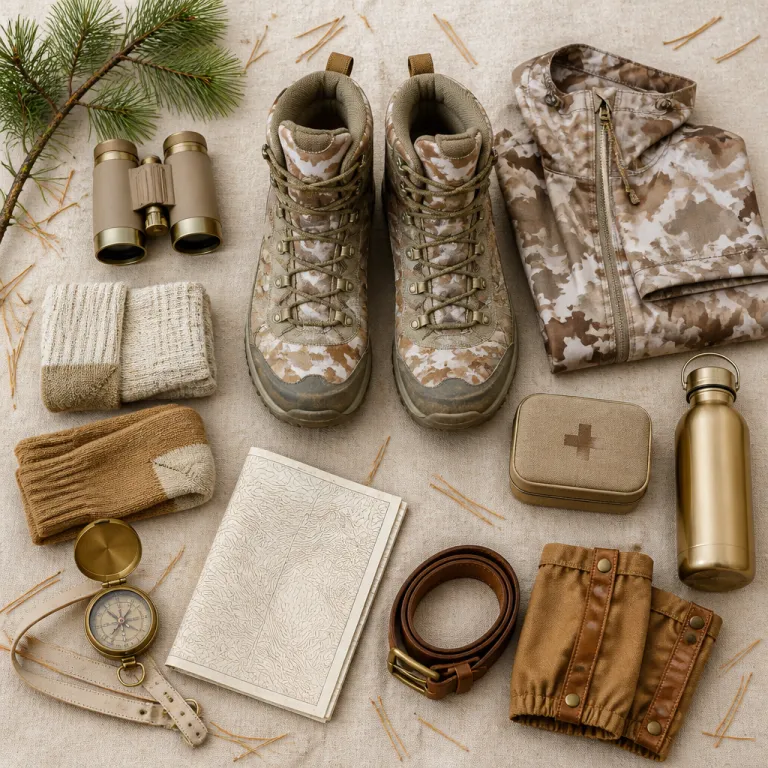

Why technical camo boots for women matter in serious mountain terrain
Women’s camo boots are no longer just fashion pieces for city streets. For hikers and hunters who push into steep ridgelines and broken scree, the right pair becomes safety equipment that protects joints, tendons, and skin. When you choose a camouflage boot built for alpine hiking rather than casual wear, you gain edging precision, better load transfer, and a stable platform on wet roots or mossy rock.
Experienced women know that a poorly fitted boot in the wrong size can turn a multi day traverse into a blistered retreat, especially when carrying a pack over 20 kilograms. That is why serious brands now engineer women specific lasts with narrower heels, lower volume insteps, and more precise mid foot lockdown, instead of simply shrinking a men’s model and painting it with a women’s camo pattern. Behind the price tag on a technical boot sit hidden investments in certified materials, advanced rubber compounds, and ankle support geometry tested by professional guides.
On exposed ridges, a tall boot with a rigid toe box and supportive mid sole can prevent rock strikes that would otherwise bruise nails and crush toes. In dense oak country or spruce thickets, a mid height boot in duck camo or mossy oak style prints helps you blend into the landscape while still allowing agile foot placements. For hunters who glass from a deck or rocky outcrop, an insulated rubber boot or ankle deck style keeps feet warm during long static periods, then transitions smoothly when you stalk across wet grass or boggy ground.
From a gear analyst perspective, the most interesting shift is how women now drive innovation in this niche, not men. Outdoor Industry Association data from recent participation reports show women representing roughly half of day hiking participants in North America, and specialist brands track size data and see that smaller technical models often sell out first, especially when members receive free shipping or loyalty perks. When you shop for women’s camo boots today, you are entering a product segment where performance expectations match those in technical alpine footwear, and where the price often reflects expedition grade reliability rather than lifestyle marketing.
Key design features that separate serious camo boots from casual models
Technical women’s camo boots share several design cues with modern mountaineering footwear, yet they remain tuned for mixed hiking and hunting. The first is the sole package, where a high traction rubber compound and aggressive lugs give more braking power on steep descents than flat deck shoes or casual western boots. Look for a boot with a defined heel brake, a rockered forefoot, and a stiff mid sole that still flexes slightly at the toe for scrambling moves.
Upper construction is the second major divider between a mountain ready boot and a fashion oriented product that only looks like camo. A serious women’s camouflage boot will combine tightly woven synthetic textiles with leather overlays, welded rand protection, and a gusseted tongue that blocks debris, while cheaper models often rely on thin fabric that tears quickly in oak country brush. When you compare options in a shop, check whether the boot uses a waterproof breathable membrane, double stitching in high wear zones, and a padded ankle collar that locks the heel without cutting into the Achilles.
Lacing systems also reveal intent, because a high performance ankle boot or tall boot will use precise hardware that allows micro adjustments over the instep and forefoot. Many people underestimate how much a well designed lace path can reduce hot spots, especially when the fit is slightly roomy and you need to fine tune volume with socks. For a deeper dive into how cutting edge brands integrate climbing DNA into hiking footwear, examine the analysis of a Kevlar collared model in the article on advanced hiking boot design, then apply the same scrutiny to any women’s camo boots you are considering.
Weight is the final design axis that matters for long days above tree line. A heavy tall boot with thick rubber construction may feel bombproof, but over 20 kilometres of side hilling that extra mass at each ankle multiplies fatigue, while a lighter mid height ankle deck boot can keep your stride efficient without sacrificing protection. When you evaluate different models, ask whether the cost reflects lighter yet durable materials, because shaving 150 grams per boot often costs more at the factory but pays back every step on the trail.
Ankle height, support myths, and how camo patterns affect real performance
Many outdoor enthusiasts still assume that a taller boot automatically means better ankle support, but the reality for women is more nuanced. True support comes from a combination of fit, lacing, and mid sole stiffness, not just from the height of the leather or camo textile around your ankle. A well fitted mid height boot that hugs the heel and mid foot can prevent more sprains than a loose tall boot that allows the foot to roll inside.
For technical traverses and side hilling, a mid cut boot often hits the sweet spot between mobility and control, especially when paired with trekking poles and a pack that is balanced correctly. On flatter terrain or when you move between a boat deck and muddy shore, an ankle deck boot in duck camo can be ideal, because it sheds water quickly and slips on and off faster than lace up designs. If you are curious about the science behind ankle support and weight penalties, the detailed breakdown in this piece on mid cut versus low cut hiking boots offers a framework you can apply directly to women’s camo boots.
Camo patterns themselves, such as mossy oak or oak country style designs, do not change mechanical performance, yet they influence how and where you use the boot. Women who hunt in mixed woodland and marsh often prefer duck camo or women’s camouflage prints that break up the boot silhouette against reeds, mud, and flooded timber, while alpine hunters lean toward muted rock tones that match scree and lichen. When you compare different patterns, remember that licensing a premium design can raise the price slightly, but the functional benefit is better concealment when animals key in on movement near the ground.
From a safety standpoint, ankle coverage also interacts with sock choice and layering strategy. A tall boot with a snug collar pairs best with thin, high merino socks that wick sweat and prevent grit from entering, while a lower ankle boot or deck boot may require gaiters in scree or snow to keep debris out. As you shop and weigh sizing options, do not let marketing about extreme ankle support override your own experience of how your joints feel on real terrain, because the best women’s camo boots are those that match your biomechanics, not just a generic promise aimed at men.
Fit, sizing, and how to read price signals in the women’s camo market
Fit is the single most important factor when choosing women’s camo boots, and it starts with understanding your foot shape in three dimensions. Length or size is only one axis, while width, arch height, and heel volume often dictate whether a boot feels secure or sloppy after several hours of hiking. Women with narrow heels and high arches usually fare better in women specific lasts, whereas some with broader forefeet may find that certain men’s boots in smaller sizes actually match their anatomy more closely.
When you shop online, pay close attention to the brand’s size chart, the stated last shape, and any notes about regular or wide options. Many specialist retailers now list size ranges alongside stock levels, so you can see which sizes sell fastest and which remain for clearance events, a subtle indicator of how well the boot fits typical feet. If a particular women’s camouflage model is always sold out in mid sizes but heavily discounted in the smallest and largest, that pattern suggests a standard fit that suits average feet but not extremes.
Price itself carries information about construction quality and long term durability. A low discount on a camo deck boot might look tempting, yet if the mid sole collapses after one hard season, the effective cost per trip becomes higher than a more expensive certified product that lasts three seasons. When you see a big gap between original and sale pricing, ask whether this is a seasonal clearance of a proven design or a sign that the boot failed to meet expectations among serious users who test gear in harsh conditions.
Free delivery, members’ shipping perks, and bundle deals can also distort how you perceive value. One shop may build logistics into the listed price, while another advertises a lower figure but charges shipping separately, so always compare total checkout cost. For multi day missions where layering and pack weight matter, you can pair your new women’s camo boots with a refined clothing system explained in this guide to summer layering for hikers, ensuring that your footwear and apparel budgets align with your overall mountain strategy.
Use cases: from alpine hunts to wet decks and western backcountry
Women’s camo boots now span a wide spectrum of use cases, from high altitude hunts to coastal deck work and western ranch life. In steep alpine basins where you glass for chamois or red deer, a tall boot with a stiff mid sole and aggressive toe protection gives you edging security on snow patches and talus that casual shoes cannot match. Here, a muted camouflage pattern in greys and greens matters less than certified crampon compatibility and the way the boot locks your ankle on side slopes.
In contrast, when you move between a boat deck and muddy shorelines during waterfowl season, a rubber deck boot in duck camo becomes the logical choice. These ankle height designs prioritize waterproofing, quick drying interiors, and slip resistant outsoles that grip wet fiberglass or timber, while still offering enough support for short hikes to blinds or hides. Many women and men who work on commercial decks also adopt these models for daily use, valuing the combination of free movement at the ankle and reliable traction under heavy loads.
Western backcountry presents yet another scenario, where oak country hills, sagebrush flats, and rocky draws demand versatile footwear. A mid height boot in a mossy oak or oak country inspired pattern blends into both timber and open ground, while a slightly softer mid sole allows you to feel the terrain underfoot and move quietly when stalking. In this environment, price differences between models often reflect added features such as reinforced toe caps, puncture resistant plates, or upgraded lugs that shed clay mud more effectively.
For ranchers and guides who split time between saddles, trucks, and foot travel, hybrid western boots with camo panels offer a compromise. These designs combine traditional western silhouettes with technical outsoles and women’s camouflage shafts, giving enough stiffness for stirrups yet more grip on rock than classic smooth soles. When you evaluate overall cost in this segment, remember that a single pair that handles both work and hunting may replace two or three specialized products, making the long term value equation more favourable over several seasons.
Care, longevity, and when to replace your women’s camo boots
Once you invest in serious women’s camo boots, proper care determines how long they protect you in the mountains. After each trip, remove insoles, loosen laces, and let the boots dry at room temperature, because high heat from fires or radiators can delaminate adhesives and crack rubber compounds. Brush off mud, especially around the toe and mid sole junction, where grit can abrade stitching and weaken the bond between upper and sole.
Leather panels on western or hybrid camo models benefit from periodic conditioning with products designed for breathable membranes, which maintain water resistance without clogging pores. Textile heavy women’s camouflage boots respond well to gentle cleaning with lukewarm water and mild soap, followed by a spray on durable water repellent that restores beading on the surface, preserving both appearance and function. A small investment in appropriate care products can double the lifespan of a certified boot, effectively lowering the long term cost per outing.
Knowing when to retire a boot is as important as caring for it. Check the outsole lugs for rounding and loss of depth, because once the pattern flattens, braking power on wet grass or scree drops sharply, even if the upper still looks fine. Inspect the mid sole by flexing the boot; if creases stay compressed or you feel sudden soft spots under the ball of the foot, the internal foam has likely collapsed, reducing support and increasing injury risk.
Pay attention also to the ankle structure and heel counter. If a tall boot or ankle boot that once held your heel firmly now allows noticeable slop, no amount of lacing will restore the original stability, and it is time to shop for a replacement pair, even if the camo pattern still looks sharp. At that point, weigh current pricing and any membership offers, but do not let a temporary discount keep you in worn out footwear that compromises safety on exposed terrain.
How to shop like a gear analyst: comparing models, prices, and certifications
Approaching women’s camo boots with a journalist analyst mindset means building a simple comparison framework before you ever enter a shop. Start by listing your primary use cases, expected pack weights, and typical terrain, then rank features such as ankle height, sole stiffness, and waterproofing, instead of letting colour or camo pattern drive the decision. This clarity helps you filter dozens of boot options down to a short list that truly fits your needs as a hiker, hunter, or mountaineer.
Next, gather data on regular and promotional pricing across several retailers. Note which models offer certified safety or environmental standards, such as tested slip resistance for deck boot designs or audited leather sourcing for western boots with camo shafts, because these certifications often justify a higher figure. When you see a deep discount on a women’s camouflage model, check whether it is an outgoing colour, a discontinued product, or a boot that received consistent fit complaints from users in reviews.
In store, try on multiple sizes and widths, wearing the same socks you use on long hikes. Walk on ramps, stand on edges, and simulate downhill braking to feel how the toe box, mid foot, and ankle interact, rather than just checking length on a flat floor. If a tall boot feels perfect in the shop but slightly heavy, compare it to a lighter ankle deck or mid height option and ask yourself whether the marginal gain in protection is worth the extra fatigue over 20 kilometres.
Finally, factor in policies such as free delivery, flexible returns, and fit guarantees. A retailer that offers home try ons and allows you to test boots indoors for several days effectively lowers the risk of choosing the wrong fit, even if the headline price is slightly higher. By treating each camo boot purchase as a long term gear investment rather than an impulse buy, you align your decisions with the realities of demanding terrain, where reliable footwear is as critical as any other piece of mountain equipment.
Key statistics on women’s hiking and hunting boots
- Outdoor participation reports from the Outdoor Industry Association show that women now account for roughly half of day hiking outings in North America, a shift that has driven rapid growth in women specific boot lines over the past decade.
- Market research firms such as NPD Group have documented faster growth in women’s hiking and hunting footwear than in men’s categories, with some recent reports noting mid single digit annual growth in women’s outdoor boots compared with flatter trends in men’s segments.
- Guidance from the American Podiatric Medical Association notes that a large proportion of foot pain complaints among hikers relate to poor fit, underscoring why women benefit from boots designed on gender specific lasts rather than downsized men’s models.
- Field tests by European alpine clubs report that replacing heavily worn hiking boots can significantly reduce slip related incidents on wet trails, highlighting the safety impact of timely boot retirement.
- Industry surveys of hunting guides suggest that high quality waterproof membranes in boots extend comfortable field time in wet conditions compared with non waterproof footwear, especially during long, cold sits.
FAQ about camo boots for women who hike and hunt
How should camo boots for women fit for long mountain days ?
A proper fit leaves about a thumb’s width of space in front of the longest toe when standing, with the heel locked firmly and no side to side slop in the mid foot. The boot should hold the ankle securely without pinching, and you should be able to lace more tightly for descents without creating hot spots. Always test fit on an incline or ramp, because downhill pressure reveals whether your toes will hit the front during real descents.
Are tall boots always better than mid height models for ankle support ?
Tall boots offer more coverage and can help keep debris and snow out, but they do not automatically provide better support. True ankle stability comes from a combination of snug heel fit, well designed lacing, and an appropriately stiff mid sole that resists twisting. Many experienced hikers prefer mid height boots for mixed terrain, because they balance support with freedom of movement and lower weight.
What camo pattern works best for mixed woodland and open country ?
For hunters who move between timber and open hillsides, versatile patterns such as mossy oak or oak country style designs usually perform well. These blends of greens, browns, and muted greys break up the boot outline against both foliage and rock, helping you remain less visible at ground level. The exact pattern matters less than avoiding large, high contrast blocks that can catch an animal’s eye when you shift your feet.
How long should a pair of women’s camo boots last with regular use ?
With proper care and moderate use, quality women’s camo boots typically last three to five seasons of weekend hiking or hunting. Heavy users who carry large packs or travel frequently on abrasive scree may wear out outsoles and mid soles faster, sometimes within two hard seasons. Lifespan depends more on terrain, load, and maintenance than on the camo pattern itself.
Can I use the same camo boots for backpacking and waterfowl hunting ?
It is possible, but you will compromise in at least one direction. Backpacking demands supportive soles, precise fit, and efficient weight, while waterfowl hunting from boats or blinds prioritizes waterproofing, insulation, and traction on wet decks. Many women choose a dedicated hiking boot for long treks and a separate rubber based deck boot for flooded fields and marshes, rather than forcing one pair to cover very different tasks.
References
- Outdoor Industry Association – Outdoor Participation Report.
- NPD Group – Outdoor Footwear Market Analysis.
- American Podiatric Medical Association – Hiking Footwear and Injury Prevention Guidelines.