Waterproofing, membranes, and real world breathability
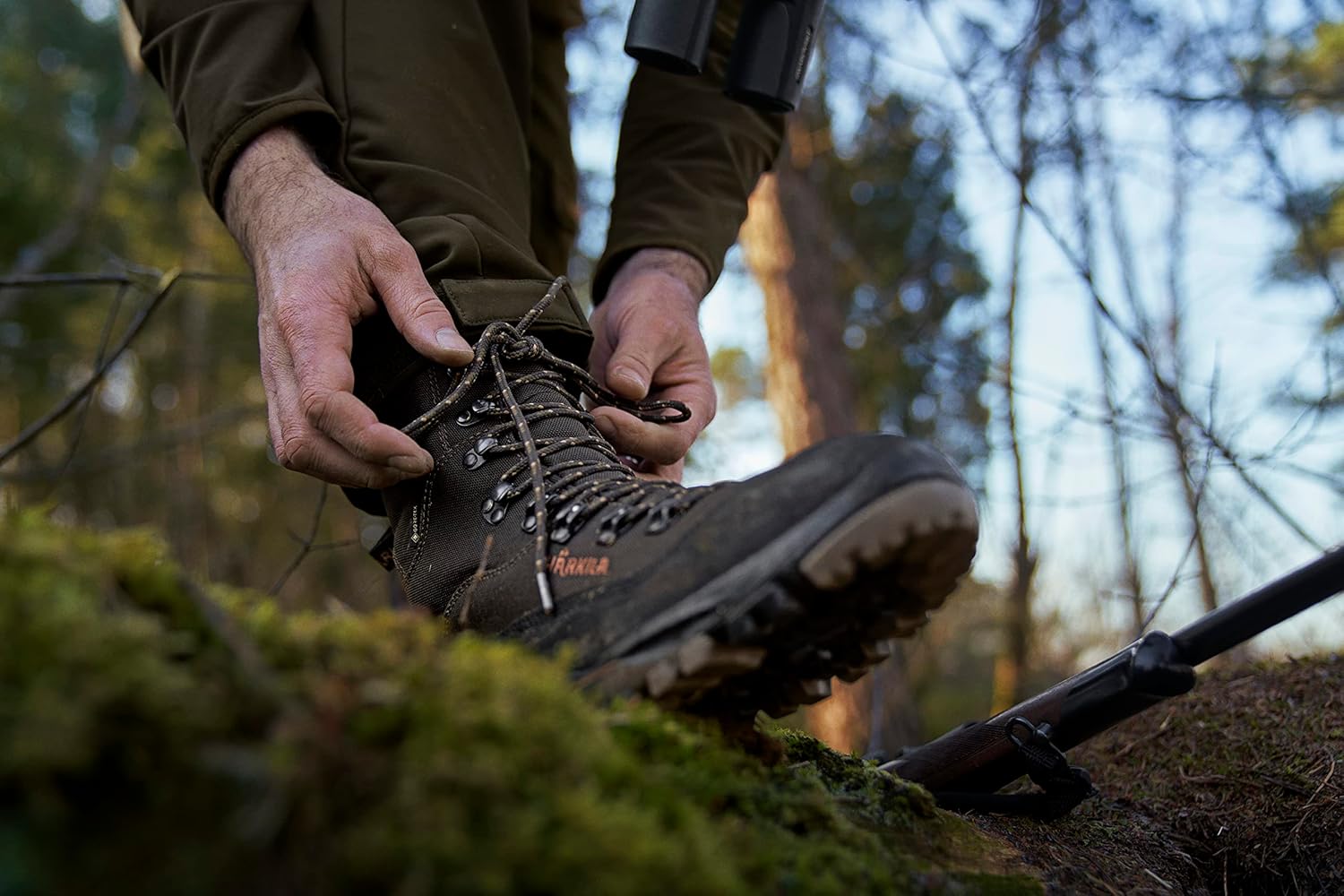
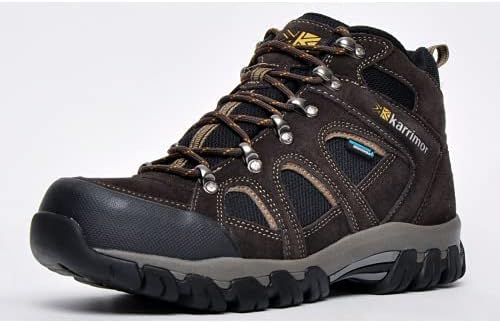
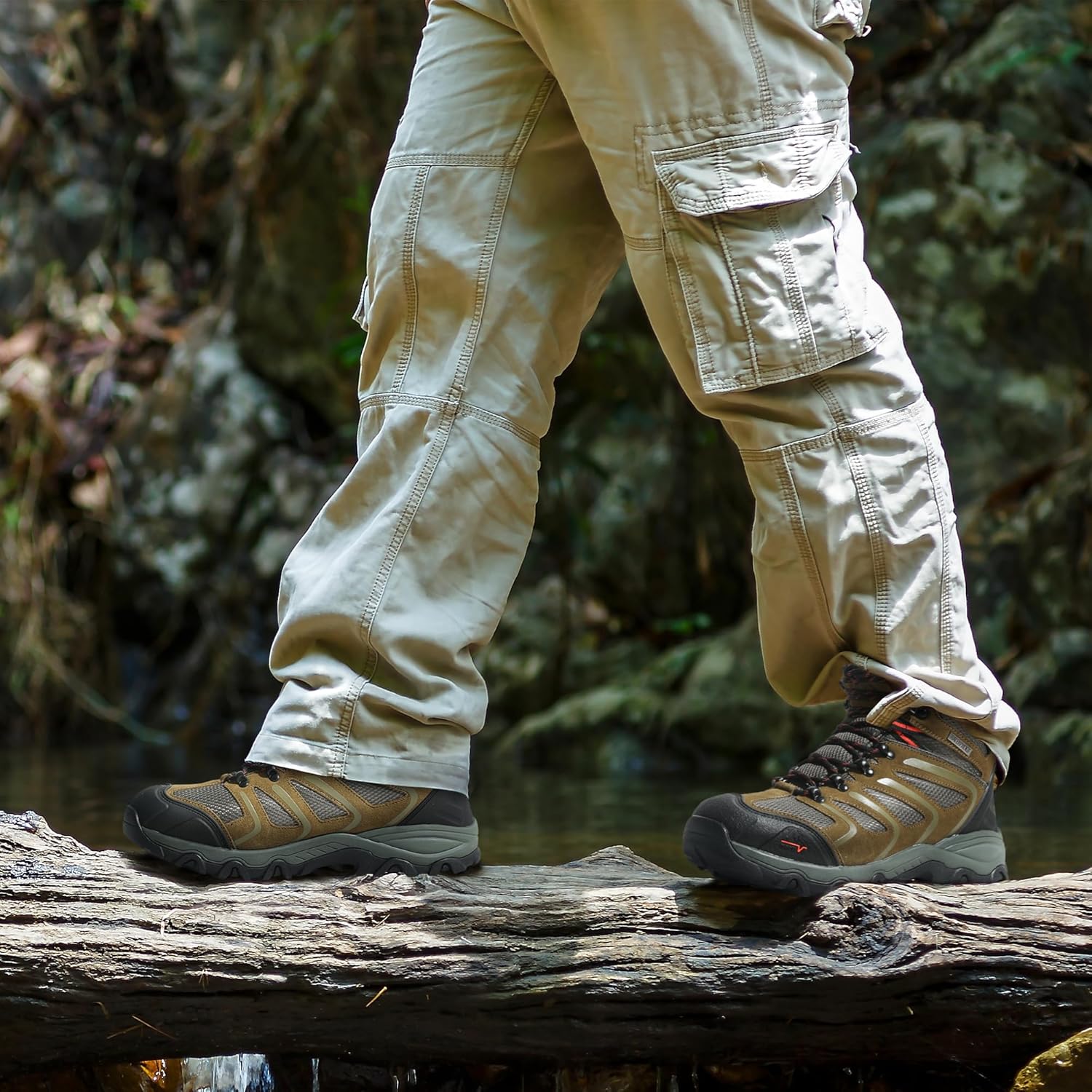
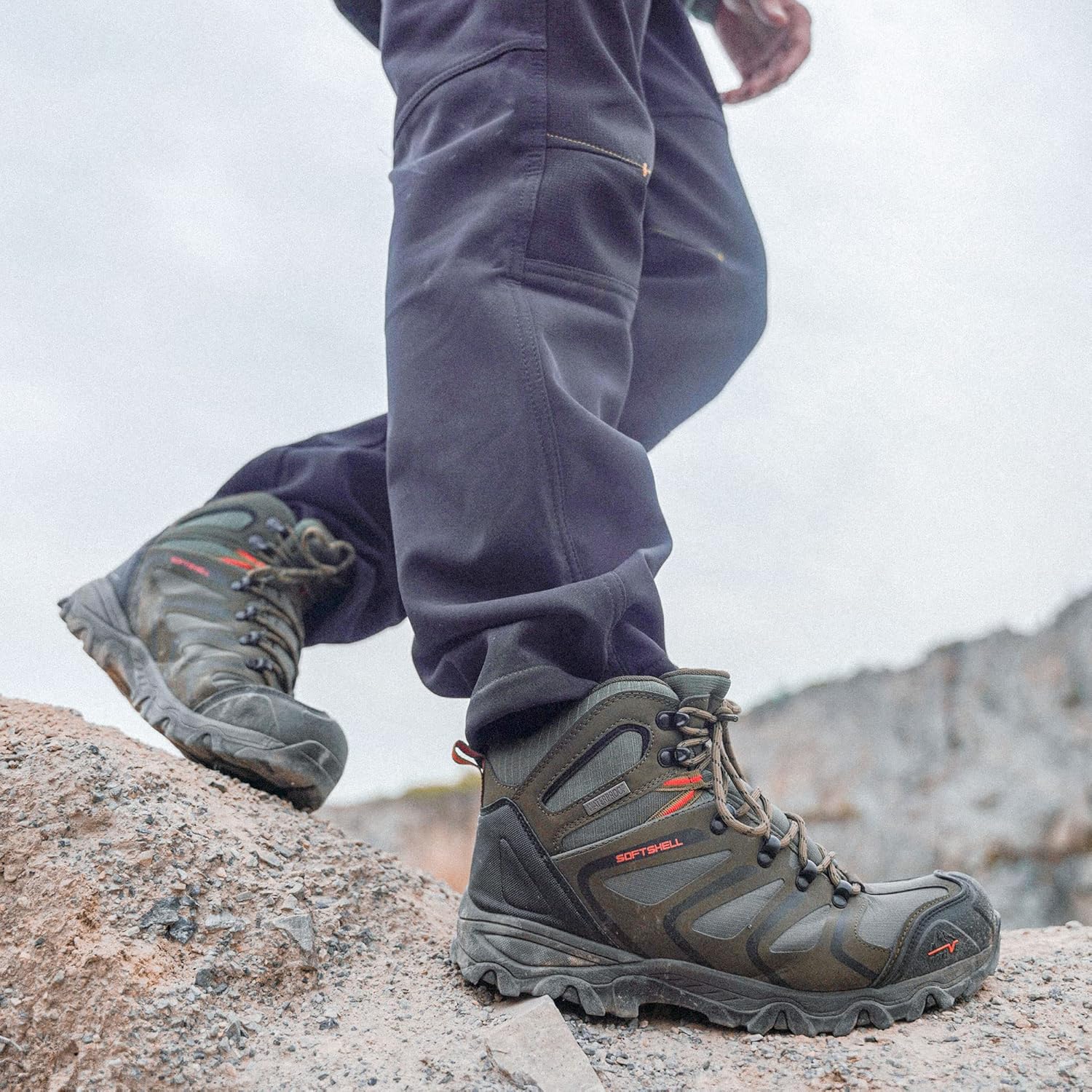
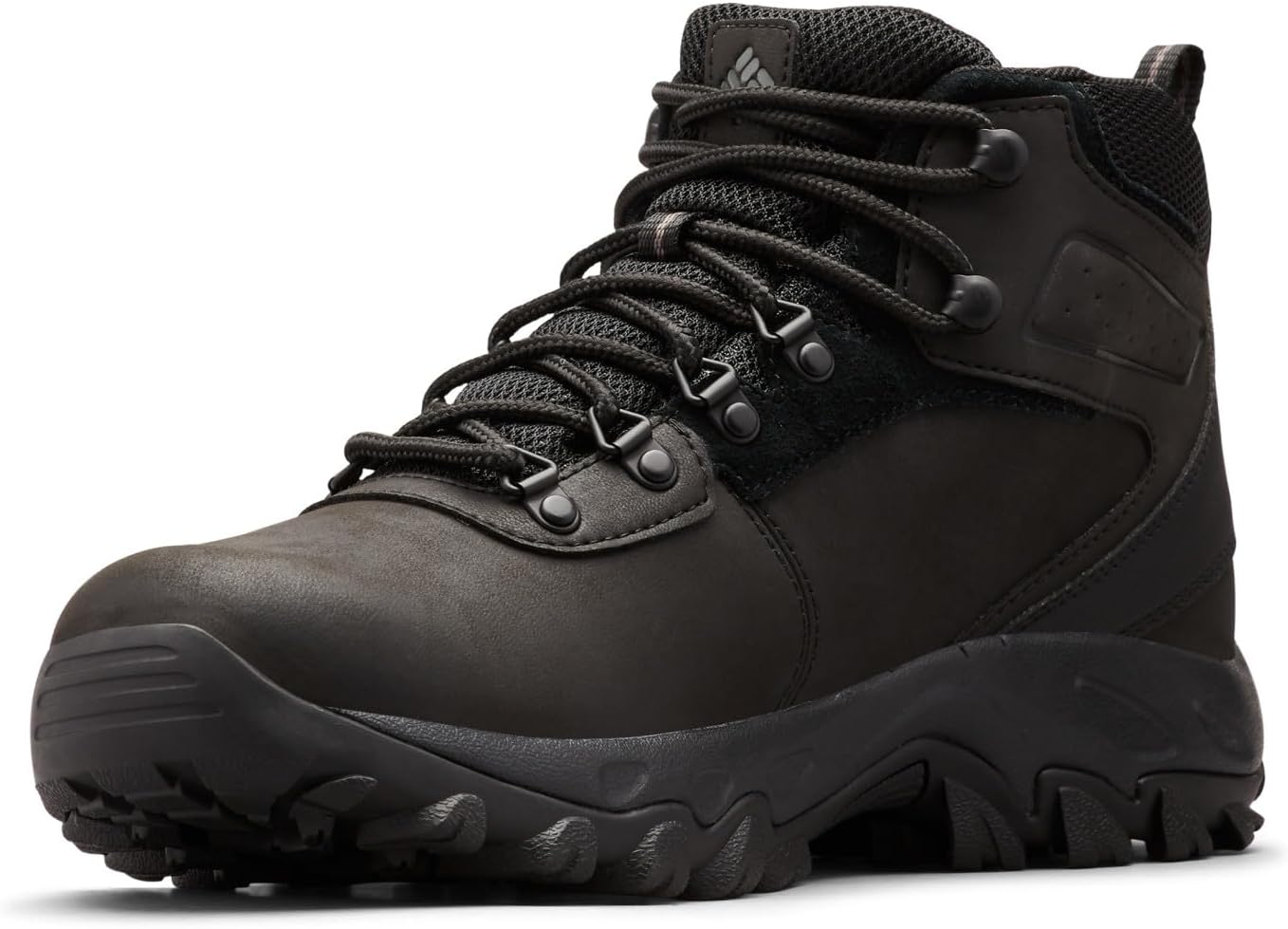
For guides and mountaineers, waterproof performance can define whether a pair of boots earns a permanent place in the gear room. The best hiking boots for professional hikers often use a Gore Tex or similar waterproof breathable membrane, but the way that membrane is integrated into the upper matters as much as the logo. A poorly designed waterproof boot can trap moisture from sweat, leaving feet just as wet as if the boot leaked from the outside.
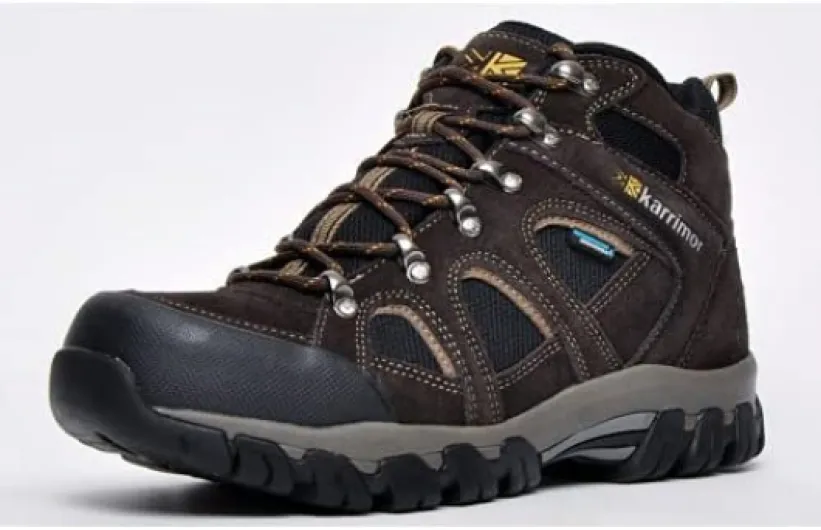
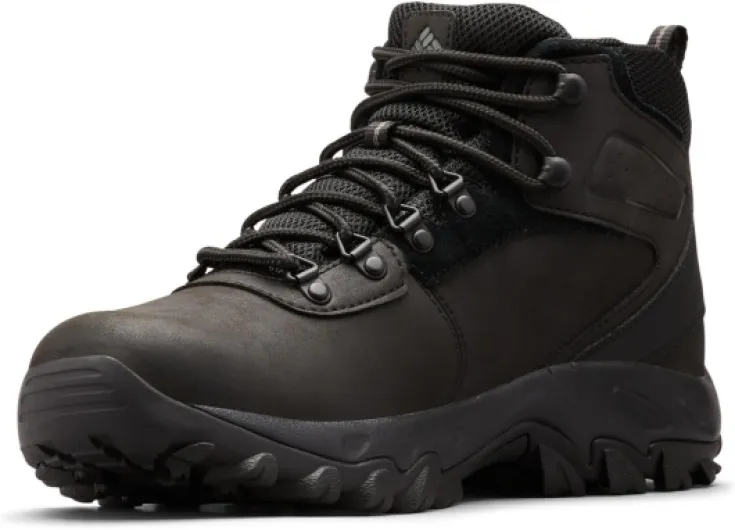
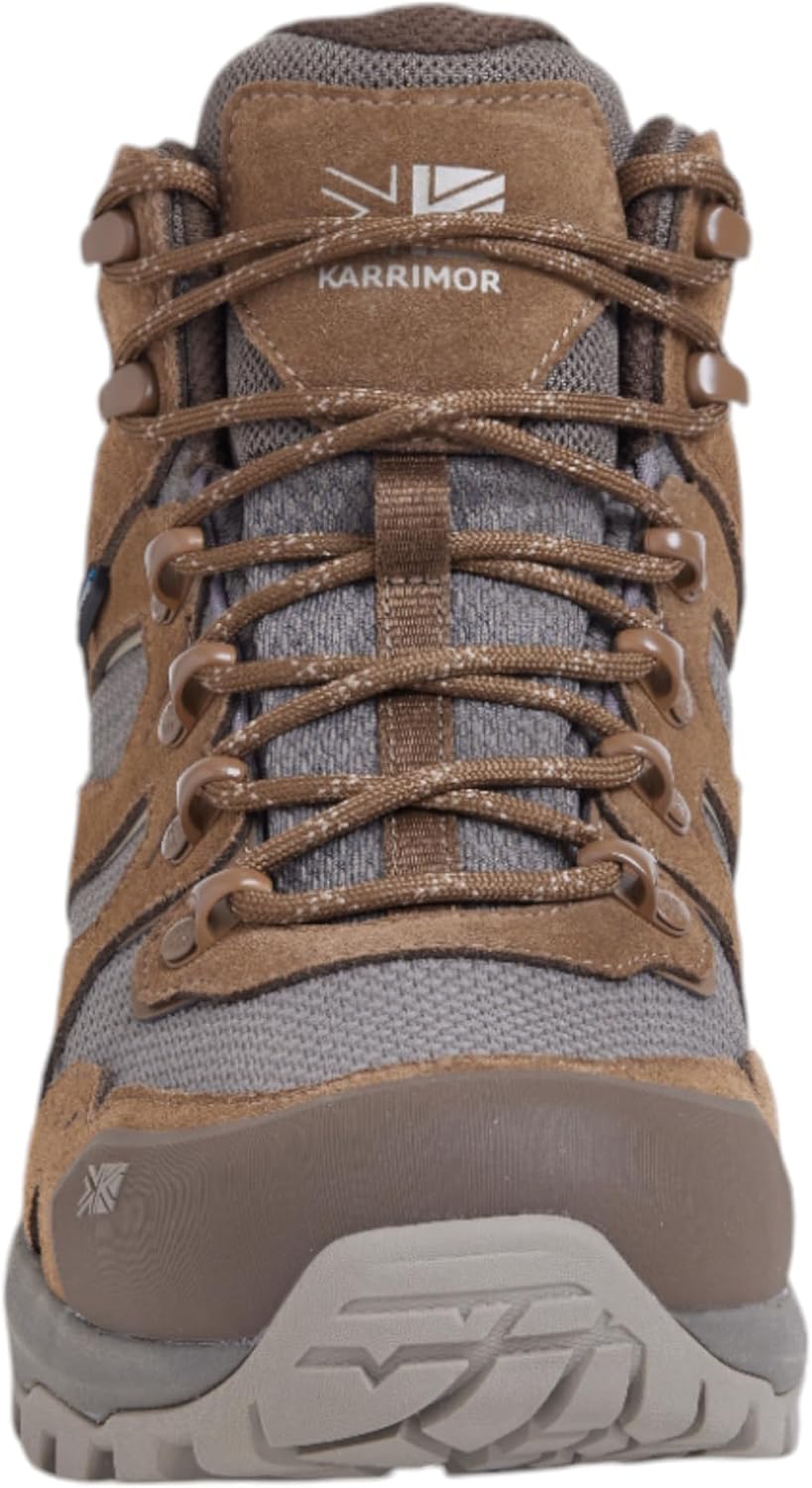
Models marketed as mid waterproof or mid GTX boots use a higher cut to seal out shallow streams and wet grass, yet that extra collar height can increase weight and reduce ankle mobility. Professionals who guide in mixed conditions often choose a mid hiking boot with a carefully sculpted ankle, so they gain support without losing the ability to edge precisely on rock. When evaluating any mid GTX hiking boot, pay attention to how the tongue is gusseted and how the upper flexes, because these details determine whether water stays out during a long transport hike to base camp.
Real world testing shows that waterproof hiking boots only perform well when paired with appropriate socks and drying routines. A Gore Tex lined leather boot such as a Lowa Renegade or a Merrell Moab Mid GTX can keep water out for years, but only if the leather is conditioned and the rand remains intact. Professional users often rotate between a waterproof hiking boot and a non membrane boot on alternating days, allowing the waterproof pair to dry fully and maintain its rating stars for comfort and performance.
For women seeking a proven waterproof option, controlled tests of women’s Hillwalker II Gore Tex waterproof hiking boots in chocolate by retailers and magazines show how a traditional leather upper can work with a modern membrane when properly designed. Detailed field reviews of these women’s waterproof hiking boots highlight how the boot upper, the midsole support, and the outsole pattern interact on slick trail surfaces. Reading a technical review of women’s Hillwalker II Gore Tex waterproof hiking boots can help any serious hiker understand how to judge waterproof claims beyond marketing language.
Fit, biomechanics, and long distance comfort
Elite hikers know that the best hiking boots for professional hikers start with precise fit rather than brand loyalty. A hiking boot that feels acceptable in a shop can create hot spots after only ten kilometres if the toe box is too narrow or the heel pocket too loose. Many professional women and men work with boot fitters who understand foot volume, arch height, and how these factors interact with different last shapes and midsole stiffness.
The toe box deserves special attention, because forefoot splay under load changes dramatically between a light day hike and a multi week trek. A cramped toe box in a leather boot may feel secure on a short transport hike, yet it can cause nerve irritation when feet swell during an ultra distance push. Many guides size their hiking boots with a full thumbnail of space in front of the longest toe, then fine tune volume using insoles, heel wedges, and lacing techniques.
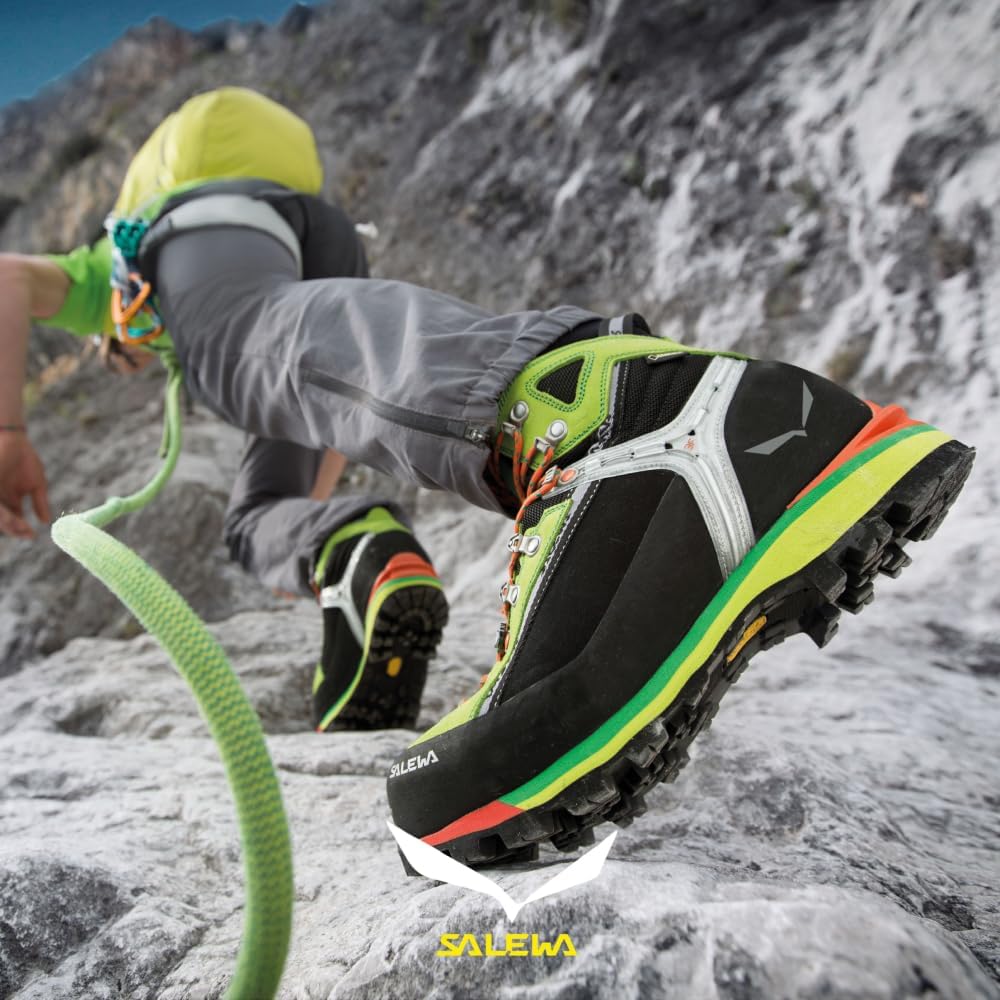
Specific models illustrate how design choices affect fit and comfort over time. The Merrell Moab line, including the Merrell Moab Mid Waterproof and Merrell Moab GTX boots, is known for an accommodating fit that suits many hikers with medium volume feet. In contrast, the Salomon Quest and Salomon Ultra series often feel more performance oriented, wrapping the mid foot tightly for precise control on technical trail, which some professional users prefer for scrambling and via ferrata.
Women with narrower heels sometimes find that a women specific hiking boot such as the women’s Pyrenees hiking boot in syrup leather locks the rearfoot more securely than a unisex model. Detailed tests of women’s Pyrenees hiking boots show how a slightly softer midsole and a carefully sculpted ankle collar can reduce fatigue on long days with moderate pack weight. When comparing women’s boots, pay attention to how the boot flexes at the forefoot, because an overly stiff flex point can force the foot to work against the boot rather than with it.
Brand archetypes and when each boot excels
Different brands have developed distinct philosophies about what the best hiking boots for professional hikers should prioritise. Salomon boots such as the Salomon Quest and Salomon Ultra Mid GTX boots lean toward agile performance, with chassis systems that provide torsional support without excessive weight. These Salomon hiking boots suit guides who move quickly over mixed trail, carrying moderate loads and valuing precise foot placement.
Hoka has disrupted the traditional hiking boot market by bringing maximalist cushioning from trail running into models like the Hoka Kaha and the Hoka Transport. A Hoka Kaha boot offers deep cushioning underfoot, which can reduce impact on long descents when pack weight climbs above 15 kilograms. The Hoka Transport boot and the Hoka Transport Hike variant blend urban friendly styling with trail capable support, making them attractive for professionals who move between city, travel, and light hiking in a single day.
For those who still favour classic leather, the Danner Mountain series and the Lowa Renegade remain reference points. A Danner Mountain boot uses thick leather and a traditional construction that can be resoled, appealing to guides who value long term durability and a predictable flex pattern. The Lowa Renegade GTX Mid, by contrast, combines a leather and synthetic upper with a lighter platform, offering a middle ground between traditional heft and modern low weight design.
Merrell Moab boots occupy a different niche, often serving as the first serious hiking boot for many outdoor enthusiasts before they progress to more specialised models. A Merrell Moab Mid Waterproof boot provides reliable comfort at a relatively accessible price, which matters for seasonal workers building their kit on a budget. Professional hikers sometimes keep a Merrell Moab pair as a backup or as a comfortable option for easier trail days, reserving their stiffer Salomon Ultra Mid GTX boots or Hoka Kaha boots for demanding alpine routes.
Performance on technical terrain, load carrying, and safety
On steep alpine approaches and loose scree, the best hiking boots for professional hikers must provide unwavering support. A boot with a well tuned midsole and shank allows the foot to edge on small rock holds while still flexing naturally during a long approach hike. Too much stiffness can feel secure on a short climb but will punish feet during a long descent with a heavy pack.
Professional users often compare how different boots handle specific routes, such as a rocky ridge traverse or a glacial moraine approach. Salomon Quest boots, with their supportive chassis, tend to excel when carrying 20 kilogram loads over broken trail, while lighter Salomon Ultra Mid boots feel more at home on fast and light missions with smaller packs. Hoka Kaha boots, with their thick cushioning, can feel transformative on long downhill sections, yet some climbers prefer a firmer Danner Mountain or Lowa Renegade boot for edging on narrow ledges.
Safety also depends on outsole design and how the boot interacts with trekking poles. A boot with an aggressive heel brake and a sticky rubber compound can reduce slips on wet rock, but only if the hiker coordinates foot placement with pole plants. Professional guides pay attention to how their hiking boots perform when poles fail or carbon trekking poles snap in cold conditions, and they regularly review guidance on when to replace tips, straps, and the pole itself to maintain a safe system.
For long transport hike sections on forest roads or gentle trail, some professionals switch to a lighter mid hiking boot or even a robust hiking shoe to reduce cumulative impact. They reserve their stiffer ultra mid GTX boots for the final approach where crampon compatibility and edging support matter most. This modular approach to footwear allows them to match boot weight, ankle support, and outsole aggressiveness to the specific risk profile of each stage of the route.
Value, durability, and how professionals judge real cost
When professionals talk about the best hiking boots for professional hikers, they rarely focus on retail price alone. Instead, they calculate cost per day of use, comparing how many demanding trips each boot survives before the upper fails or the midsole collapses. A premium leather boot with a resolable construction can appear expensive initially yet deliver a lower lifetime cost than a cheaper synthetic model that degrades quickly.
Durability depends on more than just leather thickness or the presence of a Gore Tex membrane. The way the upper is stitched, how the rand protects high wear zones, and how the midsole foam resists compression all influence how a boot ages under professional use. Guides often track their boot mileage and assign informal rating stars based on how well each pair maintains support, waterproof integrity, and outsole grip after 1 000 kilometres of mixed trail.
Women and men who work full seasons in the mountains often maintain two or three active pairs of hiking boots to extend lifespan. One pair might be a lighter Hoka Transport Hike or Salomon Ultra Mid GTX boot for easier days, while another could be a more robust Lowa Renegade GTX or Danner Mountain boot reserved for heavy load expeditions. Rotating boots allows each pair to dry fully, reduces repetitive stress on the same pressure points of the feet, and provides a backup if a critical failure occurs mid season.
Ultimately, the best hiking choice for any professional blends fit, performance, and realistic budget constraints. A Merrell Moab Mid Waterproof boot might be the smartest investment for a new guide building experience, while a seasoned mountaineer may justify the higher price of a Hoka Kaha GTX or a Salomon Quest GTX once they understand the long term value. By evaluating weight per pair, upper construction, waterproof design, and real world comfort together, professional hikers can select hiking boots that support both their feet and their career.
Key statistics on professional hiking boot performance
- Studies of long distance hikers show that reducing footwear weight by 500 grams per pair can lower energy expenditure by roughly 2 to 3 percent over a full day, as reported in peer reviewed work on backpacking energetics summarised by the American College of Sports Medicine and research groups at the University of Massachusetts Amherst.
- Field surveys of mountain guides indicate that a well maintained leather Gore Tex boot can remain waterproof for 800 to 1 200 kilometres of mixed trail use, while many lightweight synthetic boots begin to show leakage after 500 to 800 kilometres, according to aggregated questionnaire data from European guiding associations and alpine clubs.
- Industry data from major brands suggest that models such as the Lowa Renegade and Merrell Moab consistently receive average consumer rating stars above 4.4 out of 5, based on multi year sell through statistics and large online retailer review aggregates compiled in footwear category reports.
- Retail analysis in the hiking footwear segment shows that mid cut waterproof boots account for more than 60 percent of sales in alpine regions, highlighting how many serious hikers prioritise ankle support and waterproof protection over the lowest possible weight, according to market research presented at outdoor trade shows and in category briefings by European and North American retailers.
- In controlled lab tests, modern Gore Tex and similar membranes can withstand water columns of 20 000 millimetres or more, yet field reports confirm that stitching, tongue design, and upper materials often determine real world waterproof performance more than membrane specification alone, as documented in manufacturer technical sheets and independent lab testing by outdoor magazines.