Summary
Editor's rating
Value: fair price for what you get, but not the cheapest option
Design: classic look, slightly chunky feel
Comfort: good once broken in, but not slipper-like
Materials: tough leather, EVA sole, and a waterproof lining that actually works
Durability: built to take abuse, but you feel it in the weight
Performance: grip and waterproofing are the main strengths
What you actually get when you open the box
Pros
- Very effective waterproofing keeps feet dry in wet grass, puddles, and rain
- Robust leather upper and solid construction that feel built to last
- Good grip from the OPTI-STUD sole and decent cushioning from EVA midsole and OrthoLite insole
Cons
- Slightly heavy and stiff compared to lighter, more modern hiking shoes
- Fit runs a bit narrow, especially with thicker socks, so wide feet may struggle
Specifications
View full product page →| Brand | Berghaus |
Boots for real-world walks, not glossy catalog hikes
I’ve been using the Berghaus Women’s Expeditor Ridge 2.0 Waterproof Walking Boots (size 5.5 UK, Black/Dark Grey) for a few weeks on my usual mix of dog walks, muddy footpaths, and a couple of longer weekend hikes. I’m not a mountaineer, just someone who hates wet socks and sore feet, so I was mainly looking for boots that are waterproof, reasonably light, and don’t shred my heels after an hour. These are pretty well-known boots, and the 4.3/5 rating on Amazon lines up fairly well with my experience.
Out of the box they looked like typical walking boots, nothing flashy, and that’s honestly what I want. The brand talks a lot about grip, cushioning, and waterproof lining. I went in slightly skeptical, because every pair of boots claims that, but real-life mud and wet grass usually tell the truth pretty fast. I wore them straight away on a 6 km walk rather than breaking them in at home first, just to see how harsh they’d be on day one.
Overall, they did a pretty solid job. My feet stayed dry through wet grass and a couple of shallow puddles, and I didn’t get any major blisters. But they’re not perfect. They’re on the slightly heavier and stiffer side compared to some more modern, trainer-style hiking shoes, and if you have wider feet you might feel a bit squeezed at first. It’s not a disaster, but it’s worth knowing before you order your usual size and expect a slipper-like feel.
If you’re after brutally honest feedback: they feel like reliable, no-nonsense boots you throw on for autumn and winter walks, not some miracle product. They do the job quite well, keep your feet dry, and feel robust, but there are lighter and more breathable options out there if you mainly walk in milder, dry conditions. For wet, muddy UK-style weather though, they make sense.
Value: fair price for what you get, but not the cheapest option
In terms of value, these sit in that mid-range hiking boot bracket: not bargain-basement, not high-end premium either. For the price, you’re basically paying for solid waterproofing, proper leather, and a known outdoor brand. Compared to cheaper synthetic boots from supermarket brands or random names on Amazon, the build quality and materials here feel more trustworthy. The leather is thicker, the stitching neater, and the sole design more thought-out. If you walk regularly in bad weather, that difference matters.
On the other hand, there are also plenty of lighter, more modern boots from other brands around a similar price. Some of those might be more breathable or feel more like trainers, but often they use more fabric and less leather, which can mean shorter lifespan if you’re hard on your footwear. So it really depends what you value: long-term toughness and waterproofing, or lightness and airy comfort. These Berghaus boots clearly lean towards the first option.
For someone who walks a lot in autumn and winter – think daily dog walks, weekend country hikes, muddy fields – I’d say the value is good, not mind-blowing. You’re getting a reliable, no-nonsense boot that should last more than one season if you look after it. If you only go hiking once or twice a year on dry, easy paths, they’re probably overkill and you could save money with something lighter and cheaper. Also, if you have very specific foot issues and will end up replacing the insole and maybe only using them occasionally, you might not get the full benefit for the price.
Overall, I’d put the value at a solid 4/5. You’re not being ripped off, you’re getting what you pay for, but this isn’t some hidden bargain either. It’s a sensible purchase for regular walkers in wet climates, less so for occasional fair-weather strollers.
Design: classic look, slightly chunky feel
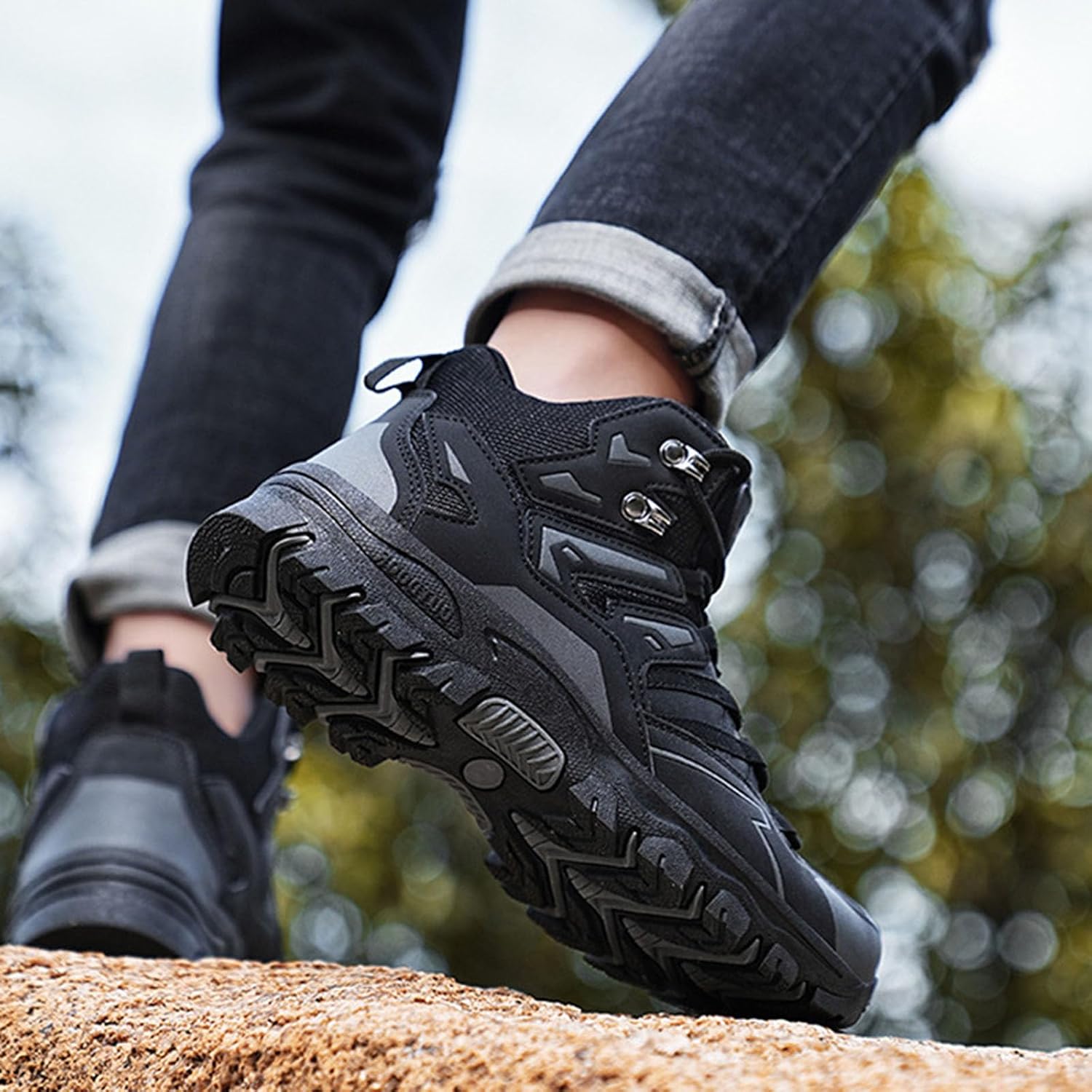
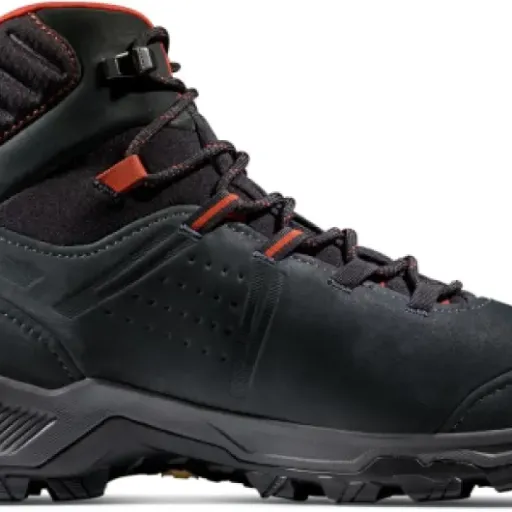
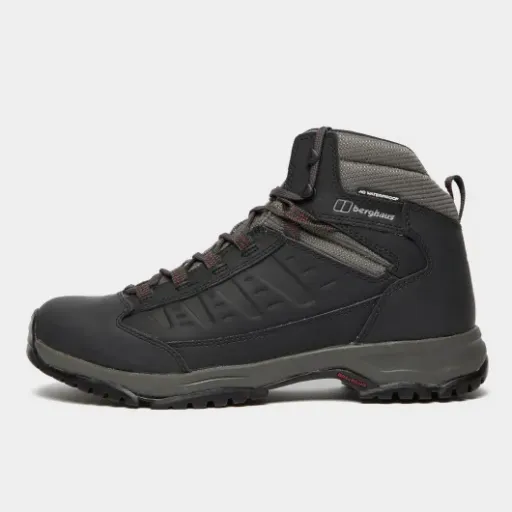
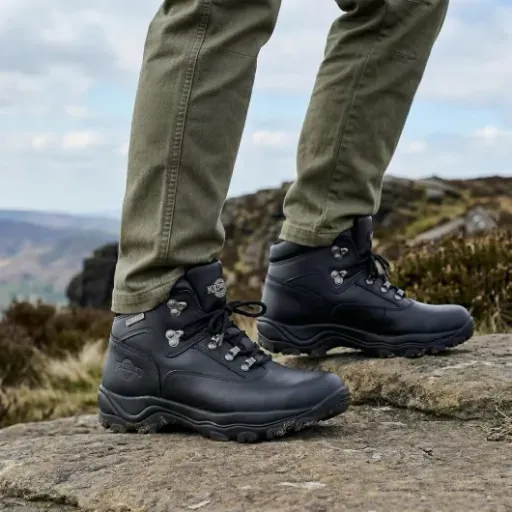
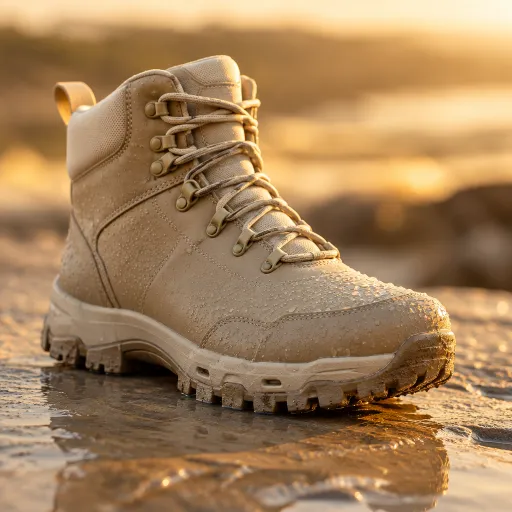
Design-wise, these are pretty traditional hiking boots. Ankle-high, plain toe, black/dark grey leather upper, and a fairly chunky sole. On the plus side, that means they don’t stand out too much. I’ve worn them with jeans and they just look like normal outdoor boots, not like I’m halfway through the Pennine Way. The colour is practical too: mud doesn’t show up much, and a quick wipe with a damp cloth makes them look presentable again.
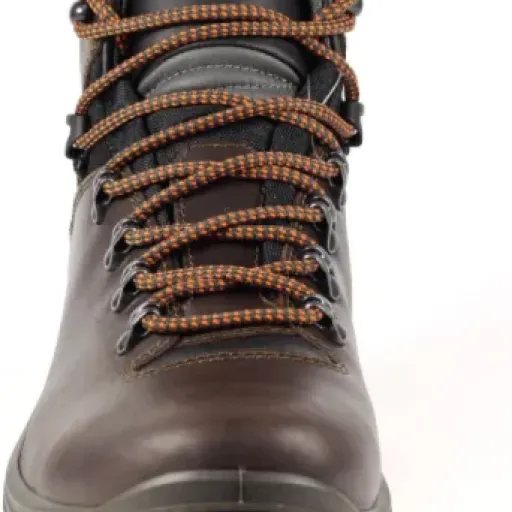
The ankle area has a decent amount of padding and sits at a sensible height: high enough to give some support and keep stones out, but not so high that it digs into your leg. The tongue is gusseted, so water and mud don’t slip straight into the boot. It’s a fairly standard design choice, but it works. The lacing system is simple: normal eyelets lower down and hooks at the top so you can get them on and off quickly. I found it easy to adjust tightness around the ankle separately from the forefoot, which helped avoid pressure on my toes on downhill sections.
One thing to mention: the silhouette is a bit on the bulky side compared to more modern lightweight hikers or approach shoes. If you’re coming from trail runners or very light boots, these will feel more substantial on your feet. That can be good – more protection, more support – but also means they’re not the most agile feeling boots. I did notice the bulk a bit when walking on tarmac or going up stairs; they feel more at home on trails than in the city.
In short, the design is practical and conservative. No bright colours, no fancy patterns, just a basic hiking boot layout that focuses on function. It suits someone who wants a boot that blends in and feels sturdy, but if you want something sleek and sporty, these might feel a bit old-school.
Comfort: good once broken in, but not slipper-like
Comfort is where these boots are pretty solid, but with a couple of caveats. Straight out of the box, I did a 6 km mixed walk (tarmac, fields, a bit of rocky path). I didn’t get full-on blisters, which is already a win for new leather boots, but I did feel some rubbing on the back of my heel and a bit of pressure across the top of my foot when going downhill. After about three walks, the leather started to soften and that pressure eased, so I’d say they need a short break-in period rather than being instantly comfy.
The cushioning from the EVA midsole and OrthoLite footbed is noticeable. On hard ground like pavements or packed gravel, you can feel the impact being absorbed more than with cheaper, flat-soled boots. My knees and hips felt fine after a longer 10 km walk, which is usually where I notice bad footwear. Under the forefoot, there’s enough padding that small stones don’t poke through, which is nice on rough paths. If you’re used to very cushioned trail shoes, this still feels firmer, but for a leather boot it’s pretty forgiving.
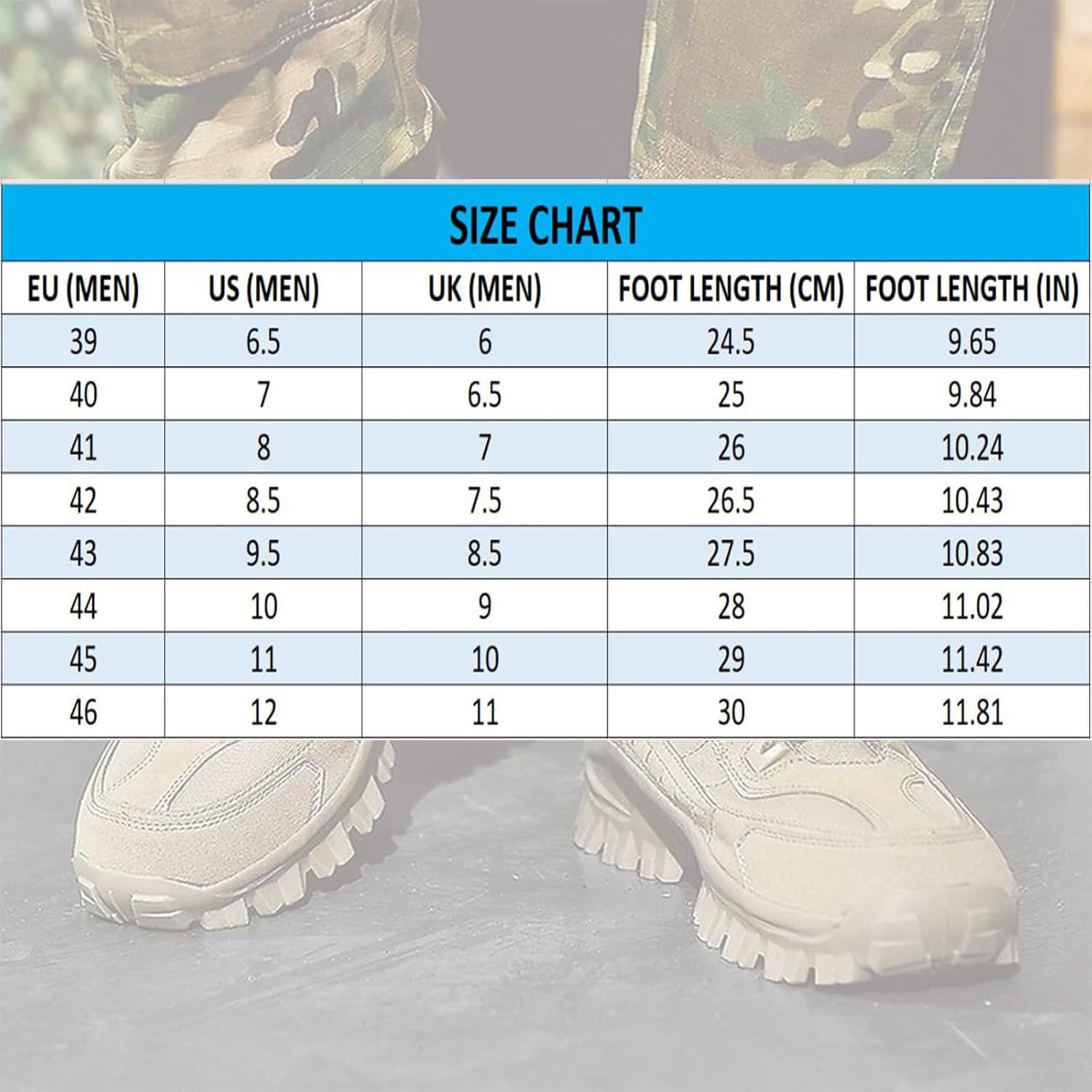
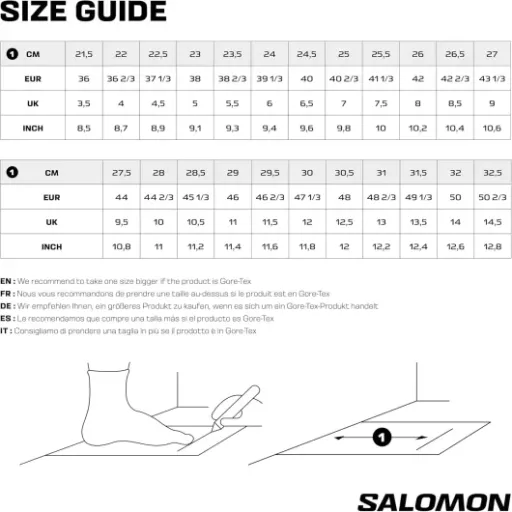
Fit-wise, in my usual size (5.5 UK) they run slightly on the narrow side, especially in the forefoot. I don’t have particularly wide feet, but I noticed it with thicker hiking socks. With normal midweight walking socks, they were okay. If you know you have wide feet or like to wear very thick socks, I’d consider going up half a size. The ankle padding is good – snug but not strangling – and I didn’t get any sharp digging or hot spots around the collar once they were laced properly.
Breathability is average for a waterproof leather boot. On cool, damp days, my feet felt comfortable. On a slightly warmer, brisk walk I definitely noticed my feet getting warm, though not soaking with sweat. So comfort-wise: good once broken in, with decent cushioning and support, but don’t expect the airy feel of a mesh trail shoe. They’re better suited to autumn/winter or cooler spring days than hot summer hikes.
Materials: tough leather, EVA sole, and a waterproof lining that actually works
The upper is made from leather that’s treated to be scuff resistant, and it does feel tough to the touch. After a few muddy walks and some accidental kicks against rocks and curbs, I’ve only seen light marks that wiped off easily. This isn’t soft, glove-like leather – it’s more rigid and workmanlike, which helps with durability but means they take a bit of time to soften up. The label mentions that the leather comes from a Leather Working Group certified tannery, which is a small environmental plus if you care about that side of things.
Inside, you’ve got a mix of waterproof fabric, mesh, and a suede-like lining around the ankle. The waterproof AQ membrane is the main feature here. I walked through long wet grass, shallow puddles, and properly soggy mud, and my socks stayed dry. That’s exactly what I wanted. The flip side is that, like most waterproof boots, they’re not the most breathable thing in the world. In cool weather they’re fine, but on a warmer, fast-paced walk I did feel some heat build-up. Not unbearable, but if you mostly walk in warm, dry conditions, this might be overkill.
The sole is made from EVA (Ethylene Vinyl Acetate) with Berghaus’ OPTI-STUD pattern. EVA is common in running shoes and hiking boots because it’s light and cushions impact. Under the heel and midfoot you can feel a bit of that bounce, which helps on longer walks and hard surfaces. The insole is an OrthoLite manmade insert – removable, with a bit of arch support and some cushioning. It’s decent, but if you have fussy feet or use custom insoles, you might want to swap them out for something more tailored.
Overall, the materials feel geared towards durability and weather protection rather than maximum softness or lightness. That’s not a bad thing, just a clear trade-off. If you want a boot you can abuse in mud, rain, and rough paths, the leather and waterproof lining make sense. If you want airy, trainer-like comfort, you’ll probably find these a bit overbuilt.
Durability: built to take abuse, but you feel it in the weight
It’s always tricky to talk about durability after just a few weeks, but there are some clear signs with these. The leather upper feels thick and properly treated, not flimsy. After several muddy, gritty walks and a couple of times lazily kicking them off with the other foot, they’ve picked up minor scuffs but nothing worrying. The scuff-resistant treatment seems to do its job: marks are mostly surface-level and a quick wipe makes them look fine again.
The stitching all around the upper and along the sole line looks tight and even. I didn’t see any loose threads or gaps. The metal eyelets and hooks feel solid; no bending or flaking yet. The sole is firmly attached with no signs of separation. The OPTI-STUD lugs haven’t rounded off at all in my short test, which is what I’d expect, but the rubber compound feels hard enough that I don’t see them wearing down extremely fast unless you’re doing loads of road walking.
The downside of this durability-focused build is the weight and stiffness. The boots are not ridiculously heavy, but you do feel them on your feet compared to lighter synthetic hikers. Over a long day, that adds up a bit. The stiffness should ease slightly over time as the leather breaks in, but I don’t expect these ever to feel floppy or trainer-like. They’re clearly made to last through multiple seasons of wet, muddy abuse rather than feel ultra light from day one.
From what I can see so far, if you take basic care of them – clean off mud, maybe use a leather treatment now and then – these should easily handle a few years of typical weekend walking and daily dog walks. If you’re rough on gear and want something that feels like it can take a beating, these boots lean that way. If you prefer super light, flexible shoes and don’t care as much about long-term toughness, you might find them a bit overbuilt.
Performance: grip and waterproofing are the main strengths
In actual use, these boots are clearly built for typical British-style conditions: mud, wet grass, and slippery paths. The OPTI-STUD sole pattern gives a pretty confident grip on damp ground. I tested them on a muddy woodland path after rain, plus some wet grass slopes. I didn’t feel like I was skating around, and they bit into the ground reasonably well. On wet rock they’re okay, not magical – I still took care, but I didn’t have any scary slips. On tarmac and hard surfaces, they feel stable, though the sole is a bit stiff, so they’re not the most flexible or springy.
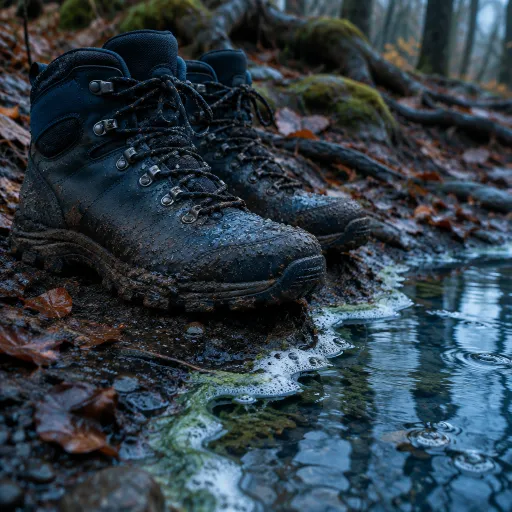
Waterproofing is where they do very well. The AQ waterproof lining, combined with the leather upper, kept my feet dry through several walks in drizzle and light rain, plus a few puddle crossings up to just below the laces. After about an hour in wet grass, my trousers were damp but my socks were still dry. That’s really the main reason to buy this type of boot. The trade-off, as mentioned, is that breathability is only average, but for cold, wet months I’d much rather have dry feet than slightly cooler toes.
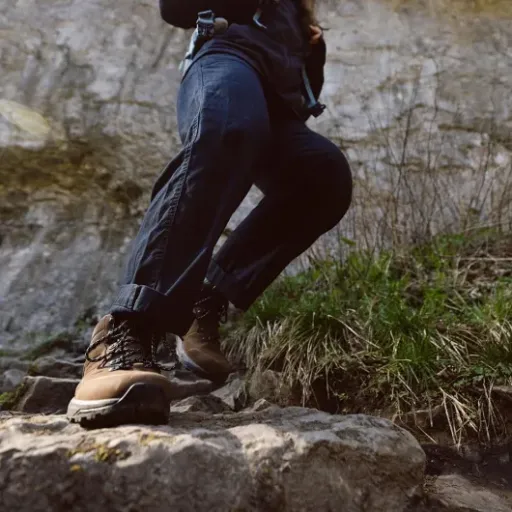
Support-wise, the ankle height and fairly stiff sole give a decent sense of stability. On uneven trails with roots and small rocks, my ankles felt supported and I didn’t get that wobbly feeling you sometimes get with low-cut shoes. They’re not mountaineering boots, so I wouldn’t pick them for serious scrambling or very steep rocky terrain, but for low-level hiking, country parks, and long dog walks, they’re more than enough. The flat heel type means there’s no weird tilt, which my knees appreciated on longer outings.
So in performance terms: strong on grip and waterproofing, solid on support, a bit average on flexibility and breathability. If your regular walks involve a lot of mud, rain, and uneven paths, these boots get the job done. If you mainly walk on dry, flat ground, they might feel like more boot than you really need.
What you actually get when you open the box
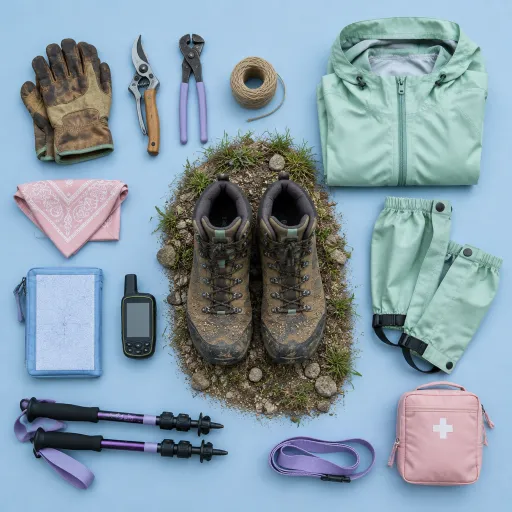
In terms of presentation, there’s nothing fancy going on here, which I actually appreciate. The boots arrived in a standard Berghaus box, basic cardboard, with some paper stuffing inside to hold the shape. No extra insoles, no spare laces, no pouch – just the boots and the tags. If you like a lot of accessories or clever packaging, you won’t get that. But for me, I’d rather they put the money into the boot itself than a shiny box that goes straight in the recycling.
When you pull them out, the first impression is that they look like classic hiking boots: black and dark grey, ankle high, quite solid and a bit chunky. They don’t scream “fashion”, but I’d happily wear them around town on a rainy day without feeling like I’m about to climb a mountain. The branding is fairly low-key: a small Berghaus logo, some stitching details, and that’s it. If you want something subtle that doesn’t clash with jeans or walking trousers, they fit that brief.
The laces are decent length and feel sturdy, not those thin ones that fray after a month. The metal eyelets and hooks give a reassuring feel that they’ll last, though time will tell. There’s a tag mentioning the waterproof AQ lining and the Leather Working Group tannery certification, which is nice to know but not something you really feel day-to-day. The insole is OrthoLite-branded, removable, and looks like standard hiking insole quality, nothing fancy but not cheap foam either.
So overall, the presentation is very straightforward: no thrills, no gimmicks, just a functional pair of boots. If you like gear that feels like a tool rather than a fashion item, you’ll probably like the way these are put together. If you’re looking for a premium unboxing experience, you’re not going to get that here, and honestly, I didn’t miss it.
Pros
- Very effective waterproofing keeps feet dry in wet grass, puddles, and rain
- Robust leather upper and solid construction that feel built to last
- Good grip from the OPTI-STUD sole and decent cushioning from EVA midsole and OrthoLite insole
Cons
- Slightly heavy and stiff compared to lighter, more modern hiking shoes
- Fit runs a bit narrow, especially with thicker socks, so wide feet may struggle
Conclusion
Editor's rating
After using the Berghaus Women’s Expeditor Ridge 2.0 boots in real, messy conditions, my take is pretty straightforward: they’re solid, practical boots that focus on keeping your feet dry and supported, with a bit of extra weight and stiffness as the trade-off. The waterproofing actually works, the grip is reliable on typical muddy and wet paths, and the cushioning is decent once you’ve broken them in. They feel like boots designed for regular use in bad weather rather than for posing in photos.
They’re best suited to people who walk a lot in autumn and winter: dog owners, weekend hikers, and anyone who spends time on wet, uneven ground. If you don’t mind a short break-in period and a slightly chunky feel, you’ll probably be happy with them. On the flip side, if you mainly walk in dry, warm conditions, prefer very light and flexible shoes, or have wide feet that hate narrower boots, I’d look at other options. There are more breathable, sportier models out there that might suit you better.
Overall, I’d rate them 4/5. Good, dependable boots with strong waterproofing and durability, but not the lightest or breeziest. If you want a no-drama pair of walking boots that can handle mud, rain, and everyday abuse without falling apart, these are a sensible choice. If you’re chasing that super light, trainer-like comfort, these will feel a bit old-school.