
Summary
Editor's rating
Value for money: decent, but not a bargain
Design: halfway between hiking boot and approach shoe
Comfort & fit: good support, but only if your foot matches the shape
Materials & build: sturdy, but not exactly plush
Durability & long-term feel (so far)
On-trail performance: where these boots make sense
What you actually get with these boots
Pros
- Very good grip and stability on rocky and mixed terrain thanks to the Vibram Hike Approach sole
- Strong protection with full rubber rand and solid toe cap for scree and rocks
- Heel hold and support are excellent once lacing and Multi-Fit insole are adjusted
Cons
- Fit is on the snug/stiff side and can be tricky for wide or very sensitive feet
- Heavier and more rigid than needed for easy, flat trails or casual use
- Requires some break-in and lacing tweaks before reaching optimal comfort

Specifications
View full product page →| Brand | Salewa |
Mid-cut boots that try to do a bit of everything
I’ve been using the Salewa MS Alp Trainer Mid Gore-TEX (black, size 11 UK) for a few weeks on mixed terrain: forest trails, rocky paths, a bit of wet grass and muddy slopes. I’m not sponsored, I paid for them myself, and I also own boots from Scarpa and Salomon, so I’ve got a decent point of comparison. Overall, these Salewas are pretty solid, but they’re not perfect and they won’t suit every foot shape.
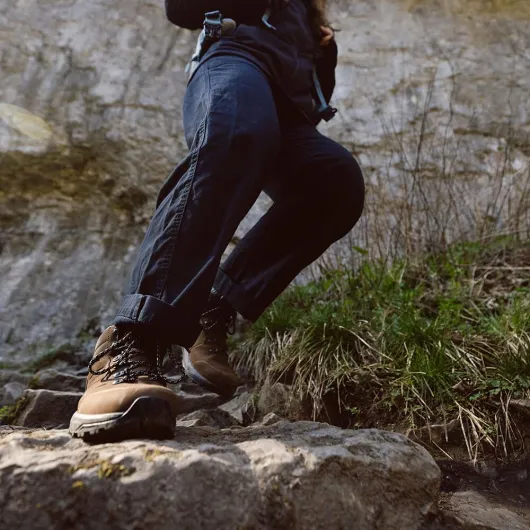
The first thing that stood out is the mix between a hiking boot and an approach shoe. The cut is mid, the sole is quite rigid, and the lacing goes far down towards the toes. On easy trails they feel slightly overbuilt, but on rocky ground they make more sense. If you mainly do Sunday walks on flat tracks, you probably don’t need this kind of boot. If you like steeper, more technical paths, then the design starts to pay off.
I wore them straight out of the box on a 10 km hike, then a couple of 15–18 km days with some scrambling. No full-day alpine mission yet, but enough hours to see where they shine and where they’re a bit annoying. I didn’t get blisters, which is already a good sign, but I did need to play with the lacing and insoles quite a bit to get them dialed in.
In short: they do the job for mixed mountain hiking, wet and dry, with good grip and proper support. On the downside, they’re not exactly light or soft underfoot, and the fit is quite particular. If your feet are wide or very sensitive, you’ll want to try them on properly and not just order your usual size blindly.
Value for money: decent, but not a bargain
In terms of price, the Salewa Alp Trainer Mid Gore-TEX usually sits in the mid to upper segment of hiking boots, depending on the deal you find. You’re paying for a Gore-Tex membrane, a Vibram sole, and a fairly technical construction with the 3F system and multi-fit insole. Compared to cheaper boots from entry-level brands, you do feel the difference in grip, support and materials. Compared to some higher-end models from Scarpa or La Sportiva, it’s a bit more affordable, but not by a huge margin.
For the money, you get a boot that’s solid for real mountain use, with good protection and decent durability. If you regularly hike on rocky, uneven terrain and want something that can handle wet conditions without falling apart in a year, the price starts to make sense. If you’re more of an occasional walker on forest paths, then honestly, this is overkill and you’d be better off with a lighter, cheaper shoe. You’d be paying for features you don’t really need and carrying extra weight for nothing.
Compared to Salomon X Ultra mid or similar models, I’d say these Salewas are a bit more rigid and technical, slightly heavier, and sometimes priced in the same ballpark depending on discounts. If you like a more supportive, precise feel and don’t mind a bit of break-in, the value is there. If you want soft, running-shoe-style comfort, you might feel you paid too much for something that’s not as comfy as you expected.
Overall, I’d call the value good but not outstanding. You’re not getting ripped off, but you’re also not scoring a crazy deal. You pay a fair price for a focused product: a mid-cut, protective hiking boot that makes sense for people who actually go into the mountains regularly. If that’s your use case, the investment is reasonable. If not, I’d save money and weight with a simpler boot.
Design: halfway between hiking boot and approach shoe
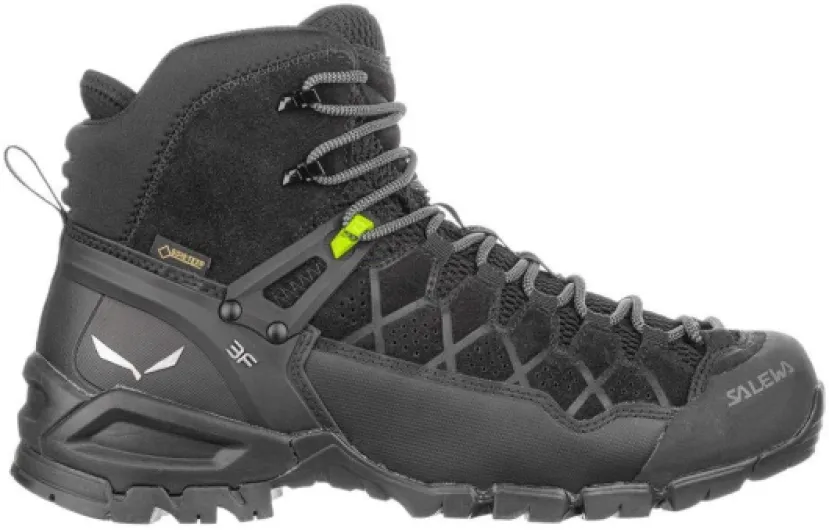
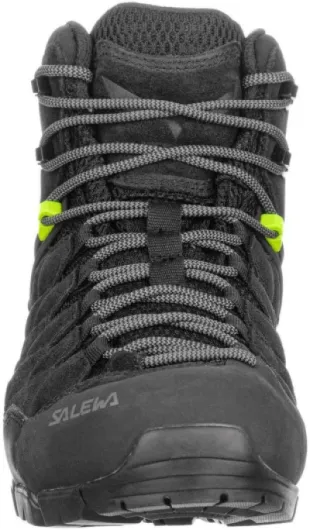
The design is pretty straightforward: mid-cut shaft, classic lace-up closure, and a very protective lower section. The black colourway is discreet, almost a bit boring, but at least it doesn’t scream “neon trail runner”. The front of the boot is well protected with a solid rubber toe cap, and the rand runs all around, which helps against scree and sharp rocks. After a few rocky descents and scraping them against boulders, I only saw light scuffing, nothing that looked like it would peel off.
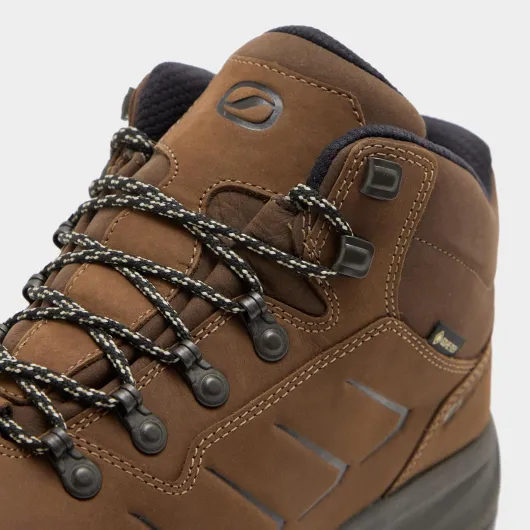
One key design point is the climbing-style lacing that goes almost to the toes. In practice, that lets you fine-tune the forefoot fit a lot more than on standard hiking boots. I like this: on technical sections I can tighten the front for better precision, and on easy trails I loosen it a bit for comfort. The downside is that putting them on and taking them off is slower, because you’re adjusting more eyelets every time. If you’re the kind of person who hates fiddly laces, this might annoy you.
The 3F system (that connection between laces, heel and sole) is visible on the sides, with a sort of plastic frame. It does help keep the heel locked in without needing to crank the laces painfully tight. My heel stayed in place even on steep descents, where I usually get some lift in softer boots. I didn’t experience heel blisters, which is often my main issue with new boots. So on that point, the design actually works as advertised.
Visually, they’re more technical than lifestyle. You won’t mistake them for casual sneakers, but they’re not huge mountaineering boots either. For travel or city use, they’re a bit overkill and look a bit stiff. For hiking trips, they look like what they are: functional gear. If you care a lot about style, these are just okay – nothing ugly, nothing special. The design focuses more on protection and adjustability than on looking cool, and I’m fine with that.
Comfort & fit: good support, but only if your foot matches the shape
Comfort is where these boots can be either very good or a bit frustrating, depending on your foot shape. Salewa pushes the whole “Alpine Fit 100% blister-free” message, plus the Multi-Fit Footbed (MFF) with removable layers. In practice, I had to play around with the insole setup and lacing for a couple of outings before I found a sweet spot. Once adjusted, they were comfortable enough for 6–7 hour hikes, but it wasn’t a simple slip-on-and-go experience.
The fit for me (normal to slightly narrow foot, size 11 UK) is on the snug side, especially in the midfoot. The toe box is not crazy narrow like some climbing shoes, but it’s not super wide either. If you have very wide feet or like a lot of toe splay, I’d be cautious and maybe go half a size up. The heel hold, on the other hand, is excellent. Thanks to the 3F system, my heel stayed locked in on steep descents, and I didn’t get hot spots there, which is usually where I suffer first.
Underfoot, cushioning is decent but not plush. You feel the ground a bit more than in heavily cushioned boots, but in return you get better stability and precision on uneven terrain. After 15+ km days, my feet were tired but not destroyed. On rocky sections, the sole protected well from sharp edges; I didn’t feel painful pressure points under the ball of the foot. The ankle support is there, but the collar is not super soft, so if you crank the laces too hard you can feel some pressure on the front of the ankle. I had to back off the tension slightly at the top to avoid that.
Breathability is okay for a Gore-Tex boot. My feet didn’t overheat too badly in spring temperatures, but I wouldn’t pick these for hot summer city use. They’re clearly tuned for hiking rather than casual wear. Overall, I’d rate comfort as good once dialed in, but with a learning curve. If you’re patient enough to tweak the insole and lacing, they can work well. If you expect instant comfort out of the box and hate any break-in, you might find them a bit stiff and fussy.
Materials & build: sturdy, but not exactly plush
Material-wise, you get a mix of suede leather in the upper with synthetic reinforcements, a Gore-Tex Extended Comfort membrane as the waterproof layer, and a Vibram Hike Approach outsole with an EVA midsole. Inside, they’re basically unlined apart from the membrane, which gives a more direct, slightly firmer contact compared to heavily padded boots. If you’re used to soft, cushioned trail shoes, the first try-on can feel a bit harsh and rigid.
The suede parts feel decent quality. After several hikes with mud, rocks and some brushing against roots, the leather has marks but no tearing or suspicious thinning. The rubber rand is thick and wraps nicely around the vulnerable zones. I kicked a few rocks by accident on descents, and the toe protection did its job. No pain, and no visible damage beyond cosmetic scratches. The stitching lines are straight and even; I didn’t spot loose threads or glue oozing out, which I do sometimes see on cheaper boots.
The Gore-Tex membrane here is the Extended Comfort version, which is meant for more active use and not heavy insulation. In practice, that means: good waterproofing, fair breathability, but don’t expect miracles in hot weather. On a wet, cool day (around 10–12°C) walking through wet grass and shallow puddles, my feet stayed dry. On a warmer 20–22°C day with some climbs, my socks got damp from sweat, but not worse than other Gore-Tex boots I own. It’s just the usual trade-off: waterproof means less airflow than non-membrane shoes.
Overall, the materials feel like they’re built to last a few seasons of regular hiking. They’re not ultra-luxurious or soft to the touch, but they inspire more confidence than very light synthetic-only boots. The downside is that they need a bit more break-in time and they don’t feel as comfy straight out of the box. If you prioritise durability and protection over a slipper-like feel, you’ll probably be happy. If you want something super cushioned and flexible on day one, these might feel a bit too rigid and technical.
Durability & long-term feel (so far)
I haven’t owned these for years, but after several solid outings and some deliberate abuse, I have a reasonable idea of how they might age. The combination of suede + full rubber rand + Vibram sole feels built for rough use. I dragged them over rocks, scraped them on roots, and stomped through mud. Apart from cosmetic scuffs on the suede and rubber, there’s no sign of delamination or serious wear yet.
The outsole lugs show very light rounding on the most used zones (heel and forefoot), which is normal after a few hikes. Nothing concerning. Compared to some softer rubber soles I’ve had that start to melt away quickly on rocky terrain, this one seems a bit more durable, with the trade-off of not being as quiet or cushy on tarmac. If you walk a lot on asphalt, you’ll feel the stiffness and probably wear the lugs faster, but that’s not really what these are meant for.
The stitching and glue lines are holding up fine so far. No gaps between the upper and the sole, and no loose threads. The hooks and eyelets for lacing feel solid; I tug the laces quite hard to lock the heel, and nothing has bent or loosened. The leather will obviously need some care if you’re often in wet conditions – a quick clean and occasional waterproofing spray or wax will help it stay in good shape. Without that, it’ll dry out and crack over time like any leather boot.
Given the build, I’d expect these to last multiple seasons of regular hiking if you’re not doing daily heavy-duty work in them. They’re not indestructible, but they do feel more robust than very light textile-based hiking shoes. If your priority is a boot that you don’t have to baby and can scrape against rocks without panicking, these are in that category. Just don’t expect them to age like a soft sneaker; they’ll keep that slightly rigid, technical feel throughout their life.
On-trail performance: where these boots make sense
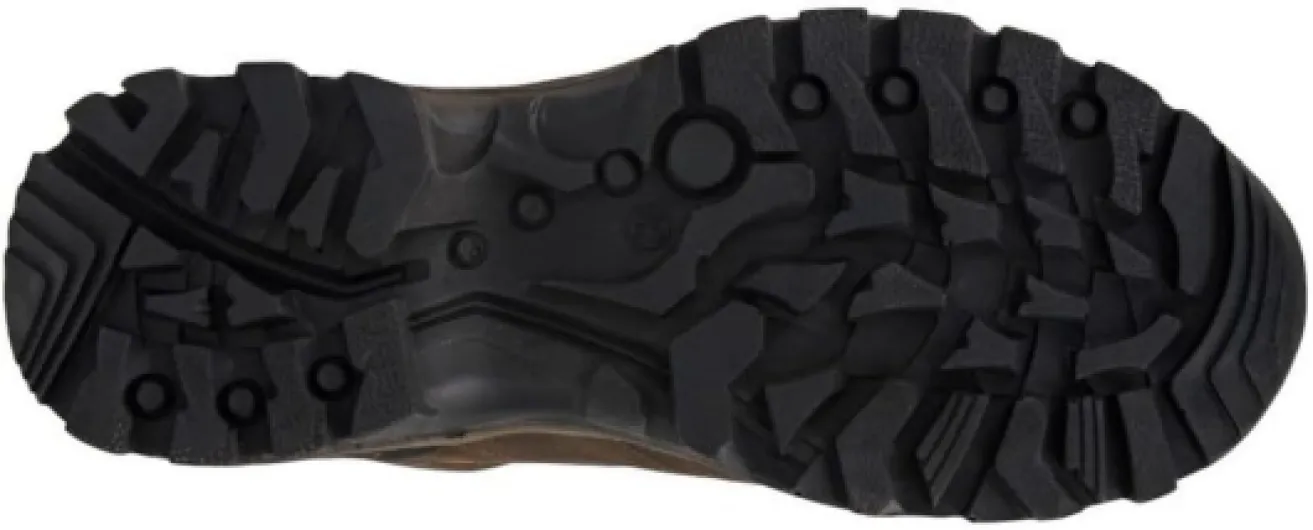
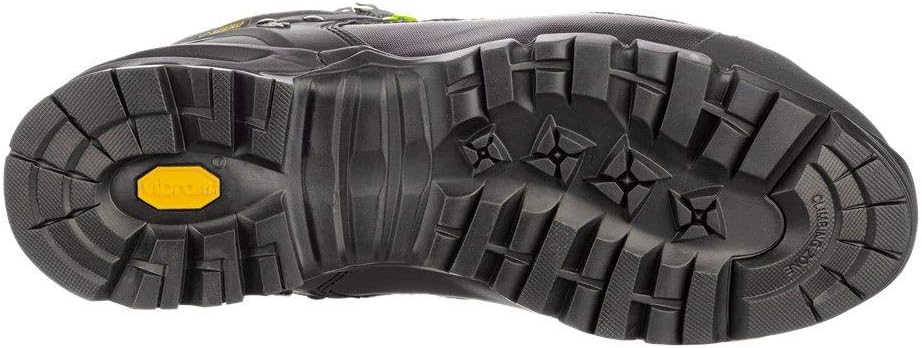
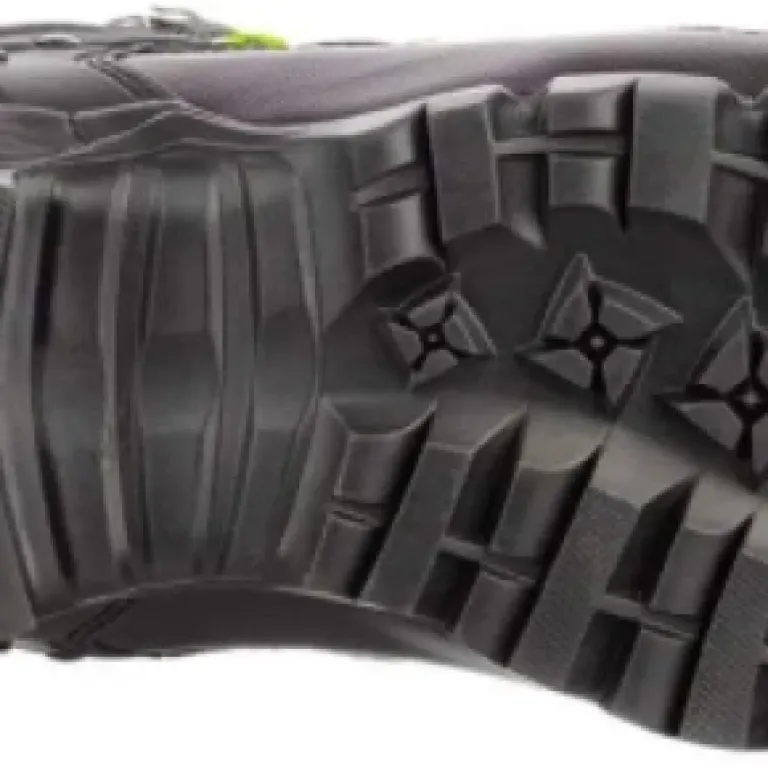
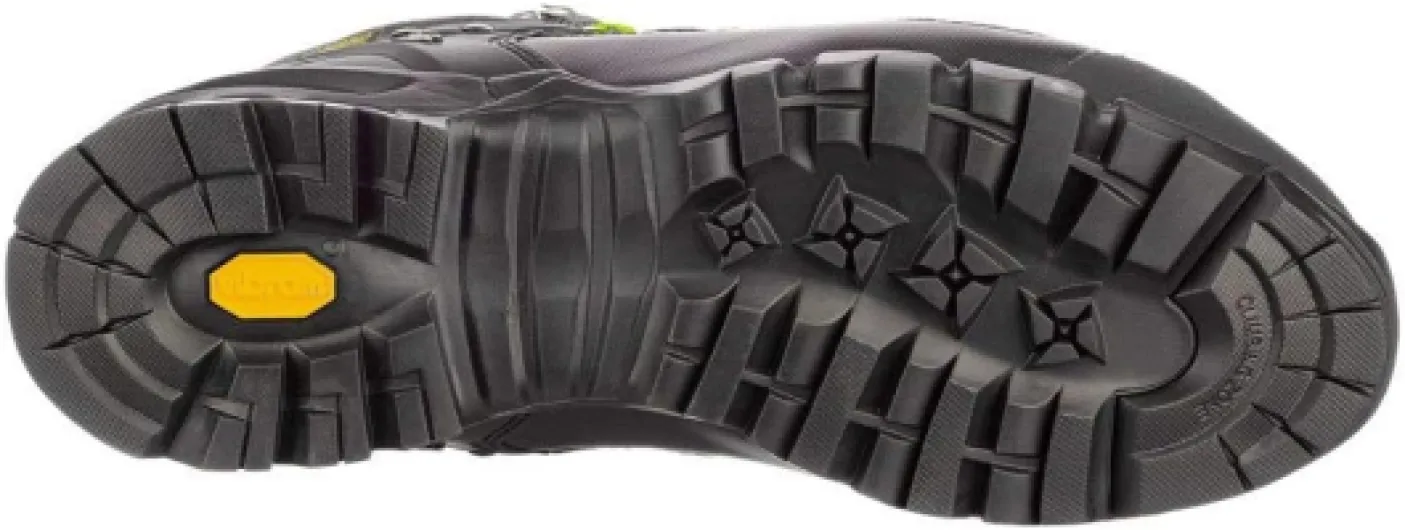
On the trail, the Alp Trainer Mid Gore-TEX starts to show why it’s built the way it is. The Vibram Hike Approach sole has a fairly aggressive tread and a rubber compound that grips well on rock and dirt. On dry rocky slabs and mixed gravel, I felt secure. The front of the sole has a bit of a climbing zone, which helps when you’re edging on small ledges or stepping precisely on rocks. It’s not a full approach shoe, but it’s definitely more precise than a floppy hiking trainer.
On wet ground, grip stayed decent. I tested them on damp forest trails, wet roots and some muddy sections. They’re not magic on greasy mud (no boot is), but I didn’t have any scary slips. The lugs clear mud reasonably well; they don’t clog instantly like some smoother soles. On steep descents, the heel brake does its job, and I felt confident putting weight on them without the sensation of sliding backwards. For via ferrata or rocky alpine paths, I’d rate the grip as more than adequate for this boot category.
Support-wise, the mid-cut shaft and the 3F system give a stable feel. My ankles felt held without being completely locked. I did a couple of side-hill traverses on uneven ground, and the boot kept my foot from rolling too much. The sole has limited torsional flex, which is good for protection but means they’re not super bendy. If you try to run or move very fast, they feel a bit clunky compared to trail runners. For steady hiking and light scrambling, though, they’re in their element.
Waterproofing was solid in my tests: walking through wet grass and shallow puddles, plus standing briefly in a stream, no water got in. Over time, that of course depends on how you maintain the leather and the membrane, but out of the box it works. The only real drawback in performance is the weight and stiffness if you mainly do easy, flat trails. On mellow terrain, they feel like overkill and a bit tiring compared to lighter shoes. So performance is strong in the right context (rocky, technical, mixed conditions) and just “okay” if you’re mostly strolling on flat paths.
What you actually get with these boots
The Salewa MS Alp Trainer Mid Gore-TEX is sold as a men’s mid-top trekking and hiking boot with a waterproof Gore-Tex Extended Comfort membrane and a Vibram Hike Approach outsole. Mine are the black colour in size 11 UK. On the box and tags, Salewa really pushes three things: waterproofing, Vibram grip, and their 3F system / Alpine Fit that’s supposed to keep you blister-free. The Amazon rating hovers around 4.2/5 with more than 2,000 reviews, so clearly a lot of people have tried them already.
On paper, the boot uses a suede upper with a full rubber rand around the lower part, plus synthetic parts higher up. Inside, it’s basically unlined apart from the Gore-Tex layer, so you don’t get that thick, padded feel you have on heavier winter boots. The sole stack is synthetic (EVA midsole, rubber outer), and the weight is given as roughly 540 g per shoe, which matches what you feel in hand: not ultra-light, but not a brick either. More like a mid-weight boot aimed at proper mountain use rather than casual walking.
In the package, there’s nothing fancy: just the boots, some paper stuffing and tags. No spare laces, no extra insoles beyond the Multi-Fit Footbed system, and no care kit. For the price point, that’s pretty standard. The Multi-Fit insole is interesting though: it comes in layers you can remove to adjust volume. If you have a low volume foot, you keep everything; if your foot is higher, you can strip a layer to give yourself more room.
In terms of position on the market, I’d put these against the likes of the Salomon X Ultra mid, Scarpa Zodiac/Trek range, or La Sportiva’s light trekking boots. They’re clearly meant for people who go beyond just flat forest walks: think trekking routes, via ferrata approaches, rocky hikes with some scrambling. If that’s not your use case, you’re probably paying for features you won’t fully use.
Pros
- Very good grip and stability on rocky and mixed terrain thanks to the Vibram Hike Approach sole
- Strong protection with full rubber rand and solid toe cap for scree and rocks
- Heel hold and support are excellent once lacing and Multi-Fit insole are adjusted
Cons
- Fit is on the snug/stiff side and can be tricky for wide or very sensitive feet
- Heavier and more rigid than needed for easy, flat trails or casual use
- Requires some break-in and lacing tweaks before reaching optimal comfort
Conclusion
Editor's rating
The Salewa MS Alp Trainer Mid Gore-TEX is a solid mid-cut hiking boot aimed at people who spend real time on rocky, uneven terrain and want proper support and protection. The grip from the Vibram sole is reliable, the waterproofing works, and the 3F system keeps the heel nicely locked in. Once you’ve tweaked the Multi-Fit insole and lacing, comfort is good for long days, and the boot feels stable and trustworthy on steep or technical sections. It’s not a soft sneaker, but it does its job well in the mountains.
On the downside, the fit is quite specific: snug in the midfoot, not super wide in the toe box, and a bit stiff out of the box. If your feet are wide or very sensitive, or if you expect instant slipper-like comfort, you might be disappointed. They’re also a bit heavy and overbuilt for casual, flat-path walking, where a lighter shoe would feel better and cheaper. The price is fair for what you get, but it’s not a bargain, so it only really makes sense if you’ll use the technical features regularly.
I’d recommend these boots to hikers and trekkers who tackle mixed, sometimes rough terrain, value protection and support, and don’t mind spending some time dialing in the fit. If you mainly walk on easy trails, prefer very soft cushioning, or have very wide feet, I’d look at other models before pulling the trigger on these.