
Summary
Editor's rating
Value: not cheap, but you do get a proper boot for your money
Design: practical, a bit chunky, and not really fashion-focused
Comfort: good out of the box, better after a couple of hikes
Materials: leather where it counts, synthetic where it’s easier
Durability: feels built for a few seasons, not a single trip
Trail performance: grip and support are the main strengths
What you actually get when you unbox them
Pros
- Very good grip and stability thanks to the Vibram sole and mid-cut support
- Comfortable padding and decent fit out of the box, with minimal break-in
- Reliable Gore-Tex waterproofing and generally robust nubuck leather build
Cons
- Noticeably heavier and warmer than lighter hiking shoes or trail runners
- Stock insole is basic and may need upgrading for better support
- A bit clunky and overbuilt for mostly urban use or very easy flat walks

Specifications
View full product page →| Brand | Mammut |
Midweight boots that don’t try to be something they’re not
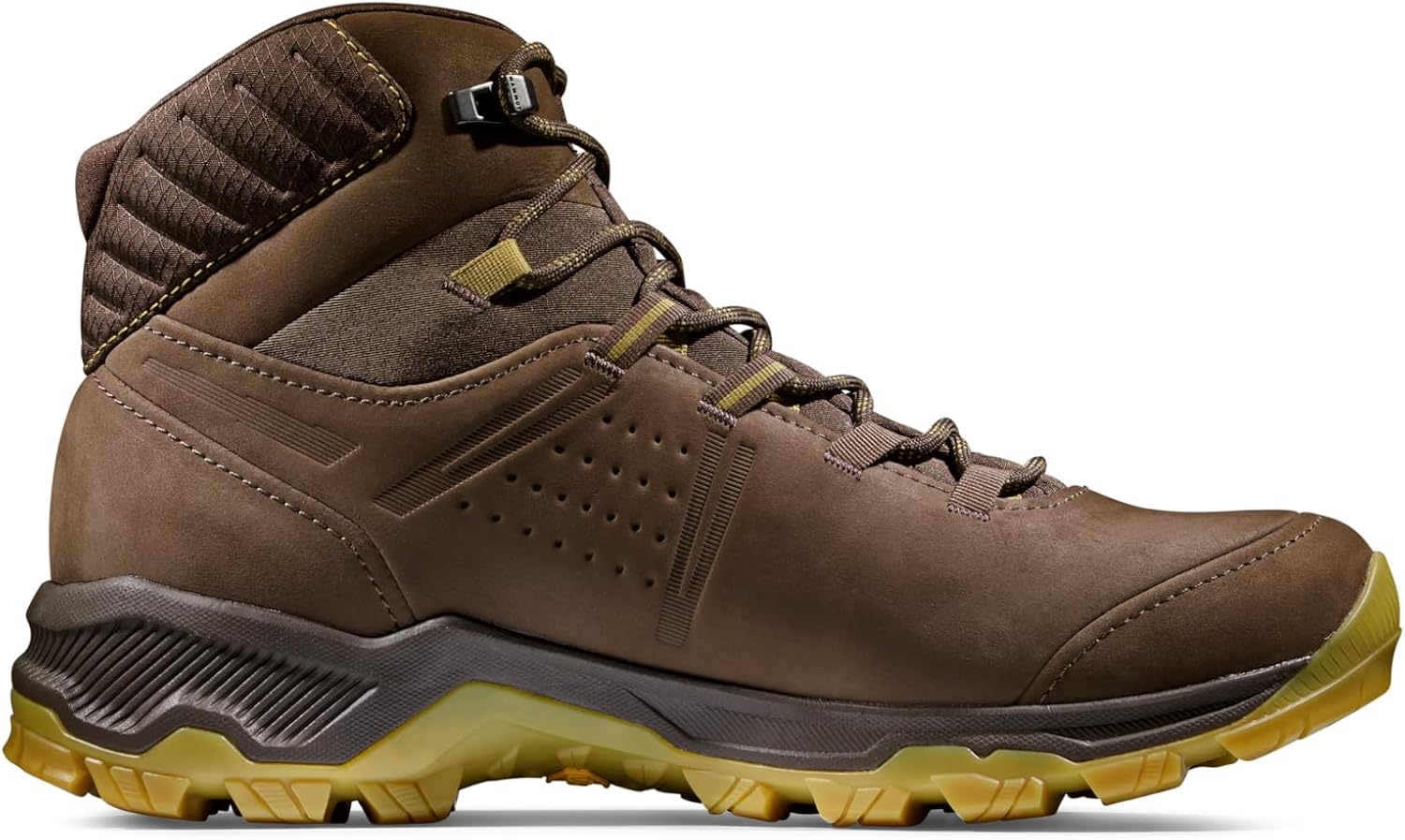
I’ve been using the Mammut Mercury IV Mid GTX in Moor Amber Green (size 11.5 UK) for a few weeks on mixed terrain: wet forest tracks, rocky hill paths, and a couple of long, boring gravel roads. I’m not sponsored, I paid for them, and I went in pretty neutral. I just wanted a mid-cut boot that was lighter than a full leather tank but sturdier than a trail runner.
The simple version: these boots are pretty solid all-rounders. They’re not super light, they’re not ultra-rugged mountaineering boots either. They sit right in the middle, which in practice means they’re good for day hikes and weekend trips, and probably overkill for easy park walks. They don’t feel cheap, but they also don’t feel like some luxury item you’re scared to scratch.
In real use, what stood out to me most was the grip of the Vibram sole and the general comfort out of the box. I didn’t have a brutal break-in period, just a bit of stiffness the first outing. On wet roots and muddy sections they held up fine, and I never felt like I was skating around. The Gore-Tex liner did its job in puddles and wet grass, but I’ll get into that later.
They’re not perfect. The weight is noticeable if you’re used to trail runners, the ankle padding runs a bit warm, and the price is not exactly budget. But if you want a boot that you can just lace up and go hiking with, without babying it, the Mercury IV Mid GTX fits that role pretty well. I’ll break down what worked for me and what didn’t in more detail below.
Value: not cheap, but you do get a proper boot for your money
Price-wise, the Mammut Mercury IV Mid GTX sits in that mid-to-upper range of hiking boots. It’s not bargain-bin, but it’s also not at the very top with the hardcore mountaineering brands. For what you pay, you’re getting: Gore-Tex waterproofing, Vibram outsole, nubuck leather upper, and a generally solid build. So the feature list matches the price bracket pretty well.
Compared to other similar boots I’ve used (think Salomon X Ultra mid, some Lowa and Scarpa mid models), the Mercury IV feels very much in the same league. You’re paying for a proper hiking tool, not a fashion boot. If you only do one or two easy walks a year, this will feel like overkill both in price and performance. But if you’re out regularly and want one pair of boots that can handle mixed conditions, the value starts to make more sense.
Where it loses a bit on value is weight and versatility. There are lighter boots and even some robust trail shoes that cost similar money and feel better on long, fast hikes. On the flip side, there are heavier full-leather boots that will probably outlast these if you really abuse them. The Mercury IV sits in the middle, which is kind of its thing: jack-of-all-trades, master of none, but reliable.
For me, the value is good but not mind-blowing. You’re basically paying a fair price for a well-made, comfortable, waterproof hiking boot from a serious outdoor brand. If that’s what you need, it’s money reasonably well spent. If you’re just after something to walk the dog on flat paths, you can save cash with something simpler.
Design: practical, a bit chunky, and not really fashion-focused
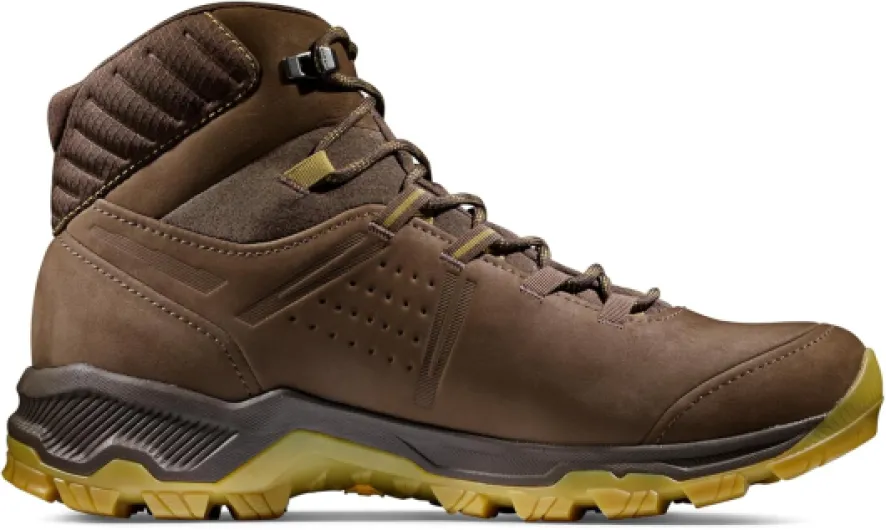
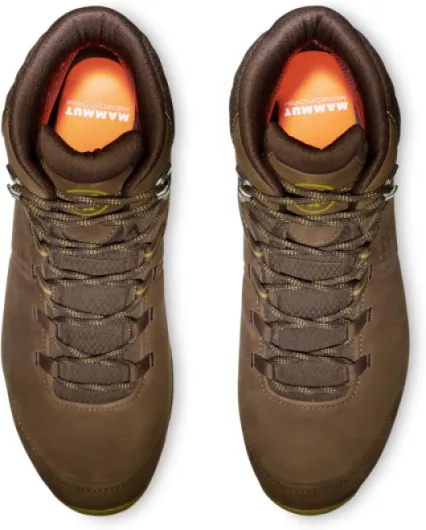
From a design point of view, the Mercury IV Mid GTX goes for practical over stylish. The Moor Amber Green colour is pretty muted – more of an earthy olive/brown mix than a bright green. That’s actually a good thing on the trail: mud and dust don’t stand out, and they don’t scream for attention. But if you’re hoping to wear these as everyday city boots, they definitely look more like hiking kit than streetwear.
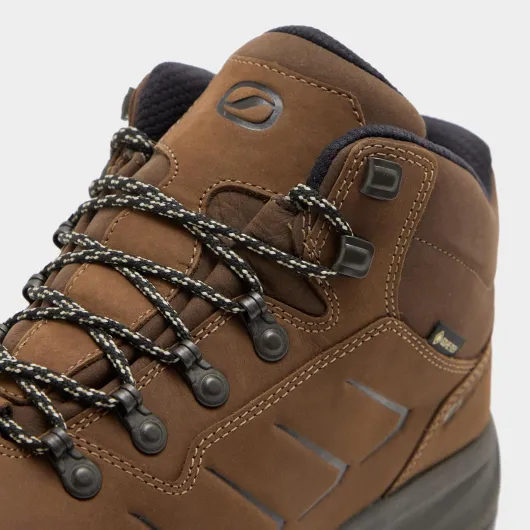
The mid-top cut hits right at the ankle, with enough height to give some support without locking your ankle in a rigid cage. The lacing system is simple but works well: standard laces, fabric loops lower down, and metal hooks at the top so you can crank down the ankle separately if you like. I was able to dial in a snug heel lock without crushing my forefoot, which is something that annoys me with some other boots.
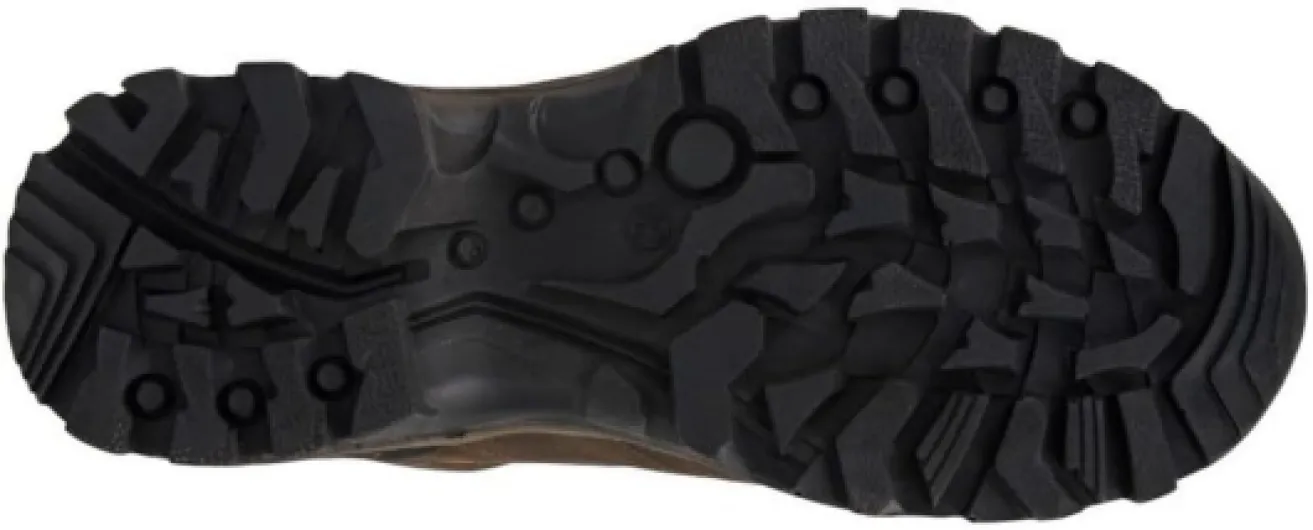
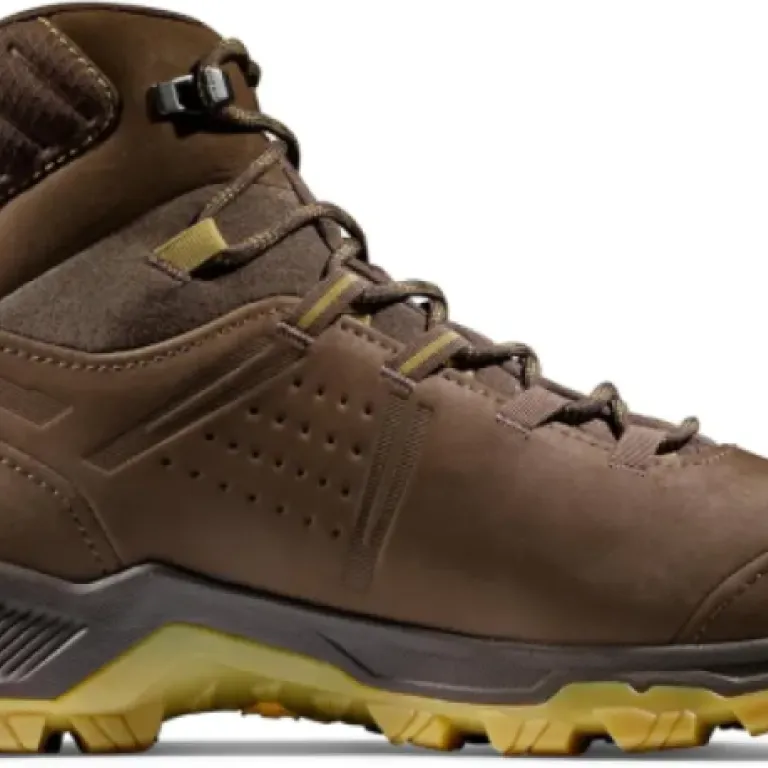
The Vibram outsole design is pretty aggressive: deep lugs, clear channels for mud to escape, and a slightly wider base at the heel for stability. On wet rocks and loose gravel, that design choice pays off – I had decent bite going both up and down. The trade-off is that on hard pavement they feel a bit clunky and loud, and you do feel like you’re wearing a hiking boot, not a sneaker.
One thing to flag: these are not especially sleek. The toe box is reasonably roomy, the ankle area is well padded, and the overall boot looks a bit bulky. For hiking, I like that – my toes had space on descents and I didn’t bash the front constantly. But if you want something that looks slim and sharp, this design isn’t it. It’s very much: “I’m going for a hike, not a photoshoot.” For me, that’s fine, but it’s good to know what you’re getting.
Comfort: good out of the box, better after a couple of hikes
Comfort is where these boots did better than I expected. Out of the box, the 3D Memo Foam padding around the ankle and tongue is noticeable – in a good way. It wraps the ankle quite snugly without any hard pressure points. On my first 10 km hike, I had zero blisters and only a bit of general foot tiredness, which is normal when you switch footwear. No hot spots on the heel, which is usually my problem area with new boots.
The forefoot volume is moderate. I’d say they’re neither super narrow nor especially wide. My feet are slightly on the wide side, and I didn’t feel squeezed. On long descents, my toes didn’t slam into the front, which is always my test for whether a boot is shaped reasonably. If you have very wide feet, you might want to size up half a size or look for a wide version, but for average feet they’re pretty forgiving.
Underfoot, the cushioning is firm but not harsh. You’re not bouncing around like in a running shoe, but you also don’t feel every rock. After about 15–20 km in a day, I could feel the weight a bit in my legs, but my feet themselves were okay. Swapping in my own insoles improved things, especially arch support, but that’s more about my feet than a flaw in the boot. Out of the box, they’re perfectly usable for day hikes.
Ventilation is decent for a Gore-Tex boot but let’s be honest: any waterproof boot is going to run warm in summer. On a warm Spring/Summer day, my socks were damp from sweat by the end, but not soaked. The lining didn’t feel clammy, and once I took them off, they dried overnight indoors without issues. I’d say these are comfortable three-season boots; in hot mid-summer, I’d probably switch to something lighter and more breathable. For mixed weather and shoulder seasons, they hit a nice balance between comfort and protection.
Materials: leather where it counts, synthetic where it’s easier
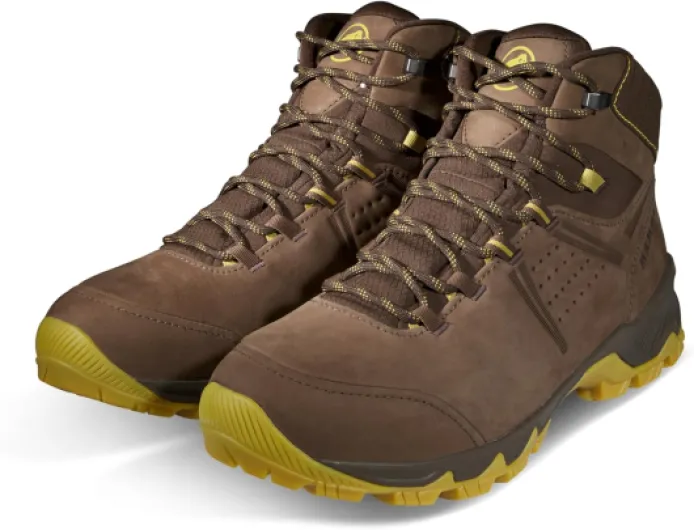
The materials on the Mercury IV Mid GTX are a mix of nubuck leather and synthetics, which is pretty standard for a modern hiking boot. The outer is terracare nubuck leather with some synthetic panels. The leather feels decent in hand – not ultra soft, but firm enough that you believe it will hold its shape and take some abuse. It’s not the stiff, full-grain leather you see on heavy mountain boots, more of a flexible midweight option.
Inside, everything that touches your foot is synthetic: inner lining, insole, and the 3D Memo Foam padding. The insole is just basic synthetic foam – nothing fancy like custom moulding or built-in arch support. I ended up swapping it for my usual aftermarket insoles after a couple of hikes, mostly for better arch and heel support. If you don’t have fussy feet, the stock ones are okay, but they’re pretty standard.
The sole is Vibram rubber, which is kind of the default good choice for hiking soles. It’s grippy and feels tough. After a bunch of rocky paths and some tarmac, the lugs show minimal wear, which is what I’d expect at this price. The midsole layer gives a bit of cushioning without turning the whole boot into a squishy sneaker. You still feel the ground, just not every sharp edge.
Mammut also makes a point about the terracare leather and Gore-Tex membrane being bluesign-certified and the leather being produced in Germany. I can’t really verify the sustainability claims, but if you care about that, it’s at least a step in the right direction. Practically speaking, the materials feel solid and built to last a few seasons if you look after them – clean off the mud, maybe use a leather care product now and then. They’re made in Vietnam, which is pretty normal for this type of boot. Nothing in the materials screamed cheap to me, but they also don’t feel ultra premium – just good, honest hiking boot materials.
Durability: feels built for a few seasons, not a single trip
Durability is always tricky to judge early, but I’ve put these through mud, rocks, wet grass, and some abrasive paths, and so far they’re holding up well. The nubuck leather doesn’t show much scuffing beyond superficial marks that brush off or fade once dry. The stitching is still tight, no loose threads around the flex points or the heel, which is usually where cheap boots start to fail first.
The Vibram sole is the other big piece. After several hikes, the lugs show only light wear on the heel and forefoot edges. No chunks missing, no peeling, and the rubber still feels grippy, not polished. I’ve had cheaper boots where the sole started to flatten quickly – that’s not the case here yet. The board lasting construction also gives the boot a bit more structural integrity, so it doesn’t feel like it’s going to fold in weird ways as it ages.
Waterproofing is still solid. I’ve walked through wet conditions multiple times, and I haven’t noticed any leaks or damp spots around the toe flex area, which is often a weak point. The Gore-Tex liner seems intact. As always, long-term durability will depend on how you treat them: cleaning, drying them away from direct heat, and occasionally reproofing the leather will make a difference.
Overall, these feel like boots you can use regularly for a couple of seasons without babying them. They’re not indestructible – if you’re doing heavy alpine stuff or carrying big loads all the time, you might want something more robust – but for normal hiking, the build quality and materials look up to the job. For the price, I’m comfortable saying they feel reliable rather than disposable.
Trail performance: grip and support are the main strengths
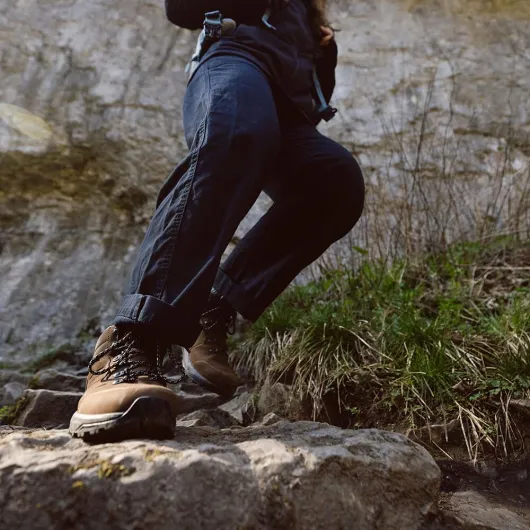
On the trail, the Mercury IV Mid GTX does what you actually want a hiking boot to do: it grips, it supports, and it doesn’t get in the way. The Vibram sole is the standout here. On wet forest paths with roots and mud, I never had that sketchy slipping feeling. Going downhill on loose gravel, the heel brake and deep lugs gave me enough bite to feel in control. You still need to pay attention, but the boots were never the weak link.
Support-wise, the mid-cut ankle and reasonably stiff midsole give a solid platform. I twisted my foot a couple of times stepping on awkward rocks, and the boot kept everything together – I felt the roll, but it didn’t turn into a full-on ankle twist. If you’re coming from trail runners, you’ll notice the extra support immediately. If you’re used to heavy leather boots, these will feel more flexible but still safe.
The Gore-Tex membrane does its job. I stood in shallow puddles and walked through wet grass for a good while, and my socks stayed dry. Crossing streams where water went over the ankle is obviously too much, but that’s on me, not the boot. As usual with Gore-Tex, the trade-off is breathability. They’re fine for cool to mild days, but if you push hard in warm weather, your feet will sweat and the moisture has a hard time escaping quickly.
On hard surfaces like tarmac or compact gravel, they’re okay but not ideal. You feel the stiffness and the lug pattern, and they’re a bit noisy. For approaches and short road sections it’s fine, but I wouldn’t buy these if most of your walking is on pavement. Overall, performance is solid for day hikes and light trekking: good grip, decent support, reliable waterproofing. They’re not technical mountaineering boots, but for typical hiking trails they’re more than enough.
What you actually get when you unbox them
Out of the box, the Mammut Mercury IV Mid GTX looks like a straightforward mid-cut hiking boot. No flashy patterns, no neon highlights, just a fairly muted Moor Amber Green with a solid, chunky sole. In hand, they feel like a proper boot: not featherlight, but not a brick either. My pair in 11.5 UK comes in around the 1.5 kg listed for the pair, which you do feel in your hand but less so once they’re on your feet.
The shape is fairly standard: mid-top height that covers the ankle, closed toe, lace-up system with a mix of fabric eyelets and metal hooks at the top. Nothing fancy, but it’s familiar and easy to adjust. The shaft circumference and ankle cut give a bit of support without feeling like a ski boot. If you’ve worn other mid hiking boots from brands like Salomon or Lowa, the overall silhouette will feel pretty normal.
Inside, you’ve got synthetic lining and a synthetic foam insole, plus what Mammut calls 3D Memo Foam around the ankle and tongue. In practice that means there’s a decent amount of padding without being overstuffed. The outer is terracare nubuck leather with some synthetic bits, and the sole is a chunky Vibram rubber unit with a fairly aggressive tread pattern. It definitely looks more like a hiking boot than a casual shoe, which is exactly what I wanted.
One small thing: the product page randomly lists “Occasion: Wedding”, which is honestly hilarious. To be clear, these are not wedding shoes unless your wedding is on a boggy hillside. They’re purpose-built hiking boots, and the presentation matches that – functional, outdoorsy, and not really trying to pass as lifestyle sneakers. If you want something you can also wear with jeans in town, these might feel a bit too much like proper gear.
Pros
- Very good grip and stability thanks to the Vibram sole and mid-cut support
- Comfortable padding and decent fit out of the box, with minimal break-in
- Reliable Gore-Tex waterproofing and generally robust nubuck leather build
Cons
- Noticeably heavier and warmer than lighter hiking shoes or trail runners
- Stock insole is basic and may need upgrading for better support
- A bit clunky and overbuilt for mostly urban use or very easy flat walks
Conclusion
Editor's rating
After putting some real miles into the Mammut Mercury IV Mid GTX, my overall take is pretty straightforward: it’s a solid, no-nonsense hiking boot that does what it’s supposed to do. Grip is good, waterproofing works, comfort is decent out of the box and better after a couple of outings, and the build feels like it will last more than one season. There’s nothing flashy about it, but on the trail that’s often a good thing.
This boot makes the most sense if you’re doing regular day hikes or weekend trips on mixed terrain – forest tracks, rocky paths, wet grass, that sort of thing. If you want one pair of mid boots you can trust in dodgy weather, this fits the bill. It’s also a good option if you like the security of a mid-cut and a firm sole, but don’t want a super heavy full-leather monster on your feet.
Who should skip it? If you mainly walk on pavement or very easy trails, this is overkill and a bit clunky. If you’re into fast-and-light hiking and count every gram, you’ll probably find it too heavy and warm compared to modern trail runners. And if you do serious mountaineering or carry very heavy loads, you might want something stiffer and more protective. But for most casual to moderately serious hikers, the Mercury IV Mid GTX is a pretty solid, dependable choice that feels fairly priced for what it offers.