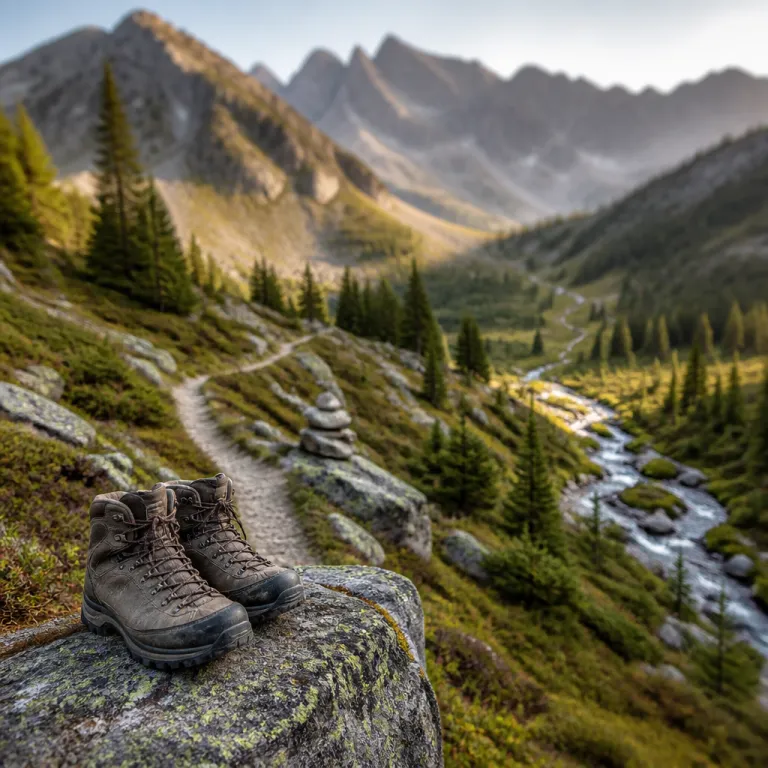

Sport boots for technical hiking: reading the terrain, not the label
Sport boots for serious hiking must translate raw terrain into precise feedback. When you choose a sport boot for alpine routes, you are really choosing how much protection, support, and sensitivity you want underfoot. The right boots let you move with confidence while still feeling every critical change in rock texture.
Experienced hikers often compare the regular hiking boot with a more rigid sport boot that offers maximum protection on scree, snow, and mixed ground. On steep traverses, a stiffer ankle panel and well designed upper give impact protection against rock edges while still allowing a quick response when you edge on narrow ledges. Mountaineers who climb in the Alps or the Rockies usually keep both lighter boots and heavier sport boots in rotation, matching each boot to the route profile and expected load.
From a performance view, the outsole compound and lug geometry matter more than marketing language about footwear categories. A deep, self cleaning tread on sport boots sheds mud quickly, while a flatter climbing zone at the toe improves precision on slabby rock. When you evaluate any boot, look closely at the heel brake, the midfoot torsion, and the ankle support, because these three elements dictate how the boot behaves on long descents with a heavy pack.
Colour is not just an aesthetic choice when you select black or blue sport boots for exposed ridges. Darker boots absorb more heat on glacier approaches, while blue or lighter tones can stay cooler during long summer traverses on south facing slopes. Women and men alike should think about visibility too, because a bright boot can help a partner keep visual contact in broken terrain.
For outdoor enthusiasts stepping up to multi day routes, a clear size guide is essential to avoid toe bang on descents. Always check the size guide against your foot length in centimetres, then test the boots on an incline board to confirm that your toes do not hit the front of the boot. A well fitted pair of sport boots should lock the heel, cradle the midfoot, and leave enough room in the toe box for natural swelling over long days.
Retailers often present a quick view of each boot’s specifications, but serious hikers should go beyond that surface level. Use the quick view only as a starting point, then read the full technical details about midsole stiffness, shank design, and ankle height before committing to a purchase. When possible, visit a specialist shop where staff can assess your gait and recommend a sport boot that matches your biomechanics and pack weight.
Understanding price, value, and protection in modern sport boots
Price alone tells you very little about how a sport boot will perform on a remote ridge. What matters is how the retail price translates into long term durability, protection, and comfort over hundreds of kilometres. A higher unit price can be excellent value if the boots survive multiple seasons of demanding use.
Many brands now list a regular price alongside a temporary sale price, and this can distort how hikers judge quality. Focus first on construction details such as full rubber rand coverage, double stitching on high wear zones, and the density of the midsole foam before you let a sale price sway your decision. When you compare boots regular versus discounted models, ask whether the cheaper boot compromises on impact protection or ankle stability that you will later regret on exposed traverses.
Some specialist retailers provide a price compare tool that lets you see the price regular, the current sale price, and sometimes even a historical unit price trend. Use this type of price compare function to understand whether a sport boot is genuinely discounted or simply marked down from an inflated regular price. For experienced mountaineers, it is often smarter to pay the regular price for a proven boot than chase a price quick bargain on an untested model.
Online shops often include a quick view panel that highlights weight, drop, and recommended use for each boot. Treat this quick view as a guide, then open the full product page to examine the view panel that lists outsole compound, crampon compatibility, and waterproof membrane details. The more technical your routes, the more you should interrogate every panel of information before trusting a boot with your safety.
Some brands now integrate concepts from sports medicine into their sport boots, especially around ankle bracing and shock absorption. While a hiking boot is not a medicine boot in the clinical sense, design teams do consult sports medicine specialists to tune cushioning and support for long duration load carriage. This collaboration helps reduce overuse injuries by balancing flexibility with maximum protection in key zones such as the heel and forefoot.
When you read any buying guide, look for a clear guide flyout that explains how price, size, and performance interact across the range. A well structured guide flyout should help you match your foot size, pack weight, and terrain type to the correct boot stiffness and ankle height. If the retailer offers an expertvoice discount or similar professional programme, use it to access higher tier sport boots that might otherwise sit above your budget, because quality footwear is one of the few places where cutting corners rarely pays off.
For hikers interested in tactical performance and stealth, studying how camouflage boots provide a tactical edge in demanding terrain can also inform what you expect from non camo sport boots. The same principles of traction, ankle protection, and low light visibility apply whether your boot is camouflaged or a simple black model. In every case, align your budget with your risk tolerance and the objective hazards of your chosen routes.
Fit, size, and ankle support for long distance mountain travel
Fit is the single most important performance factor in any sport boot. A perfectly engineered outsole and panel construction mean little if the boots create hotspots or allow your heel to lift on steep climbs. Serious hikers should treat the fitting process as carefully as they plan their route.
Start by measuring both feet in centimetres and comparing them against the brand’s size guide, not just your usual street shoe size. Many mountaineers find that they need to go up half a size in sport boots to accommodate thicker socks and natural swelling over multi day efforts. Always check the size guide for specific notes about last shape, because a narrow last in one boot can feel very different from a wider, more regular fit in another.
When you try on boots, pay close attention to ankle support and how the boot flexes at the forefoot. A high cut sport boot with a well padded ankle collar can stabilise your joints on uneven talus, but it should still allow enough flex for efficient walking on long approaches. If the ankle feels locked in a rigid cage, you may struggle with comfort on flatter, faster sections of trail.
Retailers sometimes provide a size guide flyout or a dedicated view panel that explains how each boot fits relative to a regular foot shape. Use this view panel to decide whether you need a women specific last, a wide version, or a more precise climbing oriented fit. Women with lower volume feet often benefit from women specific sport boots that reduce excess space over the instep and improve control on technical ground.
Colour options such as black or blue do not change fit, but they can influence how heat builds up inside the boot on exposed routes. Darker boots can feel warmer on sun baked ridges, while blue or lighter tones may stay slightly cooler during summer ascents. For winter mountaineering, some climbers actually prefer darker boots because the extra warmth can be welcome during long belays.
Many online stores now offer a quick view of fit notes, sometimes summarised as regular, narrow, or wide. Treat these quick view labels as a starting point, then read user reviews from hikers who share your foot shape and typical pack weight. If you have access to an expertvoice discount or similar professional programme, use it to test multiple sizes of the same sport boot so you can keep the pair that truly locks in your heel without crushing your toes.
For those interested in style as well as performance, examining how men’s camo footwear elevates serious hiking performance and mountain style can highlight how fit and ankle support remain non negotiable even in more fashion forward designs. Whether you choose a camo pattern or a plain black boot, the same biomechanical principles apply to keeping your joints aligned and your stride efficient. Prioritise fit first, then refine colour and aesthetic choices once you know the boot works for your anatomy.
Panels, materials, and impact protection in harsh alpine environments
Material choice in sport boots directly affects how your feet handle sharp rock, wet snow, and temperature swings. Full grain leather offers excellent abrasion resistance and natural water resistance, while modern synthetic panels can reduce weight and dry more quickly after river crossings. The best boots combine these materials strategically to balance durability with comfort.
Look closely at the panel layout on any technical boot, especially around the toe, heel, and ankle. Reinforced toe caps and heel counters provide impact protection against rockfall and accidental kicks, while side panels with structured overlays prevent the boot from collapsing under heavy loads. On mixed routes that alternate between rock and snow, this type of maximum protection can prevent bruising and fatigue that would otherwise accumulate over long days.
A full rubber rand that wraps the lower part of the boot acts as a shield against scree and ice. Sport boots with partial rands or minimal toe bumpers may feel lighter, but they often sacrifice long term protection in exchange for a small weight saving. For mountaineers who regularly climb on volcanic rock or sharp limestone, a robust rand is worth the extra grams.
Colour again plays a subtle role, with black panels absorbing more solar heat and blue or lighter panels reflecting some radiation. In cold conditions, darker boots can help keep your feet slightly warmer, especially when combined with insulated linings and high quality socks. In hot desert environments, lighter coloured sport boots may reduce heat buildup and slow fatigue.
When evaluating materials, check the product details section rather than relying only on a quick view summary. The details should specify leather thickness, synthetic denier ratings, and the type of waterproof membrane used in the boot. If the view panel or guide flyout does not list these details, consider contacting the brand directly, because material transparency is a sign of manufacturing confidence.
Some high end sport boots now incorporate design insights from sports medicine, particularly around cushioning zones and torsional control. While they are not medical devices, these boots borrow concepts from medicine boot designs used in rehabilitation, such as targeted stiffness to protect healing ligaments. For hikers with a history of ankle sprains, choosing a boot with proven sports medicine input can provide extra reassurance on unstable ground.
On long expeditions, pairing robust sport boots with a well organised pack system and a dedicated accessory carrier can further reduce strain, as explained in this analysis of why a portable accessory carrier matters for serious hikers and mountaineers. Efficient load distribution means your boots do not have to compensate for a poorly balanced pack, which in turn preserves their structural integrity. Think of your footwear, pack, and poles as a single integrated system rather than isolated pieces of gear.
Evaluating performance: from regular trails to technical mountaineering routes
Performance testing for sport boots should mirror the terrain you actually plan to hike. A boot that feels fine on a regular forest path may fail when you edge on icy ledges or descend loose scree with a heavy pack. Serious evaluation requires deliberate practice on varied gradients and surfaces.
Start by assessing how the boot handles steep ascents on rocky trails, paying attention to forefoot flex and midfoot torsion. A good sport boot should allow your toes to push off naturally while keeping the midfoot stable under lateral loads. If the boot twists excessively or feels vague underfoot, you may struggle with precision on technical traverses.
Next, test braking performance on long descents, because this is where many hikers experience toe bang and fatigue. The combination of ankle support, heel cup design, and outsole lug pattern determines how confidently you can control speed on gravel and wet rock. Boots that excel here often feature deeper heel lugs and a slightly rockered sole to smooth the transition from heel strike to toe off.
For mixed routes that include snowfields or light glacier travel, check whether the boot is compatible with semi automatic or strap on crampons. Sport boots with stiffer midsoles and defined heel ledges tend to work better with technical traction devices, offering maximum protection against slipping. Always test crampon fit at home before committing to a serious route, because incompatibility can be dangerous once you are on the mountain.
Colour and style should come last in your performance hierarchy, but they still matter for some hikers. Dark boots can look more traditional and hide scuffs, while blue or patterned designs may appeal to those who value individuality on the trail. Women and men alike should remember that performance features such as ankle stability and impact protection are not gendered, even if the marketing language sometimes suggests otherwise.
When comparing models, use any available price compare tools to weigh performance against cost, but do not let a low price quick offer override your technical needs. A higher retail price often reflects more advanced materials, better panel construction, and longer lasting cushioning, all of which contribute to sustained performance. If you can access an expertvoice discount through professional or volunteer work, this can make top tier sport boots more attainable without compromising on quality.
For hikers who operate in tactical or hunting contexts, the performance lessons from camouflage specific designs, such as those discussed in resources on how camo boots handle demanding terrain, also apply to standard sport boots. Traction, noise reduction, and low light visibility are performance variables, not just aesthetic choices. Evaluate every boot as a tool for a specific job, and let that job description guide your final selection.
Buying strategies, pricing structures, and long term value of sport boots
Smart buying strategies for sport boots start with a clear understanding of your terrain, pack weight, and frequency of use. Once you know these parameters, you can interpret price structures more intelligently and avoid paying for features you will never exploit. The goal is to align retail price with real world value over the lifespan of the boots.
Most brands publish a regular price that reflects their intended market positioning, then apply temporary discounts that create a lower sale price during promotions. When you see a large gap between regular price and sale price, ask whether the boot is being phased out or whether the brand is simply stimulating demand. In either case, check that the model still meets your technical needs, because boots regular in stock during clearance events may lack the latest outsole compounds or updated ankle panels.
Online retailers often provide tools that show unit price per day or per kilometre based on expected lifespan, and this can be a useful way to compare options. A more expensive sport boot with superior impact protection and maximum protection around the ankle may actually cost less per kilometre if it survives several seasons of hard use. Use any available price compare or price size filters to narrow your options to boots that fit both your feet and your budget.
Some professional communities and volunteer organisations offer an expertvoice discount or similar programmes that reduce the effective retail price for qualified members. If you have access to such a programme, consider investing in higher tier sport boots that you might otherwise avoid due to cost. The combination of advanced materials, refined panel construction, and sports medicine informed design can significantly reduce fatigue and injury risk on demanding routes.
When reading online reviews, pay attention to comments about long term durability rather than just first impressions out of the box. Hikers who report that their black or blue boots maintain ankle support and cushioning after hundreds of kilometres provide more valuable data than those who only comment on initial comfort. Look for patterns in feedback about outsole wear, delamination, and changes in fit over time.
Finally, treat your sport boots as critical safety equipment rather than disposable fashion items. Regular cleaning, drying, and conditioning of leather panels can extend the life of the boot and preserve its protective qualities. By combining thoughtful buying strategies with disciplined maintenance, you ensure that every euro spent on footwear returns maximum value in safety, comfort, and performance.
Key statistics on sport boots, hiking injuries, and performance
- Studies from mountain rescue organisations report that poorly fitted boots contribute to roughly 20 % of lower limb injuries on popular alpine trekking routes, highlighting the importance of accurate size guide usage and proper ankle support (for example, regional reports from Alpine rescue services in Europe and North America published between 2018 and 2023; see also International Commission for Alpine Rescue medical commission summaries).
- Market analyses from major outdoor industry reports show that technical hiking and mountaineering footwear now represents more than one third of total outdoor footwear revenue, reflecting growing demand for high performance sport boots among serious hikers (see recent participation and sales summaries from the Outdoor Industry Association, the European Outdoor Group, and comparable trade bodies).
- Independent lab testing of modern hiking outsoles indicates that premium rubber compounds can improve wet rock traction by up to 30 % compared with entry level compounds, which justifies the higher retail price of top tier sport boots for those who regularly encounter slick terrain (as reported in comparative friction studies commissioned by leading outsole manufacturers such as Vibram and Michelin and summarised in sports engineering journals).
- Long term wear studies on leather and synthetic uppers suggest that full rubber rands can extend boot lifespan by 15–25 % in abrasive environments, supporting the case for investing in models with robust panel protection for scree and talus fields (data drawn from durability testing programmes run by independent gear labs, including long term field tests published by gear review organisations and university materials departments).
- Surveys of experienced backpackers consistently show that many are willing to carry 200–300 grams of extra boot weight in exchange for increased impact protection and ankle stability on multi day routes, confirming that maximum protection often outweighs minimal weight savings in real world decision making (for instance, user surveys reported in long distance hiking association newsletters, American Long Distance Hiking Association publications, and outdoor gear research panels).
FAQ about sport boots for serious hikers and mountaineers
How tight should sport boots feel around the ankle for mountain use ?
Sport boots should hold your heel firmly and provide close fitting ankle support without creating pressure points or restricting blood flow. You should be able to flex forward and side to side slightly while still feeling that the boot tracks with your joint. If you experience numbness or sharp pressure on the ankle bones, the fit is too aggressive for long days.
Are lighter sport boots always better for long distance trekking ?
Lighter boots reduce energy expenditure on easy terrain, but they may sacrifice impact protection and durability on rocky or glaciated routes. For long distance trekking with a heavy pack, many experienced hikers prefer a moderately stiff sport boot that balances weight with ankle stability and underfoot support. The best choice depends on your terrain, pack weight, and personal tolerance for foot fatigue.
What is the main difference between regular hiking boots and technical sport boots ?
Regular hiking boots are usually designed for maintained trails and moderate loads, with more flexible soles and softer uppers. Technical sport boots add stiffer midsoles, reinforced panels, and more aggressive outsoles to handle steep, unstable, or mixed terrain under heavier packs. Mountaineers often reserve these sport boots for demanding routes where maximum protection and precision outweigh the desire for a slipper like feel.
How often should I replace my sport boots if I hike frequently ?
Most high quality sport boots last between 800 and 1 500 kilometres, depending on terrain, load, and maintenance habits. Signs that you need replacement include compressed midsoles, reduced tread depth, and a noticeable loss of ankle support or cushioning. If you rely on your boots for remote or technical routes, err on the side of earlier replacement to maintain a safety margin.
Do women need women specific sport boots for serious mountain routes ?
Women do not always need women specific boots, but many benefit from lasts that account for generally narrower heels and lower volume feet. A women specific sport boot can reduce heel lift and improve control on technical ground, especially for those who find unisex or men’s boots too roomy. The key is to prioritise precise fit and ankle stability over gender labels on the box.
References
- American College of Sports Medicine – guidelines on footwear and load carriage for hiking and backpacking, including position stands on injury prevention and overuse syndromes.
- International Climbing and Mountaineering Federation (UIAA) – safety standards and recommendations for mountaineering boots and crampon compatibility, particularly UIAA standards on impact resistance and sole rigidity.
- Outdoor Industry Association – market and participation reports on hiking, trekking, and technical footwear trends, with annual data on sales share for mountaineering and backpacking boots.