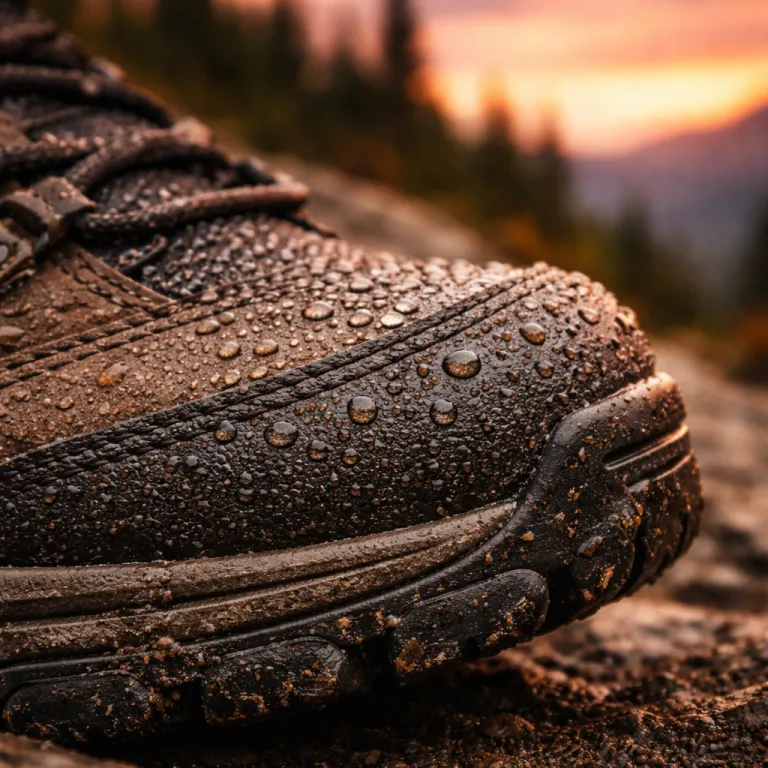

PFAS warning labels on hiking boots are coming to the trailhead
Starting in early 2026, many waterproof hiking boots sold in Colorado, Connecticut, Maine, Minnesota, Vermont, and Washington will carry a yellow label about PFAS hiking boots. That label will flag that the boots, shoes, or other outdoor gear contain per- and polyfluoroalkyl substances, the so‑called forever chemicals that resist water, oil, and stains but persist in the environment and in human bodies. You will see this PFAS warning on hangtags or box stickers at REI, at a Keen shop or other specialty retailer, and in big‑box outdoor sections where hiking boots and trail shoes sit beside rain jackets and sleeping bags.
The label does not ban PFAS products outright, but it forces companies to disclose when their consumer goods rely on these harmful chemicals. For hikers, that means a clearer choice between PFAS‑compliant designs that still use some chemicals in the membrane and fully PFAS‑free products that remove PFAS from the upper, the membrane, and the durable water‑repellent finish. Retailers such as REI, which already announced a retailer ban on certain PFAS items in outdoor gear in public chemical management policies, are expected to highlight PFAS‑free hiking boots and to pressure every outdoor brand in their supply chain to phase out legacy treatments.
State rules differ, yet the practical effect for hiking is simple. If you buy waterproof boots treated with PFAS in one of the six states, you should expect a visible warning even if the brand ships with free shipping from an online shop based elsewhere. When you mail‑order from a non‑label state into a label state, the responsibility usually falls on the company and on any intermediate companies in the supply chain to comply with that state law, so PFAS hiking boots will be tracked more closely than many other product categories that contain PFAS.
How ePE Gore Tex changes PFAS hiking boots on real trails
Most new PFAS hiking boots now use expanded polyethylene, or ePE Gore Tex, instead of the older expanded polytetrafluoroethylene, or ePTFE, which relied on PFAS chemicals in both the membrane and the surface treatment. According to manufacturer information and early third‑party testing summaries on models such as the Merrell Moab 3 Mid GTX and the Hoka Kaha 3 GTX, the ePE versions stay as dry inside as the legacy boots while picking up less wet weight and drying faster overnight in typical hut or campsite conditions. Breathability is generally reported as slightly better on long climbs, with less odor buildup over several days of hiking in warm, humid weather, which matters when you share a bunk room and line up boots and shoes beside kids’ and adult models from different brands.
From a sustainability perspective, ePE membranes reduce the carbon footprint of the waterproof layer and help outdoor brands move toward more sustainable products without a huge performance penalty. The good news for most hikers is that PFAS‑free boots now handle repeated water crossings, light snow, and slushy spring trails as well as older PFAS‑based models that used heavy fluorinated durable water repellents and sometimes flame retardants in the midsole glue. Companies such as Keen, Jack Wolfskin, and other European outdoor brand leaders publicly market PFAS‑free hiking boots and shoes as part of broader sustainability commitments that also cover sleeping bags, kids’ rainwear, and other consumer goods.
There are still narrow cases where legacy PFAS products can outperform, especially in technical ice climbing and high‑altitude expedition mountaineering where failure is unacceptable. In those environments, some mountaineering boots and double‑boot designs received extended deadlines to remove PFAS because the combination of extreme cold, constant water exposure, and abrasion can overwhelm current PFAS‑free membranes. For weekend hiking and most alpine routes below serious expedition grade, though, PFAS‑compliant ePE membranes and modern water‑repellent treatments now match the durability and weather protection that experienced hikers expect from premium hiking boots and advanced outdoor gear.
What the PFAS label means for your next boot purchase
When you walk into a shop in April or May 2026, you will likely face three clear categories of PFAS hiking boots on the wall. First, fully PFAS‑free boots and shoes that use ePE membranes, non‑fluorinated water repellents, and carefully audited supply chains to remove PFAS from every component, including glues and threads. Second, PFAS‑compliant products that still contain some forever chemicals in limited parts of the boot but meet new state thresholds, and third, legacy PFAS products that carry the strongest warning label and will probably be discounted heavily as companies clear inventory.
A practical buyer checklist looks like this for any outdoor enthusiast or mountaineer. Check the yellow label and ask whether the boot is fully PFAS‑free or only PFAS‑compliant, then compare how the brand talks about sustainability, supply chain transparency, and efforts to remove PFAS from other product lines such as sleeping bags or kids’ jackets. Look for clear language from the company about harmful chemicals, flame retardants, and forever chemicals, because outdoor brands that are transparent about PFAS content in boots tend to be straightforward about everything from warranty policies to how they handle free shipping and returns.
For most hikers, choosing PFAS‑free hiking boots from a reputable outdoor brand such as Keen, Jack Wolfskin, or similar companies will balance performance, sustainability, and health concerns very well. If you guide technical ice routes or plan a multi‑week expedition on glaciated peaks, you may still need to accept some PFAS‑based products in specialized mountaineering boots until innovation catches up with those edge cases. For everyone else, the shift in PFAS hiking boots is less about losing performance and more about gaining control over what chemicals you carry into the mountains, because the real test is not the waterproof rating but the tenth river crossing.
Key statistics on PFAS regulations and hiking footwear
- Maine and Minnesota plan broad restrictions on many PFAS products, including several categories of outdoor gear, by 2032, which will reshape how hiking boots are designed and manufactured. Check current state regulatory summaries or agency fact sheets for the latest phase‑out timelines, definitions of “intentionally added” PFAS, and any updated effective dates.
- PFAS prohibitions and reporting rules for certain consumer goods, including waterproof hiking boots, take effect on January 1, 2026, in Colorado, Connecticut, Maine, Minnesota, Vermont, and Washington, covering a large share of US outdoor retail sales according to state legislative fact sheets and rulemaking documents that outline labeling, disclosure, and sales restrictions.
- ePE Gore Tex membranes, which are marketed by the manufacturer as PFAS‑free in their construction, now appear in high‑volume models such as the Merrell Moab 3 Mid GTX and the Hoka Kaha 3 GTX, as confirmed by manufacturer product specifications and technical data sheets, accelerating the transition away from legacy PFAS membranes.
- Retailer policies, led by companies such as REI, have already removed some PFAS‑intensive products from shelves, pushing outdoor brands to redesign boots, shoes, and sleeping bags ahead of state‑level deadlines, as outlined in public retailer chemical management policies, sustainability reports, and independent third‑party reviews of retailer PFAS commitments.
Questions hikers ask about PFAS hiking boots
Will PFAS warning labels make my current hiking boots unsafe to use
Existing hiking boots that contain PFAS do not suddenly become more dangerous when labels appear, but the new rules highlight that these harmful chemicals persist in the environment and can accumulate over time. If your current boots are in good condition, you can keep using them while planning a switch to PFAS‑free or PFAS‑compliant models when they wear out. The label is a tool for future purchasing decisions, not a recall notice for every pair already on the trail.
How can I tell if a boot is truly PFAS free rather than just PFAS compliant
A truly PFAS‑free boot will usually be marketed explicitly as PFAS‑free or fluorocarbon‑free across the upper, membrane, and durable water‑repellent finish, and the brand will often publish details about testing and supply chain controls. PFAS‑compliant boots, by contrast, may still use limited amounts of forever chemicals but stay below regulatory thresholds, so their labels and product descriptions tend to use more cautious language. When in doubt, ask the retailer or the company directly whether any PFAS remain in the membrane, glue, or fabric treatments of that specific model, and look for label wording that distinguishes “contains PFAS” from “PFAS‑free.”
Does ePE Gore Tex breathe as well as older PFAS based membranes in real hiking conditions
Independent testing summaries and manufacturer data on popular models such as the Merrell Moab 3 Mid GTX and the Hoka Kaha 3 GTX indicate that ePE Gore Tex performs at least as well as older ePTFE membranes for most hiking scenarios. Hikers and testers report slightly better moisture management on long climbs, less wet weight gain after stream crossings, and reduced odor buildup over multi‑day trips. Only in extreme, continuous wet cold, such as technical ice climbing or high‑altitude expeditions, do some specialists still prefer legacy PFAS membranes for their long safety record.
What happens if I order PFAS hiking boots online and they ship from a state without label rules
When you order PFAS hiking boots online and have them shipped into a state with PFAS labeling requirements, the responsibility to comply with that state law usually falls on the seller and any distributors in the supply chain. Many large retailers standardize packaging and labels nationwide to avoid running separate inventories, so you may see the same yellow warning label even if your own state does not require it. If no label appears and you live in a regulated state, you can contact the retailer to ask whether the boots contain PFAS and whether they are meeting that state reporting rule.
Are there specific use cases where I should still prioritize PFAS based mountaineering boots
Technical ice climbing, winter mixed routes, and long‑duration expedition mountaineering on glaciated peaks remain the main scenarios where some guides and alpinists still prioritize PFAS‑based mountaineering boots. In those environments, the combination of extreme cold, constant water exposure, and sharp ice can overwhelm current PFAS‑free membranes, and failure can have serious safety consequences. For typical hiking, scrambling, and non‑expedition alpine routes, however, modern PFAS‑free or PFAS‑compliant boots now provide enough protection and durability to be the default choice.