
Summary
Editor's rating
Value for money: who this boot makes sense for
Design: more sporty boot than classic hiker
Comfort: good overall, with a few caveats
Materials: all-synthetic build with pros and cons
Durability and build quality after several weeks
Performance on trails: grip, support and weather handling
What these Berghaus Vc22 Mid GTX 2.0 actually are
Pros
- Lightweight and comfortable out of the box, with minimal break-in needed
- Decent grip and ankle coverage for typical trails and mixed terrain
- All-synthetic build dries relatively fast and works well for spring/summer walking
Cons
- Water-resistance is decent but not at the level of higher-end fully waterproof boots
- Synthetic construction doesn’t mold to the foot like leather and may be less durable long-term
- Basic insole may need upgrading for better cushioning or arch support

Specifications
View full product page →| Brand | Berghaus |
Light boots that feel like trainers
I’ve been using the Berghaus Men's Vc22 Mid GTX 2.0 (size 9 UK, black/red) as my main walking shoes for a few weeks. I mostly do 10–15 km walks on mixed terrain: canal paths, muddy woodland, and a bit of rocky stuff on weekends. I usually wear low hiking shoes, so going for a mid-height boot like this was a bit of a change. I wanted something that gave more ankle confidence without feeling like a heavy winter boot.
Out of the box, what struck me first was the weight. They feel closer to chunky trainers than classic leather hiking boots. That’s good if you walk a lot and don’t want to feel like you’re dragging bricks around. At the same time, they don’t feel flimsy or like they’ll fall apart after a couple of hikes. First impression: pretty solid, but clearly more on the sporty side than "mountain tank" style.
I took them straight out on a 12 km walk with mixed mud and gravel, no break-in at home. Normally that’s how I discover where the blisters will show up. With these, I had a bit of rubbing on the back of one heel for the first hour, then it settled. No actual blister, just that warm spot feeling. So they’re not slippers from minute one, but break-in is mild compared to stiff leather boots I’ve had before.
Overall, the introduction phase was positive: light on the foot, decent grip, and no major pain points. They’re clearly aimed more at UK-style trails and spring/summer hikes than hardcore alpine stuff. If you expect a solid, trainer-style hiking boot for everyday walks and holiday trips, the first outings are reassuring. If you want something for heavy backpacking in rough mountains, I’d say from the start: this probably isn’t the right tool.
Value for money: who this boot makes sense for
In terms of value, these Berghaus Vc22 Mid GTX 2.0 sit in that mid-range hiking boot bracket. You’re not paying premium leather-boot prices, but it’s also not bargain-basement. For that money, you get a light, comfortable boot with decent grip and some level of water resistance, from a brand that has a decent track record in outdoor gear. There are cheaper options out there, but they often feel rougher on the foot or fall apart quicker.
What I liked for the price:
- Weight vs support: they feel much lighter than classic boots but still give ankle coverage.
- Out-of-box usability: almost no break-in, I could do a proper walk straight away.
- Versatility: fine for town-to-trail, day hikes, and travel without looking too bulky.
On the downside, if you compare them to some similarly priced boots, you might find models with more leather, deeper lugs, or a clearly labeled waterproof membrane. The confusion around "Not Water Resistant" in the spec sheet vs real-world behaviour is a bit annoying. Also, the basic insole is a cost-cutting area; if you’re picky about underfoot feel, you’ll likely end up buying a better one, which adds to the total cost.
Overall, I’d rate the value as "good but not unbeatable". If you know you mostly do light to moderate hikes in mild to wet weather and you want something that feels more like a trainer than a brick, the price is justified. If you’re planning serious backpacking or very rough terrain, you’d be better off spending the same or a bit more on a sturdier, more technical boot, because this one will hit its limits sooner.
Design: more sporty boot than classic hiker
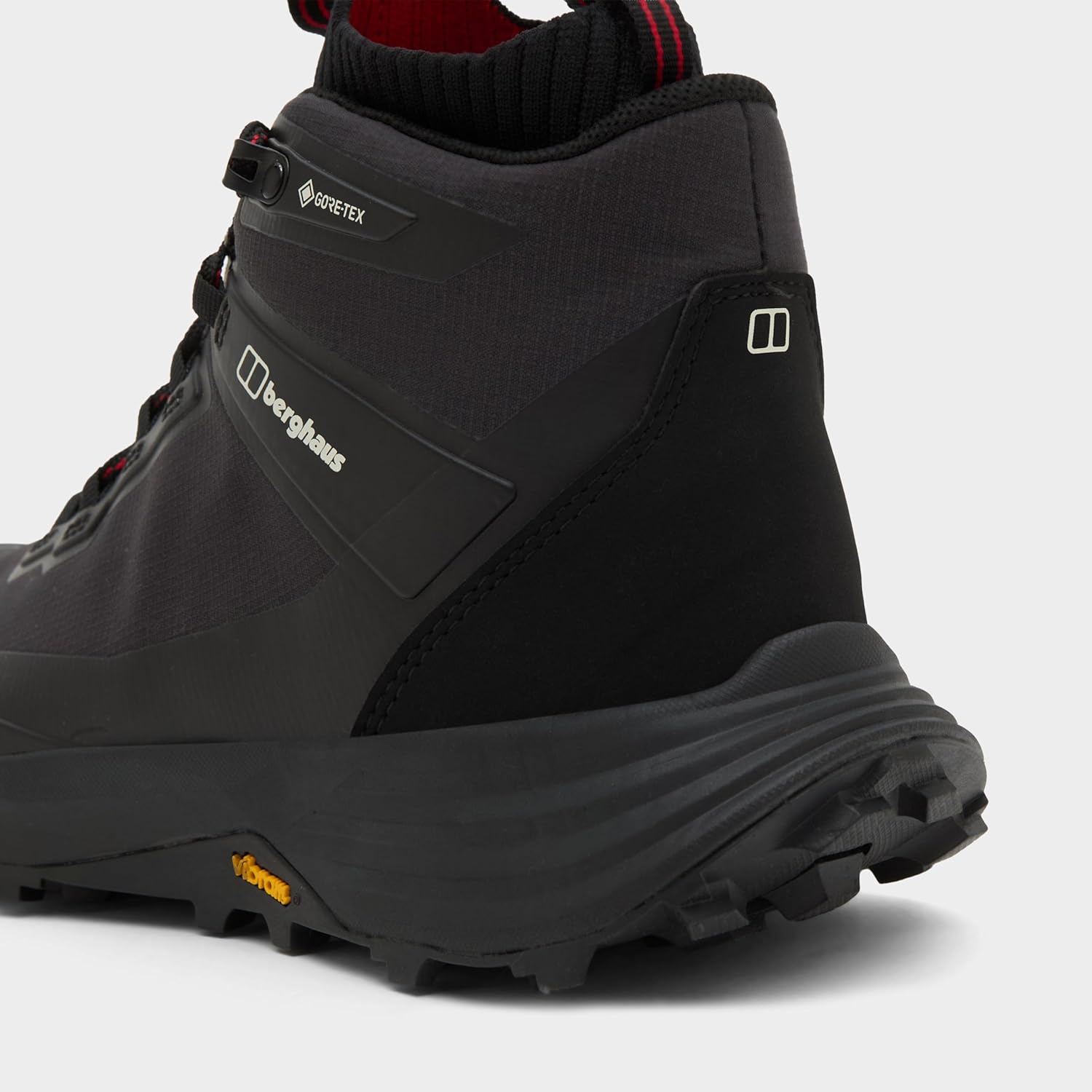
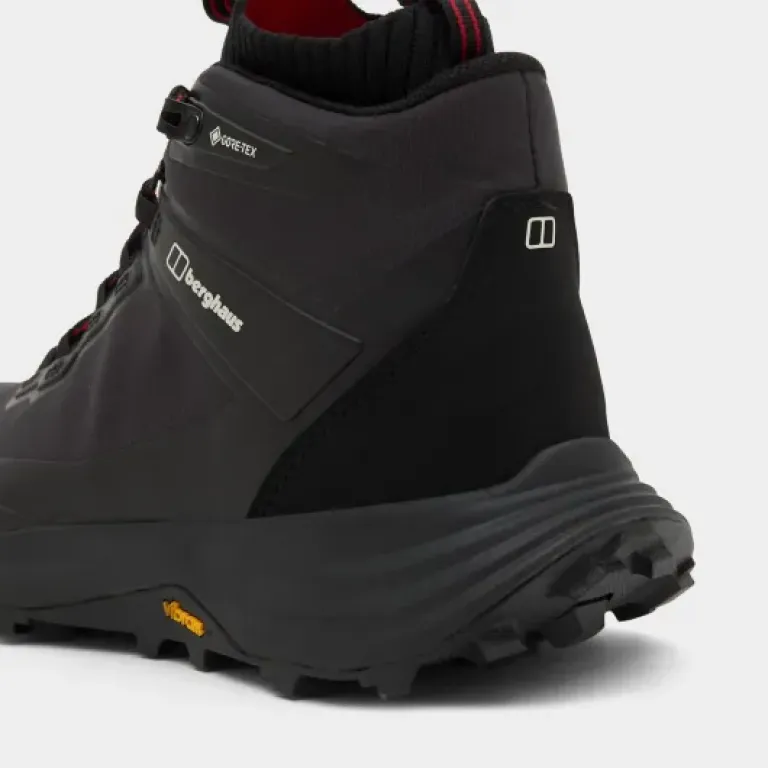
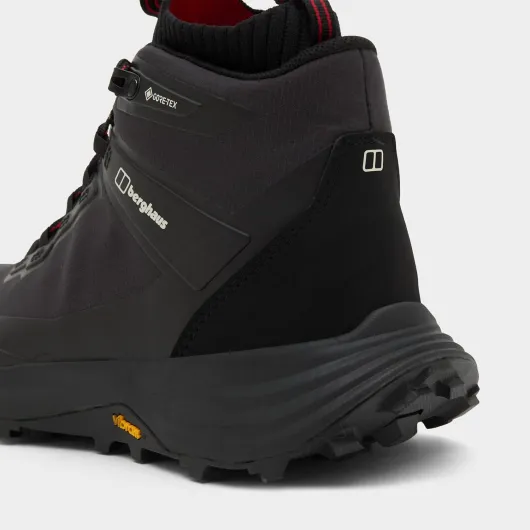
Design-wise, these look like a cross between trail running shoes and light hiking boots. The black and red combo is fairly standard: mostly black upper with red accents on the laces and small details. It’s not flashy, but it doesn’t look dull either. I’ve worn them with jeans in town and they don’t scream "I’m going up a mountain right now", which I like. If you want something that looks super technical, this is more low-key.
The shoe height is described as "low-top" in the spec sheet, but in reality it’s more of an ankle-height mid boot. It covers the ankle enough to give a bit of lateral support when you step on a rock or root, but it doesn’t lock your ankle like a stiff high boot. Around the ankle there’s some padding, but it’s not overly thick. I could tighten the laces without feeling like they’re cutting into the front of my ankle, which is a problem I’ve had with some boots.
One thing I paid attention to is the toe shape. It’s a plain toe, slightly rounded, with enough room for my toes to spread a bit on descents. I don’t have wide feet, but I’d say the fit is more medium than narrow. If you have very wide feet, you might feel a bit squeezed unless you go up half a size. The lacing system is basic lace-up, no fancy hooks at the top, but it holds fine. I didn’t have to re-tie them constantly during walks, which is always a plus.
Visually and practically, the design is pretty straightforward: no gimmicks, just a clean hiking boot look with a sporty twist. I liked that I could wear them all day without feeling like I was stomping around in chunky mountaineering boots. On the downside, if you want a very protective, reinforced design with toe caps and thick rand around the shoe, this model is a bit too light and trainer-like for that. It’s more about everyday usability than hardcore protection.
Comfort: good overall, with a few caveats
Comfort was my main concern because I wanted something I could wear for half-day or full-day walks without thinking about my feet every five minutes. Out of the box, the padding around the ankle and tongue felt soft enough, not rigid. The insole is basic polyester, not a fancy orthopedic one, but it has a bit of cushioning. First 12 km walk: slight rubbing on one heel for the first hour, then my foot settled in. No blisters, just a bit of awareness. After three or four outings, that disappeared completely.
The overall fit is medium: not super narrow like some running brands, not wide like some hiking shoes designed for big feet. With normal hiking socks, my toes had enough room to wiggle and didn’t slam into the front on descents, which is key for me. The mid-foot holds pretty well once you tighten the laces properly. I didn’t feel my foot sliding forward or sideways on uneven ground, which is usually where hotspots start. If you use thicker winter socks, you might feel a bit snug, so I’d keep these mainly for spring, summer, and mild autumn with medium socks.
Underfoot cushioning is more on the firm side than ultra-soft. You feel protected from sharp stones, but it doesn’t feel like a running shoe with a thick foam midsole. Personally I like that because it gives more stability on rough ground. After a 15 km hilly walk, my feet were tired but not destroyed, which is normal for that distance. If you want a super plush ride for mostly flat, urban walking, you might find them a bit firm compared to trainers.
One thing to note: arch support is pretty neutral. If you have specific arch issues or need strong support, I’d plan to swap the insole for your own. I tried them with my custom insoles and they worked fine; there’s enough volume to fit them without crushing your foot. Overall, comfort is solid for a light hiking boot: not luxurious, but it gets the job done for regular walks without causing trouble, as long as the medium fit suits your foot shape.
Materials: all-synthetic build with pros and cons
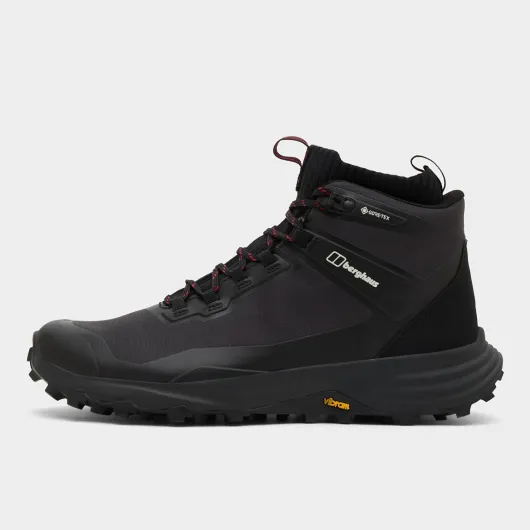
The upper, lining, and insole are all polyester, with a rubber outsole. So you’re getting a full synthetic construction here. That has a few clear consequences. First, the weight: all-synthetic usually means lighter than leather, and that’s exactly what you feel on foot. After a couple of hours walking, my legs definitely felt less tired compared to my older, heavier leather boots. Second, drying time: after walking through wet grass and a shallow puddle, the outer fabric dried overnight in a warm hallway, which is pretty practical if you hike several days in a row.
On the flip side, synthetic uppers don’t mold to your foot like leather does over time. After about three weeks, the fit is basically the same as day one, just slightly less stiff. So if the shape works for your foot, great; if not, it won’t "break in" magically. Another point: breathability. Polyester with a waterproof-style membrane (if that’s what they’re using) is never as airy as pure mesh running shoes. On cooler spring days, I was comfortable. On a warmer day around 20–22°C, my feet felt a bit warm after 10 km, but not swampy. I’d call it acceptable but not particularly ventilated.
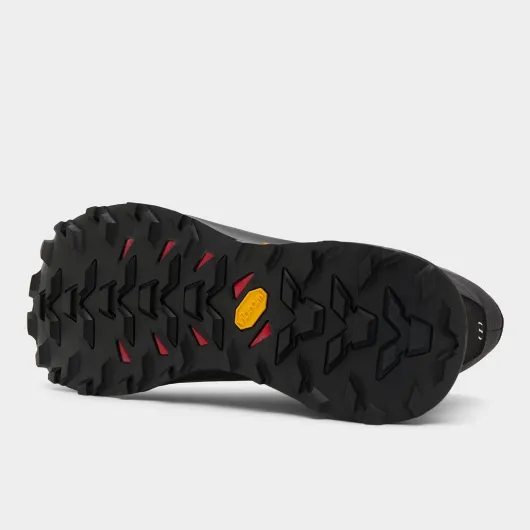
The rubber sole feels like a medium compound: not super soft like some trail shoes, but not rock-hard either. On wet pavement and wet roots, grip was decent. I did feel a tiny bit of slipping on wet smooth rock, but that’s been the case with almost every hiking shoe I’ve owned. The tread pattern is more hiking than running, with proper lugs, but they’re not super deep like winter boots. Mud sheds off reasonably well; I didn’t end up with massive clumps stuck under the shoe.
Overall, the material choice is pretty standard for this type of product: all-synthetic, light, reasonably tough, and easy to dry. The trade-off is less of that "molds to your foot" comfort and slightly warmer feet in hot weather. For regular UK-style spring/summer walking, I think it’s a decent compromise, but if you’re very sensitive to heat, you might want something with more mesh and less membrane.
Durability and build quality after several weeks
Durability is always tricky to judge after only a few weeks, but there are some early signs you can look at. After roughly 80–100 km of walking, the outsole lugs show only light wear on the heel, which is normal for my gait. No chunks missing, no peeling, and the rubber still feels grippy. The stitching around the upper and sole looks clean, and I haven’t seen any threads coming loose yet. The glued areas around the toe and sides also seem to be holding up fine.
The polyester upper has a few light scuff marks from brushing against rocks and tree roots, but nothing that affects performance. Compared to leather, it doesn’t show scratches as clearly, which is a plus if you care about looks. The ankle padding hasn’t collapsed, and the shape of the boot is basically the same as day one. Sometimes with cheaper boots, you see the heel counter getting soft quickly; here it still feels firm and holds the heel in place.
Inside, the lining is holding up well so far. No pilling or tearing where my heel rubs. The insole is the one part that feels like it might flatten out faster over time. After a few long walks, I could feel it getting a bit more compressed under the ball of the foot. It’s not a big deal, because insoles are easy to replace, but it’s worth noting if you rely on the original cushioning. If you plan to use these heavily, I’d budget for a better insole at some point.
Given the price point and the all-synthetic build, I’d say durability looks decent so far. I wouldn’t expect them to last as long as a top-end leather boot that you can re-sole, but for a few seasons of regular weekend hiking and travel, they seem up to the task. If you abuse them daily in rough, rocky terrain, you’ll probably reach their limits faster. For normal use, the build quality feels honest for the money: not bombproof, but not flimsy either.
Performance on trails: grip, support and weather handling
On actual trails, these Berghaus Vc22 Mid GTX 2.0 behave like light hiking boots should. I tested them on three main types of terrain: muddy woodland paths, gravel tracks, and rocky sections on a local hill. On mud, the lugs dig in enough to give confidence, and I didn’t feel like I was skating around. They’re not deep winter lugs, but for spring/summer mud and wet ground, they do the job. On gravel and forest tracks, they feel stable, with no weird rolling or twisting underfoot.
On rocky paths, the ankle height helps when you misstep on a loose stone. You still feel that your ankle can move, but there’s a bit of support and padding around the joint. It’s not the stiff, locked-in support of heavy boots, but for day hikes with a light backpack, it’s enough. I carried a daypack with about 6–7 kg on a longer hike, and the boots felt stable. I wouldn’t pick them for multi-day treks with a very heavy pack, though; I’d want something stiffer for that.
Now, about water. Specs say "Not Water Resistant", but in real use, they behaved like water-resistant boots. I walked through wet grass, shallow puddles, and light rain. After about two hours in those conditions, my socks were still dry. Only when I stood in a deeper puddle for a bit did I start to feel a hint of dampness creeping in. So they’re fine for normal wet conditions you’d meet on a typical UK walk, but don’t expect them to handle hours of heavy rain or stream crossings like top-end waterproof boots.
Traction on wet tarmac and smooth surfaces is okay but not magic. I felt a slight slip once or twice on wet stone, but nothing dramatic. For a mid-price hiking boot, I’d rate the grip as "pretty solid". Overall performance is good for typical weekend hiking and holiday use: they handle varied terrain, keep your feet reasonably dry in normal bad weather, and give enough support for light to moderate loads. Just don’t treat them like alpine boots and they’ll perform within their comfort zone.
What these Berghaus Vc22 Mid GTX 2.0 actually are
On paper, the Berghaus Vc22 Mid GTX 2.0 are marketed as lightweight hiking boots with ankle support. The pair I used is size 9 UK, black with red details. The listing is a bit confusing: it says "Not Water Resistant" in the specs, but one user review clearly says they’re waterproof and mentions GTX, which usually means Gore-Tex. In real use, they behave like a water-resistant boot, not like a mesh running shoe, so there’s clearly some kind of membrane or at least a tight weave and coating going on.
The build is mostly polyester for the upper, with a rubber sole and polyester inside. So no leather here, which explains the weight and the more trainer-like feel. Shaft height is ankle, so not a full high boot, but enough to cover and lightly hug the ankle bone. Heel is basically flat (listed as "No Heel"), so if you’re used to big heel drops in running shoes, this will feel more neutral and stable on uneven ground.
Use case-wise, I’d put them in the "everyday hiking and travel" category. They make sense if you do:
- Regular weekend walks on trails and light hills
- City-to-trail use where you walk through town then hit a path
- Spring/summer hikes where you don’t want big winter boots
In short, this is a mid-height hiking shoe that leans towards comfort and lightness rather than hardcore protection. It’s made in China like most shoes at this price level, and the finish is decent for what you pay. If you go in with the right expectations – light hiking boot, not expedition gear – the overall package makes sense.
Pros
- Lightweight and comfortable out of the box, with minimal break-in needed
- Decent grip and ankle coverage for typical trails and mixed terrain
- All-synthetic build dries relatively fast and works well for spring/summer walking
Cons
- Water-resistance is decent but not at the level of higher-end fully waterproof boots
- Synthetic construction doesn’t mold to the foot like leather and may be less durable long-term
- Basic insole may need upgrading for better cushioning or arch support
Conclusion
Editor's rating
After several weeks of use, I’d sum up the Berghaus Men's Vc22 Mid GTX 2.0 as a light, comfortable hiking boot that behaves more like a supportive trainer than a traditional, heavy boot. They’re easy to wear straight away, don’t punish your feet on longer walks, and give enough grip and ankle coverage for normal trails, forest paths, and low hills. For spring and summer walks, weekend hikes, and travel where you might mix city and trail, they’re a pretty solid option.
They’re not perfect though. The all-synthetic build means they won’t mold to your foot like leather, and long-term durability probably won’t match proper high-end boots. The water-resistance story is also a bit confusing: in practice they keep you dry in typical wet conditions, but I wouldn’t rely on them for all-day downpours or serious mountain use. If you carry very heavy loads or hike on very rocky, rough terrain all the time, you’ll probably want something stiffer and more protective.
So, who are these for? They’re well-suited to walkers who do regular day hikes, dog walks, and holiday trails, and who want one pair that feels light, reasonably tough, and okay-looking in town. Who should skip them? People planning demanding multi-day treks with big backpacks, or those who hike mostly in hot climates and need maximum ventilation. For the right user, they offer good comfort and practicality at a fair price, without pretending to be more than they are.