
Summary
Editor's rating
Value: good if you actually use what they’re built for
Design: technical look, lots of protection, not exactly subtle
Comfort: stiff but surprisingly kind to your feet (if they fit you)
Materials: solid upper, stiff underfoot, proper mountain build
Durability: tough build, but keep an eye on the waterproofing long term
Performance: shines on rock and rough ground, overkill on easy trails
What you actually get with these Salewa boots
Pros
- Very good support and stability on rocky and technical terrain
- Comfortable out of the box for a stiff boot, with solid heel lock and adjustable lacing
- Durable upper with full 360° rubber rand and Gore‑Tex lining for wet conditions
Cons
- On the heavy and stiff side, overkill for easy or flat trails
- Fit runs slightly narrow, not ideal for very wide feet
- Waterproofing may need maintenance and can degrade with heavy use over time

Specifications
View full product page →| Brand | Salewa |
Serious boots for when the trail gets rough
I’ve been using the Salewa Mountain Trainer Mid Gore‑Tex in this red "Bergrot Holland" color for a mix of UK hillwalking and a couple of short alpine-style trips. Think rocky paths, scrambling, wet boggy sections, and a bit of snow with microspikes. These aren’t casual walking boots; they’re more on the mountaineering side of hiking boots. If you’re coming from soft, trainer-like hiking shoes, they’ll feel pretty serious on your feet.
Right out of the box, the first thing I noticed was the weight and stiffness. They’re not bricks, but they’re definitely not lightweight trail runners either. The single boot weight is around 740 g, so a pair is well over 1.4 kg. You feel them on your feet, especially if you’re used to light footwear. But that weight does translate into a solid, secure feel on rough terrain, and that’s really where they make sense.
I did what you probably shouldn’t do and took them on a full-day hike straight away, with a fair bit of rocky scrambling. No real break‑in, just swapped in my own insoles and went. I was expecting hot spots and blisters because that’s usually how it goes with new boots for me. Surprisingly, I got through the day with no blisters and only a bit of pressure on the top of the foot, which I fixed by re‑lacing. That’s not something I can say for many stiff boots.
So overall, first impression: these are stiff, technical boots that feel built for rough stuff, not parks and dog walks. They’re comfortable enough if they fit you, but you need to know what you’re buying: more mountaineering‑oriented than casual hiking. If your normal walk is a muddy forest path, they’re probably overkill. If you spend a lot of time on rock, scree, or in the mountains, they start to make sense.
Value: good if you actually use what they’re built for
Price-wise, the Salewa Mountain Trainer Mid GTX usually sits in the mid to upper range for hiking boots. You’re paying more than for entry-level boots from big brands, but less than for full-on B2/B3 mountaineering boots. For that money, you get a stiff, protective boot with Gore‑Tex, solid materials, and a design that’s clearly aimed at technical hiking and light mountaineering.
Whether that’s good value depends a lot on how you use them. If you mostly walk on easy trails, forest paths, and the odd hill, these are honestly overkill. You’d be spending extra for stiffness and protection you don’t really need, and you’d probably be more comfortable in something lighter and cheaper. In that case, the value is "meh" – they work, but they’re not the smartest buy for your use.
If, however, you do a lot of hiking in rocky areas, scramble regularly, go to places like the Lakes, Snowdonia, Scotland, or into the Alps, then the value starts to look better. The support, edging ability, and protection you get makes long days on rough terrain less tiring on your feet. In that context, paying a bit more for a boot that feels secure on technical ground makes sense. You’re basically paying for confidence and durability in harsher conditions.
Considering the overall build quality and how they perform, I’d say they’re good value for people who actually need a stiff, technical boot, and just average value for casual hikers. If you know you want a boot that sits between a regular hiking boot and a full mountaineering boot, these hit that gap quite well. If you’re unsure and mostly do easy walks, I’d save some money and go for something simpler and lighter.
Design: technical look, lots of protection, not exactly subtle
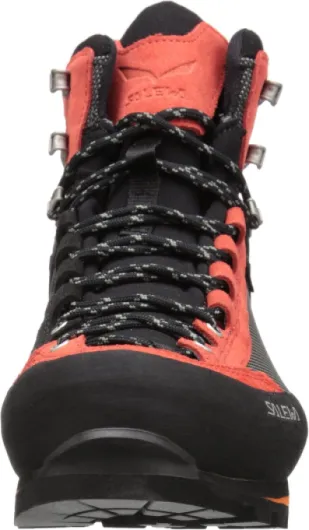
Design-wise, these boots scream "mountain" more than "city". The red Bergrot Holland color is pretty loud, but I actually like it – easy to spot when they’re chucked in the back of the car or buried in a gear pile. The overall look is quite angular and technical, with that full rubber rand wrapping all the way around the lower part of the boot. It’s not a sleek boot; it looks like something built to smash through scree and rock, which is basically what it’s for.
The lace‑to‑toe design is a big plus for me. The laces go quite far down towards the toes, so you can fine‑tune the fit across the forefoot. That’s helpful if one foot is slightly wider or you’re wearing different thickness socks in winter vs shoulder seasons. The metal eyelets and hooks feel solid, and I haven’t bent or broken any yet, even after yanking on them with cold hands and using them as leverage to pull the boots on. The tongue is gusseted high enough that splashes and shallow stream crossings don’t immediately flood the inside.
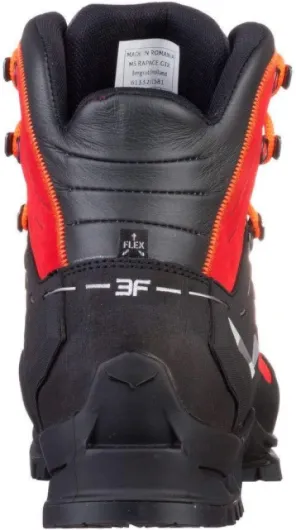
One design thing I really appreciate is the Flex Collar at the back. The cut-out lets your ankle move more when you’re stepping down big drops or taking long strides downhill. It doesn’t sound like a big deal, but compared to some older stiff boots where the cuff just digs into your calf, this feels more natural. I still get good lateral support, but I don’t feel like my ankle is locked in a cast.
If you want something low‑profile that blends in with jeans, this isn’t it. They look like serious trekking/mountaineering boots, especially with the rand and the fairly chunky sole. Personally, I like the look because it matches how I use them, but I wouldn’t wear them as daily shoes around town. In practice, the design choices are functional first, style second, and you can see that in how they behave on rock and steep ground – they feel more like a light mountaineering boot than a casual hiking boot.
Comfort: stiff but surprisingly kind to your feet (if they fit you)
Comfort is where these boots surprised me the most. I was expecting a long break‑in because of the stiffness, but I took them straight onto a full‑day hike with some scrambling and came back without blisters. For me, that’s rare – I usually get hotspots from almost anything. The heel lock is very good thanks to the 3F system and the lacing, so my foot didn’t slide forward on descents, which is usually what kills my toes in new boots.
That said, you need to like a stiff boot. The sole doesn’t flex much, and you feel that on flat, easy terrain. On rocky ground, it feels great – your foot stays stable, and you can edge on small holds or stand on sharp rocks without feeling them. On softer or flat paths, it can feel a bit like overkill, and after a few hours on tame trails I did feel like I was lugging around more boot than I needed. If your hikes are mostly gentle, they’ll feel tiring compared to a softer, lighter boot.
Width-wise, they run on the slightly narrow side in the forefoot. I don’t have especially narrow feet, and with the "medium" insole they worked fine for me, but I can see people with very wide feet struggling. I went half a size up from my usual street shoes, which gave me enough room for thicker hiking socks and swelling on long days. The ankle area is snug but not painful once you get the lacing dialled in. The padded tongue helps spread the pressure from the laces, but I had to play with tension a bit on the first couple of outings to avoid pressure on the top of my foot.
In terms of long‑day comfort, they’re solid as long as you’re using them in the terrain they’re made for. On a 20+ km rocky hike, my feet felt supported and less beaten up than they do in softer boots. On a flat canal path walk, they felt like too much boot and I’d have preferred something lighter. So comfort is very good within their intended use, but they’re not all‑rounders for every situation. If you know you want a stiffer, more supportive feel, you’ll probably like them. If you love flexible, sneaker‑like boots, you’ll probably find them a bit much.
Materials: solid upper, stiff underfoot, proper mountain build
The upper is mainly 1.8 mm nubuck leather with a 360° solid rubber rand. That combo makes the boot feel tough. I’ve scraped them on rocky steps, kicked into scree, and jammed them into cracks while scrambling, and the leather plus rand has handled it without any real damage beyond cosmetic scuffs. This is the kind of boot you don’t baby – you just stomp around in it and it takes it. Compared to softer fabric boots I’ve had, these feel a lot more resistant to abrasion.
Inside you’ve got a Gore‑Tex Performance Comfort lining, which is their standard membrane for hiking boots. It’s supposed to be waterproof and breathable. In terms of waterproofing, mine have stayed dry in wet grass, shallow streams, and a couple of hours of steady rain. Breathability is decent for a leather Gore‑Tex boot – my feet still get warm on hot days, but not in a horrible swampy way. If you run hot, you’ll still feel it, but that’s pretty normal for this category.
The insole and midsole setup is on the stiff side. You’ve got a polyamide insole with 27% fibreglass and a Bilight midsole, plus PU cushioning. Translated: the boot flexes a bit at the toe but is mostly quite rigid. This is good on rocky and uneven ground because your foot doesn’t bend over every stone. It’s less fun on flat tarmac or soft forest paths where you don’t need that much structure. Underfoot, there’s a Vibram WTC outsole (some listings mention Pomoca but mine is Vibram), with deep lugs and a solid heel brake.
Overall, the materials feel geared towards durability and support rather than lightness. You can find lighter synthetic boots that feel more like trainers, but they won’t give you this level of protection or edging stability. If you mainly hike on easy trails, these materials might feel like overkill. If you’re on rock, loose scree, or mixed terrain a lot, the build makes sense and gives you confidence to just plant your foot and trust it.
Durability: tough build, but keep an eye on the waterproofing long term
In terms of physical durability, these boots feel pretty solid. The nubuck leather and 360° rubber rand take abuse well. I’ve scraped them on rock, dragged them through heather, and used them on rough scree, and apart from cosmetic scuffing, the upper is holding up nicely. The sole wear is reasonable too – after multiple long days out, the lugs are still sharp enough and there’s no obvious delamination or weird peeling happening.
The stitching around the rand and upper looks clean and hasn’t frayed on mine so far. The lace hooks and eyelets are still tight and haven’t bent, even though I tend to pull laces pretty hard, especially with cold hands. Compared to some cheaper boots I’ve used where the hooks start to loosen quickly, these feel better built. The tongue padding and lining also haven’t packed out too much yet, which helps keep the boot feeling snug.
The one area where I’m a bit cautious is long‑term waterproofing. A few other users mention that waterproofing on Salewa boots can fail after heavy use, and I’ve seen that with another Salewa pair I owned a while back. With this Mountain Trainer Mid GTX, mine are still holding up fine so far, but I’m not assuming they’ll be waterproof forever. I treat the leather and seams with a decent waterproofing product now and then to help them along. If you hike a lot in wet conditions, just be aware you might need to re‑proof and eventually accept they’ll get tired.
Overall, for someone who hikes regularly on rough ground, I’d say they’re durable enough but not indestructible. If you’re out every weekend year‑round, you’ll probably wear through a pair in a year or two, which is pretty standard for this kind of boot. If you only do a few big trips a year, they’ll likely last you a good while. Just don’t expect them to be bombproof for five years of heavy use without any maintenance – that’s not realistic for most modern boots, including these.
Performance: shines on rock and rough ground, overkill on easy trails
On the kind of terrain these boots are made for – rocky paths, scrambling, steep grassy slopes, a bit of snow – they perform really well. The grip from the Vibram WTC sole is solid. I’ve used them on wet rock, muddy approaches, and loose scree. They bite into dirt and grass nicely, and on rock they feel secure without being too blocky. The heel brake gives good control on steep descents, especially when you’re coming down on your heels with a pack. I wouldn’t call them mountaineering crampon boots, but they’re stiff enough to work with microspikes and light crampons that are compatible with this style.
The stiffness underfoot is great for edging and boulder hopping. I’ve done some easy scrambling with them and felt confident placing my feet on small ledges. The full rand helps when you inevitably bash your toes against rock – it takes the hit instead of your nail. On technical paths or via ferrata-style terrain, that structure is exactly what you want. You feel like you can trust your foot placements without the boot folding in half.
Water performance has been decent. Walking through wet grass, shallow streams, and heavy rain, my feet stayed dry. Like many Gore‑Tex boots, I don’t fully trust them to stay waterproof forever – and some users do mention waterproofing eventually giving up after heavy use – but so far I haven’t had issues. Breathability is okay for a leather Gore‑Tex boot: not airy, but not sauna‑level either. On cool to moderate days, they’re fine. On hot days, any leather Gore‑Tex boot is going to get warm, and these are no exception.
Where they’re less impressive is on easy, flat terrain or long road sections. The stiffness and weight become more noticeable, and they just feel like too much boot. If your typical hike is mostly forest paths and a bit of gravel, you’re carrying more weight and rigidity than you need, and a lighter hiking shoe will feel nicer. But if you’re regularly on rough, uneven, or mountainous terrain, they deliver good performance and feel like the right tool for the job.
What you actually get with these Salewa boots
On paper, the Salewa Mountain Trainer Mid GTX is sold as a "classic shoe for via ferrata and technical hiking and trekking", and that description is pretty accurate. It’s a mid‑height, stiff hiking/mountain boot with a Gore‑Tex lining, a full 360° rubber rand, and a fairly aggressive outsole. Mine are the red "Bergrot Holland" color in size 9 UK, made in Romania. The pair I weighed at home came in close to the listed numbers, so no surprises there.
The boot uses Salewa’s 3F system, which basically means the lacing and heel are tied together with a sort of cable structure. In practice, it lets you lock your heel down pretty well without having to crank the laces painfully tight over the top of your foot. There’s also the Flex Collar at the back of the ankle, which is cut lower and curved so your ankle can move more on descents. That sounds like marketing, but on steep downhills, I did notice my ankle could roll forward more naturally compared with older, blocky boots I’ve had.
Inside, you get two insole options on some versions: a "medium" and a "narrow" fit. Mine came with the medium in by default and a thinner extra in the box. I tried both. The narrow one really tightens the fit, good if you have a slim foot or want more precision; I stuck with the medium because my forefoot is wider. The ortholite-style insole is fine, nothing fancy, but it does the job. I swapped to my own custom insoles eventually and the boot handled that without issues.
Overall, the presentation is very much “tool, not fashion sneaker”. You’re getting a stiff, protective boot aimed at people who actually go into rough terrain. The box and packaging are basic but fine, no premium unboxing experience or anything like that. If you’re buying these, you’re paying for the construction and tech, not fancy packaging or lifestyle branding.
Pros
- Very good support and stability on rocky and technical terrain
- Comfortable out of the box for a stiff boot, with solid heel lock and adjustable lacing
- Durable upper with full 360° rubber rand and Gore‑Tex lining for wet conditions
Cons
- On the heavy and stiff side, overkill for easy or flat trails
- Fit runs slightly narrow, not ideal for very wide feet
- Waterproofing may need maintenance and can degrade with heavy use over time
Conclusion
Editor's rating
The Salewa Mountain Trainer Mid Gore‑Tex is a stiff, technical hiking / light mountaineering boot that makes sense if you spend a lot of time on rocky, rough, or mountainous terrain. The main strengths are the solid heel lock, precise lacing, full rubber rand, and supportive sole. On scrambles, steep descents, and long days on broken ground, they feel secure and predictable. Waterproofing and general comfort have been good in my use so far, with no break‑in blisters and decent all‑day support.
They’re not perfect. They’re on the heavy side compared to modern lightweight boots, and the stiff sole can feel like too much on easy trails or flat walks. People with wide feet might find the fit tight unless they size up, and long‑term waterproofing, like with many Gore‑Tex boots, is something you need to keep an eye on and maintain. If you mainly walk lowland paths, these are basically over-spec’d and not the best value for you.
I’d recommend these boots to hikers and trekkers who regularly tackle rocky routes, scrambles, and mixed conditions, and to anyone looking for a boot that sits between a classic hiking boot and a mountaineering boot. If your idea of hiking is mostly gentle countryside walks, you’re better off with a lighter, softer, and cheaper option. For the right user, though, these are a solid, confidence‑inspiring pair of boots that get the tough jobs done without fuss.