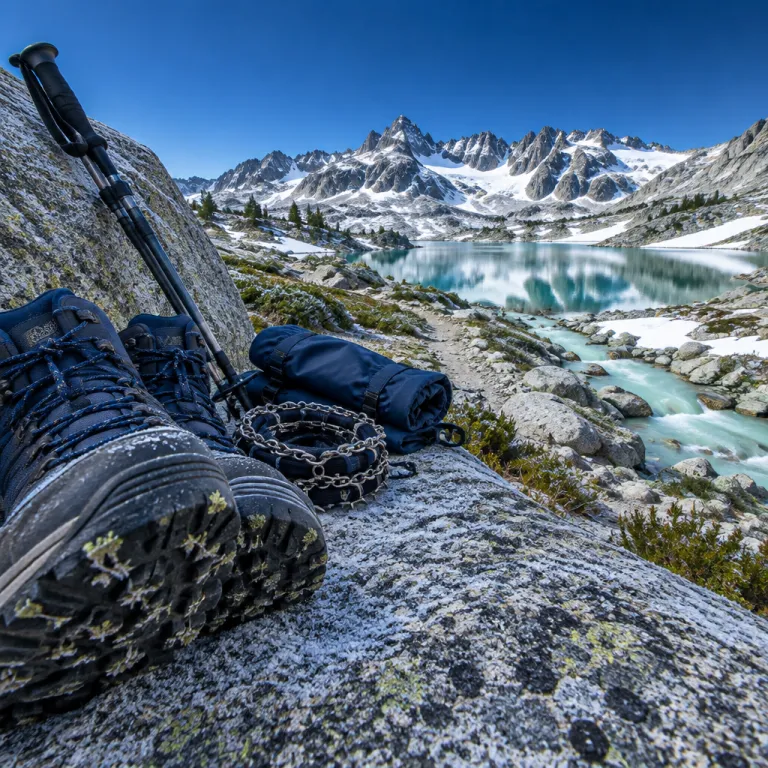
Why September Sierra hiking feels different on every trail
September Sierra hiking sits in a rare sweet spot for committed hikers. School is back, family road trips fade, and the pressure on every popular trail in the High Sierra finally eases for anyone planning a serious trip. Weekends still spike around classic lakes and any easy day hike near a national park entrance, but midweek the sierra feels like it exhales.
On the ground that means you can walk a sierra trail toward an alpine lake at sunrise and see only a handful of people by the time you turn around. Permit competition for a multi day backpacking trip in the high country of Yosemite or Sequoia often softens, especially for less famous lakes trail entries and quieter national forest corridors. The tradeoff is real though, because the same high pressure that kept skies clear all summer can flip fast into the first cold front that dusts the mountain passes with snow.
For a weekend day in the eastern sierra, you might still queue at the trailhead for a popular lake trail near Mammoth or around Lake Tahoe, while a nearby forest creek basin sits almost empty. September Sierra hiking in the sierra nevada is not about chasing the emptiest route guide, but about matching your time window to your risk tolerance and your gear. Think of every hike as a round trip contract with the weather, the daylight, and your boots, not just a collection of miles on a map.
Reading shoulder season weather and what it means for your boots
Weather in the High Sierra during September is defined by contrast rather than averages. Afternoons on a south facing sierra trail can still feel like high summer, while pre dawn starts near 3 000 metres in the high sierra drop close to freezing beside a lake. That swing punishes the wrong hiking boots, especially models that run hot, lack underfoot support, or turn slick on the first skim of verglas over a creek crossing.
For September Sierra hiking I lean on boots with a medium high cuff, a firm midsole, and a rubber compound that stays grippy when temperatures fall. On real trips in california high country, the Salomon Quest 4, the Scarpa Zodiac Plus, and the Lowa Renegade have all handled mixed conditions, but each shows its limits after 500 miles of use on rough mountain granite. The Quest 4 keeps its chassis stiffness but the forefoot lugs round off, the Zodiac Plus holds edging power on steep slabs yet its heel foam compresses, and the Renegade’s softer midsole feels great on a day hike but can feel thin on a long backpacking trip with big elevation gain.
Storm timing matters as much as boot choice, because the first real front often hits the eastern sierras and the sierra national forest before casual hikers have swapped out their summer kit. A light dusting on a high pass above a national park lake can turn a simple hike into a cautious shuffle if your soles are worn smooth. If you are planning to push toward Upper Yosemite Falls or any exposed yosemite rim trail, study the forecast, read a detailed route guide, and build a clear turn around time that respects both the sky and your footwear.
For readers eyeing a shoulder season ascent of Upper Yosemite Falls, this technical Yosemite falls hiking overview offers a useful benchmark for how steep stone, changing temperatures, and long miles round can stress your boots in a single day.
Gear that bridges warm days, cold nights, and early snow
September Sierra hiking demands a kit that works in both summer heat and early winter hints. You need a sleeping bag that is genuinely warm enough for a high sierra night, a shell that can handle a surprise squall, and hiking boots that stay comfortable when your day stretches longer than planned. The goal is not to carry everything, but to carry the right things for the sierra nevada shoulder season.
For footwear, prioritize a boot with a supportive midsole and a lug pattern that clears decomposed granite, because many california lake trail approaches mix sand, scree, and polished rock. A mid height boot protects ankles on broken talus near alpine lakes while still breathing on a hot day in the eastern sierra, and a partial rand helps when you edge across late fall snow patches on a shaded mountain pass. Waterproof membranes earn their keep when a creek swells after a cold front, but remember that once water pours over the cuff, even the best boot becomes a sloshing lake around your toes.
Beyond boots, your September Sierra hiking system should include a real rain shell, not a festival weight windbreaker, plus gloves and a warm hat that live in your pack all season. Shorter daylight means your round trip timing tightens, so a reliable headlamp with fresh batteries is non negotiable on any hike longer than a few miles. If you are trying to time a yosemite visit around crowds and weather, this best time to visit Yosemite planning guide pairs well with your own route guide and local forecast checks.
Water planning also shifts as fall deepens, because some high creeks and seeps that ran strong in July can be dry by late September. On a backpacking trip across the sierra national forest or into a remote national park basin, that means carrying extra capacity and knowing which lakes or larger creek crossings are reliable. Treat every blue line on the map as a question, not a promise, and let your boot choice reflect the reality that you may be walking more dry miles between sources than you expected.
Eastern Sierra aspens, bailout plans, and reading the miles
The eastern sierra in late September is where September Sierra hiking becomes visual poetry. Aspen stands along the highway and above every creek start to shift from green to gold, especially near classic hot springs basins and the slopes above Lake Tahoe. That colour change tempts hikers to stretch a simple day hike into a longer push, but the combination of shorter days and cooler evenings means your margin for error shrinks.
On any sierra trail that climbs toward a high lake, build a hard turnaround time that respects both your pace and the season. If your route guide says the lake is 10 miles round with 600 metres of elevation gain, ask whether your current fitness, pack weight, and boot condition match that number in fall, not in June. A backpacking trip that felt casual in midsummer can feel serious when you are racing the sun back through the forest, especially if your soles are tired and your ankles are working harder on cold, stiff leather.
Smart September Sierra hiking also includes a clear bailout strategy for every trip, whether you are near a national forest road or deep inside a national park. When a front moves in over the sierra nevada and the high peaks vanish, your job is to turn your round trip into a safe retreat, not to cling to a summit plan. If you are linking a california high route that passes near Mono Hot Springs or the Mono Hot area, know which valleys lead quickly to trailheads, which creeks become impassable, and which lakes trail junctions offer lower, safer alternatives.
For shoulder season planners who split time between the Sierra and the Rockies, this analysis of snow windows in the Colorado Front Range offers a useful contrast in how elevation, aspect, and trailhead access shape your boot and gear choices. September in the eastern sierras rewards the hiker who treats every mile as data, every cloud as a signal, and every boot scuff as a reminder that what saves a trip is rarely the waterproof rating, but the tenth river crossing.
FAQ
Is September a good time for first time backpacking in the High Sierra ?
September can be an excellent window for a first backpacking trip in the High Sierra, but only if you respect the shorter days and colder nights. Crowds thin on many sierra trail corridors, making permits and campsites easier to manage, yet early storms and freezing temperatures at high lake basins demand solid gear and conservative route choices. Start with a one or two night route guide in a national forest rather than a remote national park traverse, and choose hiking boots that you have already broken in on several day hikes.
How cold do nights get during September Sierra hiking at higher elevations ?
At elevations around 2 700 to 3 300 metres in the sierra nevada, September night temperatures often drop close to or below freezing, especially in clear, calm conditions. A lake basin that feels warm at sunset can feel sharply colder by midnight, with frost forming on tents and boots left outside. Plan for a sleeping bag rated several degrees colder than the forecast low, and pair it with insulated clothing and boots that stay comfortable when you step out for a pre dawn start.
Do I really need waterproof boots for September trips in the Sierra ?
Waterproof boots are not mandatory for every September Sierra hiking plan, but they are a strong hedge against cold, wet feet when a creek rises or a storm lingers. Many eastern sierra routes cross multiple creeks and wet meadows before reaching a high lake, and once your socks are soaked in cold water your day becomes shorter and riskier. If you prefer non waterproof models for breathability, carry dry socks, accept that some crossings may turn you around, and avoid committing to routes where a failed ford leaves you stranded.
How many daylight hours should I assume for planning miles round in September ?
By mid to late September in california high country, you can expect roughly 12 hours of usable light, with noticeably shorter windows at the end of the month. That means a 20 kilometre round trip hike with significant elevation gain demands an early start, efficient breaks, and a realistic pace estimate based on your fitness and pack weight. Always carry a headlamp even for a planned day hike, because delays at a creek crossing or a slow descent on tired boots can easily push you into darkness.
When do aspens usually peak in the Eastern Sierra during fall ?
Aspen colour in the eastern sierra typically builds through late September and often peaks from late September into early October, depending on elevation and local weather. Lower elevation groves near hot springs and valley creeks turn first, while higher mountain basins and lakes trail corridors may lag by a week or more. If your priority is photography rather than maximum solitude, aim your trip for that overlap between strong colour and stable weather, and keep your hiking plans flexible enough to adjust for sudden storms.