
Summary
Editor's rating
Value: good if you really use its strengths, expensive if you don’t
Design: functional, a bit flashy, but mostly about control
Comfort: good heel hold, but stiff and needs a real break-in
Materials: tough leather, proper Gore-Tex, and a very stiff base
Durability: built to take abuse, not to feel light
Performance: shines on rough terrain, overkill on easy trails
What these boots are actually made for
Pros
- Very stiff and supportive sole that works well with semi-automatic crampons
- Durable Perwanger leather upper and Vibram Teton outsole built for rough use
- Good heel hold and adjustable lacing for secure fit on technical terrain
Cons
- Needs a real break-in period and feels tiring on easy, flat trails
- Heavier and stiffer than what most casual hikers actually need
- Runs on the warmer side for summer use at low altitude

Specifications
View full product page →| Brand | Salewa |
Serious boots, not Sunday hikers
I’ve been using the Salewa Condor Evo Gore-Tex Women’s boots (size 6.5 UK, Cactus Teal) for a mix of winter hiking, a couple of easy alpine routes and some via ferrata-style terrain. These are not casual walking boots. They’re clearly built for people who spend time on snow, rock, and wet, nasty trails, not for strolling around town or doing a two-hour forest walk.
First impression when I pulled them out of the box: they look and feel like proper mountaineering boots. They’re tall, stiff, and heavier than classic hiking boots, but still reasonable for the category. On my scale they were roughly in line with what Salewa claims, about 720 g per shoe, which is normal for this type of boot. If you’re used to trail runners, they’ll feel like bricks at first, but that’s the trade-off for crampon compatibility and protection.
I used them mainly in cold and wet conditions: slushy snowfields, muddy approaches, and some mixed rock sections with a heavy backpack. I also tested them with semi-automatic crampons on icy sections. My goal was simple: see if they really hold up as a do-it-all alpine boot for someone who doesn’t want to own three different pairs (summer, winter, technical).
Overall, they feel like serious tools. They’re not perfect, and there are definitely more comfortable boots out there for long, flat trails, but for rough terrain and bad weather they get the job done. The rest of this review is just how they behaved in real use, without the catalog fluff.
Value: good if you really use its strengths, expensive if you don’t
In terms of price, the Condor Evo Gore-Tex usually sits in the mid to upper range for women’s mountaineering boots. It’s not the cheapest option, but also not at the very top like some full-on high-altitude models. For what you get – leather upper, Gore-Tex, Vibram sole, crampon compatibility, and a stiff platform – the price feels fair if you actually use them for proper alpine stuff.
If your use case is mostly weekend hiking on marked trails and maybe one snowy trip per year, then honestly, the value is not great. You’d be paying for features you barely use (crampon compatibility, stiff sole, heavy-duty leather) and sacrificing comfort on easy terrain. In that situation, a lighter trekking boot will give you more comfort for less money, and you won’t miss what the Condor Evo offers.
Where the value improves is if you want one boot that can cover a lot of demanding ground: autumn/winter hiking, some alpine routes, snowshoeing, and occasional glacier trips. Instead of buying a separate light hiker and a full mountaineering boot, this can sit in the middle and do both, as long as you accept the stiffness. Spread over several seasons of real use, the cost per trip becomes reasonable.
So from my point of view: good value for serious users, average value for casual hikers. The Amazon rating around 4.6/5 lines up with that – people who buy it for what it’s meant for seem happy. Just be honest with yourself about how often you’ll be above the snowline or on rocky ridges before spending the money.
Design: functional, a bit flashy, but mostly about control
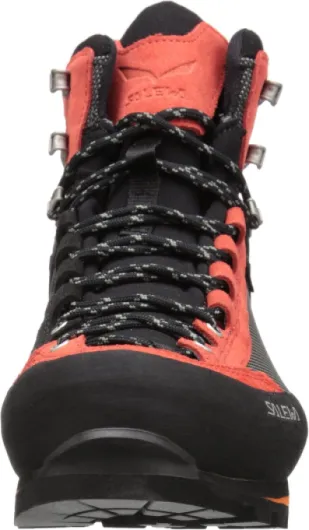
Design-wise, the first thing you notice is the Cactus Teal colour. It’s not discreet brown leather. On the hill, I actually liked it: easy to spot in the gear pile, and it makes you visible in snow or fog. If you prefer very low-key colours, this might bother you a bit, but it’s not neon-level loud. The shape is quite technical: strong heel, pronounced toe protection, and a mid-top height that covers and locks the ankle fairly well.
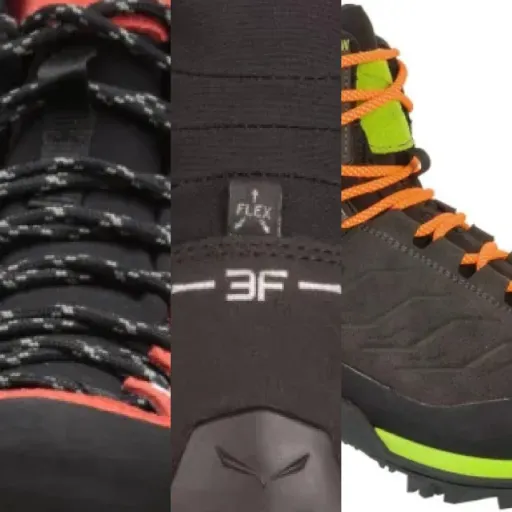
The 3F System is basically a plastic/strap structure that links the heel, instep, and ankle. In real life, it does help keep the heel from lifting and gives a more "hugged" feeling around the back of the foot. I really noticed it when side-hilling on firm snow: the boot held my heel in place without me having to crank the laces painfully tight. It’s not magic, but it’s better than some generic hiking boots where the heel swims around.
The 3D lacing is actually one of the things I liked most. There’s a lace stopper that splits the lacing into two zones: forefoot and upper. That let me keep the lower part a bit looser on the approach for comfort, then tighten the upper for steeper sections, without re-lacing from scratch. On the descent, I could do the opposite and relieve some pressure on the front of my foot. It sounds like a small detail, but on long days it matters.
Protection is solid: rubber rand around the toe, decent side bumpers, and a stiff toe box. I kicked into snow and rocks a fair bit, and my toes never paid the price. The trade-off is that the boots feel quite "blocky" at first. If you’re used to more flexible trekking boots, you’ll need a few outings to get used to how they move. Overall, the design is more about control and security than about being sleek or light-feeling.
Comfort: good heel hold, but stiff and needs a real break-in
Comfort is where opinions will split. Out of the box, the Condor Evo felt very stiff. The ankle and sole barely flexed, and the first 2–3 outings were honestly a bit of a chore on easier ground. I didn’t get blisters, but I did get some hot spots on the front of my shins and under the ball of my foot after 5–6 hours. After about 4 full days of use (mix of hiking and some snow work), they started to soften slightly and feel more natural.
The heel hold is one of the strong points. With the 3F system and the lacing done properly, my heel stayed locked in, even on steep descents with a pack. I’m prone to blisters on the heel in looser boots, and with these I only had mild rubbing the first day, then nothing. The women’s fit feels a bit narrower in the heel and midfoot but not crazy tight. If you have a very wide forefoot, you might find the toe box a bit limiting, especially with thick winter socks.
Underfoot cushioning is okay but not plush. You feel protected from rocks thanks to the stiff sole, but there isn’t much "bounce". It’s more like standing on a solid platform than on a cushioned runner. On long, flat forest tracks, I honestly found them a bit tiring and overkill. On broken rocky ground or when kicking steps in firm snow, the support suddenly makes sense and you stop thinking about them, which is what you want in that terrain.
Temperature-wise, I’d say they’re best for autumn to spring, and summer only at altitude. In around -5°C with good socks, my feet were fine as long as I was moving. Standing still for a long time, they eventually got cool but not freezing. In warm weather above 15°C, they get hot, and I wouldn’t pick them for low-altitude summer hikes. Overall: comfortable enough once broken in, but you have to accept the stiffness and pick the right missions for them.
Materials: tough leather, proper Gore-Tex, and a very stiff base
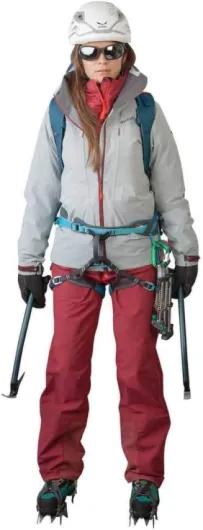
The upper is mainly Perwanger suede leather, which is known for being tough and resisting abrasion. After scraping against rock, crampon points, and crusty snow, I only saw cosmetic marks, no real damage. There are synthetic overlays in key spots that help with durability, especially around the heel and sides. This isn’t one of those thin synthetic boots that you shred in a season if you’re clumsy with crampons.
Inside, you’ve got GORE-TEX Performance Comfort. I tested them in wet snow and standing in shallow meltwater puddles, and my feet stayed dry. Breathability is decent for a boot this protective. On a long uphill slog in around +5 to +8°C, my socks were damp from sweat but not soaked, and I didn’t feel that swampy sensation you get in cheaper "waterproof" boots. Still, don’t expect the ventilation of trail runners – this is a lined, cold-season boot with a "cold lined" description, and it behaves like one.
The insole/midsole unit uses nylon with 27% fibreglass, which is why the sole is so stiff. That’s good for: carrying heavy packs, edging on small rock holds, and using semi-auto crampons without the boot folding. It’s less good for: casual walking, easy summer trails, and people with sensitive feet. The factory insole is basic; I swapped it for a more supportive one after the first long day, which helped a lot with comfort and arch support.
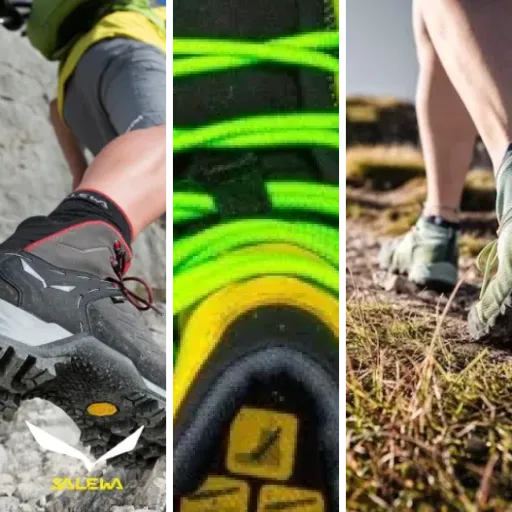
The outsole is Vibram Teton rubber. Grip on wet rock was okay to good, not slippery, and on mud and snow the big lugs really bite. The self-cleaning claim is partly true: mud does clear out more easily than on flatter soles, but thick clay still sticks, like with any boot. Overall, materials feel robust and built for abuse, not minimalist or soft. If you want a light, running-shoe feel, this is not it. If you want something that can handle crampons and rock scraping for several seasons, it makes sense.
Durability: built to take abuse, not to feel light
Durability is one of the clear strengths. The Perwanger leather barely shows wear after scuffs against rock and crampon contact. The rubber rand around the toe and sides takes the hits instead of the leather. After several trips, the only marks I had were cosmetic scratches and dirt, nothing structural. The stitching looks solid, with no loose threads showing up yet.
The sole is wearing evenly so far. Obviously I haven’t put years into them, but compared to softer hiking soles I’ve used, this Vibram compound feels like it will last a good while, especially since the boot is meant more for mixed terrain than constant tarmac. The stiff nylon/fibreglass midsole also helps: because the boot doesn’t flex as much, you don’t get that early "fold" wear you see on softer shoes.
Inside, the lining still looks intact, no peeling or weird folds. The only thing I’d plan to replace regularly is the insole, which is basic and will compress over time. That’s normal for most boots anyway. The laces and eyelets seem robust; I yanked on them pretty hard during lacing without any issues. The 3F plastic parts didn’t show any cracking or stress marks either.
Overall, this feels like a boot you buy to keep for several seasons of serious use, not something you burn through in a year. The downside of that durability is the weight and stiffness, but if you’re rough on your gear and spend time on rock and snow, the trade-off makes sense. I’d rather have a slightly heavier boot that holds together under crampons than a light one that explodes after a couple of trips.
Performance: shines on rough terrain, overkill on easy trails
Where these boots really start to make sense is on technical or rough terrain. On steep, muddy slopes and wet grass, the Vibram Teton sole felt secure. The undercut heel bites nicely on descents, so you don’t feel like you’re sliding with every step. On rocky ridges and scrambling sections, the stiff sole and the toe "climbing" area give you a stable platform. I trusted them on small rock edges where a softer hiking boot would fold or feel vague.
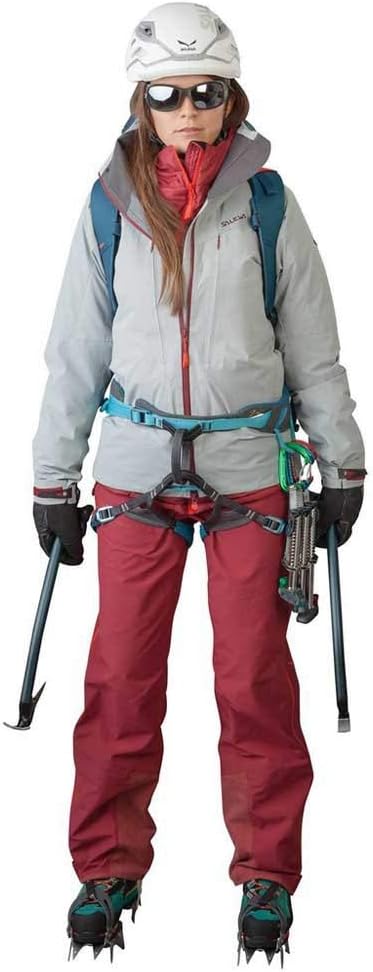
With semi-automatic crampons, the boot felt solid. The heel welt is precise enough that the crampons snapped on securely and didn’t wiggle around. On icy patches and firmer snow, edging and light front pointing felt controlled. I wouldn’t personally use them for technical vertical ice climbing because of the weight and insulation level, but for glacier approaches, easy couloirs, and mixed snowy ridges, they’re perfectly fine. The stiffness that annoys you on the approach becomes your friend once the crampons are on.
In wet conditions, the GORE-TEX lining did its job. I crossed slushy snowfields and shallow streams, and after several hours my socks were still dry. The leather sheds water well if you keep it treated. Traction on wet rock is good but not magical – you still have to watch your foot placements, but I never had that "skating" feeling I’ve had with some cheaper soles.
On the flip side, on easy, flat or rolling trails, these boots feel like overkill. The stiffness and weight start to feel pointless, and you’ll probably be happier in a lighter trekking boot or trail shoe. So performance is very terrain-dependent: excellent when things get steep, rough, or snowy, a bit of a drag when they don’t.
What these boots are actually made for
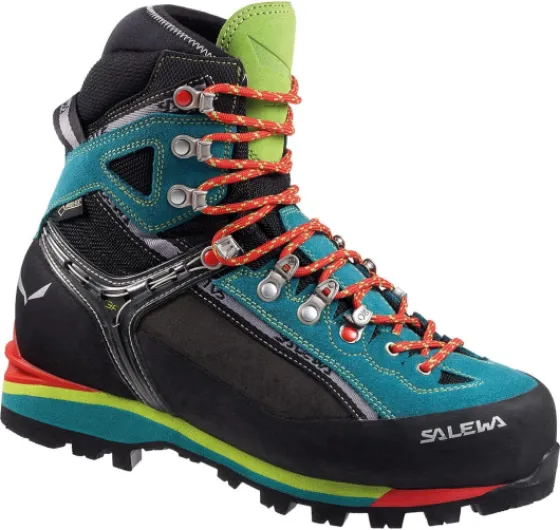
On paper, the Condor Evo GTX is marketed for alpine mountaineering, trekking, via ferrata, backpacking, and snowshoeing. In practice, I’d say they sit closer to the mountaineering end of the spectrum than the trekking end. The stiff nylon insole with 27% fibreglass is very noticeable: the sole barely flexes, which is great when you’re edging on rock or using crampons, less great when you’re just cruising on easy trails.
The boot comes with a Perwanger suede leather upper plus synthetic reinforcements, and a GORE-TEX Performance Comfort lining. So the idea is clear: durable outside, waterproof and breathable inside. The outsole is Vibram Teton, with big lugs and a pretty aggressive heel for braking on mud and snow. There’s also a noticeable flat-ish area at the toe that helps on rock and when you’re front-pointing lightly on firmer snow.
They’re semi-automatic crampon compatible, meaning you have a heel welt but not a full front welt. I used them with Grivel and Petzl semi-auto crampons and had no fit issues. If you’re thinking of technical ice climbing, I’d still go for a fully automatic-compatible boot, but for glacier travel, snow couloirs, and mixed stuff up to a certain level, these are more than enough.
So if I had to sum up the positioning: this is a light-ish mountaineering boot that can double as a beefy trekking boot, not the other way around. If you mostly walk on paths and occasionally touch snow, it’s overkill. If you regularly go above the snowline and want one pair for 3-season alpine use (and some winter), this is much more in its element.
Pros
- Very stiff and supportive sole that works well with semi-automatic crampons
- Durable Perwanger leather upper and Vibram Teton outsole built for rough use
- Good heel hold and adjustable lacing for secure fit on technical terrain
Cons
- Needs a real break-in period and feels tiring on easy, flat trails
- Heavier and stiffer than what most casual hikers actually need
- Runs on the warmer side for summer use at low altitude
Conclusion
Editor's rating
The Salewa Condor Evo Gore-Tex Women’s is a stiff, protective mountaineering boot that makes sense if you regularly deal with snow, rock, and rough terrain. It offers strong heel hold, solid materials, real waterproofing, and semi-automatic crampon compatibility. On demanding ground – steep mud, mixed rock, snowfields – it feels stable and trustworthy. Durability also seems very good, so you’re not buying something disposable.
On the downside, comfort is not instant. You need a proper break-in period, and even then, this is not a soft, forgiving hiking boot. For easy summer trails or casual walks, it’s heavy and overbuilt. If you mainly hike in mild conditions on good paths, you’ll probably find it tiring and wonder why you didn’t just get a lighter trekking boot. Also, the price only really makes sense if you use the technical features it offers.
So, who is it for? People who do alpine-style trips, winter hiking, via ferrata, snowshoeing, or glacier approaches and want one boot that can handle all that. Who should skip it? Casual hikers, people who hate stiff soles, and anyone who mostly walks below the snowline in warm weather. If you’re in that first group, it’s a pretty solid choice. If you’re in the second, look for something lighter and more flexible.