
Summary
Editor's rating
Value: not cheap, but makes sense if you hike a lot
Design: low-key look, practical shape, a few small quirks
Comfort: the main reason to buy these
Materials: good leather, proper Gore-Tex, but not a tank
Durability: good for regular hiking, less so for daily abuse
Performance on the trail: grip, support and waterproofing
What you actually get when you buy these Mammut boots
Pros
- Very comfortable out of the box thanks to Memo Foam and decent cushioning
- Reliable waterproofing with Gore-Tex and good breathability for a leather boot
- Lightweight for a mid-cut leather boot, with solid grip from the Vibram sole
Cons
- Sole and heel wear faster if used as everyday boots on hard surfaces
- Fit is medium to slightly narrow and may not suit very wide feet

Specifications
View full product page →| Brand | Mammut |
Solid all-round hiking boots that don’t need a week of breaking-in
I’ve been using the Mammut Mercury IV Mid GTX mainly for 10–15 km hikes on mixed terrain: forest paths, muddy bridleways, a bit of rocky stuff, and the usual wet grass and puddles. I’m not a mountaineer, just someone who walks a lot and wants boots that don’t wreck my feet or fall apart in one season. I went for the Dark Titanium Black in UK 8.5, which is my normal hiking size in most brands.
Out of the box, the first surprise was how light they felt for a mid-cut leather boot. If you’re used to full leather backpacking boots that feel like bricks, these are closer to a chunky trainer with ankle support. I took them straight on a 9 km walk without doing the usual “short break-in walks” and didn’t get any blisters, just a bit of pressure on the sides the first hour that went away once the leather loosened up.
In terms of use, I’ve had them in steady rain, wet fields, and a couple of shallow stream crossings. The Gore-Tex does its job: my socks stayed dry, and I didn’t feel that swampy, sweaty feeling you sometimes get with cheaper waterproof boots. They’re not magic – if water goes over the ankle, you’re wet – but for normal hiking in bad weather, they’re solid.
Overall first impression: comfortable, reasonably light, and properly waterproof
Value: not cheap, but makes sense if you hike a lot
Price-wise, the Mammut Mercury IV Mid GTX usually sits in the same range as mid-level boots from Salomon, Merrell, and similar brands. It’s not budget, but it’s also not in the very high-end, full-leather-mountain-boot territory. For that money, you’re getting Gore-Tex, Vibram, decent nubuck leather, and a very comfortable fit, which is fair. The Amazon rating around 4.4/5 with a lot of reviews lines up with how I feel: generally positive, with some nitpicks.
Where the value makes sense is if you actually use them for what they’re designed for: regular hiking in wet, mixed conditions. They’re comfortable out of the box, light enough not to tire you out, and waterproof enough for typical UK/European weather. If you compare them to cheaper boots with no-name soles and membranes, you usually feel the difference on longer walks: less foot fatigue, better grip, and fewer blisters. That, to me, justifies paying a bit more.
On the downside, you’re not getting a boot that will last five to seven years of heavy, daily use. The sole wear and potential welt issues after extreme use pull the value score down slightly. If you’re planning to wear them every day for work plus hiking, you might go through them faster than you’d like, and then the cost per year doesn’t look as good.
So in practice: if you hike a lot, want proper comfort and waterproofing, and accept that you’re paying for performance more than sheer lifespan, the value is pretty solid. If your main goal is maximum durability per pound and you don’t care if the boot feels heavy and stiff, there are tougher options out there that might suit you better.
Design: low-key look, practical shape, a few small quirks
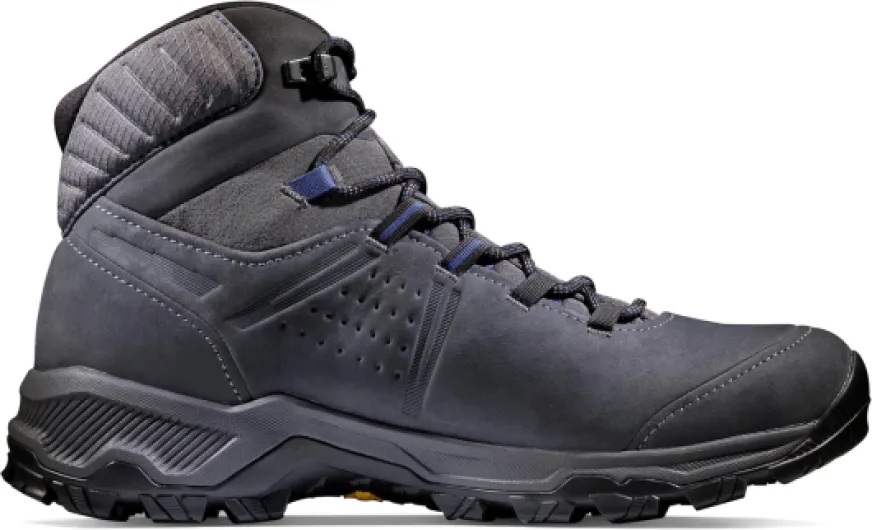
Design-wise, Mammut kept it pretty simple. The boot sits at a mid height, so it covers the ankle nicely without climbing too high up the leg. For me, that’s the sweet spot: enough support to feel safe on uneven ground, but not so tall that it feels stiff or restrictive. The toe box is rounded, not pointed, which is good for comfort, but it’s not super wide like some “wide fit” models from other brands. If your toes like to spread out a lot, you might find it just okay, not generous.
The lacing system is straightforward: standard fabric loops and metal hooks at the top. They hold the tension well; I didn’t have to keep re-tightening mid-hike. The tongue is gusseted and tied into the Gore-Tex, so water doesn’t easily sneak in from the top unless you really dunk them. One thing I liked is that the ankle padding is thick without being spongy. It wraps around the ankle nicely and gives a locked-in feel without creating hot spots.
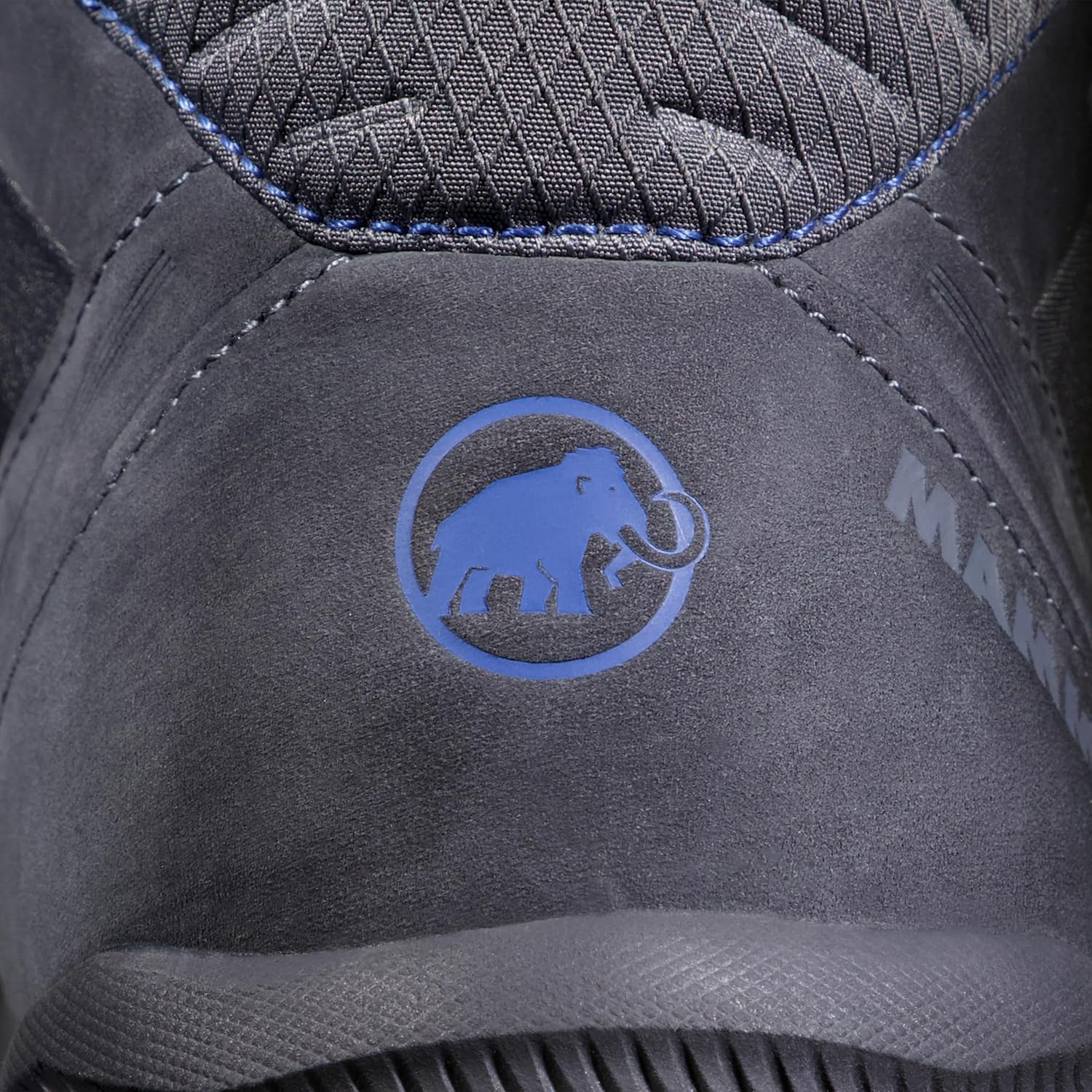
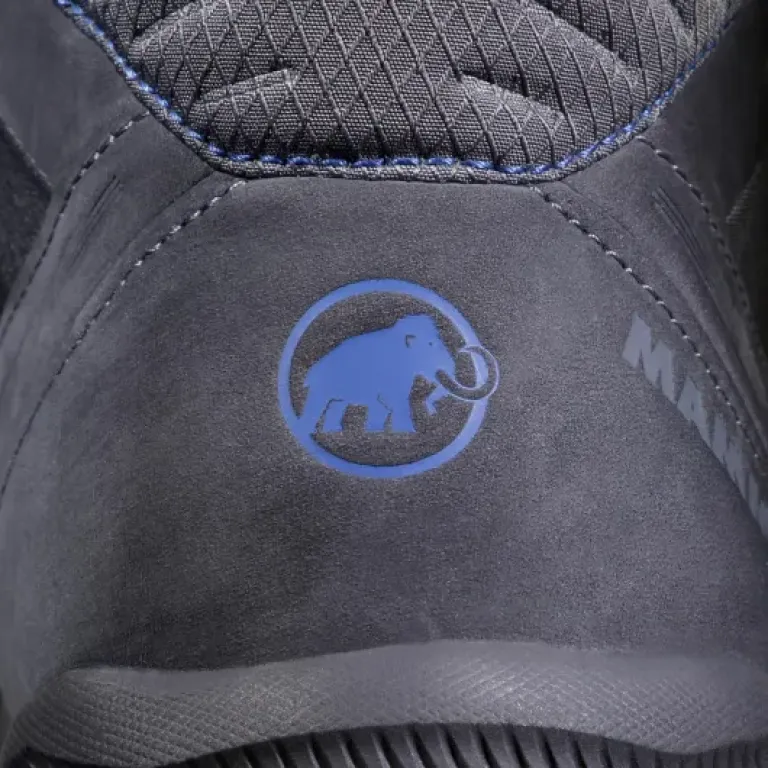
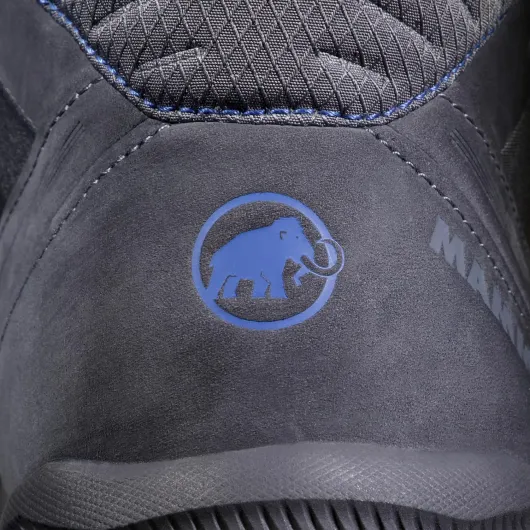
Looks-wise, these are pretty neutral. Dark leather, small Mammut logos, nothing flashy. That’s a plus for me. I’ve worn them straight from a muddy walk into town and they just look like regular dark boots once you wipe them down. If you want bright colours or a very sporty trail-runner vibe, these won’t scratch that itch. They look more like classic hiking boots, just slightly modernised.
Only minor design gripe: the footbed feels a bit generic. It’s not terrible, but for the price bracket, I expected something a bit more shaped. If you have picky feet or do a lot of long days, you might want to drop in your own insoles. Once I swapped to my usual aftermarket insoles, the overall design of the boot made a lot more sense and felt more dialled in.
Comfort: the main reason to buy these
This is where these boots do well. The first time I put them on, the most noticeable thing was the Memo Foam around the ankle and tongue. It basically fills the gaps around your ankle bones and the top of your foot, so you don’t get that sharp lace pressure you sometimes feel on stiffer boots. On my first 9 km walk, I had zero blisters and only a mild feeling of the sides being snug, which calmed down once the leather had flexed a bit.
The cushioning underfoot is also better than I expected for a leather boot. The EVA midsole gives enough bounce that long walks on hard tracks don’t kill your heels. I’ve used them on a full day out in mixed terrain and, by the end, my legs were tired but my feet weren’t screaming, which is usually the sign that the boot is doing its job. With my own insoles, comfort went from “good” to “very solid”.
One thing to note: if you have wider feet or very high arches, you may need a short break-in period. The boot isn’t narrow like a race shoe, but it’s not a wide boat either. I’d call it standard European fit. Wearing two pairs of socks (liner + hiking sock) works fine, but in that case, going half a size up is safer. When I tried them with thick winter socks in my usual size, they were still okay, but definitely on the snug side in the forefoot.
Breathability and internal climate are decent for a Gore-Tex boot. My feet get warm on hot days, but not to the point of blisters or crazy sweat. On colder wet days, they feel quite cosy. Overall, in terms of comfort, these are closer to a cushioned hiking shoe with ankle support than a stiff mountain boot. If you want that kind of feel, they’re a strong option. If you prefer a very rigid, supportive boot for heavy loads, you might find them a bit too soft.
Materials: good leather, proper Gore-Tex, but not a tank
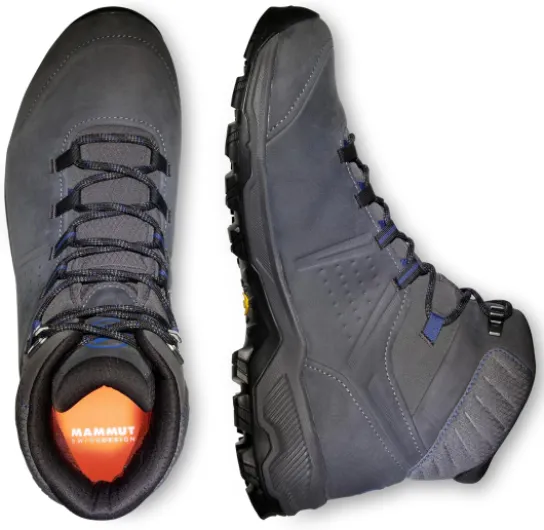
The upper is made from terracare nubuck leather, which is marketed as more sustainable and produced in Germany. In the hand, it feels thick enough to be reassuring but not as stiff as old-school full-grain boots. After a few walks, it softens up nicely and creases in the right places rather than forming hard folds that rub. I’ve given them a basic leather treatment (dubbing) after a few muddy hikes, and the leather seems to take care products well and darkens slightly, which I don’t mind.
Inside, you’ve got a Gore-Tex membrane and textile lining. In real use, this combo has kept my feet dry in wet grass, puddles, and steady rain. Breathability is decent for a waterproof boot. My feet do get warm on longer climbs, but it’s not that sticky sauna feeling some cheaper membranes give. Socks come out slightly damp from sweat on a long hike, but not soaked, which is acceptable for this type of boot.
The sole unit is a mix: Vibram rubber outsole and EVA midsole. The EVA midsole is what gives you that lighter feel and decent cushioning. It’s comfortable, but EVA doesn’t last forever, especially if you use them on tarmac a lot. The Vibram rubber grips well (I’ll get into that in performance), but it’s not the hardest compound out there. People who walk 10k+ every single day report the heel rubber wearing down in a year or so, which sounds about right for this kind of boot.
Overall, the materials feel well chosen for day hikes, regular use, and mixed terrain. If you want something you can abuse for years with heavy loads and very rough rock, you might want a beefier, heavier boot with thicker leather and a stiffer sole. For normal hiking and walking, the balance between weight, comfort, and durability feels sensible, just don’t expect them to be immortal if you wear them like everyday work boots.
Durability: good for regular hiking, less so for daily abuse
Durability is where you have to be realistic with what these boots are designed for. The leather itself feels robust. With basic care – a rinse, brush-off, and some dubbing or wax after muddy hikes – it holds up nicely. No cracking, no weird peeling so far. The stitching around the upper and the toe rand looks clean and hasn’t frayed on my pair. I’ve also seen reports from people who used previous Mercury versions daily and only saw the leather separating around the toe after a year of serious, everyday use.
The weak spot seems to be around the welt and the heel of the sole if you’re clocking 10k+ steps every single day on hard surfaces. One reviewer mentioned the leather separating over the toecap and the sole being well worn after a year of continuous daily wear. Honestly, that’s not shocking for a light-ish hiking boot with an EVA midsole and Vibram sole. It’s more of a hybrid between a trail shoe and a classic boot, so you can’t expect the same lifespan as a heavy, resolable leather boot that weighs 800+ g per shoe.
For “normal” hikers – a few walks a week, weekends, trips, maybe some dog walks – I’d expect a good couple of seasons of use before the sole wear becomes an issue, assuming you take basic care of the leather. If you’re the type who buys one pair and wears them every single day for work, walking, and everything in between, you’ll probably grind through the sole in a year or so.
Bottom line: durability is decent, but not bombproof. The upper and construction feel solid for their weight, but the sole and midsole will be the limiting factor if you’re hard on your boots. If longevity is your top priority and you don’t care about weight or comfort as much, you might be better off with a heavier, more traditional trekking boot.
Performance on the trail: grip, support and waterproofing
On the trail, the Vibram sole is the star. Grip on wet grass, muddy paths, and rocky sections has been reliable. I’ve deliberately stepped on wet roots and damp slabs where I know some cheaper soles slide, and these held pretty well. You still need to be sensible – nothing grips on greasy mud like glue – but I never felt like they were letting me down. The tread pattern is fairly aggressive without being ridiculous, so mud sheds reasonably well and you don’t end up carrying half the field on your boots.
Support-wise, the mid-cut height and the padding around the ankle give a nice secure feel on uneven ground. The sole has some flex, so you can walk naturally, but it’s not floppy. I’d call it medium stiffness: fine for day hikes and light backpacking, probably not stiff enough for very heavy packs or technical via ferrata stuff. For 10–20 km walks with a normal daypack, it’s spot on. I’ve had no ankle rolls so far, and the toe protection is good – the rubber cap has already saved me a couple of times when I kicked hidden rocks.
Waterproofing has been solid. I’ve walked for hours in steady rain and through wet grass taller than the boots, and my socks were still dry at the end. I also stepped into a shallow stream where the water came up to just under the laces: still dry. As usual, once water goes over the top, it’s game over, but that’s just how boots work. In terms of breathability vs waterproofing, I’d say they’re well balanced for the UK-style climate: lots of damp, not crazy heat.
The main performance downside is sole longevity if you’re using them as everyday shoes on hard surfaces. Some users report the heel wearing down after a year of daily 10k walks. For occasional hikes and weekend use, that’s fine; for daily dog-walking + hiking + town use, expect to see visible wear on the heel fairly quickly. So: performance on the trail is strong, but don’t treat them like indestructible work boots.
What you actually get when you buy these Mammut boots
The Mercury IV Mid GTX is basically a mid-height hiking boot that tries to sit between a trail shoe and a full-on mountain boot. On paper: nubuck leather upper, Gore-Tex membrane, Vibram outsole, EVA midsole, and this “3D Memo Foam” stuff around the ankle and tongue. Weight is about 480 g per shoe, which feels about right in hand – noticeably lighter than classic leather boots from, say, Meindl, and a bit heavier than pure fabric trail shoes.
The model I have is the Dark Titanium Black. In real life, that means a dark grey/brownish leather with black accents and a black sole. It’s quite low-key. No loud colours, no shiny plastic. If you want something you can wear on a hike and still walk into a pub or supermarket without looking like you just came off an alpine expedition, these are fine. Styling is pretty neutral and “outdoorsy” without being over the top.
Fit-wise, they’re a medium to slightly narrow last. If you have wide feet, you might feel the sides at first. I’m between standard and slightly wide, and I felt the forefoot snug on day one, but after two or three walks the leather eased up. Several reviews mention sizing: some say go half a size up, others say true to size. My take: if you use thick winter socks or two-sock systems, go up half a size; with normal hiking socks, your usual hiking size should be fine.
So in short: you’re getting a leather/Gore-Tex mid boot, fairly light, with a decent Vibram sole and a focus on comfort. It’s not a hardcore alpine boot, more a day-hike / light trekking shoe that still gives ankle protection and proper waterproofing. If that’s what you’re looking for, the spec sheet matches reality pretty well.
Pros
- Very comfortable out of the box thanks to Memo Foam and decent cushioning
- Reliable waterproofing with Gore-Tex and good breathability for a leather boot
- Lightweight for a mid-cut leather boot, with solid grip from the Vibram sole
Cons
- Sole and heel wear faster if used as everyday boots on hard surfaces
- Fit is medium to slightly narrow and may not suit very wide feet
Conclusion
Editor's rating
The Mammut Mercury IV Mid GTX is a comfortable, lightweight hiking boot that makes sense if you do regular walks in wet, mixed terrain and don’t want to spend a week breaking them in. The Gore-Tex works, the Vibram sole grips well, and the Memo Foam padding makes them easy to wear for long days without chewing up your feet. For day hikes, dog walks, and light trekking with a normal pack, they do the job well and feel good on the foot.
They’re not perfect. The fit is medium to slightly narrow, so wide-footed hikers should be careful with sizing. The sole and welt aren’t built like a tank, so if you use them as everyday shoes for 10k+ steps on hard ground, you’ll probably wear down the heel within a year or so. For normal hiking use, though, the durability is acceptable, and the comfort and waterproofing make up for the compromises.
Who are they for? Hikers who want a light, comfy, waterproof boot for regular use, especially in rainy climates, and who value comfort over maximum lifespan. Who should skip them? People with very wide feet, those carrying heavy loads over technical terrain, or anyone who wants a super-rugged boot that can double as a work boot for years. For most casual to committed hikers, they’re a solid, no-nonsense choice.