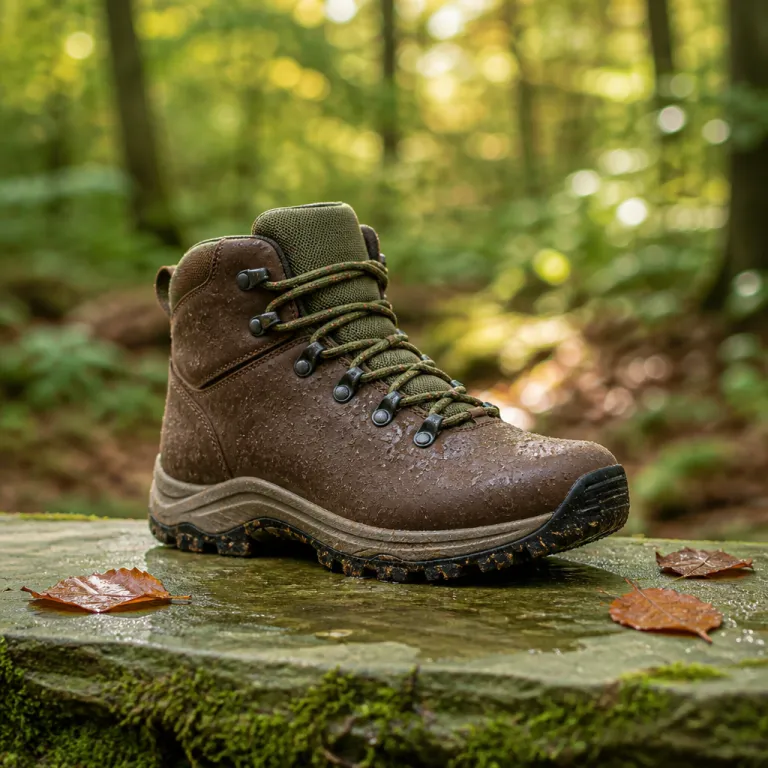
Reading the cold, wet signals from your feet
Your trail runners have carried you through a long hiking season. Then one frosty morning your toes go numb by the second kilometre, and the wet grass soaks your socks before the first climb. That is the moment insulated hiking boots stop being a luxury and start feeling like basic survival gear for your feet.
Pay attention when your feet stay cold even with thick wool socks, because that persistent chill means your lightweight shoes lack both insulation and wind blocking. If dew, shallow puddles, or the first dusting of snow leave you squelching by mid morning, your footwear is failing in real trail conditions rather than in a shop test. When you start extending your days into shoulder season and winter hiking light fades early, cold feet sap decision making and balance long before you feel tired.
Many hikers ask whether they really need a full winter boot or if lightly insulated hiking boots will be enough. The honest answer depends on how long you stay out, how deep the snow gets, and how cold your local mountains run. For most fall and early winter hikes, a well designed insulated boot with a waterproof hiking membrane and moderate shaft height offers the best balance between warmth, protection, and walking comfort.
Signals also show up in your behaviour, not just in your toes. If you find yourself avoiding early starts, wet trails, or shaded gullies because your current boots leave you shivering, that is a clear sign the system is broken. When you start packing spare socks for every outing and still finish with pruned feet, it is time to look seriously at insulated hiking boots instead of hoping for a drier forecast.
Insulation versus waterproofing in real mountain conditions
Insulation and waterproofing solve different problems, even though brands often blur the line by calling any lined winter boots "warm". Insulation slows heat loss from your feet, while a waterproof hiking membrane blocks external moisture but also traps sweat inside the boot. The best cold weather setup balances both so your feet stay warm, not just dry on a spec sheet.
Think of insulation as the loft around your foot, whether it is synthetic fill in a north face Chilkat winter boot or dense felt in a Sorel Caribou classic. A lightly lined boot such as the Merrell Thermo Chill mid offers modest warmth for brisk autumn hiking, but it is not built for standing in deep snow all day. When temperatures drop well below freezing and wind cuts across ridgelines, you need more serious insulation than most three season hiking boots provide.
Waterproof membranes like Gore Tex or proprietary systems in models such as the Oboz Bridger insulated boot keep external water out during winter hiking. They also reduce breathability, which means sweat builds up faster on steep climbs and can later chill your feet when you stop. That is why a heavier thermo style boot can feel clammy on a long ascent, then suddenly icy when you pause to check the map.
Modern insulated hiking boots often combine a mid height shaft with a sealed tongue to keep slush out, but shaft height alone does not guarantee warmth. A tall shaft without real insulation behaves like a rain boot, fine for shallow puddles but miserable in deep snow or on long, cold traverses. When you compare options, focus first on fit and insulation level, then on the specific membrane technology, not on marketing claims about extreme conditions or vague promises of thermo performance.
For technical terrain where edging and scrambling matter, some hikers now look at hybrid designs such as the Arc'teryx Konseal Trek, a hiking boot that brings climbing DNA and precise ankle support to cold weather routes; you can see how this kind of advanced hiking boot concept is evolving in this detailed analysis of a Kevlar collared mountain boot. These designs show how brands try to merge warmth, protection, and technical control in one boot. They are not always the best choice for casual winter hiking, but they highlight the trade offs between stiffness, insulation, and all day comfort.
When trail runners still work, and when they really do not
Not every cold morning demands a new pair of boots. If your hikes stay short, the snow is shallow, and you move fast, trail runners plus a high quality wool sock can still be the best option. The key is understanding when that minimalist setup crosses a line from efficient to unsafe.
Trail runners shine when you are hiking hard on steep climbs, because their breathable uppers dump heat quickly and prevent sweat from pooling around your feet. On dry but chilly days, that ventilation can keep you more comfortable than a heavy winter boot with thick insulation. Once the trail turns to slush, however, the same mesh that felt so airy becomes a sponge that pulls icy water straight to your skin.
If you mostly fish along low elevation rivers or lakes, you might pair trail runners with waterproof socks or dedicated fishing boots instead of insulated hiking boots; this kind of nuanced choice is explained well in a technical guide on how to choose the best fishing boots for serious hikers. For mixed days that start frosty and warm up quickly, a lightly insulated mid height boot such as the Merrell Thermo Chill mid can bridge the gap. It offers more warmth and protection than shoes, without the full commitment of a deep winter boot.
There are also budget and price considerations when deciding whether to keep your runners. If you only face a few cold weekends each season, spending heavily on premium winter boots for men or winter boots for women may not be the best use of your gear budget. In that case, upgrading socks, adding a vapor barrier liner, and timing your hikes for warmer daylight hours can stretch your existing hiking shoes a little longer before you finally switch to a dedicated insulated boot.
Fit, shaft height, and the hidden cost of too much warmth
Once you commit to insulated hiking boots, fit matters more than any membrane or marketing term. Cold weather magnifies small pressure points, because reduced blood flow makes every hotspot feel sharper and more persistent. A boot that felt acceptable in summer can become unbearable when your feet swell less but your socks get thicker.
Always size with your real winter hiking system, including the thickest socks you plan to wear and any insole you rely on. You should have enough room to wiggle your toes freely, because cramped forefeet lose warmth quickly even in the best insulated boot. Many experienced hikers size up by half a European size for their winter boot, then fine tune volume with sock choice and lacing tension.
Shaft height is another overlooked variable that changes how warm and stable a boot feels. A mid height shaft, like you see on the Oboz Bridger insulated or the Merrell Thermo Chill mid, offers ankle support and keeps shallow snow out without locking your lower leg in a rigid cast. Taller shafts, such as those on the North Face Chilkat or the Sorel Caribou winter boot, shine in deep snow and on long, cold days when you value protection over agility.
Too much warmth can backfire badly on high output climbs. In a heavily insulated boot such as the Keen Revel winter boot or a similar thermo design, your feet may sweat heavily on the ascent, soaking your socks from the inside. When you stop on a windy ridge, that trapped moisture cools rapidly and your feet can feel colder than they ever did in lighter hiking boots.
For boots men and boots women models alike, the best compromise is often a moderately insulated mid height boot with a reliable waterproof hiking membrane and a stable midsole. That kind of design handles long days in mixed conditions without turning your feet into steam baths. Remember that comfort in the cold is not just about maximum insulation, but about managing moisture, fit, and shaft height together as one system.
Real world models, trade offs, and price brackets
When you start comparing insulated hiking boots, the catalogue can feel endless. Focus on how specific models behave after hundreds of kilometres, not just how they look on a screen. Durability, midsole resilience, and upper materials matter more than a long list of buzzwords about thermo performance.
Take the Oboz Bridger insulated boot as a reference point for serious winter hiking. Its firm midsole and supportive last make it one of the best options for carrying heavy packs over long distances in mixed snow and rock conditions. The trade off is that some hikers find it too stiff for casual day hikes, especially when they are used to flexible trail runners.
The Merrell Thermo Chill mid sits in a different bracket, with a softer ride and a friendlier price for newer hikers. It offers enough insulation and waterproofing for most fall hiking and moderate winter days, without the bulk of a full mountaineering style winter boot. After a few seasons, the cushioning may pack out faster than on premium boots, but many hikers accept that compromise for the lighter feel.
On the more robust side, the North Face Chilkat winter boots and the Sorel Caribou winter boots men and boots women lines are built for deep snow and prolonged cold. Their tall shafts and heavy insulation keep feet warm during long static periods, such as belaying or camp chores in men winter conditions. They are less ideal for steep, technical hiking where precise foot placement and edging matter more than maximum warmth.
Keen Revel boots, especially the Keen Revel winter boot series, aim to blend hiking comfort with serious insulation. Some hikers love the roomy toe box for wide feet, while others find the forefoot too loose for side hilling on firm snow. Whatever you choose, match the boot to your terrain, your pack weight, and your realistic cold weather plans, not to the most extreme marketing photo on the box.
Layering, gaiters, and the rest of the cold weather system
Insulated hiking boots are only one part of staying warm and dry when trail runners stop being enough. Your socks, gaiters, and even your jacket system all influence how your feet feel by the end of a long day. Think of your whole lower body as a heat and moisture management puzzle, not just a pair of boots.
Start with high quality wool or wool blend socks that match your conditions and boot volume. Thin liners under medium weight socks can reduce friction and help move moisture away from your skin, especially in tightly sealed winter boots. Avoid stacking socks so thick that they compress your toes, because that reduces circulation and cancels out much of the insulation you paid for in the boot.
Gaiters become essential once you are wading through deep snow or crosstrak powder on unbroken trails. A mid height boot paired with a well fitted gaiter can outperform a taller shaft boot without gaiters, because the fabric seal keeps spindrift and slush from sneaking down the shaft. Pay attention to how the gaiter interfaces with the boot's shaft height and lace hooks, since poor attachment points can pop loose during aggressive hiking.
Your overall clothing system also affects how warm your feet feel. When your core is under insulated, your body shunts blood away from your extremities, making even the best winter boots feel inadequate. Many experienced hikers rely on a carefully chosen insulated jacket for serious mountain terrain, as outlined in this field tested guide to a packable mountain jacket for harsh conditions, because keeping your torso warm helps keep your feet warm too.
Finally, remember that no boot can fix poor pacing or hydration. Charging hard in a heavy bridger insulated boot or a dense thermo design will soak your socks from the inside, then chilling winds will punish you during every rest stop. Cold weather comfort is not just about the waterproof rating, but about how you manage the tenth river crossing, the long shaded traverse, and the slow, careful descent back to the trailhead.
Key figures on insulated hiking boots and cold weather hiking
- A survey by the American Hiking Society reported that around 60 % of regular hikers extend their season into late autumn and early winter, which increases exposure to cold and wet trail conditions compared with summer only hikers.
- Laboratory testing from Gore Tex has shown that waterproof membranes can reduce moisture vapor transmission by 15–25 % compared with fully unlined mesh uppers, which explains why sweat management becomes a bigger issue in insulated and waterproof hiking boots.
- Retail data from the NPD Group indicated that sales of winter hiking and insulated boots grew by roughly 10 % year over year in the outdoor footwear category, reflecting more hikers pushing into shoulder season conditions.
- Field measurements from several alpine clubs suggest that standing on snow or ice can increase heat loss through the sole by up to 50 % compared with standing on dry ground, which is why insulated midsoles and insoles matter in deep snow travel.
- In controlled cold chamber tests, boots with 200 g class synthetic insulation typically keep toes above discomfort thresholds for about 60–90 minutes at moderate activity levels, while 400 g class winter boots can extend that window to more than two hours in similar conditions.
FAQ about switching from trail runners to insulated hiking boots
When should I switch from trail runners to insulated hiking boots?
You should switch when your toes stay numb despite good socks, your feet get soaked early from dew or shallow snow, or your hikes extend into colder, darker months. Those are clear signs that your current shoes no longer match the conditions you face. At that point, a properly fitted insulated boot becomes a safety tool, not just a comfort upgrade.
How much insulation do I need in a winter boot?
For active hiking in typical shoulder season conditions, light to moderate insulation around the 200 g synthetic class usually works well. If you spend long periods standing still in deep snow or very low temperatures, heavier 400 g class insulation or a more robust winter boot makes sense. Always match insulation level to your activity intensity and how long you will be out.
Should I size up my boots for winter hiking?
Many hikers go up by about half a European size for winter boots to accommodate thicker socks and allow toe wiggle room. You should try boots late in the day with your real winter sock system to check for swelling and pressure points. Make sure you can move your toes freely without your heel lifting excessively on steep climbs.
Are mid height boots enough for deep snow?
Mid height boots can handle moderate snow depths when paired with good gaiters that seal the gap between boot and leg. For sustained travel in deep snow or frequent post holing, taller shaft boots provide better protection and warmth. The combination of shaft height, gaiters, and insulation level matters more than any single feature alone.
Can I use one pair of boots for both fall and full winter?
Some insulated hiking boots with moderate insulation and a supportive midsole can bridge late autumn and milder winter days. In very cold climates or for long static activities, you may still want a dedicated heavy winter boot. Many experienced hikers keep a lighter insulated pair for most trips and a more robust option for the harshest conditions.