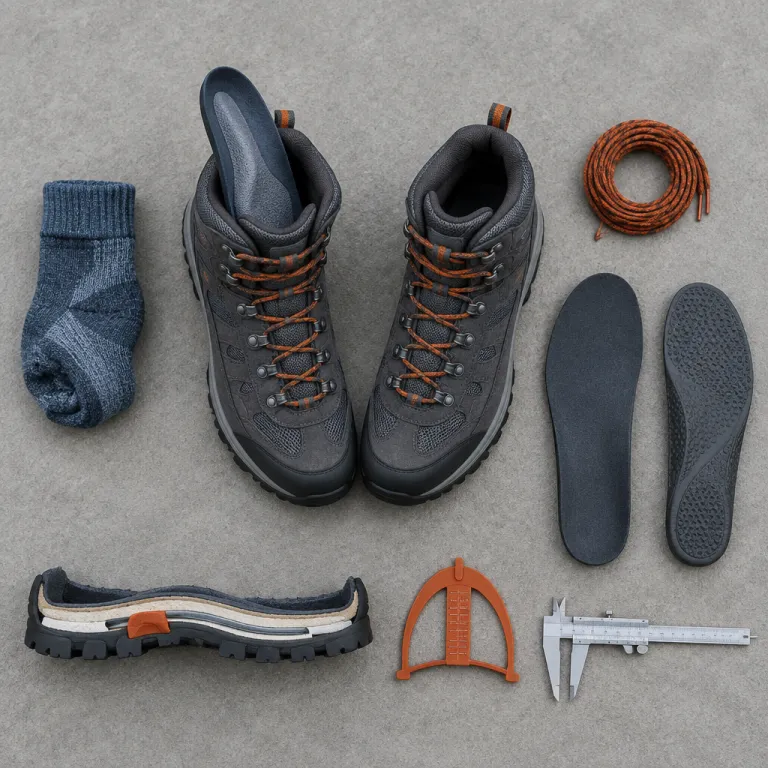
Why flat feet and overpronation punish you after kilometre eight
Flat feet are not a moral failing, they are a mechanical reality. When your arches sit low or collapse under load, your hiking boot has to manage extra rotation through the ankle and heel, especially once fatigue sets in on long day hikes. That is why hiking boots for flat feet must be chosen with the same care you give to route planning and weather windows.
Overpronation means your feet roll inward as you walk, so the inner edge of the outsole and midsole takes more abuse with every step. On trail this shows up as inner ankle soreness, a drifting heel, and hot spots along the arch after several kilometres of hiking, even when the boots feel fine in the shop. Many hikers blame their fitness, but the real culprit is often a soft, unsupportive hiking boot that lets boots flat against the ground instead of guiding the foot.
Once the arch collapses, the chain reaction climbs up through the knees, hips, and lower back, which is why experienced backcountry travellers obsess over support instead of just cushioning. A firm heel counter, a stable midsole, and a locked in mid foot can turn flat feet from a liability into a predictable variable you can manage. The best hiking boots for flat feet create a controlled platform so your feet best handle uneven terrain without fighting your gear every step.
The support architecture that flat feet actually need
For hikers with flat feet, the most important feature is a firm, well shaped heel counter that cups the heel and stops it from sliding inward. When you lace a hiking boot and press on the back of the boot, that heel counter should feel rigid, because this stiffness keeps the ankle aligned and prevents the heel from drifting on sidehills. In field use, a strong heel counter is what keeps your feet tracking straight when you are side hilling with a heavy pack in remote backcountry terrain.
Torsional rigidity is the second pillar of support, and you can test it in seconds by twisting the hiking boots in opposite directions. A good boot for overpronation should resist that twist, so the midsole and shank work together to stop the arch from folding and to keep boots flat only where the trail is flat, not where your foot collapses. Models like the Lowa Renegade hiking boot, the Renegade Evo Mid GTX, and the classic Lowa Renegade GTX Mid show how a supportive shank and firm midsole foam can stabilise flat feet without feeling like a ski boot.
When you compare options in the shop, ignore the marketing about ultra light comfort and focus on how the boot behaves under load, because the best hiking support comes from structure, not just padding. Check the current price later, but first check whether the midsole bends only at the forefoot flex point and whether the outsole feels laterally stiff when you edge on a rock. If you want a deeper technical breakdown of one benchmark model, this detailed Lowa Renegade men’s hiking boot review is a useful reference for understanding how support features translate to real trail performance.
Why soft, flexible boots feel great in store and terrible on trail
Many hikers with flat feet gravitate toward soft, running shoe style hiking boots because they feel instantly comfortable on carpet. That plush sensation comes from flexible midsoles and minimal torsional rigidity, which allow the arch to move freely and the boot to twist easily in your hands. On a short walk this feels forgiving, but on long day hikes it lets the arch collapse repeatedly until the feet and ankles are working overtime.
In my testing, ultra flexible boots with deep foam cushioning and minimal shank support consistently led to arch ache by the second half of a long descent. The heel might feel cushioned, yet without a strong heel counter and structured midsole, the heel drifts inward and the ankle follows, especially for women and men with pronounced overpronation. This is why some of the best hiking boots for flat feet, such as the Lowa Renegade GTX Mid or the Renegade Evo Mid GTX, feel slightly firm out of the box but keep your gait aligned after hours of hiking.
Look at the outsole and try to twist the boot; if it folds like a trail runner, it is rarely the best choice for flat feet on technical terrain. A hiking boot should bend at the forefoot but resist twisting through the mid foot, so the arch is supported while the toes can still push off naturally. For a concrete example of this balance between flex and stability, the Lowa Renegade GTX Mid test shows how a mid GTX design can combine comfort with real structural support.
Real world models: what works for flat feet and overpronation
When you shop for hiking boots for flat feet, certain models consistently stand out for structured support and reliable shock absorption. The Merrell Moab line, especially the Merrell Moab 3 Mid GTX, offers a relatively friendly price while delivering a stable platform, a supportive insole, and a grippy outsole that works well for mixed day hikes. For many hikers, these boots are the best entry point into supportive footwear because the fit is forgiving and the current price often undercuts more technical options.
On the premium side, the Hoka Kaha GTX and the Hoka Kaha 2 GTX combine maximal cushioning with a surprisingly rigid midsole, which helps flat feet by absorbing impact without allowing the arch to collapse. The Kaha GTX boots feel tall and protective, and the rocker shape can smooth out your stride on long backcountry approaches, though some hikers find the stack height unstable on very uneven ground. If you want a similar philosophy with a slightly lower profile, the Hoka Kaha boots in leather versions add durability and a more traditional hiking boot feel while keeping the same supportive geometry.
Salomon’s line offers several strong options for overpronators, especially the Salomon Quest series and the Salomon Ultra models that use firm chassis systems. A Salomon Ultra Mid GTX boot wraps the ankle securely and uses a structured midsole to guide the foot, while the Salomon Quest GTX boots add even more support for heavy packs and multi day trips. For hikers who prioritise classic leather construction, the Lowa Renegade and the Renegade Evo remain benchmarks, with the Renegade Evo Mid GTX offering a slightly updated fit and improved heel hold that many flat footed hikers appreciate.
Fit, insoles, and lacing: tuning support for your own feet
Even the best hiking boots for flat feet will fail if the fit is wrong, so start by understanding your foot volume and length. Low volume feet often swim in standard boots, which reduces support because the mid foot cannot lock into the boot and the heel counter cannot stabilise the heel. High volume feet can feel crushed in the same hiking boot, leading to numb toes and compensatory overpronation as the foot searches for space.
When you try boots, wear the socks you plan to use on trail and leave a thumb’s width in front of the toes to protect the toenails on descents. Lace the boot snugly over the instep and mid foot, then use the ankle hooks to create a separate tension zone that locks the heel into the heel counter without strangling the front of the foot. If your heel still lifts, experiment with a heel lock lacing technique, which can transform a decent fit into a secure one for both women and men with flat feet.
Stock insoles in most hiking boots are thin and unsupportive, so hikers with flat feet usually benefit from an aftermarket support insole with a defined arch and deep heel cup. These insoles work with the boot’s midsole and outsole to improve shock absorption and keep boots flat only where the trail is flat, not where your arch collapses. For persistent pain, a podiatrist prescribed orthotic can be worth the higher price, especially if you are planning long backcountry trips where your feet best not be the weak link.
Waterproofing, materials, and durability for flat footed hikers
Support is the priority for flat feet, but materials and waterproofing still matter when you choose hiking boots for real mountain use. Full grain leather boots, such as many versions of the Lowa Renegade or Renegade Evo, tend to offer better long term ankle support because the leather breaks in slowly and holds its shape around the heel counter. Synthetic boots are lighter and dry faster, yet some very soft uppers can stretch over time and reduce the precision of the fit for flat feet.
Most modern supportive boots use a Gore Tex or similar GTX membrane, which keeps water out while allowing some moisture to escape. A mid GTX boot like the Salomon Ultra Mid GTX or the Hoka Kaha GTX balances ankle coverage with reasonable weight, making them strong candidates for mixed day hikes and shorter backcountry trips. For extended wet conditions, a taller boot such as the Salomon Quest GTX can keep your feet drier, but remember that waterproofing does not replace good socks and regular airing during breaks.
Durability shows up first in the outsole and midsole, where flat footed hikers often wear the inner edge faster because of overpronation. Check the outsole pattern and rubber compound, and expect quality boots to hold their structure for several hundred kilometres before the midsole compression reduces support. If you are heading into serious mountain terrain where failure is not an option, pairing supportive boots with reliable outer layers such as a packable mountain jacket, as discussed in this analysis of why experienced hikers rely on packable jackets in serious terrain, shows the same philosophy of redundancy and preparation that should guide your footwear choices.
How to test boots in ten minutes and when to see a professional
You can learn a lot about hiking boots for flat feet in a ten minute shop test if you know what to look for. Start by doing the twist test, trying to bend and twist the boot through the mid foot to check torsional rigidity and flex at the forefoot. Then walk up and down a ramp or stairs, paying attention to whether the heel stays locked in the heel counter and whether the arch feels supported rather than stretched.
Simulate real trail use by side hilling on any angled surface in the shop, which exposes whether the ankle collapses inward or the boot keeps your feet aligned. Try a few short lunges and step downs to feel how the shock absorption behaves when your full body weight drops onto one foot, especially if you carry a loaded pack. If the boot passes these tests and the current price fits your budget, you have likely found one of the best hiking options for your specific flat feet.
Sometimes the problem is not just the boot; persistent arch pain, sharp heel pain on first steps in the morning, or burning under the forefoot can signal plantar fascia issues or other medical conditions. In those cases, a sports podiatrist can assess your gait, prescribe custom orthotics, and advise on which hiking boots, from Merrell Moab to Hoka Kaha or Salomon Quest, will work best with your biomechanics. Gear can solve a lot, but when pain persists despite supportive boots and good lacing, professional help is the most valuable investment you can make.
Key figures on flat feet, hiking boots, and overuse injuries
- A large clinical review from the British Journal of Sports Medicine reported that overpronation and flat feet are associated with a higher risk of lower limb overuse injuries in runners and walkers, especially when footwear does not provide adequate medial support and heel control.
- Data from the American Podiatric Medical Association indicate that approximately one in four adults has some degree of flat feet, meaning a significant portion of hikers will benefit from structured hiking boots and supportive insoles rather than minimalist footwear.
- Industry surveys from major outdoor retailers have shown that hiking boots with Gore Tex or similar GTX waterproof membranes account for more than half of mid and high cut boot sales, reflecting the demand for waterproof support on mixed weather day hikes and multi day trips.
- Biomechanical studies have demonstrated that firm heel counters and motion control features can reduce peak rearfoot eversion angles by several degrees, which translates into less inward collapse at the ankle for hikers with flat feet and overpronation.
- Long term wear testing by independent gear labs has found that many supportive leather hiking boots, such as classic mid GTX models, maintain functional midsole support for 600 to 800 kilometres, while very soft, highly cushioned boots may lose stability noticeably sooner under heavy loads.
FAQ: hiking boots for flat feet and overpronation
Are hiking boots better than trail runners for flat feet and overpronation ?
For most hikers with flat feet and significant overpronation, structured hiking boots are usually better than very flexible trail runners because they offer a firm heel counter, torsional rigidity, and a supportive shank that limit arch collapse and heel drift on uneven terrain. Trail runners can work for lighter loads and shorter day hikes if paired with strong orthotics, but they rarely match the ankle support and long term stability of a well built hiking boot. The choice depends on your pack weight, terrain, and injury history, yet flat footed hikers who struggle with pain typically do better in supportive boots.
What features should I prioritise in hiking boots for flat feet ?
The key features are a firm heel counter that locks the heel, a midsole and shank that resist twisting through the mid foot, and an insole or footbed with real arch support rather than just soft foam. Look for boots that bend only at the forefoot, feel stable when you edge on a ramp, and hold your ankle securely without pinching the front of the foot. Waterproofing such as Gore Tex, a durable outsole, and appropriate cushioning for your weight and pack load round out the package, but structure comes first for flat feet.
Do I need custom orthotics, or are aftermarket insoles enough ?
Many hikers with mild to moderate flat feet do very well with quality aftermarket support insoles that provide a defined arch and deep heel cup, especially when paired with a supportive hiking boot. Custom orthotics from a podiatrist become more important if you have severe overpronation, a history of plantar fasciitis, or persistent pain that does not improve with good boots and insoles. If you are unsure, start with aftermarket insoles and upgrade to custom orthotics if symptoms continue after several weeks of hiking.
How should hiking boots for flat feet fit ?
Boots should have enough length to leave about a thumb’s width in front of your toes, with the heel locked firmly into the heel counter and no slipping when you walk downhill. The mid foot should feel snug but not painful, and you should be able to adjust tension separately over the instep and around the ankle using the lacing system. If you feel pressure on the top of the foot or the sides of the forefoot while standing, the volume or width is likely wrong, and no amount of lacing will fix that fundamental mismatch.
When should I replace hiking boots if I have flat feet ?
Flat footed hikers often need to replace boots slightly earlier than neutral footed hikers because overpronation wears down the inner edge of the outsole and compresses the midsole faster. Once you notice the outsole lugs worn smooth on the inside or feel that the boot has become noticeably softer and less supportive under the arch, it is time to consider a new pair. For many hikers this happens somewhere between 500 and 800 kilometres of use, depending on terrain, pack weight, and the specific boot model.
References
- British Journal of Sports Medicine – clinical reviews on foot posture, overpronation, and injury risk in runners and walkers.
- American Podiatric Medical Association – consumer surveys and educational resources on flat feet and footwear choices.
- Outdoor Industry Association and major retailer gear labs – annual reports and long term wear tests on hiking boots, waterproof membranes, and durability.