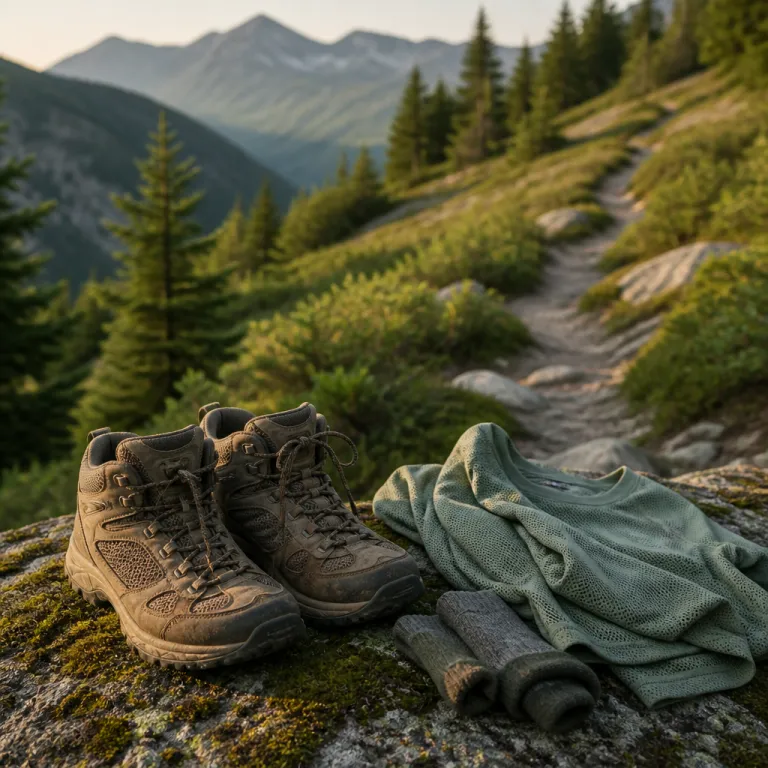
Early starts, smart timing, and what August heat does to your body
Hiking in August heat safety starts with your alarm clock, not your boots. When you step onto the trail at 6:00 in the morning, the air temperatures are often 8–12 °C cooler and the sun angle is low enough that canyon walls, forest edges, and even small ridgelines still cast long, protective shadows. By 10:30, the same trail will feel like a different planet, with reflected sun bouncing off rock and sand, turning a casual hike into a slow grind through hot weather that punishes every exposed metre of skin.
Think about your local park or nearby national parks as heat laboratories where timing either keeps you cool or cooks you slowly. In the morning evening window, your body can shed heat through sweat evaporation and convection, but once summer heat builds and the rocks radiate stored energy, your core temperature climbs faster than most trail users realise. That is when the risk of heat exhaustion and more severe heat illnesses spikes, especially on exposed trails where even a light colored shirt cannot fully offset the brutal sun.
On any August hike, your plan should assume extreme heat, not hope for forgiving weather hiking conditions. Start with a simple rule for hiking heat management ; your trail will feel one difficulty grade harder after late morning because your body is working to cool itself while also powering your legs. Respect that reality and you will stay safe far more often than the hiker who trusts fitness alone and ignores the physics of summer heat on rock, sand, and dark soil.
Hydration math and how much water your body really needs
Most experienced hikers underestimate how much water their body burns trying to stay cool in extreme temperatures. A practical baseline for hiking in August heat safety is 0.5 to 0.75 litres of water per hour in moderate heat, and up to 1 litre per hour when the trail bakes under direct sun with no wind. On steep trails in parks recreation areas where humidity is high, you may need even more because sweat does not evaporate efficiently and your body loses its primary cooling mechanism.
Carry plenty water in actual containers, not just optimism ; for a three hour hike in hot weather, that usually means at least 2 litres, and more if you are climbing hard or carrying a heavy pack. Electrolytes matter once you pass the ninety minute mark in summer heat, because plain water alone can dilute blood sodium and contribute to heat illnesses when sweat losses are heavy. A simple system is to alternate one bottle of plain water with one bottle that includes electrolytes, especially on exposed trails where the sun and reflected heat from rock amplify every climb.
Endurance athletes often use a mild sodium loading approach before efforts in extreme heat, taking in a salty snack or electrolyte drink with breakfast so the body starts the hike with a small buffer. You do not need lab data to apply that ; a salty tortilla wrap and an electrolyte tablet in your first half litre of water will support heat safety without overcomplicating your morning. Whatever you choose, the rule is simple for hiking heat ; start hydrated, sip steadily, and never let your thirst get ahead of your drinking if you want to stay safe through the hottest part of the day.
Elevation, terrain choices, and how boots interact with August heat
Elevation is your most reliable air conditioner when every lower trail bakes, and it changes how your hiking boots feel on your feet. A route that starts near sea level in a city park may sit in a stagnant heat bowl, while a trail that begins 800–1 200 metres higher in nearby mountains will often run 5–10 °C cooler with more consistent breezes. When you combine that cooler air with a morning evening start, you give your body and your boots a fighting chance against extreme heat that would otherwise turn a simple hike into a slog.
On hot weather days, I prioritise trails that climb to ridgelines early, then traverse north facing slopes or forested corridors once the sun gets high. That pattern keeps your body in the shade more often, reduces radiant heat from rock, and lets your footwear breathe instead of baking on exposed granite slabs. In many regional parks recreation systems, you can see this clearly on the map ; south facing fire roads glow under the sun by midmorning, while parallel singletrack in the trees stays cool enough that light colored clothing and a wide brim hat can actually keep up.
Boot choice matters more than most hikers admit when planning for hiking in August heat safety. A full grain leather boot like the Scarpa Kinesis Pro GTX offers superb support for mountaineers but can trap heat on low elevation trails, while a lighter synthetic model such as the Salomon X Ultra 4 Mid GTX breathes better and keeps your feet cooler on long summer heat days. If you have cranky knees and are pushing into steeper terrain, pairing breathable boots with a supportive brace from a guide like the best knee brace for hiking recommendations can reduce joint stress so your body spends more energy on heat safety and less on stabilising every step.
Trail selection, shade strategy, and protecting skin and eyes
Choosing the right hike in August is less about distance and more about shade, aspect, and access to water. Look for trails that follow creek corridors, pass alpine lakes, or weave through dense forest where your body can cool down during short breaks instead of roasting on exposed switchbacks. In many parks, a loop that stays near a river will feel dramatically cooler than a ridge hike, even if the official weather hiking forecast lists the same air temperatures for both areas.
Skin protection is non negotiable when the sun reflects off rock, sand, and water, multiplying the risk heat places on your body. Use a broad spectrum sunscreen with at least SPF 30, reapply every two hours, and treat sunglasses sunscreen as a single system ; your eyes and skin both need shielding to prevent long term damage and short term headaches that can mimic early heat exhaustion. Light colored, long sleeve shirts with UPF ratings, paired with a brimmed hat and UV rated sunglasses, keep more of the sun off your body than any lotion alone, especially on high elevation trails where UV intensity climbs.
For hiking heat management, I favour clothing that feels almost boring in its simplicity ; a thin, light colored synthetic or merino top, running style shorts, and a neck gaiter I can soak in cool water at every stream crossing. That system lets sweat evaporate efficiently while also giving you quick ways to cool pulse points when summer heat peaks. When you add in small behavioural choices, like taking snack breaks in deep shade and timing exposed sections for earlier hours, you stack the odds in favour of heat safety instead of gambling with heat stroke on the hottest slopes.
Fabric systems, breathable boots, and avoiding the classic August mistakes
The biggest clothing mistake I see on August trails is cotton from head to toe, which turns into a heavy, damp sponge that traps heat against your body. Cotton absorbs sweat, dries slowly, and in extreme heat it stops your natural cooling system from working because moisture cannot evaporate efficiently from the fabric surface. Lightweight synthetics and merino wool, by contrast, pull sweat away from your skin so that even in hot weather your body can use evaporation to stay cool while you keep moving.
Modern sun protective fabrics have become dramatically more breathable, and gear shows like the Switchback 2026 pointed toward this trend with shirts that combine UPF ratings, open weaves, and mechanical venting. When you pair a light colored, long sleeve UPF shirt with a mesh backed cap and quick drying shorts, you create a microclimate that supports hiking in August heat safety instead of fighting it. That same logic applies to socks ; thin merino or synthetic socks help your feet shed heat inside the boot, reducing the risk of blisters that form when sweat pools and skin softens.
Boot design has followed a similar arc, with many brands shifting toward more breathable uppers and midsoles that manage heat better on long summer hikes. A boot like the La Sportiva Ultra Raptor II Mid uses a highly ventilated mesh and EVA midsole that stays cooler on exposed trails, while a traditional leather boot may hold onto heat even as the air cools in the evening. If you regularly hike in extreme heat, prioritise models with generous mesh panels, lighter midsoles, and outsoles that grip well on dry, dusty trails where your body is already working hard just to stay safe.
Recognising heat illnesses and building a simple first aid plan
Every experienced hiker should be able to recognise the early signs of heat exhaustion before they slide into heat stroke, especially during August when summer heat peaks. Heat exhaustion often shows up as heavy sweating, dizziness, nausea, headache, and an elevated heart rate that feels out of proportion to the effort on the trail. Heat stroke is a medical emergency marked by confusion, hot dry skin or sweating that suddenly stops, and sometimes loss of consciousness ; at that point, your body can no longer regulate its own temperatures and immediate cooling plus emergency care are critical.
On any hot weather hike, build a simple heat safety protocol into your day. If someone in your group starts to show heat exhaustion signs, move them to shade, remove excess clothing, cool the body with wet bandannas or a soaked shirt, and have them sip cool water with electrolytes while you monitor their mental status. If symptoms worsen or you suspect heat stroke, your priority shifts to rapid cooling and activating rescue services, because no summit or park viewpoint is worth permanent damage.
August also overlaps with other seasonal risks, and your first aid thinking should expand beyond heat illnesses alone. In many regions, rattlesnake activity remains high through late summer, so it is worth reading a detailed guide on rattlesnake season and realistic first aid before you head into remote trails. When you combine that knowledge with a compact kit that includes electrolyte packets, a small cooling towel, and a way to shade an injured hiker, you give your group a much better chance to stay safe when the trail will not forgive mistakes.
Route planning, water strategies, and boot performance in extreme heat
Route planning for hiking in August heat safety is less about chasing the most famous summit and more about stacking small advantages in your favour. I look for trails that offer water crossings, canyon shade, or alpine lakes as turnaround points, because each of those features gives you a way to cool your body when summer heat peaks. A mid day swim in a high lake or a long break in a narrow canyon can reset your core temperature enough that the hike out in hot weather feels manageable instead of punishing.
When you study maps of local parks and regional parks recreation areas, pay attention to contour lines, aspect, and tree cover, not just distance. North facing slopes and densely forested valleys usually stay cooler, while broad south facing ridges bake under the sun and radiate heat back at your body long after the air begins to cool. If your schedule forces you into an afternoon start, bias your route toward shaded creek trails and away from exposed ridgelines where extreme heat and reflected light colored rock combine to push your body toward heat exhaustion faster than you expect.
Boot performance changes in extreme temperatures, and you should plan for that when choosing footwear for August trails. Midsoles soften slightly in high heat, which can feel comfortable at first but may lead to extra foot fatigue on rocky terrain as your body works harder to stabilise every step. A well ventilated boot with a moderately firm midsole strikes the best balance for most trail users, keeping your feet cool enough to stay hydrated and focused while still offering the support you need when the trail will not go easy on tired ankles.
Practical August checklist and why timing beats toughness
Before any August hike, run a quick checklist that focuses on timing, water, and sun protection rather than just distance and elevation gain. Aim to start early enough that you cover the most exposed kilometres before 10:00, carry at least 0.5 to 1 litre of water per hour, and pack extra electrolytes for any route longer than two hours in sustained heat. Build in planned shade breaks and identify bailout points on the map so that if the weather hiking forecast underestimates the heat, you can shorten the route without ego getting in the way.
Clothing should follow the same logic every time ; light colored, breathable fabrics, a brimmed hat, sunglasses sunscreen used together, and a backup layer you can soak in cool water when the sun feels relentless. Boots should be broken in, laced for secure heel hold, and paired with thin socks that help your feet shed heat instead of trapping sweat. If you want a deeper dive into how timing, fabric, and electrolytes interact on truly hot days, read the field tested breakdown in this guide to managing your first ninety five degree hike before your next big outing.
In the end, hiking heat management is not about being the toughest person on the trail ; it is about making choices that let your body work with the environment instead of against it. Start early, climb to cooler air when you can, and let fabric and boot choices support your physiology rather than fight it. The days you remember fondly in August will not be the ones where you muscled through extreme heat, but the ones where you timed the shade, drank steadily, and walked off the trail feeling like you could have kept going.
FAQ
How early should I start an August hike to avoid extreme heat?
For most low and mid elevation routes, starting between 5:30 and 7:00 in the morning keeps you in cooler air and lower sun angles for the steepest climbs. That window usually lets you finish the most exposed sections before summer heat peaks in early afternoon. If the forecast calls for extreme heat warnings, shift even earlier or choose a higher elevation trail where air temperatures stay lower.
How much water should I carry for hiking in August heat?
A practical range is 0.5 to 0.75 litres of water per hour in moderate heat, and up to 1 litre per hour in very hot weather or on steep climbs. For a three hour hike in August, that usually means at least 2 litres, plus extra if there is no reliable water source on the route. Include electrolytes for any outing longer than ninety minutes to replace sodium lost through heavy sweating.
What clothing works best for hiking in August heat safety?
Choose lightweight synthetic or merino wool shirts and socks, because they wick sweat and dry quickly, helping your body cool through evaporation. Light colored, long sleeve UPF shirts, a brimmed hat, and UV rated sunglasses paired with broad spectrum sunscreen protect your skin and eyes from intense sun. Avoid cotton for base layers, since it absorbs sweat, dries slowly, and can trap heat against your body.
Are waterproof boots a bad idea in hot summer conditions?
Waterproof boots with membranes like Gore Tex can run warmer than non waterproof models, especially on low elevation trails in hot weather. They are still useful if your August route includes frequent water crossings, muddy sections, or afternoon thunderstorms at higher elevations. For consistently dry, hot trails, many hikers prefer breathable non waterproof boots or shoes that let feet shed heat more efficiently.
What are the warning signs that heat is becoming dangerous on the trail?
Early signs of heat exhaustion include heavy sweating, dizziness, nausea, headache, and an unusually high heart rate for the effort. If symptoms progress to confusion, hot dry skin, or sudden changes in sweating, you may be seeing heat stroke, which is a medical emergency. At the first warning signs, stop in the shade, cool the body with water and airflow, hydrate with electrolytes, and be prepared to turn back or call for help if symptoms do not improve quickly.