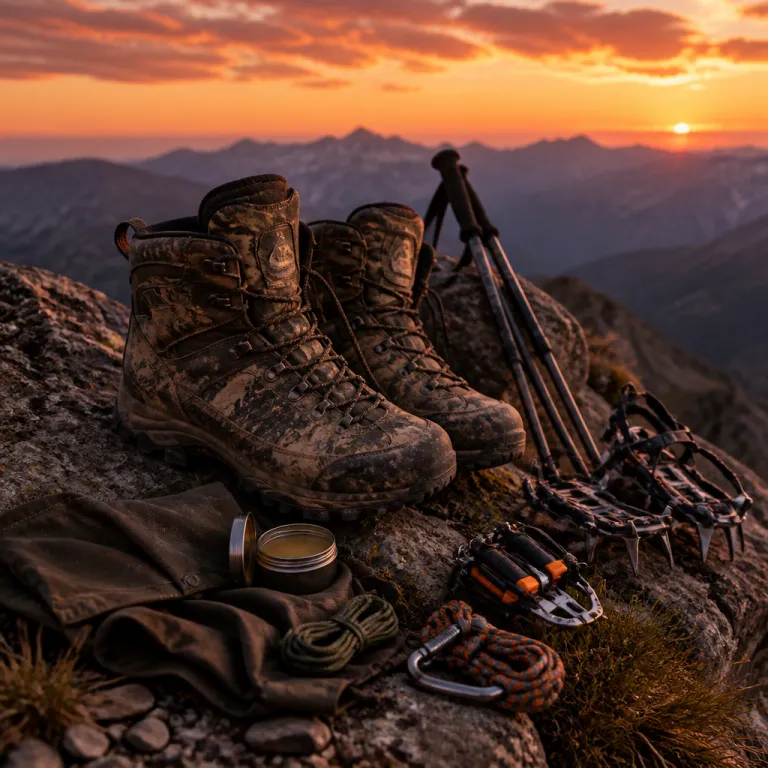

Why western camo boots appeal to serious hikers
Western camo boots used to belong only to ranches and rodeos. Today many experienced hikers and mountaineers look at each western boot and ask whether its rugged build can handle steep alpine trails and long approaches. The answer depends on how the boot balances camo style, technical features, and all day comfort for both men and women.
For outdoor enthusiasts who move between the west backcountry and urban life, the blend of cowboy boot heritage and modern camo western patterns offers a versatile style. A single pair of western boots can transition from a muddy trail to a small town café without looking out of place, which makes the product especially attractive when the sale price is close to the regular price. That balance between performance, aesthetics, and realistic price is what drives many customer reviews toward this hybrid category of boots.
Hikers who grew up in the west often started with boys camo models or west boys ranch footwear before buying their first serious work boot. That early image of a square toe boot with pull tabs and tough leather still shapes what they expect from adult men’s western hiking boots used for long routes. When brands keep that familiar western style while adding cushion insole technology and reinforced shanks, they create camo boots that feel natural on the foot yet ready for demanding terrain. For instance, a typical hiking oriented western model might combine a dual density EVA midsole, a steel or composite shank, and a 4–5 mm lug depth to balance comfort and support on mixed ground.
Key construction details that matter on steep terrain
Under the camo print and western styling, construction details decide whether a boot survives scree slopes and wet roots. A serious hiking oriented western camo boot needs full grain leather in high wear zones, a slip resistant outsole, and reinforced shanks that stabilize the midfoot on sharp rocks. Without those elements, even a premium price regular tag cannot compensate for poor trail performance.
Look closely at the toe profile when comparing cowboy boots adapted for hiking with classic mountaineering models. A square toe western boot gives more room for wide feet, while a slightly rounded square toe can edge better on narrow ledges and mixed rock and soil. For technical scrambles, some outdoor enthusiasts still prefer a more tapered toe boot, but many find the updated square designs a good option for long approaches where comfort matters more than precise edging.
Modern camo western designs often borrow ideas from work boot engineering, including abrasion resistant rand zones and deeper lugs for mud shedding. When combined with a well tuned cushion insole, these features reduce fatigue on long days that mix trail walking, camp chores, and occasional work around a base camp. As a reference point, a typical hybrid western hiking boot might weigh around 28–32 ounces per pair in a men’s size 9, with a medium flex rating that allows some torsional twist but resists folding under the arch. Hikers who regularly face relentless rain should also compare these models with specialized wet weather footwear, using resources such as this analysis of how camo rain boots elevate serious hiking in relentless wet conditions to understand where each product excels.
Fit, size, and comfort for long distance days
Fit is the single most important factor when choosing western camo boots for serious hiking. A boot with perfect leather quality and an attractive camo pattern still fails if the size is wrong or the heel slips on steep descents. Experienced mountaineers often test several size options in the same western boot model, wearing the exact hiking socks they use on multi day routes.
For men, women, and growing boys, the internal volume of men’s boots or boys camo models can differ significantly from traditional alpine footwear. Western boots usually have more instep height and a different heel pocket shape, which can feel either wonderfully secure or frustratingly loose depending on the foot. That is why careful testing of each boot, including walking on an incline ramp in the store, matters more than chasing the lowest sale price or camo sale promotion. A quick comparison checklist helps: check heel lock on descents, toe room on downhill steps, midfoot hold when side hilling, and any pressure over the instep when lacing or pulling the boot on.
Comfort over distance also depends on the interaction between the cushion insole and the reinforced shanks hidden inside the midsole. A softer insole can feel luxurious during short walks, yet without adequate shank support the boot may collapse slightly under heavy loads on rough ground. For winter expeditions or glacier approaches, hikers should compare these comfort features with the more specialized insulation and support described in guides to mastering extreme cold and understanding how 2000 gram insulated boots protect serious winter hikers.
Traction, slip resistance, and technical performance
On wet rock, loose gravel, and muddy forest paths, traction defines whether western camo boots feel like serious tools or casual lifestyle footwear. A slip resistant outsole is not just a marketing phrase; it refers to specific rubber compounds and lug geometries tested on smooth steel and wet surfaces. Hikers should look for clear technical content from the brand explaining how each boot’s outsole performs in laboratory and field tests.
Many work boot designs already prioritize slip resistant performance for industrial floors, and those same compounds can translate well to wet roots and polished boulders. However, a pure work focused sole may lack the heel brake and multi directional lugs needed for steep descents with a pack, so not every work boot automatically becomes a capable mountain boot. When evaluating a product marketed as both a western boot and a trail option, examine the outsole image carefully and compare it with known hiking tread patterns.
Some cowboy boots and western boots now integrate hybrid midsoles that combine reinforced shanks with lighter foam layers, reducing weight without sacrificing stability. This evolution mirrors the broader trend toward lighter technical gear highlighted in forward looking gear previews that explain why every boot, pack, and tent at major trade events keeps getting lighter than last season. For mountaineers who count every gram in their pack, a camo western model that offers real slip resistant traction at a competitive regular price can be a compelling option. As an example of typical specifications, a hiking oriented western camo boot might use a proprietary rubber blend rated to meet common occupational slip standards, a nylon or fiberglass shank for underfoot rigidity, and a rocker profile that smooths heel to toe transitions on long approaches.
Evaluating price, value, and real world durability
Price always enters the conversation when a hiker compares western camo boots with traditional alpine models. The apparent gap between regular price and sale price can be tempting, but serious users should calculate value over the full lifespan of the boot. A slightly higher price regular tag may be justified if the leather, stitching, and outsole last through several seasons of demanding use in the west and beyond.
Customer reviews can help, yet they often mix casual wear impressions with hard use feedback from guides and ranch workers. When reading this content, focus on comments that mention specific conditions such as scree, snow, or multi day backpacking, rather than only office comfort or city walking. Pay attention to how often reviewers mention the durability of pull tabs, the resilience of the cushion insole, and whether the square toe area shows early creasing or cracking.
Durability also depends on how the boot is used across different activities, from work around a farm to weekend mountaineering trips. A work boot that spends most of its life on concrete may show different wear patterns than the same boot used for glacier approaches or rocky ridges. Serious outdoor enthusiasts should track their own usage and inspect each boot regularly, watching for early signs of outsole delamination, leather drying, or reduced slip resistant performance on wet stone.
Choosing the right western camo boots for your terrain
Selecting the best western camo boots starts with an honest assessment of your primary terrain. Hikers who spend most of their time in the arid west on dusty singletrack need different features than mountaineers tackling mixed snow and rock routes in high alpine zones. Matching boot style, size, and technical features to that terrain prevents both overbuilt and underbuilt choices.
For rolling hills, forest trails, and light backpacking, a lighter cowboy boots inspired design with a flexible cushion insole and moderate reinforced shanks can work well. In this scenario, the camo western pattern and classic pull tabs mainly serve aesthetic and convenience roles, while the slip resistant outsole and square toe comfort carry the performance load. When the product description and image emphasize aggressive lugs and stiffer shanks, the boot is usually aimed at steeper, rockier routes where edging and load support matter more.
Families choosing boys camo or west boys models for young hikers should prioritize ankle coverage, secure heel fit, and realistic weight over flashy camo sale promotions. For women and men’s models, the same principles apply, but with closer attention to last shape and volume differences between men’s boots and women specific designs. In every case, the most suitable option is the boot that fits your foot, matches your terrain, and justifies its price through consistent performance rather than marketing content alone.
Key statistics on western camo boots and hiking footwear
- According to the European Outdoor Group’s “State of Trade 2022” report, hiking footwear represented roughly 19–21% of total outdoor hardware sales in Europe over recent seasons, showing how central boots and shoes are to serious hiking and mountaineering.
- Market analyses from NPD Group on outdoor and work footwear, including summaries published around 2019–2021, have reported that western inspired and work boot categories together account for a substantial share of outdoor capable footwear sales, reflecting growing interest in hybrid styles such as western camo boots for both trail and everyday use.
- Laboratory testing by independent safety organizations, such as studies on certified slip resistant outsoles for occupational footwear conducted in the late 2010s, has shown that compliant soles can reduce fall related incidents on wet industrial surfaces by double digit percentages, often in the range of 20–30%, a benefit that carries over to wet rock and timber when similar compounds are used in hiking oriented western boots.
- Field studies on long distance trekking routes such as the Pacific Crest Trail and the Camino de Santiago, including surveys published between 2015 and 2020, consistently show that poor fit and inadequate support are leading causes of foot injuries, underlining why correct size selection and effective reinforced shanks matter more than cosmetic features like camo patterns.
FAQ: western camo boots for serious hikers
Are western camo boots suitable for multi day backpacking trips
Western camo boots can work for multi day trips if they combine full grain leather, reinforced shanks, and a genuinely slip resistant outsole. Models that borrow too heavily from casual cowboy boots without technical support features may feel unstable under heavy loads. Always test the boot with a loaded pack on varied terrain before committing to a long route.
How should I choose the correct size in a western style hiking boot
Western boots often have more instep height and a different heel pocket than classic hiking boots, so your usual size may not translate directly. Try several size options while wearing your actual hiking socks, and walk on an incline ramp to check for heel lift and toe bang. A correct fit leaves enough room in the toe box for downhill movement without allowing the foot to slide forward.
Do square toe western boots perform well on rocky terrain
Modern square toe designs can perform acceptably on rocky ground if the outsole has defined edging zones and the boot includes reinforced shanks. They will not match the precision of narrow alpine boots on tiny holds, but they offer more comfort for long approaches and mixed terrain. Many hikers accept this trade off when they value all day comfort and roomier toe boxes.
What is the difference between a work boot and a hiking focused western boot
A pure work boot is optimized for standing and walking on hard, often flat surfaces, with strong emphasis on slip resistance and sometimes protective toe caps. A hiking focused western boot adapts that platform with more aggressive lugs, heel brakes, and tuned cushioning for uneven ground. When comparing products, look for details about midsole stiffness, lug pattern, and intended use rather than relying only on style cues.
How can I judge whether the price of western camo boots is fair
To evaluate price, compare leather quality, stitching density, outsole compound, and support features such as cushion insoles and reinforced shanks across several brands. Then read customer reviews that describe real trail use, not only casual wear, to gauge durability. A fair price is one where the boot delivers multiple seasons of reliable performance in your specific terrain and workload.