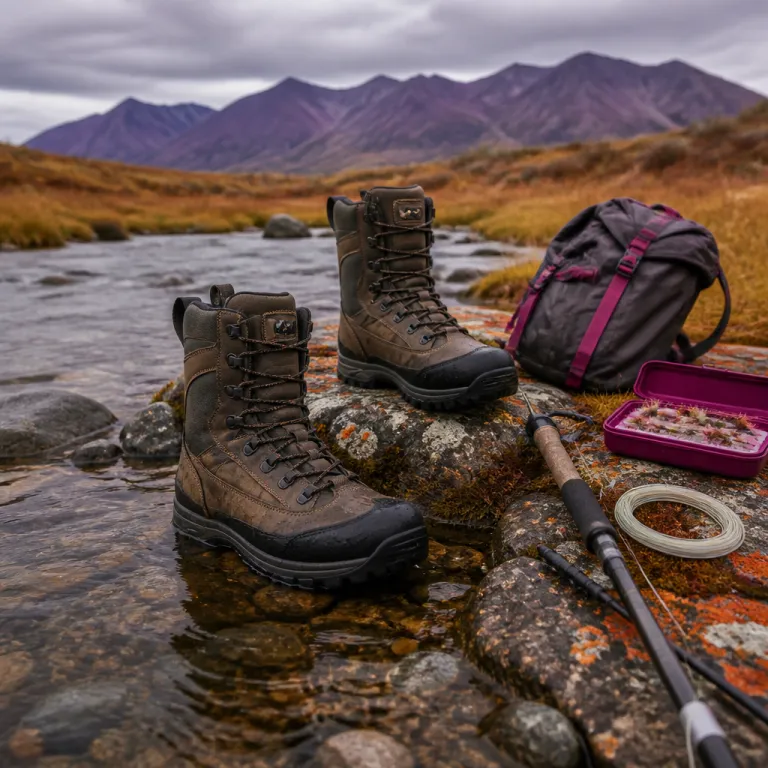

Why serious hikers care about the best fishing boots
Technical hikers who fish alpine lakes need the best fishing boots that balance traction, support, and durability. When you hike ten kilometres to a remote tarn and then wade over slick rock, the same boot must protect your ankle, stabilise your feet, and still feel efficient on the trail. That dual role makes a purpose built fishing boot more relevant to outdoor mountaineers than a soft camp shoe.
On steep approaches, a supportive boot with a firm midsole reduces fatigue for both men and women who carry heavy packs. Many anglers still use traditional hiking boots, yet a modern pair of fishing boots often offers better wet rock grip and quicker drying uppers, which can keep feet warmer once the wind picks up. For mixed missions that combine sport climbing approaches, bank fishing, and scrambling, the best fishing boots become a safety tool rather than just another piece of gear.
Cold mountain streams and arctic fed rivers demand insulation and a sole that bites into ice and algae coated stone. Models built for arctic ice conditions use rubber compounds that stay soft in freezing temperatures, improving grip where a standard black hiking outsole would skate. When you evaluate any boot for this terrain, check how the tread pattern channels water away and how the ankle boot height works with your gaiters or waders.
Deck inspired designs now cross over from boats to boulder fields, especially low cut ankle deck silhouettes that feel agile on dry trail. A compact deck boot can ride on your pack until you reach the water, then replace your mid boot hiking footwear for the actual fishing session. This modular approach lets you keep feet comfortable on the hike while preserving the sticky soles of your dedicated fishing boots for the river.
Key features that define high performance fishing boots
For serious mountain anglers, the best fishing boots start with precise fit and ankle security. A boot that locks the heel while allowing natural forefoot flex will reduce blisters on long approaches and still let you edge on small rock holds near the water. Always check that both men and women specific lasts are available, because a unisex pattern rarely matches narrower heels or smaller volume feet.
Pay close attention to size and volume when you expect to wear thick socks in arctic conditions or over ice. Many brands publish a regular size chart, but experienced hikers often size up half a size to keep feet warm without compressing circulation. When you try boots in store, stand on an incline board and simulate a steep descent to see whether your toes hit the front of the boot.
Traction is the second pillar, and it matters on wet decks, muddy banks, and frozen scree. Rubber compounds tuned for arctic ice and mixed terrain will outperform generic black soles, especially when the temperature drops below freezing. Look for multi directional lugs that shed mud quickly and siped zones under the forefoot that improve grip on smooth rock.
Modern fishing boots also borrow from deck boots with quick drying uppers and minimal water absorption. An ankle deck profile can be ideal for summer missions, while a taller mid boot or ice tall design suits snow covered riverbanks. For women who hunt and fish in rugged terrain, technical camo boots with supportive sport ankle structures can double as hiking footwear, as explored in this guide on technical camo boots for women who hike hard and hunt higher.
Balancing insulation, drainage, and weight in cold water environments
Cold water is unforgiving, so the best fishing boots for alpine rivers must balance insulation with drainage. Too much foam traps water and weight, while too little insulation leaves your feet numb after a few casts in arctic ice melt. The goal is to keep feet warm enough for dexterity without turning every step into a slog.
Boots built for arctic conditions often use layered linings that trap air while still allowing moisture to escape. When you see terms like arctic ice or ice tall in product names, expect a focus on sub zero performance, but verify that the boot still drains quickly once you leave the river. A heavy insulated boot that never sheds water will feel punishing on the long hike back to camp.
Some anglers now favour fisherman style deck boots for mixed snow and rock, especially models that reach mid boot height. These designs, often seen in Xtratuf men’s lines, combine flexible rubber shells with aggressive tread that works on both boat decks and frozen ground. Serious hikers increasingly adopt such fisherman boots for rugged mountain performance, a trend examined in depth in this article on why serious hikers are turning to fisherman boots.
Weight remains critical when you carry gear for both hiking and fishing over long distances. A lighter ankle boot or ankle deck model can ride in or on your pack while a more supportive hiking boot handles the ascent, then you swap footwear at the water’s edge. This strategy lets both men and women tailor their boots to each phase of the day, keeping feet fresher for the final descent.
Comparing materials, durability, and price for mountain anglers
Material choice largely determines how long the best fishing boots will survive abrasive rock and constant moisture. Full grain leather resists cuts and offers strong ankle support, but it dries slowly compared with synthetic or rubber deck boots. For anglers who hike daily during the season, a hybrid boot that mixes rubber lowers with textile uppers can offer a smart compromise.
Rubber based designs such as muck boots or other muck style models excel in mud, snow, and shallow wading. These boots often feature seamless shells that prevent leaks, while the interior linings focus on comfort and quick drying performance. When you evaluate a muck boot or similar design, inspect the junction between the sole and upper, because that seam often fails first under heavy outdoor use.
Price is another factor, and experienced hikers should look beyond the regular price tag. Many specialist retailers list a higher retail price, then apply seasonal promotions or an ExpertVoice discount for qualified professionals and guides. Instead of chasing the lowest price regular offer, calculate cost per season and consider how long the boot will realistically last under your style of fishing.
Deck boot models aimed at commercial crews, such as Alpha Deck or other heavy duty deck boots, often justify their higher price with thicker rubber and reinforced toe caps. For men who prefer understated aesthetics, brown leather or earth tone colourways blend better with hiking trousers than glossy black options. Women who want a more technical look can choose boot sport silhouettes that echo trail runners while still offering the wet grip expected from premium fishing boots.
Fit, support, and biomechanics for long approaches
Fit is non negotiable when you rely on the best fishing boots for both hiking and wading. A boot that feels fine on flat ground can collapse your ankle on sidehills or twist under load when you cross a boulder field. Always test boots on uneven surfaces and mimic the exact outdoor movements you expect on your trips.
Men and women often need different ankle shapes, so do not assume a men ankle pattern will suit narrower heels. Many brands now offer women specific lasts that reduce heel lift and improve midfoot hold, which directly reduces blister risk on long approaches. When you lace the boot, ensure the ankle boot collar wraps snugly without pinching the Achilles tendon.
Sport oriented anglers who move fast between spots may prefer a sport ankle or boot sport design with more forefoot flex. These models trade some underfoot stiffness for agility, which can feel natural if you come from a trail running background. Just confirm that the sole still provides enough torsional rigidity to protect your feet when you edge on sharp rock.
Deck inspired ankle deck and mid boot silhouettes can work well for mixed boat and bank days, especially when paired with supportive insoles. If you often fish from kayaks or small boats, a low profile deck boot with a flat sole will feel stable on wet decks while still gripping muddy launches. For more technical analysis of why deck boots matter for serious hikers and mountaineers, consult this detailed piece on Extratuf style deck boots for demanding terrain.
Real world buying strategies and model comparisons
Choosing the best fishing boots for mountain use means matching specific models to your terrain and style. For glacier fed rivers with frequent snow, prioritise arctic ice rated soles and ice tall shafts that seal against gaiters. In contrast, for summer lake hopping, a lighter ankle boot or mid boot with strong wet rock grip will feel more efficient.
When comparing options, list the regular price, any price regular promotions, and the full retail price to understand value. Some brands offer an ExpertVoice discount to guides and outdoor professionals, which can make premium Xtratuf men’s lines or specialised Alpha Deck models more accessible. Always compare total cost against expected lifespan, because a cheaper boot that fails mid season can ruin critical fishing trips.
Colour and finish also matter more than many hikers admit, especially when you move between town, trail, and boat. Black boots hide scuffs and look neutral with most clothing, while brown styles blend better with earth tones and do not show dust as quickly. Women often appreciate more refined silhouettes that transition from outdoor use to casual wear without screaming pure sport.
In practice, many experienced anglers end up with two pairs of fishing boots to keep feet protected across seasons. One insulated muck boots style pair handles arctic conditions and deep mud, while a lighter deck boots or boot sport model covers warm weather and travel. By rotating boots according to conditions, both men and women extend product life and maintain reliable grip on every fishing and hiking mission.
Key statistics on fishing boots and mountain safety
- Reports from alpine rescue organisations in Europe and North America consistently note that slips and falls on wet rock account for roughly one fifth of non avalanche incidents near mountain rivers, underscoring the value of fishing boots with specialised wet grip soles (see, for example, annual summaries from the Swiss Alpine Club and Colorado SAR coalitions, available through their official websites).
- Laboratory tests published by major outsole manufacturers such as Vibram and Michelin show that rubber compounds formulated for arctic ice can deliver friction coefficients up to around 30–40 % higher on frozen surfaces than standard hiking rubber at the same temperature, based on controlled cold chamber trials described in their technical white papers.
- Field surveys among backcountry anglers, including questionnaires run by regional fly fishing associations in the US and Scandinavia, indicate that hikers who switch from standard hiking boots to purpose built fishing boots report roughly one third fewer episodes of cold related foot discomfort during early season trips, according to aggregated member feedback.
- Product line analyses from leading brands reveal that deck boot and ankle deck styles have grown to represent more than a quarter of their fishing footwear sales, reflecting the crossover appeal for both boat and shore based anglers, as noted in recent investor presentations and trade show reports shared by those companies.
- Consumer data from specialty retailers and multi year warranty records suggest that premium fishing boots priced above the median retail price often last at least one extra full season under regular use, improving long term value despite the higher initial cost, according to internal durability audits.
FAQ: best fishing boots for hikers and mountaineers
Are fishing boots really different from hiking boots for mountain use ?
Fishing boots prioritise wet traction, drainage, and water resistance, while hiking boots focus more on dry trail support and abrasion resistance. For mountain anglers who regularly wade or cross streams, the best fishing boots usually offer safer grip on slick rock than standard hiking footwear. Many hikers now carry both types and swap at the water to combine strengths.
What sole type works best on wet rock and arctic ice ?
Soft rubber compounds with aggressive siping perform best on wet rock, while arctic ice specific formulations stay flexible in freezing temperatures. Felt soles grip algae covered stone very well but can be restricted in some regions due to invasive species concerns. For mixed hiking and fishing, a lugged rubber sole rated for ice tall or arctic conditions offers the most versatile solution.
How should fishing boots fit for long hiking approaches ?
Fishing boots for hikers should fit like supportive trekking footwear, with snug heels, secure midfoot hold, and enough toe room for descents. You should be able to lace the ankle area firmly without pressure points, and your toes must not hit the front when walking downhill. Always try boots with the socks you plan to wear in the field and test them on an incline if possible.
Are rubber deck boots suitable for serious mountain fishing trips ?
High quality deck boots with supportive midsoles and aggressive tread can work very well for mountain fishing, especially on muddy banks and snow covered approaches. They shine when you move between boats and shore, because the flat soles feel stable on wet decks while still gripping natural terrain. For very rocky or technical routes, many hikers still prefer a more structured boot or use deck boots as a secondary pair.
How much should I expect to pay for durable fishing boots ?
Durable fishing boots for serious hikers usually sit in the mid to upper price range of outdoor footwear. While budget models can work for occasional use, frequent mountain anglers often find that boots at or slightly above the average retail price deliver better materials, stronger stitching, and longer life. When available, professional programmes or an ExpertVoice discount can make premium models more affordable without sacrificing performance.