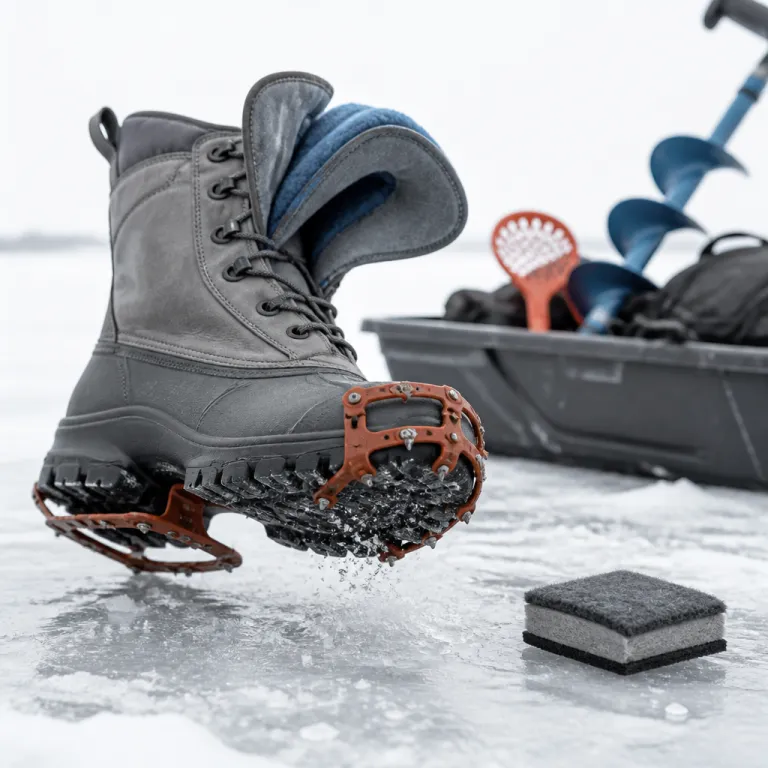

Why the best boots for ice fishing start with serious winter design
When anglers talk about the best boots for ice fishing, they mean footwear engineered for brutal cold. The right boot must manage ice, snow, and snow slush while still giving precise traction on glare ice and wind packed drifts. In practice, that means winter boots with targeted insulation, aggressive outsoles, and uppers that keep feet warm without sacrificing control on uneven frozen terrain.
For experienced hikers who also fish, the transition from alpine style footwear to dedicated ice fishing boots feels natural. You already understand how insulated boots, proper ankle support, and stable midsoles can keep feet safe on steep snow, and those same principles apply when you walk long distances across frozen lakes. The difference is that boots for ice fishing must also handle static standing on bare ice for hours, which demands more focused insulation underfoot and around the toes.
Look for winter boots that combine rubber and neoprene in a balanced way. Rubber shells excel at blocking water and snow slush, while neoprene liners add flexible insulation that wraps the foot closely and helps boots keep warmth when you are not moving much. The most capable ice fishing footwear uses rubber–neoprene constructions that trap warm air, seal out icy water, and still allow enough structure for crampon style traction plates or screw in cleats.
Cold weather performance depends on more than a big insulation number on a hang tag. Many boots sold for extreme cold focus on thick liners but neglect the outsole compound, which can turn rock hard on ice and reduce grip dramatically. When you compare winter boots, prioritize models whose rubber remains pliable in extreme cold, because that flexibility lets the lugs bite into snow and ice instead of skating across the surface.
Seasoned winter travelers know that a boot is only as warm as the system around it. Thick socks help, but if the boot fit is sloppy, air pumps out with every step and your feet warm up briefly only to cool rapidly when you stop. Choose boots sized so that with thick socks your heel stays locked, your toes can wiggle, and the collar seals cleanly around your calf to keep feet protected from spindrift and blowing snow.
Materials, insulation, and how to keep feet warm on the ice
Material choice defines how boots behave when ice fishing turns into a long, static wait. Full rubber boots resist water perfectly, but without quality insulation they feel like cold shells that suck heat from your toes on bare ice. Hybrid rubber–neoprene designs, by contrast, use neoprene panels to trap air and flex with your stride, which helps boots keep warmth even when you kneel to check a fishing hole or haul gear.
Insulation ratings on winter boots can be confusing, because brands quote grams of synthetic fill without explaining how it is distributed. A boot with 400 grams of insulation only in the shaft will not keep feet warm when you stand on ice for hours, while a similar boot with targeted underfoot insulation and a reflective insole can feel much warmer in real cold weather. When you compare options, ask where the insulation sits, how thick the footbed is, and whether the liner is removable for drying between long fishing days.
Many of the best boots for ice fishing borrow ideas from technical mountaineering and expedition footwear. Some use multi layer boot constructions with a waterproof rubber shell, an insulated inner boot, and a cushioned midsole that spreads pressure from traction devices, similar to how an alpine double boot protects climbers on glaciers. Others integrate climbing inspired collars and lacing systems, like the advanced designs described in this analysis of a technical hiking boot with climbing DNA, which shows how precise ankle support can translate directly to safer movement on ice.
For anglers who hike several kilometres across frozen lakes, insulated boots must balance warmth with walkability. A heavy boot with massive insulation might keep feet warm when you stand still, yet feel clumsy and exhausting on long approaches over snow and snow slush. Look for winter boots whose weight, shaft height, and stiffness match your typical distance, remembering that a lighter boot with efficient insulation and good socks can outperform a bulky model in moderate cold weather.
Neoprene liners and felt or wool inserts play a crucial role in how fishing boots manage moisture. When sweat accumulates and then cools, even the best boots for ice fishing will feel cold, so prioritize removable liners you can dry overnight and insoles that wick moisture away from the skin. Pair those insulated boots with thick socks made from merino or technical synthetics, and you create a system that keeps feet warm, reduces blister risk, and maintains comfort through repeated days on frozen lakes.
Traction, stability, and ankle support on snow, slush, and bare ice
Traction separates average winter boots from the best boots for ice fishing in real field use. On a frozen lake, you move from packed snow to polished ice and then to snow slush around drilled holes, often in a single step. Boots that grip confidently in all three conditions use soft rubber compounds, deep multi directional lugs, and sometimes integrated cleat systems that bite into ice without feeling unstable on snow.
Experienced hikers already value ankle support on steep trails, and that same principle applies when you haul a sled full of fishing gear across uneven ice. A boot with a tall shaft, firm heel counter, and supportive midsole helps prevent rolled ankles when you cross pressure ridges or step into hidden holes under snow. When you compare options, flex the boot by hand and check that the ankle area resists twisting while still allowing a natural stride, because that balance keeps feet stable without causing fatigue.
Some of the most capable fishing boots borrow chassis concepts from sport boots designed for serious mountain terrain. Designs similar to those highlighted in this review of sport boots for demanding mountain routes show how a rigid platform underfoot can spread the load of traction devices and crampon style plates. When that structure is combined with a rubber outsole tuned for extreme cold, the result is boots ice anglers can trust when they traverse wind sculpted drifts and refrozen slush.
Rubber boots and snow boots often differ in how they handle sidehill angles and rutted snow. Pure rubber boots can feel loose at the ankle, which reduces control when you edge across a slope or step over cracks in the ice, while purpose built insulated boots use shaped cuffs and lacing to lock the heel in place. For the best boots for ice fishing, prioritize models that wrap the ankle securely and use a slightly rockered sole, because that combination improves stride efficiency on long approaches.
Do not underestimate how traction and stability influence warmth. When boots keep you confident on ice, you move more naturally, maintain circulation, and keep feet warm without constantly tensing muscles to avoid slipping. Anglers who feel secure are more likely to adjust layers, manage thick socks, and reposition shelters, all of which contribute to staying comfortable in extreme cold conditions.
Fit, layering, and how to build a warm foot system for anglers
Fit determines whether even the best boots for ice fishing can perform at their potential. A boot that is too tight compresses insulation and restricts blood flow, while a boot that is too loose allows warm air to pump out with every step on the ice. Aim for a fit that leaves just enough room for thick socks without pressure points, and test this by walking on an incline or stairs to simulate crossing snow drifts and frozen ridges.
Layering starts with socks, and serious anglers should treat them as technical gear rather than afterthoughts. Use a thin moisture wicking liner sock under a thicker merino or synthetic sock, because this combination moves sweat away from the skin and helps insulated boots keep warmth even when you work hard drilling multiple fishing holes. Avoid cotton, which holds moisture and can make feet cold quickly once you stop moving on the ice.
For long days in extreme cold, consider boots with removable liners so you can add or remove layers as conditions change. Some winter boots allow you to add extra felt insoles or swap to thicker liners, which lets you tune warmth for different trips without buying multiple pairs of fishing boots. When you compare options, check whether replacement liners are sold separately, because that small detail can extend the life of a boot and maintain performance after many seasons.
Cold weather specialists often pair their boots with insulated over gaiters to trap additional warm air and block spindrift, and the same tactic works well for ice fishing. A tall gaiter over your winter boots seals the gap between boot and pant, keeps snow slush out of the cuff, and reduces convective heat loss in strong wind. This simple addition can make mid weight insulated boots feel like much heavier models, especially when combined with thick socks and a well tuned lacing pattern.
Remember that your overall clothing system influences how warm your feet feel on the ice. If your core and legs are under insulated, your body will reduce blood flow to the extremities, and even the boots best suited for cold weather will struggle to keep feet warm. Pair your footwear with a serious mountain ready jacket, such as the type examined in this guide to a packable jacket trusted by experienced hikers, and you create a balanced system that supports long, safe sessions on frozen lakes.
Price, value, and how to compare winter boots for ice fishing
Price often reflects materials and construction quality, but not always in a straight line. Some of the best boots for ice fishing sit in the mid price range, where brands use proven rubber–neoprene shells and synthetic insulation without adding expensive, unnecessary features. When you compare options, focus on how the boot performs in extreme cold, how it fits your foot, and how durable the outsole and stitching feel, rather than chasing the highest or lowest price tag.
Many retailers promote winter boots with aggressive sale campaigns as the season approaches, and those discounts can offer real value if you choose carefully. Look for models that have been sold for several seasons with consistent positive feedback from anglers, because that track record suggests the boot handles ice, snow, and snow slush reliably. A sale sold out quickly can indicate strong demand, but always read detailed reviews that mention how well the boots keep feet warm during long static fishing sessions.
High performance models like the Muck Boot Arctic Pro series illustrate how targeted design can justify a higher price. These Arctic Pro boots use thick neoprene uppers, substantial insulation, and aggressive rubber outsoles to handle extreme cold and mixed snow conditions, making them a benchmark when you compare other fishing boots. If a less expensive boot claims similar warmth, check whether its insulation weight, shaft height, and outsole design truly match what the Arctic Pro line offers in real use.
Free shipping and easy returns matter more than many anglers admit, especially when sizing insulated boots online. A boot that feels slightly off in fit will not improve with time, and you should not hesitate to send it back and try another size or model, even if it was on sale. Prioritize retailers who allow you to test boots indoors with thick socks for a reasonable period, because that flexibility lets you refine your choice without risking cold feet on the first serious outing.
Think of your purchase as an investment in safety and comfort rather than a simple sale transaction. Boots that keep feet warm, provide solid ankle support, and maintain traction on ice reduce the risk of frostbite and falls, which can end a season abruptly. When you spread the cost of a durable pair of winter boots over many years of ice fishing, the value often surpasses cheaper options that fail early or never quite perform in real cold weather.
Specific models, features, and how serious anglers use their boots
Experienced anglers often rotate between several pairs of boots depending on conditions. On mild days with shallow snow, lighter snow boots with moderate insulation and flexible rubber outsoles feel efficient for long walks to distant fishing spots. When forecasts call for extreme cold and deep snow slush, they switch to heavier insulated boots or Arctic Pro style models that prioritize warmth and protection over speed.
Many serious users favour rubber boots with neoprene shafts for mixed terrain, because these designs seal out water when they step into overflow or slushy holes. The rubber–neoprene combination keeps the lower boot waterproof while allowing the upper to flex, which reduces fatigue when they kneel to work with fishing gear or move shelters. In practice, these boots keep feet warm when paired with thick socks and used within their intended temperature range, but anglers still carry backup socks in case of unexpected moisture.
For long approaches over rough ice, some winter specialists repurpose their stiff hiking or alpine boots with insulated over boots or gaiters. This setup offers exceptional ankle support and edging precision on pressure ridges, yet it may feel too rigid for standing all day at a single fishing hole, so they reserve it for exploratory trips or early season conditions. When they settle into a routine on mid winter ice, they usually return to purpose built fishing boots that balance warmth, cushioning, and traction for static use.
Men and women alike should pay attention to how gender specific lasts influence fit, because a unisex boot may not match narrower heels or lower volume feet. Some brands now offer winter boots in dedicated men and women versions, which can improve heel lock and reduce the need to over tighten laces that might restrict circulation. When you compare options, try both versions if possible and choose the one that allows your toes to move freely while still holding the midfoot securely.
Over time, even the best boots for ice fishing lose some insulation loft and outsole sharpness, especially if they are sold with softer rubber compounds for better grip. Inspect your boots each season for compressed liners, cracked rubber, and worn lugs, and budget for replacement before a major trip rather than after a failure on the ice. Treating your boots as critical safety equipment, not just footwear on sale, keeps your focus on performance and reliability whenever you step onto frozen water.
Key statistics about winter boots and cold weather performance
- Studies from cold weather research centres, such as work summarised by the U.S. Army Research Institute of Environmental Medicine (for example, USARIEM Technical Note 99-2 on cold weather footwear) and the Defence Research and Development Canada cold labs, show that standing on bare ice can increase heat loss through the soles of the feet by up to 50 percent compared with standing on packed snow, which highlights why underfoot insulation in winter boots is crucial for ice fishing comfort.
- Laboratory tests on rubber compounds used in snow boots, including comparative friction measurements reported by the Toronto Rehabilitation Institute’s WinterLab (see their public summaries on slip resistance of winter footwear), have found that some standard formulations harden by more than 70 percent at temperatures below minus 20 degrees Celsius, while cold specific rubber blends remain far more flexible and maintain significantly better traction on ice.
- Field surveys of anglers in northern regions, referenced in summaries from Scandinavian outdoor safety agencies and regional search and rescue reports, indicate that more than 60 percent of cold related foot injuries occur during static activities such as ice fishing rather than during active hiking, underscoring the need for insulated boots designed for long periods of standing.
- Comparative product testing by independent gear labs, including controlled drying trials in typical cabin conditions documented in publicly available winter boot test reports, has shown that boots with removable liners can dry up to three times faster than fixed liner models, which directly reduces moisture buildup and the risk of cold feet on multi day trips.
- Consumer data from outdoor retailers and long term warranty records, as summarised in several multi season winter footwear reliability reviews, indicate that premium winter boots with high quality insulation and cold specific rubber outsoles often achieve usable lifespans of five to seven seasons for regular anglers, compared with two to three seasons for lower priced models used in the same conditions.
FAQ about choosing the best boots for ice fishing
How warm should my boots be for serious ice fishing trips ?
For full day sessions on frozen lakes, choose winter boots rated for temperatures at least 10 to 15 degrees Celsius colder than the lowest air temperature you expect, because wind and standing on ice increase heat loss significantly. Focus on models with substantial underfoot insulation and thick, removable liners rather than just a high generic temperature rating. Always pair them with quality thick socks and adjust your overall clothing system to keep your core warm.
Are rubber boots or leather boots better for ice fishing ?
Rubber boots excel at waterproofing and are ideal when you expect slush, overflow, or frequent contact with water around fishing holes. Leather or hybrid boots often provide better ankle support, breathability, and walking comfort on long approaches, but they require more maintenance to stay waterproof. Many anglers choose rubber–neoprene hybrids that combine a waterproof lower shell with a flexible, insulated upper to balance protection and comfort.
Do I need special traction devices on my winter boots for ice ?
On glare ice or steep, wind polished surfaces, traction devices such as microspikes or screw in cleats can dramatically improve safety. If your boots have soft, cold specific rubber and aggressive lugs, you may manage without extra devices on flat lakes, but many anglers still carry them as a backup. Always ensure that any traction system you use fits your boots securely and does not create pressure points underfoot that could reduce warmth.
How should ice fishing boots fit with thick socks ?
Your boots should feel snug around the heel and midfoot while leaving enough room in the toe box for you to wiggle your toes freely with your thick socks on. If the fit is too tight, insulation compresses and blood flow decreases, which makes your feet cold faster, especially when standing still. Test the fit by walking up and down an incline and by crouching, checking that your heel does not lift excessively and that your toes do not hit the front of the boot.
How often should I replace my winter boots for ice fishing ?
Most high quality winter boots used regularly for ice fishing will perform well for several seasons, but you should inspect them each year for compressed liners, cracked rubber, and worn tread. Replace them when you notice persistent cold spots, reduced traction on ice, or visible damage that could allow water to enter. Planning replacement before a major trip helps you avoid equipment failure in extreme cold conditions.