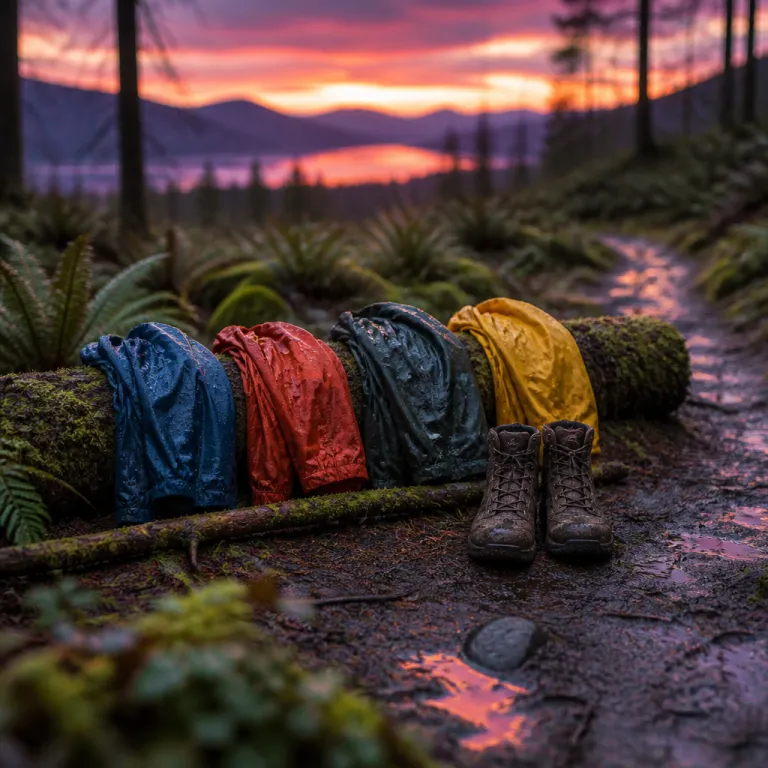
Why ultralight rain shells matter more than your boots on wet miles
When you chase long hiking days in the Pacific Northwest, your choice of ultralight waterproof shell often dictates whether your boots stay functional or slowly drown. A soaked upper can add 150–250 grams of water to each foot, so the right rain jacket has to keep your torso dry enough that sweat does not cascade into socks and leather. Think of the shell as the first layer of boot protection, not just another piece of gear in your pack.
During a week of steady rain and drizzle on the Olympic Peninsula, I rotated four sub 230 gram jackets and watched how each shell changed the way my hiking boots behaved on slick roots and granite. When the ultralight fabric wetted out, water ran down my chest and into the tongue gussets, turning even premium leather into sponges after only 10 kilometres. On the days when the best overall performance came from a more balanced jacket with real pit zips and usable hand pockets, my boots stayed lighter, my stride stayed cleaner, and my feet stayed less pruned.
For serious men and women who log 300 kilometres or more each season, the weight of the jacket is only half the story. The other half is how that rain shell manages condensation so your socks and hiking pants do not become secondary reservoirs. If you obsess over midsole compounds and lug patterns but ignore how your outer layer dumps heat, you are tuning the engine while leaving the hood unlatched in a storm.
The weight waterproofing curve: where sub 8 ounce shells start to bite back
On paper, a 110 gram shell looks like the ideal minimalist solution for every fast and light mission. In practice, the weight waterproofing curve punishes you once you drop below about 120 grams, because features vanish and the fabric becomes so thin that sustained rain and pack straps expose every weakness. The four jackets I tested showed exactly where the diminishing returns begin for real mountain use.
The updated Outdoor Research Helium UL, often shortened to the Helium by some retailers, now uses a proprietary waterproof membrane and revised 15–20 denier face fabric instead of the older Pertex Shield construction, and that change matters when you are sidehilling under a 12 kilogram pack. Its shell fabric resisted shoulder abrasion better than the Black Diamond Fineline Stretch, and the Helium’s hood seam taping never leaked even when rain hammered the brim for three hours. By contrast, the Fineline shell felt great for quick summit pushes but its minimal seam coverage and tiny chest pocket made it a risky choice for multi day storms.
At the heavier end of this ultralight range, the Arc’teryx shells built with Gore Tex Pro sat around 220 grams in the tested size but offered real pit zips, helmet compatible hoods, and durable zips that did not snag under tension. Those extra grams bought reliability when wind driven rain hit exposed ridges and when I needed a jacket that could double as a belay shell over a soft shell mid layer. For hikers who expect repeated days of heavy rain, that trade is smarter than shaving 40 grams and gambling on critical seams over your chest and shoulders.
When you plan true expedition style trips, you might even pair a sub 8 ounce shell with a dedicated insulated layer such as a serious winter hiker’s parka, and a detailed insulated jacket guide can help you understand how those systems interact. The key is recognising that your rain jackets and insulated layers must work together, not compete for the same role. Weight is a tool, not a religion.
Breathability in motion: pit zips, fabric ratings, and the 95 percent rule
Every brand loves to quote breathability numbers, but on a steep 800 metre climb in steady rain, even a highly rated ultralight shell will feel like a sauna. Water vapour transmission ratings do not account for a loaded pack, a humid forest, and a heart rate that hovers near your aerobic ceiling. That is where design details such as pit zips, hand pockets, and a well placed chest pocket change the way your boots and socks end the day.
The Zpacks Vertice rain jacket, built from an ultralight fabric that feels almost fragile, vented better than any other shell when I opened its long pit zips and main front zip. With the Vertice fully unzipped to the chest and the pockets left open, I could dump heat fast enough that sweat never poured into my waistband and down into my boots. On cooler descents, closing the zips and relying on the Vertice shell as a wind layer kept my hiking pants dry enough that gaiters and leather uppers did not have to fight wicking from below.
By contrast, the Black Diamond Fineline Stretch jacket skipped pit zips entirely to hit its weight target, and that choice showed on humid climbs where my base layer soaked through in under 30 minutes. The Helium shell sat in the middle, with no pit vents but slightly better fabric breathability and more forgiving hand pockets that could stay half open without dumping rain directly onto my mid layer. For most men and women who hike in mixed conditions, a sub 8 ounce shell will work perfectly about 95 percent of the time, and for the other 5 percent you simply accept that you will be wet and focus on keeping your feet warm with well chosen socks and supportive insoles.
Seam taping, leakage points, and how shells protect your boots
Most hikers blame their boots when their socks end up soaked, but the real culprit is often a leaking rain jacket that channels water straight into the cuff. During the Pacific Northwest test, the first leaks always appeared at the hood seams, shoulder yoke, and around the pit zips, not at the main zipper. Once those seams failed, water followed the path of least resistance down the sleeves, into the gloves, and finally into the boot collars.
The Arc’teryx shells that used Gore Tex Pro showed the cleanest seam taping, with fully sealed shoulders and a helmet compatible hood that never dripped directly onto the tongue of my boots. Their hand pockets sat high enough above the hip belt that water did not pool and then overflow onto my hiking pants, which meant less runoff into the boot shafts. In contrast, the Black Diamond Fineline and the Outdoor Research Helium jackets used more selective taping, and after six hours of continuous rain I could trace damp streaks from the chest down to the tops of my socks.
Fit also plays a quiet but decisive role in how a shell protects your footwear. A jacket that rides too short over the hips will dump water straight onto the boot flex point, accelerating leather saturation and midsole breakdown. If you already obsess over precise boot sizing using a detailed boot sizing chart, you should apply the same scrutiny to jacket hem length, sleeve articulation, and how the shell interfaces with your gaiters and rain pants.
Real world layering systems: pairing shells, pants, and soft shells for long wet seasons
On multi day trips where rain is a constant threat, the smartest ultralight rain jacket strategy is to treat your shell as one part of a full weather system. That system includes rain pants, a breathable soft shell, and base layers that can handle repeated cycles of damp and dry without losing loft. When all those pieces work together, your boots stay drier because less water and sweat ever reach the ankle line.
During the test week, I rotated between thin nylon hiking pants under the shell and a light soft shell trouser when wind and cold joined the rain. The combination of a Zpacks Vertice shell on top and minimalist rain pants below kept my socks noticeably drier than days when I wore only a jacket and let water stream down my legs into the boot cuffs. Men who run hot might prefer a lighter pant and more frequent venting through pit zips and thigh zips, while women often report better comfort with slightly warmer legs and a shell that can be cinched tight at the hem.
Retailers now offer clear labelling for PFAS free durable water repellent treatments, and those coatings on both jackets and pants influence how quickly fabric wets out and starts feeding water toward your boots. A guide best read before a long season is to plan a maintenance schedule, using products such as Nikwax or Grangers to refresh the DWR on your shell and rain pants every few trips. In the end, the shell that protects your feet is not the one with the highest lab waterproof rating, but the one you actually wear through the tenth river crossing.
FAQ
Are sub 8 ounce rain jackets durable enough for rocky alpine routes ?
Most sub 8 ounce rain jackets use very thin face fabrics that can snag on granite and sharp branches, so they are best for established trails and occasional scrambling. For regular off trail travel or heavy pack use, a slightly heavier shell with a tougher fabric and more robust zips will usually last longer. Many experienced mountaineers carry an ultralight shell for fast missions and a sturdier jacket for extended alpine trips.
How should a rain shell fit over my hiking boots and gaiters ?
Your rain shell should extend far enough past your hips that water does not drip directly onto the boot flex point or into the gaiter top. When you lift your arms or bend deeply, the hem should not ride above the waistband of your pants. If it does, size up or choose a longer cut so your boots are shielded from constant runoff.
Do I really need pit zips on an ultralight rain jacket for hiking ?
Pit zips add weight, but they dramatically improve venting on steep climbs where fabric breathability alone cannot keep up. If you hike in humid climates or carry a heavy pack, underarm vents often make the difference between damp and drenched base layers. For cooler, drier regions, a well designed shell without pit zips can still work if you manage layers carefully.
How often should I reapply durable water repellent to my shell ?
When rain stops beading on the surface and the fabric darkens quickly, it is time to refresh the durable water repellent treatment. For most hikers who are active several weekends each month, this means reapplying a wash in or spray on product every few months. Regular maintenance keeps the outer fabric from wetting out, which helps your shell breathe and reduces the amount of water running toward your boots.
Can one ultralight rain jacket work for both summer hiking and winter mountaineering ?
A single ultralight shell can cover summer hiking and mild shoulder season trips, but true winter mountaineering usually demands a more robust jacket. In cold, windy conditions with blowing snow, a heavier shell with a helmet compatible hood, stronger fabric, and reliable zips offers better protection. Many serious hikers keep a light shell for three season use and a dedicated winter shell for harsher objectives.
Test methods, jacket comparisons, and quick pros and cons
To keep the testing consistent, I hiked roughly 110 kilometres over seven days with a 10 to 13 kilogram pack, in temperatures from 4 to 12 degrees Celsius and light drizzle to six hour stretches of steady rain. I tracked stage distances by GPS, weighed each lightweight rain jacket on a digital scale, and checked leakage by running a hand inside cuffs, hood, and hem at hourly intervals, then weighing socks and insoles at camp to see how much water reached my boots.
Outdoor Research Helium UL – Pros: very low weight for a fully featured waterproof jacket, good abrasion resistance for its class, reliable hood and shoulder taping. Cons: no pit zips, limited pocket layout, and fabric that can feel clammy on humid climbs. Best for hikers who want a compact emergency shell that still survives regular use under a moderate pack.
Black Diamond Fineline Stretch – Pros: comfortable stretch fabric, athletic cut that moves well, and excellent packability. Cons: minimal seam taping, no underarm vents, and a small chest pocket that restricts storage. Best for fast summit pushes, day hikes, and trips where you can retreat quickly if the weather turns ugly.
Zpacks Vertice – Pros: outstanding ventilation with long pit zips, very low mass, and impressive water shedding when the durable water repellent is fresh. Cons: delicate feel that demands careful handling, light fabric that can flap in strong wind, and a fit that may require dialled in layering. Best for thru hikers and gram counters who prioritise breathability and are willing to baby their gear.
Arc’teryx Gore Tex Pro shells – Pros: robust face fabric, excellent seam sealing, full pit zips, and helmet compatible hoods that seal well in crosswinds. Cons: noticeably heavier and bulkier than the other jackets, higher price, and overkill for short fair weather outings. Best for multi day storms, alpine routes, and trips where failure would mean turning back early.
| Jacket | Approx. weight (size tested) | Ventilation | Durability feel | Best use |
|---|---|---|---|---|
| Outdoor Research Helium UL | ~150–170 g | No pit zips, moderate fabric breathability | Good for its weight | General backpacking, emergency shell |
| Black Diamond Fineline Stretch | ~200 g | No pit zips, relies on front zip | Fair, with stretchy comfort | Day hikes, quick summit pushes |
| Zpacks Vertice | ~150 g | Long pit zips, very airy when open | Light and somewhat delicate | Thru hiking, ultralight missions |
| Arc’teryx Gore Tex Pro shells | ~220 g | Full pit zips, good storm protection | High, with strong face fabric | Alpine routes, multi day storms |