
Summary
Editor's rating
Value: good if you use them for what they’re built for
Slim profile, technical look, and a few quirks
Comfort: like a firm trainer with ankle support, not a sofa
Leather, Gore‑Tex and Vibram: solid combo with a technical feel
Durability: feels tough, but the soft sole may wear faster
Grip and stability: where these boots shine
What these boots actually are (and aren’t)
Pros
- Very good grip and edging on rock and mixed terrain thanks to the Vibram sole and stiff edges
- Light, trainer-like feel with decent ankle support for fast hikes and scrambling
- Good fit adjustment with 3D lacing and two insoles, plus solid heel hold and no break-in blisters
Cons
- Cushioning is quite firm and can feel harsh on long days or hard surfaces
- Softer sole compound likely to wear faster with heavy use on roads or abrasive ground
- Breathability is only average; feet can get warm on hot days

Specifications
View full product page →| Brand | Salewa |
Light boots that feel more like trainers than big mountain boots
I’ve been using the Salewa Ms Firetail Evo Mid GTX (Black Cactus, size 9 UK) for a while now, mostly for day hikes, rocky scrambles and general weekend use. If you’re expecting a classic, chunky leather trekking boot, these are not that. They sit somewhere between a sturdy trail shoe and a light approach boot with ankle support. That’s the first thing that hit me when I picked them up: they feel much lighter and slimmer than most boots I’ve owned.
Out of the box, the fit was surprisingly good. I’ve got fairly narrow feet and usually end up in Scarpa or La Sportiva because a lot of hiking boots feel like boats on me. With these, I swapped the insole to the thicker one that comes in the box, and that sorted the volume pretty well. The toe box is a bit roomier than I expected, but the lacing goes far down the foot so you can really pull it in if you want a tighter, more precise feel.
I’ve used them for a mix of stuff: 10–15 km hikes in the Peaks, some easy scrambling over wet rock, a couple of muddy forest walks, and just walking around town when I couldn’t be bothered to change shoes. They handle all that without feeling heavy or tiring, which is basically their main strength. They feel closer to off-road trainers with a higher cuff than big boots you’d take on a two-week trek with a heavy pack.
They’re not perfect though. Cushioning is on the thin side, breathability is just okay, and I wouldn’t pick them for multi-day backpacking or winter mountaineering. But if you know what you’re buying – a light, grippy, mid-cut approach-style boot – they do the job well. In short: good for fast hikes, scrambles, and general outdoor use; less good if you want plush comfort and big-mile support with a heavy load.
Value: good if you use them for what they’re built for
On the value side, these sit in that mid-to-high price bracket for hiking boots. They’re not budget, but they’re also not the priciest thing out there. Considering you get Gore-Tex, a quality leather upper, Vibram sole and some genuinely useful fit features (3F system, 3D lacing, dual insoles), I’d say the spec is fair for the money. You’re paying for a technical boot, not just a casual walking shoe with a brand logo slapped on.
Where the value really makes sense is if you actually use them on the type of terrain they’re designed for: rocky paths, scrambles, mixed mountain days, fast hikes with a light pack. In that context, you’ll appreciate the grip, precision and lighter weight, and the slightly faster sole wear is an acceptable cost of doing business. If you’re that person who likes to move quickly and doesn’t want a heavy, clunky boot, then the price feels justified because you’re getting performance that cheaper, softer boots don’t really offer.
If, on the other hand, your main use is gentle trails, dog walks, or long-distance treks with a heavy pack, the value becomes less clear. For low-intensity walking, you don’t really need the technical grip or precise edging; you’d probably be happier with a more cushioned, simpler boot that might even be cheaper and more comfortable on easy ground. And for heavy backpacking, there are burlier models with thicker soles and more support that might last longer under load, even if they cost a bit more upfront.
So I’d rate the value as pretty solid for the right user, average for everyone else. If you know you want a light, mid-cut approach-style boot and you’ll actually get them onto rock and rough terrain, they’re worth it. If you just want general-purpose “walking boots” and don’t care about scrambling performance, you can probably save some money or pick something more comfort-focused.
Slim profile, technical look, and a few quirks
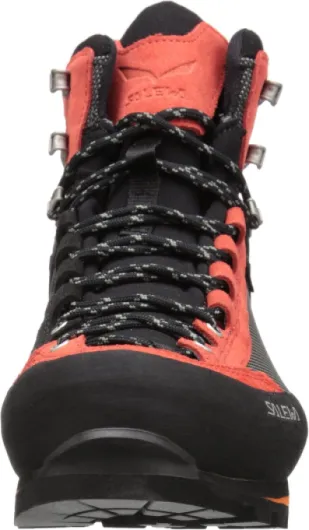
The design is pretty straightforward: mid-top height, slim profile, and a mix of leather/synthetic on the upper. The Black Cactus colour is basically black with some greenish accents. It looks more like something you’d see on a climber than on a Sunday rambler. I’ve had a few people ask what boots they are, which doesn’t happen with my chunkier leather ones. If you care about looks, these are modern and fairly discreet – no bright neon circus going on, but still clearly an outdoor boot.
The mid-cut height is enough to cover the ankle bone without feeling like a ski boot. That’s nice on scrambles and uneven ground because you get some support without losing mobility. The slimmer shape is also handy on a bike: I used them on some off-road rides and they don’t catch on the frame or crank, which happens with wider boots. They feel more like a high-top trainer in that sense. The toe area is well protected with a rubber rand, which I’ve banged into rocks a few times without any damage so far.
One thing worth noting is the sole profile. The outsole is relatively thin compared to classic hiking boots, and you can feel the ground a lot more. That’s part of the design choice: more contact and sensitivity, less padding. For scrambling and rocky paths, it feels precise and stable. For long, flat, hard tracks (like forest roads or tarmac sections), you notice the lack of thick cushioning. If your knees or feet are sensitive, that’s something to keep in mind. The edges of the sole are quite defined, which helps a lot when you’re edging on rock or stepping on small holds.
The only minor annoyance I’ve noticed in terms of design is some odd noises from the midsole/upper interface on one boot when walking on hard floors – a little popping or creaking sound, similar to what one of the Amazon reviewers mentioned. It doesn’t affect performance, but it’s there. Overall, though, the design is practical: slim, protective where needed, and clearly aimed at people who like technical terrain more than muddy fields next to a campsite.
Comfort: like a firm trainer with ankle support, not a sofa
Comfort is where people will either like these or find them a bit harsh. For me, they were comfortable straight out of the box – no blisters, no hot spots, nothing. I did a 10+ mile hike on the first weekend without any break-in and my feet were fine at the end. That matches a few of the online reviews saying they feel like slippers from day one. The heel hold is good thanks to the 3F system and the lacing. I don’t feel my heel lifting on steep climbs, which is usually my main blister trigger.
However, the cushioning is definitely on the minimal side. Under the forefoot especially, you feel rocks and roots more than in a big trekking boot. It’s not painful, but it’s firm. If you’re used to big, padded soles with lots of shock absorption, you’ll notice the difference. On rough, technical ground, I actually like this because you feel more connected and stable. On long, hard tracks or road sections, it’s less pleasant and your feet can feel a bit beat up after several hours. I’d describe the comfort as “athletic shoe firm” rather than “plush hiker”.
The fit around the midfoot and ankle is snug but not restrictive. That’s helped by the 3D lacing, which lets you lock the lower part of the boot tighter and keep the top a bit looser if you like more flex. I usually go tighter for descents to avoid toe bang and it works well. The toe box has enough space that my toes can move without feeling squashed, even with thicker hiking socks. People with very wide feet might still find them tight, but for average to narrow feet, they’re pretty forgiving once you use the right insole.
Breathability is okay but not great. It’s a Gore-Tex leather boot, so your feet will get warm on hot days. On cool to mild days (spring/autumn), they’re fine. In summer, especially on long climbs, my feet felt a bit sweaty. On the flip side, in cold, wet weather my feet stayed dry and reasonably warm as long as I kept moving. So comfort-wise, if you want a light, precise boot and don’t mind a firmer ride, they’re good. If your top priority is soft cushioning and airy ventilation, these aren’t the best match.
Leather, Gore‑Tex and Vibram: solid combo with a technical feel
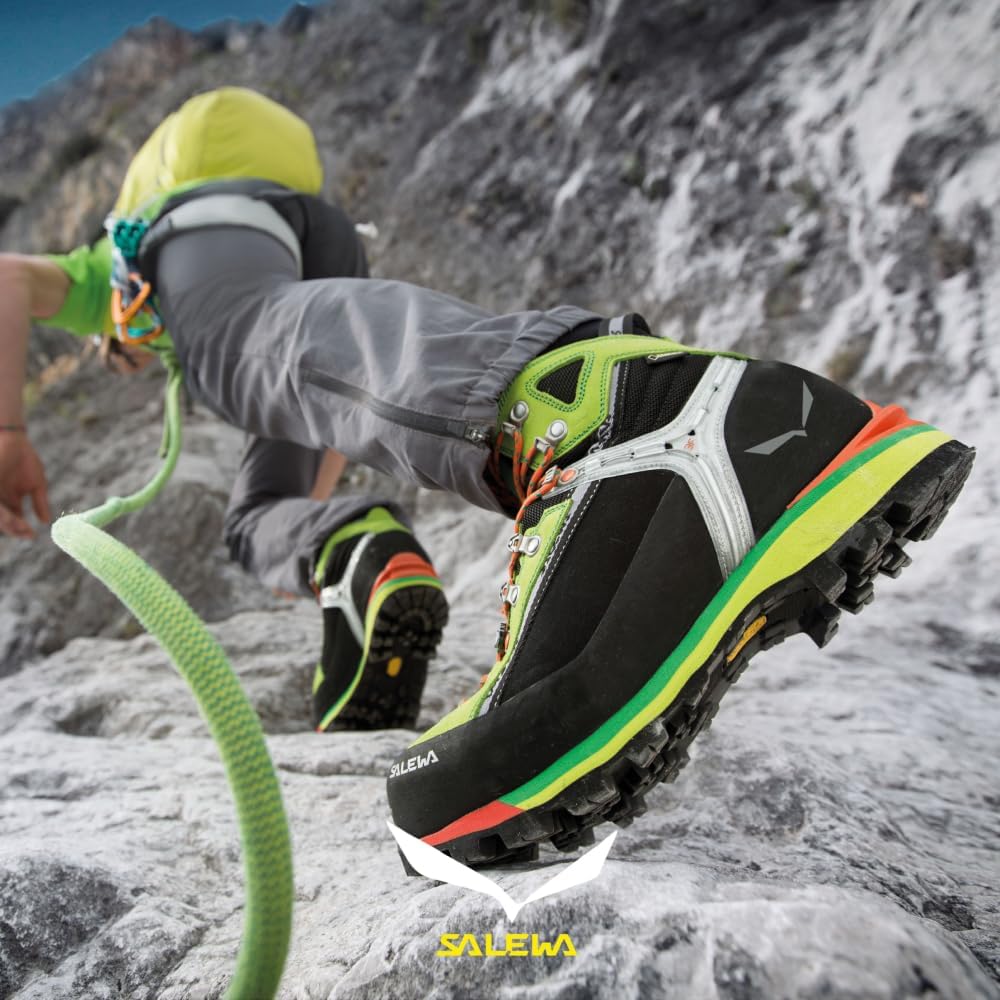
Material-wise, Salewa didn’t cheap out. The upper is mainly Perwanger suede (a tough leather often used on mountaineering boots) mixed with synthetic panels, plus a Gore-Tex Performance Comfort membrane inside. Under the foot you’ve got a nylon insole reinforced with fibreglass and a Vibram outsole. On paper that all sounds very serious, but in reality it just feels like a sturdy, technical boot that’s still fairly light in the hand. You don’t get that floppy, fabric-trainer feeling; the boot holds its shape and gives decent structure around the foot.
The leather upper has handled scrapes against rock and a bit of scree without any obvious damage so far. I’ve brushed off mud and dust a few times and it cleans up easily. It’s not as soft as full-grain leather comfort boots, but that’s not the point here. The synthetic bits help keep weight down and probably help with drying time. After a wet day, they weren’t bone dry by the next morning, but they were dry enough to wear without feeling soggy. That’s pretty normal for a Gore-Tex leather mix.
The Vibram sole compound feels softer than what I’ve had on heavier boots. That’s good for grip, less good for long-term wear. You can actually feel it stick a bit more on wet rock and smooth surfaces, which I appreciate. The downside is obvious: if you hammer these on tarmac or gravel tracks all the time, the lugs will probably wear faster than on a hard-compound trekking boot. For me, that’s an acceptable trade-off because I bought them for grip and precision, not for walking hundreds of road miles.
Overall, the materials feel like they’re chosen for performance on technical terrain rather than maximum lifespan under heavy abuse. If you mainly hike in the hills, on rocky paths and mixed ground, you’ll get the benefit. If you’re a dog walker doing 10 km a day on pavement, I’d say you’re buying the wrong type of boot here; you’d be better with a more road-friendly sole and maybe less technical upper. But for what they’re meant to do, the material package makes sense and feels pretty solid in hand and on foot.
Durability: feels tough, but the soft sole may wear faster
In terms of durability, the upper gives a good first impression. The Perwanger suede is known to be hard-wearing, and so far that matches what I’m seeing. I’ve scraped the boots against rocks, jammed them into cracks while scrambling, and kicked a few roots harder than I meant to. The leather and rubber rand are holding up well: no peeling, no big scuffs, just normal surface marks that brush off easily. The stitching all around the boot looks clean and nothing has come loose yet.
The main question mark is the outsole. As a few people point out, the rubber feels softer than on traditional trekking boots. That’s great for grip, but it usually means faster wear. After a decent amount of mixed use (trails, rock, some road walking to and from routes), I can already see slight rounding on the edges of the lugs in the high-wear zones. It’s nothing alarming yet, but I wouldn’t expect these to last as long as a very hard-soled boot if you’re doing lots of miles every week, especially on harder surfaces.
The midsole and structure of the boot still feel solid, with no collapsing or weird creases. Inside, the lining shows no signs of rubbing through yet, and the heel cup hasn’t deformed. The laces are holding up fine and the eyelets/hooks feel robust – no bending or paint chipping so far. The 3F system (that webbing structure around the heel) also seems sturdy; I don’t baby my boots and I haven’t seen any fraying.
So, durability-wise, I’d say: upper and construction feel long-lasting, outsole is the likely weak point if you do high mileage, especially on abrasive ground. For average weekend hikers and scramblers, I think you’ll get a decent lifespan. If you’re a guide or someone doing 30–40 km every other day, you might burn through the soles faster than you’d like. It’s a trade-off: grip and feel versus raw durability. Just be honest with yourself about how you’ll use them.
Grip and stability: where these boots shine
Performance is the main reason to buy these. The grip is genuinely strong, especially on rock and mixed terrain. On wet slabs and greasy steps, the Vibram sole sticks better than a lot of harder-compound soles I’ve used. I’ve used them on easy scrambles where you’re smearing your foot on rock and edging on small holds, and they feel secure. The edges of the sole are stiff enough that you can stand on small rock edges without the boot folding, which is a big plus if you like scrambling or low-grade climbing approaches.
On mud and grass, the tread does a decent job. It’s not as deep and aggressive as some heavy winter boots, but it clears mud fairly well and I haven’t had any silly slips yet. In sloppy, ankle-deep mud you’ll still slide a bit – that’s just life – but for normal UK-style wet paths and fields they’re fine. On snow and slushy stuff, the grip is acceptable for a hiking boot, but I’d still pair them with microspikes or similar if things get icy. One Amazon reviewer mentioned trusting them on snow based on the brand; I’d say they’re okay, but don’t treat them as crampon-level winter boots.
Stability is good for the weight. The cuff gives enough ankle support that you feel more confident on uneven ground compared to a low-cut shoe, but because the boot is light and fairly flexible at the ankle, it doesn’t feel like overkill. Side-hilling on rough slopes feels controlled; the boot doesn’t collapse or fold in weird ways. The midsole is firm enough that you don’t feel like you’re standing on a soft sponge, which helps when carrying a daypack. With a heavy multi-day pack, I’d personally want something a bit more supportive and cushioned, but for day hikes and scrambles they’re spot on.
Water resistance has been solid so far. I’ve walked through wet grass, shallow streams, and full-on puddles. As long as the water doesn’t go over the cuff, my feet stay dry. The sewn-in tongue helps a lot to keep water and grit out. I haven’t had any leaks yet, but obviously long-term Gore-Tex life will depend on how you treat them. Overall, in terms of performance, they do exactly what they’re built for: fast, precise movement on varied terrain with good grip and decent support, at the cost of some cushioning and all-day plushness.
What these boots actually are (and aren’t)
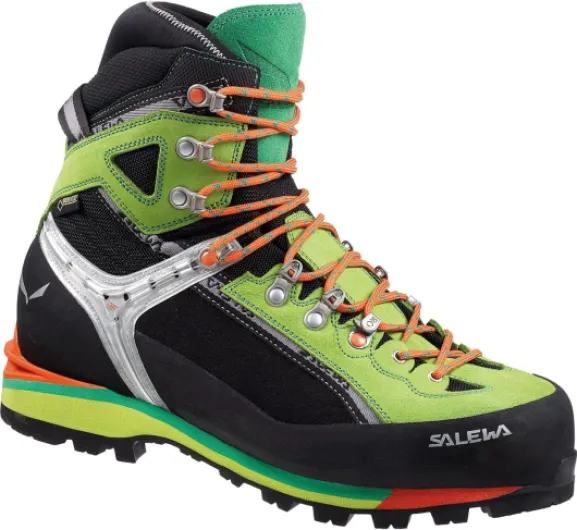
On paper, the Salewa Ms Firetail Evo Mid GTX is sold as a trekking and hiking boot, but in practice it feels more like a mid-height approach shoe. The spec sheet talks about things like the 3F System, 3D lacing, Vibram outsole and Gore-Tex lining. That sounds very technical, but in daily use it translates to one main thing: a boot that focuses on grip and precision more than soft, cushy comfort. If you’re used to big padded boots like Scarpa SL or Meindl Bhutan, this will feel noticeably slimmer and stiffer under the forefoot.
Salewa includes two insoles so you can adjust the volume. I actually like this detail because my feet are low-volume, and with the thicker insole I don’t slide around inside the boot. The lacing system is genuinely useful: there are lace stoppers so you can have the lower part tighter and the upper part looser (or the opposite). I’ve used that a lot when switching from steep uphill (where I want my heel locked down) to flatter sections where I prefer a bit more freedom around the ankle.
In terms of sizing, they run a bit long. I usually wear a UK 9 in running shoes and many hiking boots. In these, a 9 feels closer to a 9.5 in length, with more room in front of the toes than expected. That’s not a big drama for hiking – it actually helps on descents – but if you want a really snug, climbing-shoe-like feel for technical scrambling, you might consider going half a size down. For general trekking, I’d stay with your usual size or at most half a size up if you like thicker socks.
So overall, the “presentation” here is pretty clear: this is a light, precise, mid-height boot for people who like to move quickly on mixed terrain. It’s not trying to be a full-on mountaineering boot, and it’s not a plush, sofa-like trekker either. If you go in expecting a fast, grippy boot with a trainer-like feel but ankle support, the product makes sense. If you buy it hoping for maximum cushioning and big-rucksack comfort, you’ll probably find it a bit thin and minimal.
Pros
- Very good grip and edging on rock and mixed terrain thanks to the Vibram sole and stiff edges
- Light, trainer-like feel with decent ankle support for fast hikes and scrambling
- Good fit adjustment with 3D lacing and two insoles, plus solid heel hold and no break-in blisters
Cons
- Cushioning is quite firm and can feel harsh on long days or hard surfaces
- Softer sole compound likely to wear faster with heavy use on roads or abrasive ground
- Breathability is only average; feet can get warm on hot days
Conclusion
Editor's rating
The Salewa Ms Firetail Evo Mid GTX is a good choice if you want a light, precise boot that feels closer to a high-top trainer than a classic trekking tank. The grip is strong, especially on rock and mixed terrain, the heel hold is solid, and the fit can be tuned quite a bit thanks to the 3D lacing and dual insoles. Out of the box comfort is good – I had no blisters even on longer first hikes – but keep in mind the cushioning is firm and the ride is more “athletic” than plush.
They’re best for day hikes, scrambles, approach walks, and general outdoor use where you want to move fast and feel stable. The waterproofing works well, and the upper feels tough enough to handle regular abuse on rough ground. The main trade-offs are the relatively thin cushioning, average breathability, and a softer sole compound that may wear faster if you spend lots of time on hard surfaces. For long treks with a heavy pack or if you just want a very cushioned, comfy boot for easy trails, there are better options.
If your priorities are grip, precision and low weight, and you mainly do technical or mixed terrain with a light pack, these boots are a pretty solid buy. If you’re more about slow, comfy miles on gentle paths, I’d look at something more traditional and padded. Overall, I’d give them a strong rating for the right user, with the clear note that they’re a specialist tool, not a one-boot-for-everything solution.