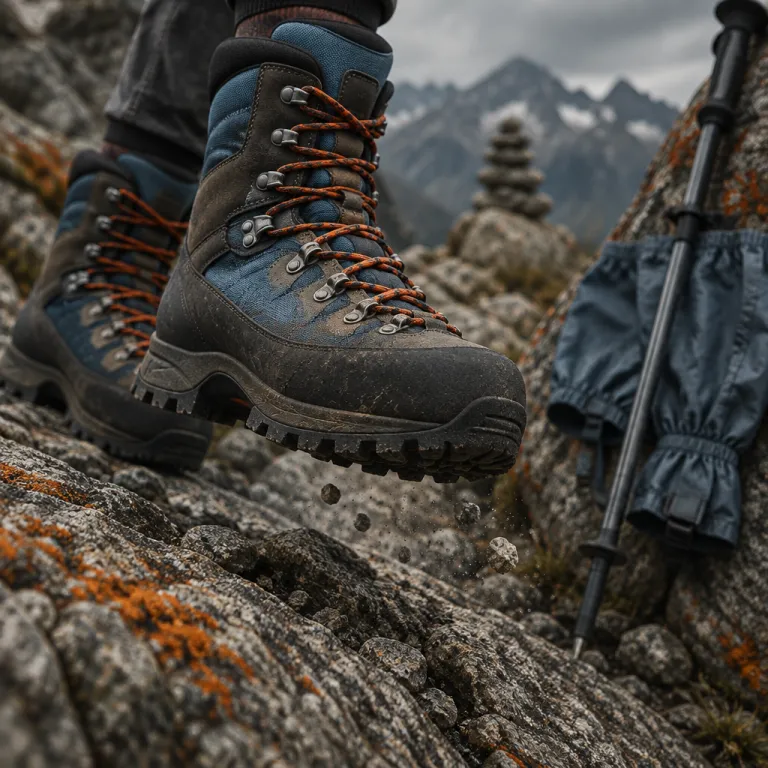

Why lace-up boots matter above the treeline
On steep alpine trails, the right boot can prevent a rescue. A well designed lace-up boot stabilizes the ankle, protects the toe, and keeps the foot dry during long approaches to high camps. For outdoor enthusiasts pushing into glaciated terrain, the wrong footwear quickly turns a demanding ascent into a hazardous retreat.
Experienced mountaineers evaluate every boot as safety equipment rather than as a casual clothing item. They look at how the toe waterproof membrane integrates with the upper, how the lace hardware locks the heel, and how the midsole stiffness supports edging on rock or kicking steps in névé. When you compare boots for technical routes, you are really comparing how each design manages impact, torsion, and repeated flex over thousands of metres of elevation gain.
For serious work in the mountains, a lacing system must be both quick and precise. A boot quick lacing zone over the instep allows micro adjustments during a rest stop, while a separate upper panel lets you refine tension for traverses or descents. This is where a traditional work boot differs from a modern mountain boot, because the latter must balance toe protection with sensitivity on mixed snow and rock.
Decoding protection: toe, waterproofing, and structural support
Protection in lace-up boots starts at the toe and moves backward. Many men and women coming from industrial work boot backgrounds ask whether a steel toe or composite toe makes sense for alpine use. The answer depends on your terrain, your pack weight, and how often you front point on firm snow or kick steps in frozen scree.
A steel toe cap offers maximum crush resistance but adds weight and can transmit cold, while a composite toe saves grams and insulates better yet may feel bulkier in a narrow crack. For most technical hiking and non vertical mountaineering, a reinforced rubber toe waterproof rand combined with a stiffened bumper gives enough protection against rock impacts without the mass of a full steel toe shell. When you compare quick protection options, remember that every extra gram at the boot level multiplies fatigue over a long summit day.
Waterproof performance is the second pillar of protection, and it is more nuanced than a simple waterproof work label. A high quality waterproof lace system must work with the tongue gusset and collar foam so that water does not pool and seep through stitching during hours of rain. For a realistic sense of how different shells behave in sustained drizzle, many experts reference controlled rain room tests and long term Pacific Northwest field reports, such as those summarised in the American Alpine Club’s Accidents in North American Climbing and Outdoor Industry Association footwear studies, which show how outer layers interact with waterproof work boots in real storms.
When you study any size guide for serious mountain footwear, pay attention to how the boot supports the arch and heel. A rigid shank under the midfoot spreads toe work forces when edging on small holds, while a carefully shaped heel cup reduces blister risk on long descents with heavy packs. The best lace-up boots integrate these structural elements so that protection, comfort, and precision all align under real world loads.
For hikers who want a practical example of balanced protection, independent reviews from organisations such as the UIAA and long term brand warranty data on mid height waterproof hiking boots show how a carefully designed collar can combine toe waterproof coverage, a supportive panel, and a secure lace layout without feeling like an industrial work boot. Reading such field tests helps you refine your own checklist of must have items before you commit to a specific model. Over time, this habit of critical comparison builds the same instinctive price compare mindset that professional guides use when they evaluate new gear.
Fit, sizing, and the art of lacing for long days
Even the most advanced lace-up boots fail if the fit is wrong. A mountain boot that feels acceptable in a shop can create pressure points around the toe after only a few kilometres under a full pack. That is why experienced hikers treat the size guide as a starting point, then refine fit through careful lacing and field testing.
When you assess fit, think in three dimensions rather than just length and price size. Volume over the instep, heel pocket depth, and forefoot width all interact with how the lace system wraps the foot and how the tongue panel distributes pressure. A boot that feels snug but not tight in these zones will allow your toes to splay slightly on climbs while still preventing heel lift on steep descents.
Different lacing techniques can transform a regular boot into a custom feeling tool for specific routes. A surgeon’s knot over the instep locks the heel for scree, while skipping eyelets near a sensitive toe joint can relieve pressure during long traverses. Many mountaineers maintain a mental view panel of lacing patterns they use for approaches, snow climbs, and technical rock, adjusting on the flyout when conditions change.
For wide feet or high volume socks, field tested wide fit hunting and trekking boots show how a carefully shaped last and extended lace zone can solve chronic fit issues. In such designs, the waterproof lace hardware runs closer to the toe, allowing more precise adjustment across the forefoot panel and reducing the need to over tighten the collar. This approach turns what might have been a boot sale impulse purchase into a long term asset that justifies its regular price over many seasons.
Remember that fit also evolves as the boot breaks in and as your feet swell during a long expedition. Checking how your toes feel at midday, then again at camp, gives a more accurate quick view of whether the size and lacing strategy truly work. Treat these observations as essential data points, not minor comfort notes, because small fit errors often become major hazards when fatigue and weather combine.
Materials, construction, and how they shape performance
The materials inside lace-up boots dictate how they behave on real terrain. Full grain brown leather resists abrasion and can be reconditioned, while synthetic panels dry faster and often reduce overall boot weight. For mountaineers who move between wet forests and high alpine ridges, the trade off between durability and drying time is not theoretical but felt on every multi day trip.
Modern waterproof membranes rely on a layered construction where the outer fabric, the membrane itself, and the inner lining must all work together. If the outer fabric wets out, your feet may still stay technically dry, yet the boot will feel colder and heavier, which is why pairing waterproof work boots with a breathable shell jacket matters so much in sustained rain. Lab tests on widely used membranes such as Gore Tex, reported in manufacturer white papers and Outdoor Industry Association technical summaries, typically show hydrostatic head ratings above 20 000 millimetres, but real comfort still depends on breathability and how quickly the outer fabric dries between showers.
Underfoot, the midsole and shank define how a boot handles toe work on rock and snow. A stiffer work boot style midsole supports crampon use and heavy loads, while a more flexible hiking boot midsole improves comfort on mixed trails but sacrifices edging precision. Experienced climbers often keep multiple boots as separate items in their gear panel, choosing one for glacier approaches and another for technical rock ridges.
Protective features such as a steel toe or composite toe cap must be evaluated against the specific hazard profile of your routes. In loose rock gullies or during heavy pack carries, the extra protection at the toe can justify the weight and the higher regular price, especially for guides who treat their boots as professional work tools. For lighter alpine scrambles where speed matters more than impact resistance, a reinforced rubber toe waterproof bumper usually offers a better balance.
Construction quality also influences long term value and effective sale price over the life of the boot. A stitched or welted sole can often be resoled, turning an initially high price quick outlay into a lower cost per expedition compared with glued soles that fail earlier. When you compare quick construction details in person, look closely at stitching density, rand bonding, and how cleanly the lace hardware is set into the leather or synthetic panels.
Risk management: traction, hazards, and seasonal strategy
Every pair of lace-up boots is a risk management tool on complex terrain. Traction patterns, rubber compounds, and heel brake shapes all influence how securely you move over wet rock, loose scree, and hard snow. For mountaineers, these details matter as much as rope choice or helmet fit.
Outsoles designed for toe work on steep slopes use aggressive lugs under the forefoot and a defined edge for kicking steps. A deep heel brake helps control speed on muddy descents, while a flatter central zone improves stability when carrying heavy loads on regular work style approaches. When you compare boots in person, stand on angled surfaces and shift weight from heel to toe to feel how the sole transitions under load.
Seasonal conditions change the hazard profile and should influence which boot you lace up. In shoulder seasons with frequent freeze thaw cycles, a waterproof lace system combined with a grippy cold weather rubber compound reduces both slip risk and frostbite potential around the toes. During high summer on dry alpine rock, a lighter boot with a precise toe and less insulation may offer better security by improving sensitivity and reducing fatigue.
Many experienced hikers maintain a mental view panel of their routes, noting where snow lingers, where streams swell, and where rockfall is common. They then match specific boots to these known hazards, sometimes choosing a composite toe work boot for loose moraine and a lighter leather boot for long ridge traverses. This deliberate pairing of boot to terrain turns footwear selection into an integral part of trip planning rather than a last minute gear choice.
Price also intersects with risk management, because a higher regular price often reflects more advanced rubber compounds and better tested waterproof membranes. When you perform a price compare between models, consider not only sale price and aesthetics but also the potential cost of a slip, a soaked foot, or a broken lace eyelet far from help. In mountain environments, the cheapest boot at the shop can become the most expensive mistake on the trail.
Buying strategy: reading specs, comparing prices, and timing sales
Choosing lace-up boots for serious mountain use requires a structured buying strategy. Rather than reacting to a boot sale banner or a limited colour run, start by defining your terrain, pack weight, and typical trip duration. This clarity lets you filter the overwhelming number of items on any retailer’s flyout menu into a short, relevant list.
When you open a product’s quick view or full page, focus first on construction details and fit information rather than on sale price. Look for clear descriptions of the waterproof membrane, midsole stiffness, and toe protection, then cross check these against named field tests and guide recommendations, such as UIAA equipment notes or American Alpine Club gear reviews. Only after a model passes this technical screen should you compare quick metrics such as weight, price size range, and expected lifespan.
Many online shops now include a view panel or guide flyout that explains how each boot fits relative to a standard last. Use this data, along with your own history of what brands fit your feet, to narrow down options before ordering. When possible, buy from retailers who allow at home try ons on clean surfaces, so you can lace the boots fully and walk on stairs to simulate real gradients.
Price analysis should go beyond the headline regular price and any temporary sale price. Consider the effective cost per year by estimating how many seasons of waterproof work performance you can expect before the membrane or outsole fails. A more expensive boot that can be resoled or that maintains its waterproof lace integrity longer often delivers better value than a cheaper model that degrades quickly.
Finally, keep a simple spreadsheet or notebook where you record model names, fit impressions, and actual prices paid, including any boot quick discounts or end of season promotions. Over time, this personal database becomes more useful than any generic size guide or marketing panel, because it reflects your feet, your routes, and your tolerance for risk. For serious outdoor enthusiasts and mountaineers, such disciplined tracking turns boot buying from guesswork into a repeatable, evidence based process.
Key figures on hiking boots and mountain footwear
- Market research from the outdoor industry shows that hiking and mountaineering boots represent roughly one third of total technical footwear sales worldwide, highlighting how central lace-up boots are to serious backcountry travel. Outdoor Industry Association participation reports from the early 2020s place hiking and backpacking among the most common outdoor activities, which helps explain this share of the market.
- Field injury data from alpine rescue organisations consistently link a significant share of lower leg accidents to inadequate footwear, with poorly fitting or worn out boots contributing to sprains and slips on steep terrain. Summaries in the American Alpine Club’s annual Accidents in North American Climbing reports repeatedly note cases where inappropriate shoes or degraded soles were a primary factor.
- Independent lab tests on waterproof membranes report that high end hiking boots can withstand water columns exceeding 20 000 millimetres, which is far more than typical rainfall yet still dependent on seam quality and lace area design. UIAA guidance on mountaineering equipment and manufacturer data sheets emphasise that laboratory hydrostatic head ratings must be paired with robust construction to deliver real world waterproof performance.
- Long term user surveys indicate that many experienced hikers log between 800 and 1 200 kilometres on a single pair of quality boots before major outsole or midsole degradation appears, making cost per kilometre a useful metric when comparing regular price and sale price offers. Outdoor Industry Association consumer research and brand warranty data both support this approximate mileage range for modern trekking models.
- Traction studies on different rubber compounds show measurable differences in grip on wet rock, with some mountaineering soles maintaining significantly higher friction coefficients, which directly affects how secure toe work feels on exposed slabs. UIAA and independent university labs have published comparative friction measurements that manufacturers use when designing new lug patterns and rubber blends.
FAQ about lace up hiking boots for demanding terrain
How stiff should my lace up boots be for alpine routes ?
For non technical alpine routes with mixed trail and moderate snow, a medium stiff boot that allows some flex at the toe usually balances comfort and security. If you plan to use semi automatic crampons or carry very heavy loads, a stiffer work boot style midsole with a defined shank offers better support. Pure rock scramblers often prefer slightly more flexible boots for improved sensitivity on small holds.
Are steel toe or composite toe caps useful for mountain hiking ?
Steel toe and composite toe caps are primarily designed for industrial hazard environments, but they can help in loose rock gullies or during heavy pack carries. The trade off is extra weight and potential cold transfer in winter, especially with steel toe designs. Most mountaineers instead choose boots with reinforced rubber toe waterproof bumpers unless their routes involve frequent rockfall or heavy equipment transport.
How important is waterproofing in high altitude boots ?
Reliable waterproofing is critical whenever snow, slush, or prolonged rain are likely, because wet feet lose heat rapidly and blister more easily. A good waterproof work boot combines a quality membrane, a well sealed tongue, and a secure waterproof lace system that prevents pooling around the instep. In very cold, dry conditions, some climbers still prefer non membrane leather boots that breathe better but require more careful snow management.
What is the best way to check fit before committing to a purchase ?
Try boots late in the day when your feet are slightly swollen, wearing the same socks and insoles you use on the trail. Lace them firmly, walk on inclines or stairs, and ensure your heel stays locked while your toes do not hit the front during descents. If possible, keep them on indoors for at least thirty minutes to get a realistic quick view of pressure points before deciding.
How often should I replace my hiking and mountaineering boots ?
Most quality boots last between 800 and 1 200 kilometres of mixed use before midsoles compress and outsoles lose reliable traction. Visible cracks in the leather or synthetic panels, persistent leaks despite treatment, or a sloppy fit that no longer responds to lace adjustments are clear signs that replacement is due. For resolable models, a professional resole can extend life significantly, but only if the upper and waterproof structure remain sound.
References
- American Alpine Club – annual Accidents in North American Climbing reports on footwear related incidents and equipment performance.
- Outdoor Industry Association – market, consumer, and participation reports on hiking, backpacking, and mountaineering footwear.
- UIAA (International Climbing and Mountaineering Federation) – safety standards, gear testing protocols, and technical guidance on mountain equipment.