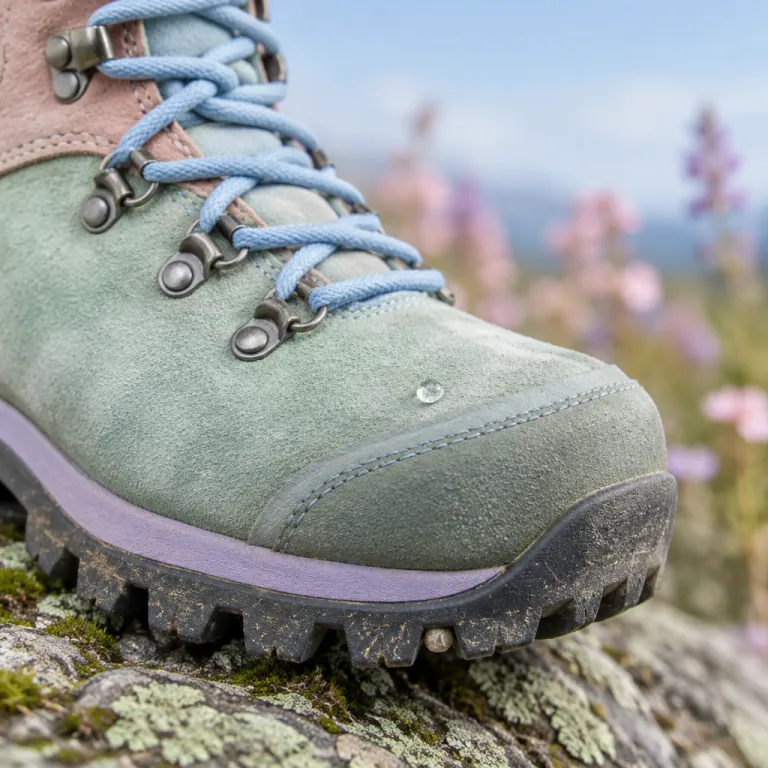

Why men’s suede boots matter on demanding trails
For experienced hikers and mountaineers, men’s suede boots are not a fashion afterthought. They are a technical footwear choice where suede, leather and design details directly influence safety, comfort and long term durability. When you commit to steep alpine routes or multi day treks, your boots will either support your stride or slowly undermine every step.
Modern men’s hiking boots often blend split grain suede with full grain leather panels to balance flexibility, abrasion resistance and breathability. A well built pair of men’s suede boots can handle scree, forest mud and rocky ridgelines, while a poorly constructed boot with thin plain suede panels will scuff, stretch and lose support quickly. That is why serious buyers evaluate not only the price but also stitching density, rand protection and how the leather sole or composite midsole is bonded.
On technical ground, a supportive men’s suede boot stabilises the ankle without feeling like a rigid ski shell. The best suede models use multi zone padding and a shaped heel cup so the boots lock your foot without hot spots on long descents. When you compare men’s suede options in a specialist shop, flex the forefoot, twist the upper and check whether the suede boots return to shape or collapse under moderate hand pressure.
Upper construction, suede treatments and lacing systems
The upper of men’s suede hiking footwear is where performance and style intersect most clearly. High quality waxed suede resists moisture, dust and stains far better than untreated suede, which matters when your boots will cross wet grass, snow patches and gritty riverbanks. For mountaineers, a boot with waxed suede and reinforcing leather overlays around the toe and heel offers extra protection against crampon straps and sharp rock edges.
Look closely at how each lace system is built on the boot, because lace up boots that use metal speed hooks and locking eyelets allow micro adjustments during long ascents. A secure lacing pattern keeps the heel seated, which reduces blister risk and improves edging precision on narrow ledges. When testing a technical hiking boot such as a men’s waterproof mid model similar in spirit to the Headout mid waterproof hiking boots review, pay attention to how the suede flexes at the forefoot and whether the tongue padding prevents lace pressure.
Some men’s suede boots integrate a functional zip on the side, creating a hybrid lace and zip boot design that speeds up transitions at camp. A well engineered suede zip closure should never replace proper lacing tension; instead, it lets you keep your preferred lace configuration while using the zip for quick entry and exit. When evaluating any suede zip or full zip boot option, check that the zipper track is shielded by suede or leather flaps so grit and fine dust from trails in Australia or the Dolomites cannot jam the mechanism.
Outsoles, leather soles and underfoot security
Underfoot design separates casual chelsea boots from serious men’s suede boots built for alpine approaches. A traditional leather sole can appear elegant, yet on wet rock or clay it often lacks the multidirectional lugs needed for braking and traction. For demanding terrain, a boot that combines a thin leather sole layer for feel with a deep lugged rubber outsole gives both precision and grip.
Technical men’s suede boot models now use dual density midsoles that cushion heel strikes while keeping the forefoot firm for edging. When you compare a chukka boot, a chelsea boot and a purpose built hiking boot, you will notice that only the latter has a pronounced heel brake and aggressive toe lugs. That difference matters when you descend 1 000 metres of loose scree, because the boots will either bite into the slope or slide unpredictably.
For long distance trekkers, a supportive pair of men’s suede hiking boots reduces cumulative fatigue over consecutive days. Independent tests on models such as the Lowa Renegade men’s hiking boot, reviewed in detail in the Renegade men’s hiking boot test, show how midsole stiffness and outsole pattern influence stability under heavy packs. When you shop for men’s boots, always check the torsional rigidity by twisting the boot; a quality suede boot should flex at the forefoot but resist twisting through the arch.
Balancing style, colour and technical performance
Outdoor enthusiasts often want men’s suede boots that transition from trail to town without compromise. Colour choices such as brown suede or black suede influence not only style but also how dust and scratches appear after repeated use. A brown suede hiking boot hides dried mud and scuffs better, while a black suede model can look sharper in urban settings yet show salt marks more clearly.
Designers now offer a wide variety of silhouettes, from suede chelsea profiles to robust lace up boots with high collars. A suede chelsea boot with elastic side panels and a subtle leather sole can work for light travel days, but it will not match the ankle support of a fully laced mountain boot. When you evaluate any chelsea boots or chukka boot options for hiking, treat them as approach or camp footwear rather than primary protection for glacier crossings or steep couloirs.
Many brands present a casual line alongside their technical boots, and the price often reflects the difference in materials and construction. A casual plain suede boot with minimal rand protection may cost less, yet the boots will wear faster under heavy loads and abrasive rock. For serious trips, invest in a robust pair where the style details complement, rather than replace, functional features such as toe caps, heel counters and reinforced lace zones.
Shopping strategy, price filters and smart gear integration
Experienced hikers rarely buy men’s suede boots on impulse, because the wrong boot can ruin an expedition. When you shop online, use a filter system to sort by weight, ankle height, leather type and intended terrain instead of focusing only on the lowest price. A transparent product description that lists midsole composition, outsole compound and suede thickness tells you far more about long term value than a simple discount percentage.
In a physical shop, bring the socks and orthotic insoles you normally use, then try several men’s boot models on both feet. Walk up and down an incline board if available, paying attention to whether your toes hit the front of the boot during descents. The right pair of men’s suede boots will feel snug at the midfoot, secure at the heel and allow enough toe room for natural splay on long days.
Serious mountaineers often integrate their footwear choices with other equipment, such as a portable accessory carrier that keeps crampons, microspikes and repair kits organised; a detailed guide on why such a portable accessory carrier matters for serious hikers shows how small items support overall safety. When planning a major trip to Australia’s alpine regions or the European Alps, consider allocating part of your budget to high quality men’s suede boots and part to maintenance tools like suede brushes and waterproofing wax. Some retailers even offer gift cards that allow partners or family members to contribute toward a premium boot purchase instead of guessing the right size and last shape.
Care, maintenance and lifespan of suede hiking footwear
Proper care extends the life of men’s suede boots and preserves their performance characteristics. After each trip, knock off dried mud, then use a suede brush to lift the nap and remove embedded grit from the boot surface. If you trek in sandy deserts or on volcanic ash, this routine becomes essential because fine particles can slowly abrade both suede and leather panels.
Waterproofing treatments designed for waxed suede help maintain resistance to rain and snow without clogging the pores completely. Apply these products sparingly, following manufacturer instructions, and allow the boots to dry naturally away from direct heat sources that can crack leather and weaken adhesives. When the leather sole or rubber outsole shows significant wear, consult a specialist cobbler to assess whether resoling is viable, especially for premium men’s suede boot models where the upper remains structurally sound.
Storage matters as much as cleaning, particularly for mountaineers who rotate several pairs through the year. Keep each men’s suede boot in a cool, dry place with good air circulation, and avoid compressing the uppers under heavy gear. If you use gift cards to purchase multiple styles, such as a rugged lace up model and a lighter chukka boot, label storage boxes clearly so the right boot is easy to grab before early morning departures.
When suede is the right choice for extreme environments
Choosing men’s suede boots for extreme routes requires a clear understanding of their strengths and limits. Suede excels in breathability and conforming comfort, which benefits long approach marches and mixed terrain where a stiff plastic boot would feel punishing. However, on sustained ice or very wet snow, a fully synthetic or full grain leather mountaineering boot may still outperform even the best suede boots.
For high altitude treks that mix rocky trails, occasional snowfields and hut approaches, a technical suede boot with partial leather reinforcements offers an effective compromise. The boots will flex enough for scrambling yet provide sufficient support for carrying 20 kilogram packs over uneven ground. In such scenarios, a hybrid design that blends plain suede panels with rubber rands and a robust lace system often proves more versatile than a minimalist chelsea boot or fashion oriented zip boot.
On expeditions where weight and pack volume are critical, some climbers carry a primary mountaineering boot plus a lighter pair of suede shoes or a chukka boot for camp use. This strategy keeps the main boots dry and ready for summit pushes while giving feet a break in the evenings. Whether you hike in Australia’s Snowy Mountains or the granite spires of Patagonia, align your suede chelsea boots, lace up boots and technical hiking boot choices with the specific demands of each objective rather than relying on a single all purpose model.
Key figures and statistics about hiking boots performance
- Studies from footwear biomechanics labs, such as research published in the Journal of Foot and Ankle Research, indicate that appropriate hiking boots can reduce peak plantar pressure by up to 30 percent compared with casual sneakers, which significantly lowers the risk of overuse injuries on multi day treks.
- Market analyses from major outdoor industry reports, including the European Outdoor Group’s annual market review, indicate that suede and leather hiking boots represent roughly 40 percent of global hiking footwear sales, reflecting ongoing demand for durable, repairable materials among experienced hikers.
- Field surveys of long distance hikers on routes such as the Pacific Crest Trail, reported by organisations like the Pacific Crest Trail Association, show that many walkers replace their primary boots or shoes after approximately 800 to 1 000 kilometres, highlighting the importance of monitoring outsole wear and midsole compression.
- Independent traction tests on lugged hiking outsoles, including comparative studies by university sports science departments, show up to 20 percent better grip on wet rock compared with flat soled casual boots, underscoring why chelsea boots and fashion chukka boots are not suitable for technical mountain terrain.
FAQ about men’s suede boots for hiking and mountaineering
Are men’s suede boots suitable for multi day alpine treks?
High quality men’s suede boots with robust rands, supportive midsoles and waterproof membranes are suitable for multi day alpine treks on mixed terrain. They work best on routes combining trails, scree and occasional snow patches rather than continuous glacier travel. For sustained ice or very cold conditions, pair them with gaiters or choose insulated mountaineering boots instead.
How do suede hiking boots compare with full grain leather models?
Suede hiking boots generally offer softer flex and better initial comfort than full grain leather models, which can feel stiffer during break in. Full grain leather often provides slightly better long term water resistance and abrasion protection. Many serious hikers use suede and leather hybrids to capture the advantages of both materials.
Can chelsea boots or chukka boots be used for serious hiking?
Chelsea boots and casual chukka boots lack the ankle support, lug depth and midsole structure required for serious hiking or mountaineering. They can work as approach or camp footwear on easy terrain, but they should not replace technical hiking boots on exposed or steep routes. For safety, reserve fashion oriented styles for travel days and town use.
How often should I waterproof my suede hiking boots?
The frequency depends on usage and conditions, but many experienced hikers reapply suede specific waterproofing after every few wet trips. If water stops beading on the surface or the boots darken quickly in rain, it is time to treat them again. Always clean the suede first so the product bonds evenly to the fibres.
What is the best way to dry wet suede boots after a trip?
Remove the insoles, loosen the laces and stuff the boots lightly with newspaper or absorbent paper, then let them dry at room temperature away from direct heat. Avoid placing suede boots near fires, radiators or strong sunlight, which can cause cracking and delamination. Once dry, brush the suede to restore the nap and reapply waterproofing if necessary.