Key construction details that define a high performance synthetic hiking boot
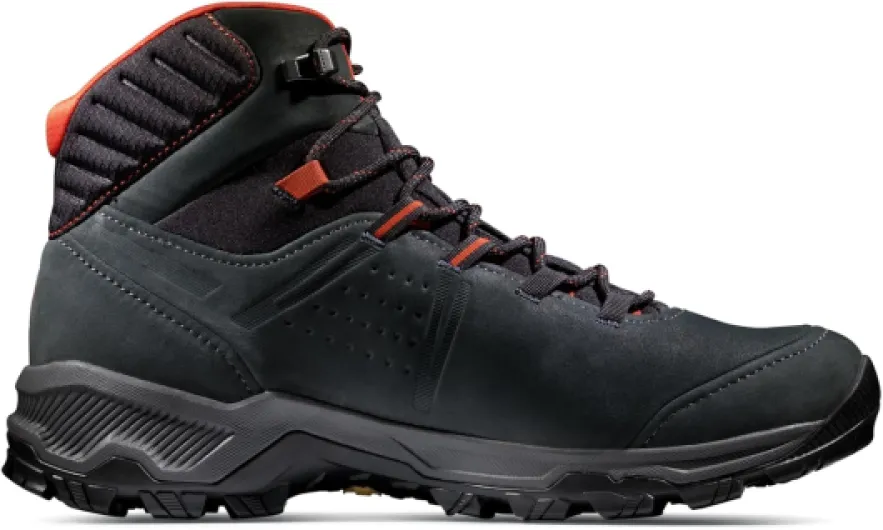
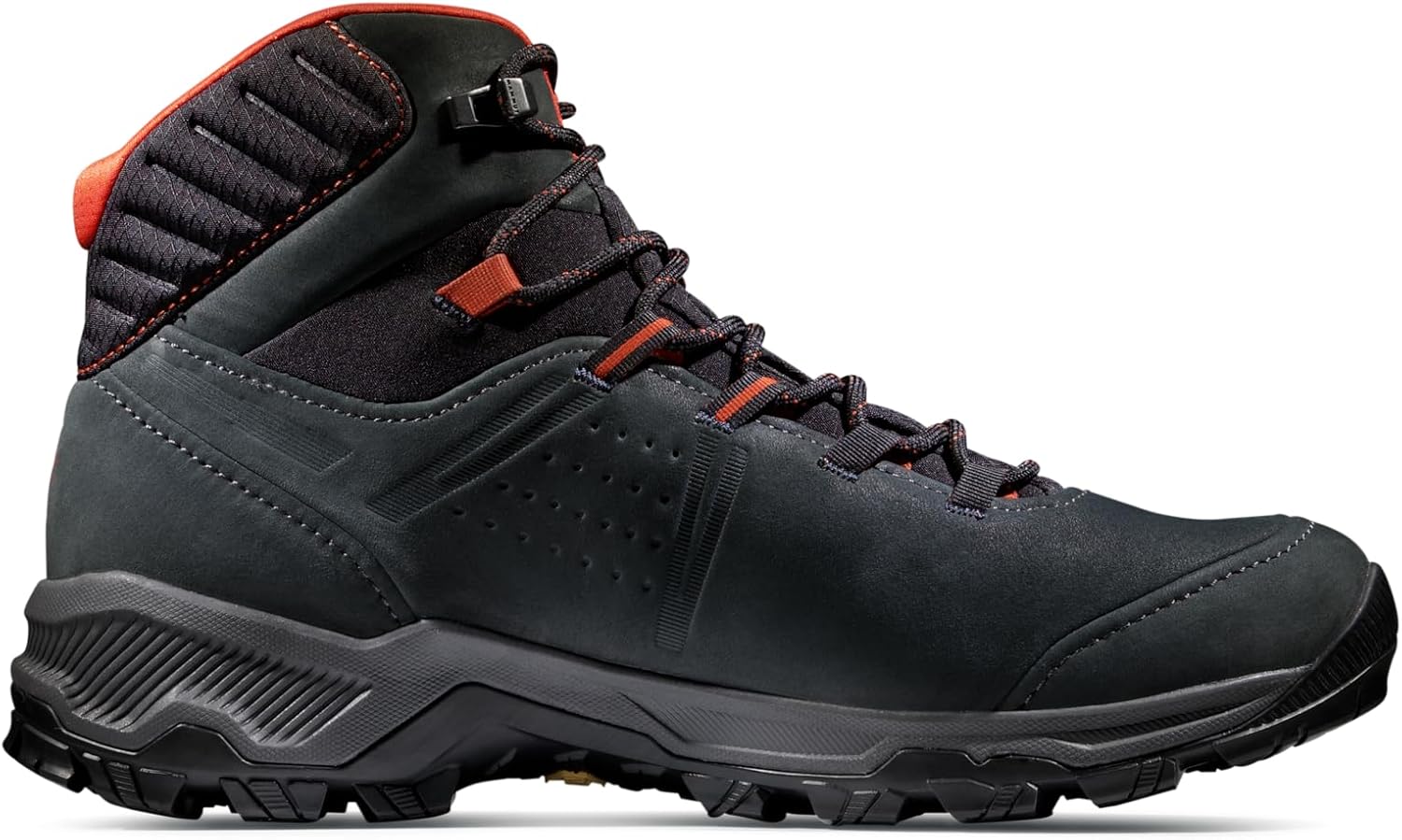
The upper of the best synthetic hiking boots usually blends tightly woven textiles with thermoplastic overlays instead of heavy leather panels. This approach lets brands tune support zones around the mid foot and ankle support areas while keeping the boot breathable for hot trail conditions. When you lace a synthetic hiking boot correctly, the structured overlays act like an exoskeleton that stabilises the foot on sidehills and during technical day hikes.
Waterproof protection in synthetic hiking boots typically comes from a bootie style membrane such as Gore-Tex or a proprietary tex laminate. A Gore-Tex or similar tex insert lines the inside of the boot, creating a waterproof yet breathable barrier that keeps water out while allowing sweat vapour to escape during sustained hiking. Many models carry a GTX suffix in the name, such as Kaha GTX or other mid waterproof designs, signalling that the boots use a Gore-Tex membrane rather than a non waterproof construction.
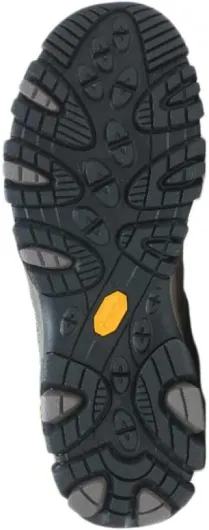
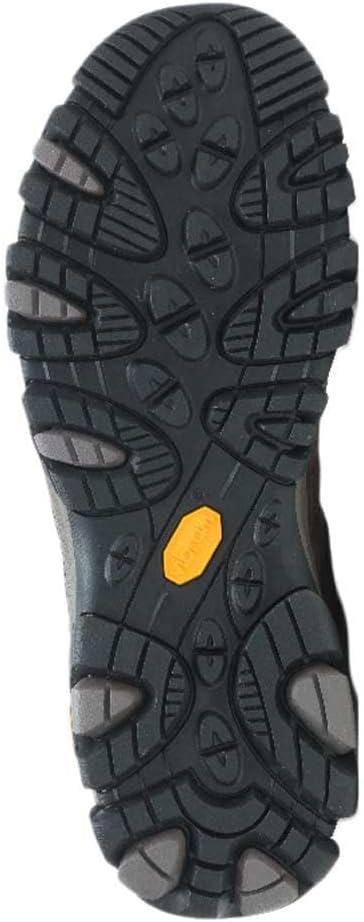
Underfoot, serious hiking footwear relies on multi density midsoles and aggressive rubber outsoles to balance cushioning and edging support. A mid cut synthetic boot with a firm heel and slightly softer forefoot helps control pronation while still allowing a natural roll through the stride on long trail approaches. If you are comparing a lightweight synthetic pair with a traditional leather boot such as a classic Danner Mountain model, pay attention not only to the stated weight per pair and price but also to how stable the boot feels when side loading the edge on rock.
For readers interested in how synthetic designs compare with modern leather hiking boots in real testing, examine detailed field reviews such as this lightweight leather hiking boots test. Analysing both leather and synthetic hiking shoes under the same conditions clarifies where each type of boot excels. That level of comparison helps you decide whether your next pair of hiking boots should prioritise ultimate durability, minimum weight, or a balanced compromise between the two.
Fit, width, and comfort: getting synthetic hiking boots dialled in
Even the best synthetic hiking boots will fail you if the fit is wrong for your feet. A hiking boot must hold the heel securely, allow the toes to splay slightly, and match your natural arch profile to avoid hot spots on long trail days. When trying a new pair of boots, wear the socks you use for regular hiking and walk on an incline if possible to check for toe bang and heel lift.
Most synthetic hiking boots come in at least one standard width, often labelled as regular, while some brands offer regular wide options for higher volume feet. If you have a broad forefoot or use custom orthotics, a wide width boot can prevent pressure on the metatarsal heads and improve circulation during cold weather waterproof hiking. For narrow feet, a standard width synthetic boot with a well designed lacing system around the mid foot can still provide excellent support without needing a special last.
Comfort also depends on how the boot flexes and how much cushioning sits under the heel and forefoot. A mid cut synthetic hiking boot with a rockered sole can feel more like hiking shoes on smooth trail, yet still provide ankle support when you step off the path into talus or snow. When evaluating best hiking options, compare the stated weight per pair, stack height, and insole quality, then read the average rating from experienced users who have worn the boots on real day hikes and multi day trips.
For a curated overview of leading synthetic models, consult specialised roundups such as this guide to top synthetic hiking boots. Such resources often separate boots men and boots women lines, highlight which hiking footwear runs narrow or wide, and explain how each boot performs in different climates. Use that information as a starting point, then always confirm the fit in person before committing to a specific pair.
Waterproof membranes, breathability, and managing moisture on the trail
Moisture management is where the best synthetic hiking boots often outperform older leather designs in real mountain conditions. A synthetic upper absorbs less water, dries faster overnight, and works efficiently with a waterproof membrane to keep your feet drier during repeated stream crossings. For hikers who move between wet forest trail and exposed alpine ridges, that combination of waterproof protection and quick drying materials can significantly reduce blister risk.
Gore-Tex remains the benchmark waterproof membrane in many hiking boots, and you will see the term Gore-Tex or the abbreviation GTX in numerous product names. A boot labelled as Kaha GTX, for example, uses a Gore-Tex insert inside a synthetic upper to create a waterproof hiking system that still allows sweat vapour to escape. Other brands use proprietary tex membranes with similar hydrostatic head ratings, so focus on independently verified lab test data and long term field reports rather than marketing language alone.
Breathability depends not only on the membrane but also on the outer materials and lining of the boot. A lightweight synthetic hiking boot with open weave mesh panels will vent heat better than a dense leather boot, especially during hot weather day hikes on dusty trail. If you often hike in cool but wet climates, consider a mid waterproof design with fewer open meshes, because that configuration balances warmth, waterproof performance, and long term durability.
For extended expeditions where you wear the same pair of hiking boots for many days, plan a moisture management routine. Remove insoles at camp, loosen the laces fully, and let the boots air out under shelter to protect the waterproof layers and reduce odour buildup. When you combine disciplined care with a high quality waterproof hiking boot, you extend the lifespan of the footwear and maintain reliable performance across seasons.
Comparing leading synthetic models: from Merrell Moab to Hoka Kaha
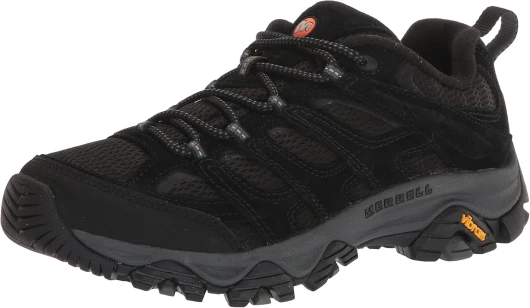
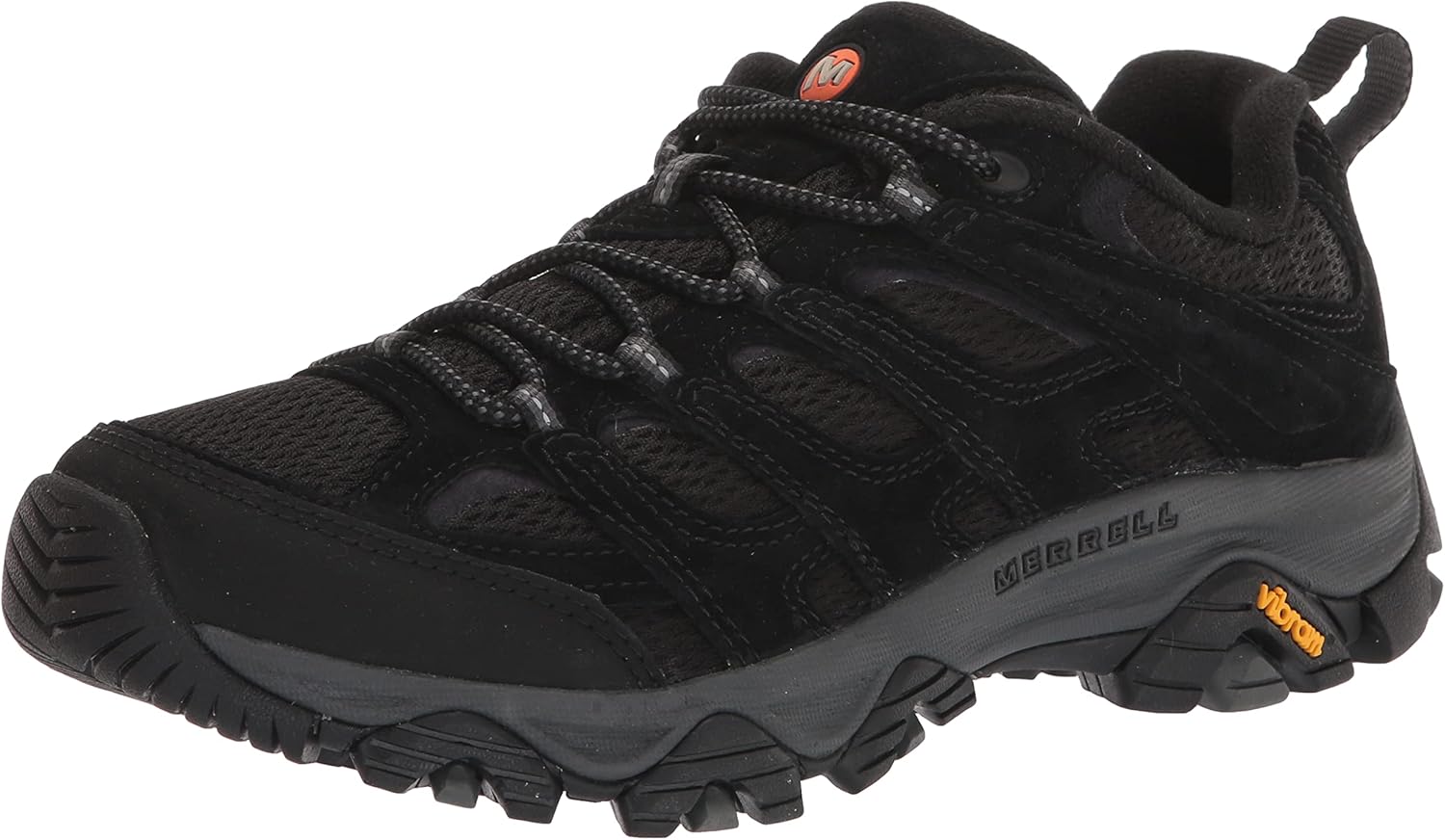
Several families of synthetic hiking boots have earned strong reputations among experienced hikers and mountaineers. The Merrell Moab line, for example, offers both hiking shoes and mid cut boots in synthetic and hybrid leather constructions at an accessible price point. Many hikers consider the Merrell Moab models to be some of the best hiking options for casual day hikes and light backpacking because they balance cushioning, grip, and reasonable weight per pair.
At the more cushioned end of the spectrum, the Hoka Kaha series uses ultra thick midsoles to deliver a very soft ride on long trail days. A boot such as the Hoka Kaha GTX combines a synthetic upper, a Gore-Tex membrane, and a rockered sole profile to reduce impact forces on steep descents. This type of hiking footwear suits trekkers who prioritise joint comfort and ankle support over precise edging on technical rock.
For those who still appreciate the aesthetics and structure of leather but want modern performance, hybrid designs like the Danner Mountain series blend leather panels with synthetic fabrics and sometimes Gore-Tex liners. These boots often weigh more than fully synthetic models, yet they provide a traditional boot feel that some mountaineers prefer for rough terrain and heavy loads. When comparing such boots with lighter synthetic pairs, look beyond the average rating and top rated labels, and instead match each boot to your specific pack weight, trail conditions, and personal biomechanics.
To make comparisons more concrete, consider a compact spec snapshot for typical mid cut waterproof designs in this category: Merrell Moab style boots often sit around 1.1 to 1.3 kilograms per pair with moderate stack height and optional GTX liners for mixed trail use; Hoka Kaha type models usually weigh roughly 1.2 to 1.4 kilograms per pair with very high stack height, Gore-Tex membranes, and a pronounced rocker for long distance comfort; Danner Mountain inspired hybrids tend to come in closer to 1.4 to 1.6 kilograms per pair with lower stack height, partial leather uppers, and a focus on edging support under heavier packs.
Balancing protection, sustainability, and overall gear strategy
Choosing the best synthetic hiking boots is not only about personal comfort but also about how your gear interacts with fragile mountain environments. Synthetic materials often require less break in than leather, which reduces the temptation to cut corners on shorter trail outings where blisters might otherwise encourage off trail shortcuts. When your boots fit well and provide reliable ankle support, you are more likely to stay on established paths and minimise erosion in sensitive alpine zones.
Many brands now use recycled textiles and solvent free adhesives in synthetic hiking footwear, which can reduce the environmental footprint compared with some traditional manufacturing methods. While a single pair of boots will not transform the industry, informed choices by experienced hikers send a clear signal that sustainability matters alongside performance and price. To align your boots with the rest of your kit, review how your waterproof shell, insulation layers, and pack materials are produced, and aim for a coherent, responsible gear system.
Protection also extends beyond your own body to the landscapes you move through, especially in heavily visited parks and reserves. When you pair robust waterproof hiking boots with an appropriate weatherproof jacket, you are less likely to build illegal fires or cut switchbacks just to warm up or shorten a storm battered route. For guidance on selecting outer layers that respect both your safety and public lands, consult resources such as this article on jackets for serious hikers, then integrate those insights into your overall hiking strategy.
Statistics and key figures on synthetic hiking boots and footwear performance
- A market analysis by The NPD Group reported that hiking footwear sales in the outdoor specialty channel grew by roughly 5 percent year over year in 2019, with synthetic hiking boots and hiking shoes representing a growing share of new models as brands chase lower weight and faster drying times. Always refer to the latest NPD outdoor footwear report for the exact publication year and sample size.
- Laboratory tests published by W. L. Gore & Associates indicate that Gore-Tex membranes can withstand a water column of more than 28 000 millimetres, which means a Gore-Tex or similar GTX boot can remain waterproof under prolonged exposure to standing water and heavy rain when the upper materials are intact. The precise hydrostatic head values and test protocols are detailed in Gore’s official technical documentation.
- Independent field comparisons with sample sizes typically ranging from 8 to 20 boot models have shown that fully synthetic hiking boots can weigh 15 to 25 percent less per pair than comparable leather boots, which translates into several kilograms less cumulative lifting effort over a full day of steep trail hiking. When reviewing such studies, check the stated boot sizes, measured weights, and total elevation gain to understand the context.
- Consumer review data from large outdoor retailers, often based on several hundred to several thousand individual ratings per model, show that top rated synthetic hiking boots achieve an average rating between 4.4 and 4.7 out of 5, with fit and comfort cited as the primary reasons for high scores, while durability concerns account for most negative reviews. Look for datasets that specify the number of reviews and the time period covered to judge how representative the ratings are.
- In surveys of experienced hikers and backpackers, with respondent pools commonly between 300 and 1 000 people, more than half of respondents report using mid cut waterproof hiking boots for regular day hikes and weekend trips, reflecting a preference for the balance between ankle support, protection, and the relatively lightweight feel of modern synthetic designs. Survey methodology notes, including respondent demographics and sample size, help you interpret these findings accurately.