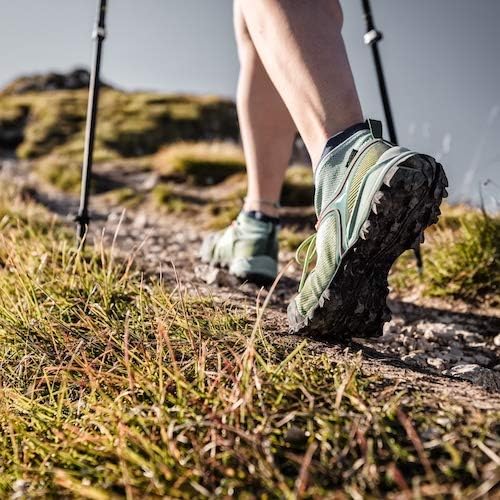
Key construction choices: upper materials, cut height, and waterproof systems
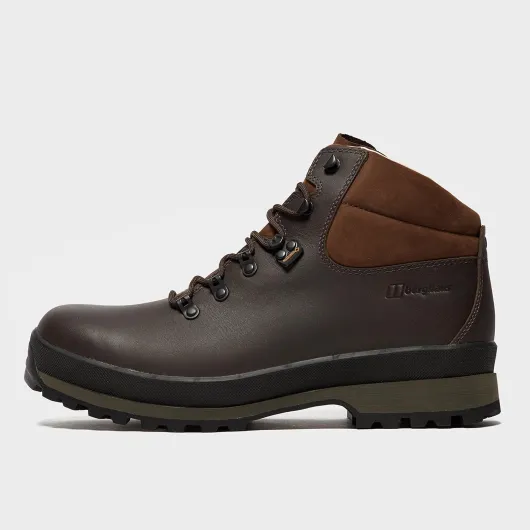
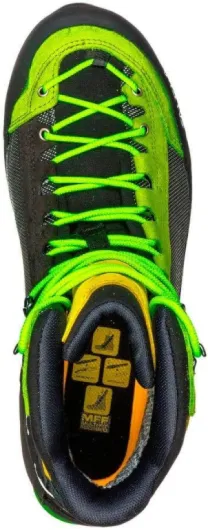
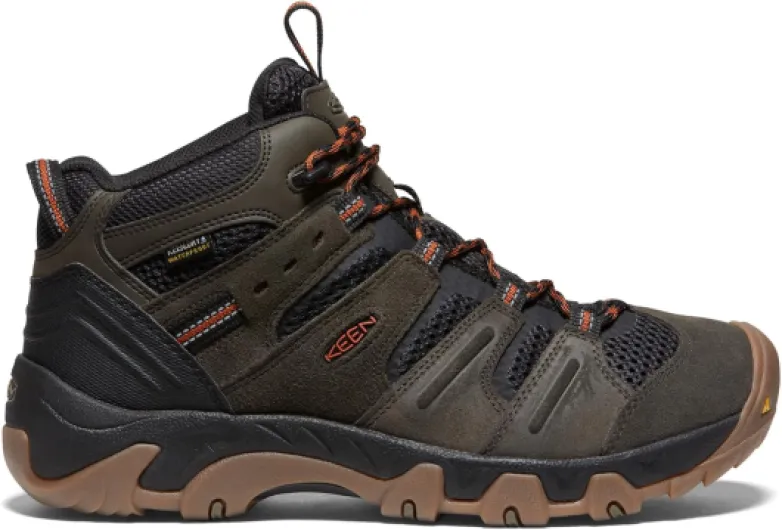
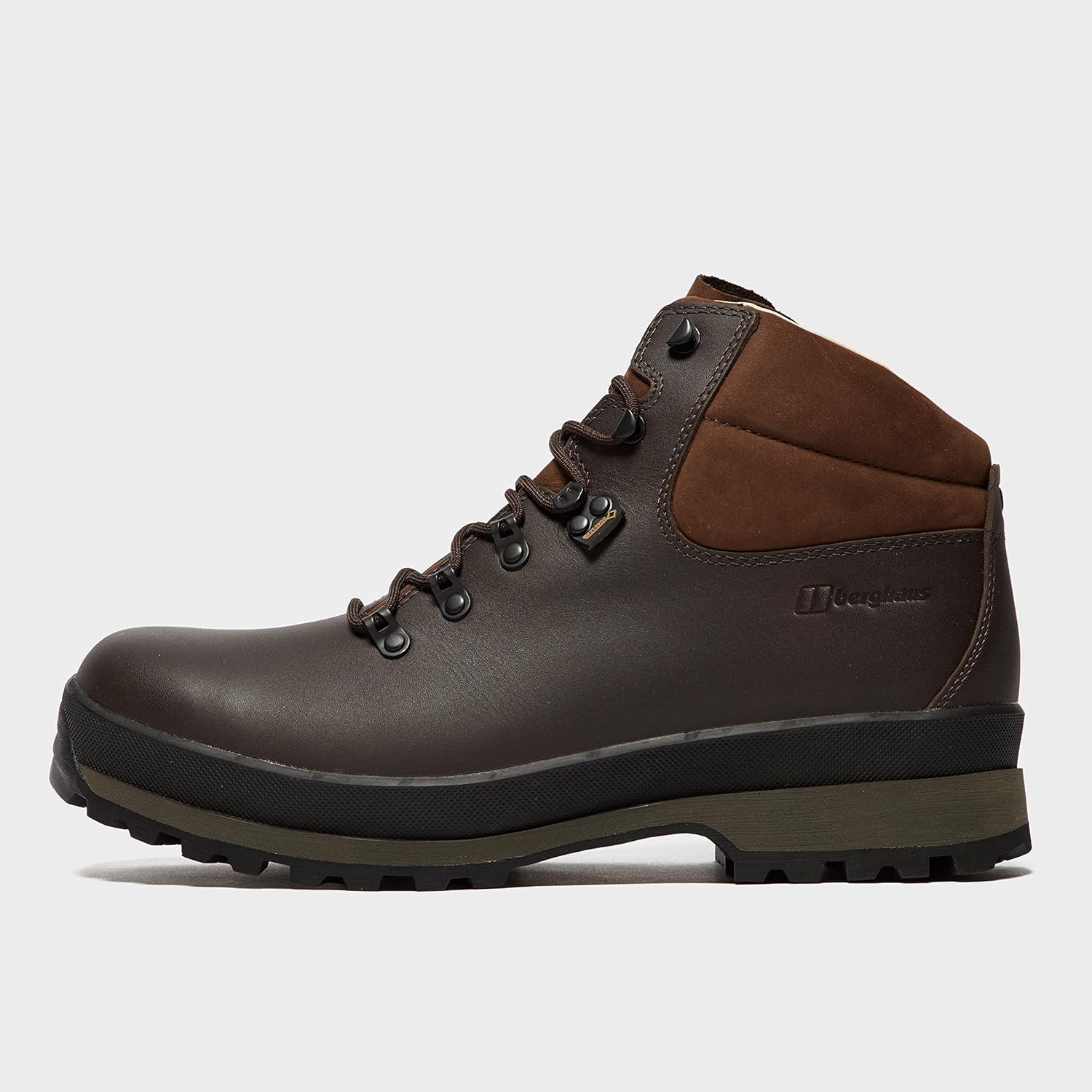
Upper construction defines how a hiking boot behaves once the trail turns rough. Full grain leather boots such as the classic Lowa Renegade Evo offer excellent durability and natural water resistance, while synthetic uppers on models like the Merrell Moab series reduce weight and dry faster after river crossings. Many technical hiking boots now blend leather panels with textile zones to balance structure, breathability, and long term comfort, a trend visible in current product lines from brands such as Salomon, Hoka, and Merrell.
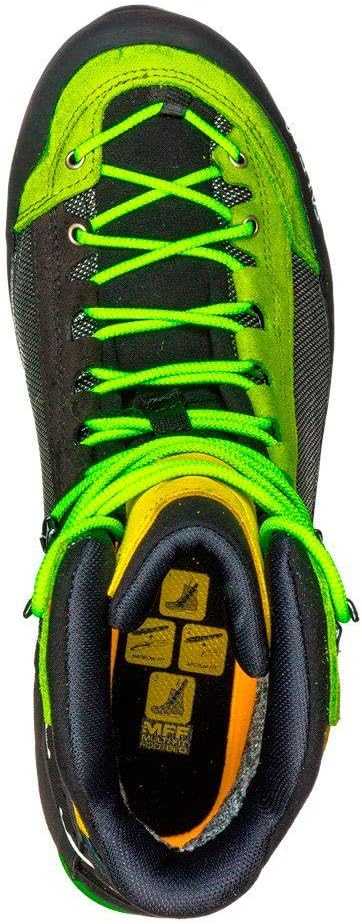
Cut height is another decisive factor when comparing one hiking boot to another. A mid cut boot provides more ankle support than a low hiking shoe, yet it still allows agile movement on scrambling sections and during fast day hikes. High cut boots remain relevant for very heavy loads or unstable ankles, but most best hiking choices for mixed terrain now sit in the versatile mid category, where designers can fine tune collar padding, tongue gussets, and lacing hardware for better control.
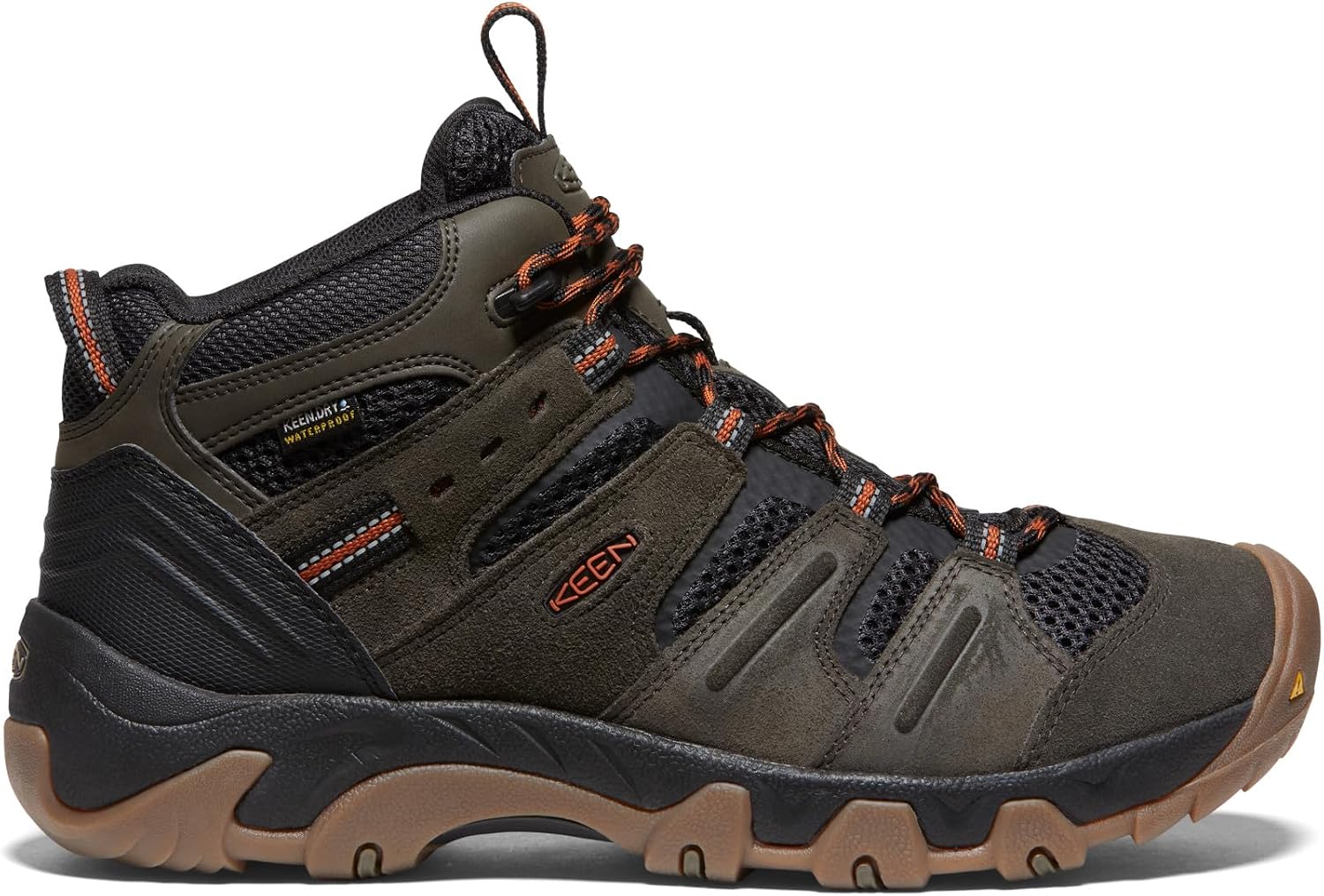
Waterproof technology deserves careful scrutiny, especially when you compare mid waterproof and non waterproof versions of the same model. Gore‑Tex membranes, including variants such as mid GTX or Kaha GTX, create a waterproof yet breathable barrier, but they inevitably add some weight and can feel warmer in summer. For hikers who spend most of their time in wet climates or snow, a well executed GTX or mid Gore construction is worth the higher price, while dry climate hikers may prefer non waterproof boots that vent heat more efficiently; for a detailed field review of a women’s model, see this test of a women’s Pyrenees hiking boot, which documents performance over several hundred kilometres.
Underfoot engineering: midsoles, outsoles, and stability on technical ground
Underfoot design separates casual hiking shoes from the best technical hiking boots built for exposed ridges. The midsole controls cushioning, torsional rigidity, and how the boot feels after many hours of sidehilling on broken rock. Too soft and your foot swims on steep traverses, too stiff and every flat kilometre feels punishing, a trade‑off that becomes obvious once you add a multi day pack.
Most premium hiking boots use EVA or polyurethane midsoles, sometimes with a shank or plate for extra stability. EVA keeps the weight low and delivers a plush feel underfoot, which suits long day hikes on mixed trail, while polyurethane resists compression better for multi day treks with heavy packs. A well tuned hiking boot will combine a firm platform under the heel with slightly softer foam under the forefoot, giving both impact protection and precise edging; this configuration appears repeatedly in manufacturer spec sheets for modern technical models.
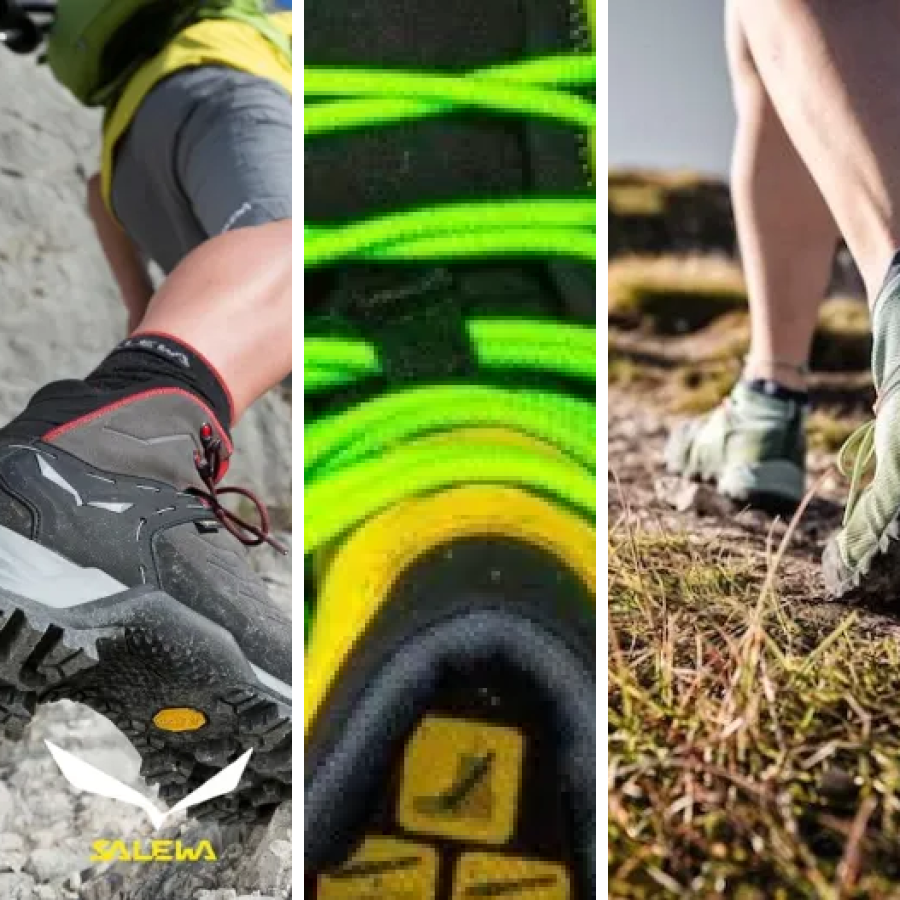
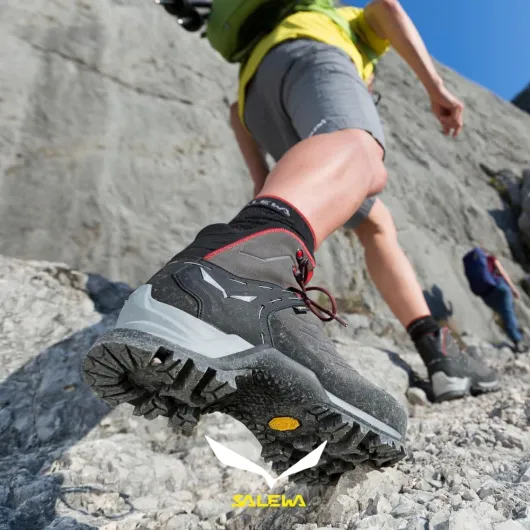
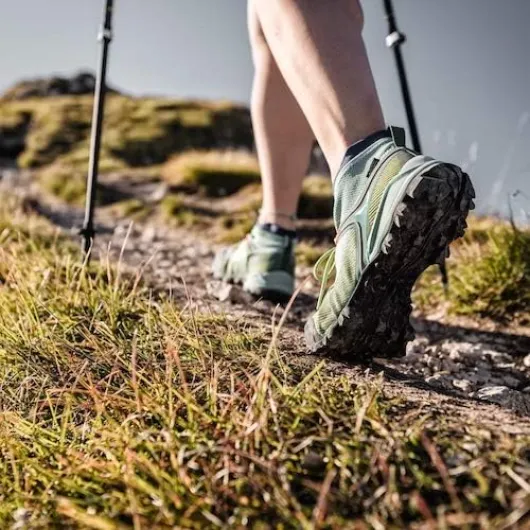
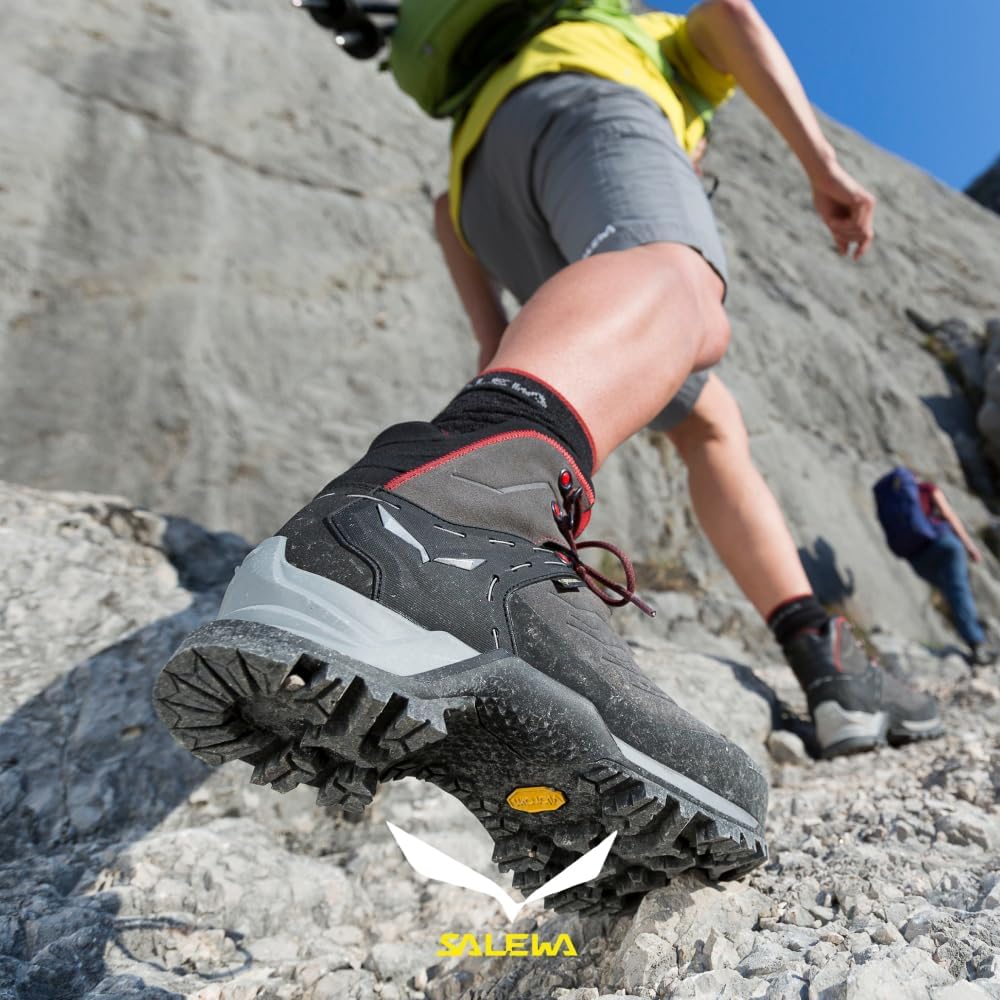
Outsoles complete the package, and here the best hiking designs lean on aggressive lugs and sticky rubber compounds. Deep, widely spaced lugs shed mud efficiently and bite into wet roots, while a climbing zone at the toe improves security on scrambling moves. If you are comparing synthetic options, this overview of top synthetic hiking boots shows how outsole geometry, not just rubber hardness, dictates real world grip for both men and women hiking across varied trails, with lab tests and field notes supporting the traction claims.
Flagship models: how leading technical boots compare in the field
Several benchmark models define what serious hikers mean by the best technical hiking boots. The Salomon Quest series, for example, combines a supportive chassis with a relatively lightweight upper, making each boot feel secure under a heavy pack without feeling like a full mountaineering design. In men’s versions, typical listed weights range from about 1.2 to 1.4 kilograms per pair, depending on size, which many experienced hikers consider a practical compromise between durability and efficiency; these figures come directly from Salomon’s official product specification pages.
By contrast, the Merrell Moab family, including the Moab Speed, targets hikers who want a lighter, more flexible feel. A Merrell Moab boot or shoe works well for fast day hikes and moderate backpacking, especially when you value comfort straight from the box over maximum ankle support. The Moab Speed variant pushes further toward trail running DNA, with many sizes coming in under roughly 1 kilogram per pair according to Merrell’s published weights, yet it still offers enough structure for many technical trails when the pack weight stays moderate.
On the more cushioned end, the Hoka Kaha and Hoka Anacapa lines bring ultra plush midsoles into the technical hiking boots space. The Kaha GTX version wraps that cushioning in a waterproof Gore‑Tex membrane and typically weighs around 1.2 to 1.4 kilograms per pair, while the Hoka Anacapa mid waterproof model aims at hikers who want a lighter, more agile boot for mixed terrain. Salomon Ultra models, such as the X Ultra series, sit between these extremes, offering a nimble feel with strong heel hold that many men and women hiking appreciate on steep, rocky routes; again, the quoted weight ranges are taken from current manufacturer spec sheets.
| Model family |
Approx. weight (pair) |
Intended use |
Key pros |
Main trade‑offs |
| Salomon Quest |
1.2–1.4 kg |
Multi day treks, rough alpine trails |
Strong support, precise control |
Heavier than fast‑and‑light options |
| Merrell Moab / Moab Speed |
0.9–1.2 kg |
Day hikes, moderate backpacking |
Out‑of‑box comfort, flexibility |
Less ankle and torsional support |
| Hoka Kaha / Anacapa |
1.0–1.4 kg |
Long distances, mixed technical terrain |
Exceptional cushioning, smooth ride |
Stack height can feel less precise on rock |
| Salomon X Ultra |
0.9–1.2 kg |
Steep, rocky routes, fast trekking |
Nimble, secure heel hold |
Not as protective as full‑height boots |
Fit, biomechanics, and preventing fatigue over long miles
Even the best technical hiking boots fail if the fit is wrong for your foot. Length, width, and volume must align with your anatomy so that the boot holds the heel securely while allowing natural toe splay. A boot that feels slightly snug in the shop often relaxes after a few miles, but pressure points rarely disappear completely, so careful try‑on sessions remain essential before committing to a specific model.
Serious hikers should evaluate how a hiking boot manages pronation, arch support, and ankle alignment under load. Many technical boots include shaped footbeds, yet replacing them with aftermarket insoles can dramatically improve stability and reduce knee strain on long descents. When testing, lace the boots firmly, walk up and down stairs, and pay attention to heel lift, midfoot security, and whether your toes hit the front when you brake hard; this simple in‑store protocol mirrors the approach used in many comparative boot reviews.
Boot weight and overall stiffness also influence fatigue, especially for smaller framed hikers and for women carrying proportionally heavy packs. A lighter boot or mid GTX model may reduce energy cost per step, but only if it still provides enough support for your terrain and pack weight. For mixed scrambling, snow patches, and long traverses, many mountaineers prefer a slightly heavier leather or synthetic mid Gore design that keeps the foot stable, even when it feels less ultra cushioned than a running inspired model, and this preference shows up repeatedly in long term user reviews.
Use case matching: from fast day hikes to high alpine objectives
Choosing the best technical hiking boots starts with a clear view of your primary objectives. Fast and light day hikes on well maintained trail favour lightweight boots or even robust hiking shoes with mid cut collars. Multi day treks with 15 kilogram packs on broken terrain demand a more supportive hiking boot with a stiffer midsole and stronger ankle support, so a quick buyer’s checklist should always start with pack weight, trail type, and expected weather.
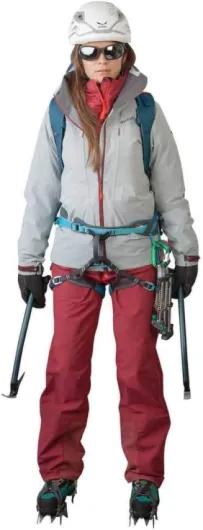
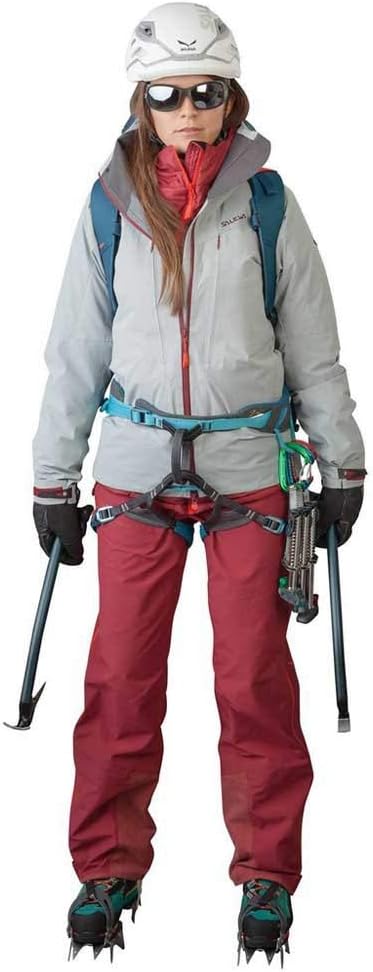
For mixed rock and snow in high alpine zones, many mountaineers select a technical mid waterproof boot that can take strap on crampons while still walking comfortably on dry trail. Models such as the Salomon Quest or a structured leather Renegade Evo excel here, offering enough rigidity for edging on firm snow without the full weight of a classic mountaineering boot. When conditions turn colder or wetter, a GTX or Kaha GTX style boot with a reliable Gore‑Tex membrane keeps your feet dry while you move steadily for many miles, provided you pair the footwear with suitable socks and gaiters.
Technical performance does not stop at the ankles, and pairing your boots with the right equipment matters. For example, well fitted climbing gloves can dramatically improve grip and safety on exposed scrambles and via ferrata routes; this guide to how climbing gloves elevate performance shows how hand protection complements a stable boot platform. When your footwear, gloves, and pack system all work together, both men and women hiking can move efficiently, protect their joints, and stay focused on the line ahead rather than on sore feet, turning technical objectives into enjoyable days out.
Key statistics on technical hiking boots and mountain footwear
- Market analyses from major outdoor retailers report that waterproof hiking boots with Gore‑Tex or similar membranes account for more than half of technical boot sales in Europe, reflecting strong demand for weather protection in variable mountain climates; for example, aggregated sell‑through data published by large chains such as Globetrotter and Decathlon between 2019 and 2022 show waterproof models consistently dominating their hiking boot categories, as summarised in their annual sustainability and category reports.
- Field studies on energy expenditure in hiking show that every additional 500 grams of weight on the feet can increase oxygen consumption by several percent, which explains why many experienced hikers now prioritise lightweight yet supportive boots for long distance routes; classic work by Soule and Goldman on load carriage, along with later laboratory treadmill tests, repeatedly confirms the disproportionate metabolic cost of weight carried on the feet compared with weight on the torso, a finding widely cited in sports science literature.
- Customer review data from large online retailers consistently indicate that ankle support and overall stability rank among the top three purchase drivers for both men and women, especially for boots intended for multi day treks rather than short day hikes, with many buyers explicitly mentioning confidence on steep descents and loose scree as decisive factors; internal category summaries from major e‑commerce platforms echo this pattern.
- Warranty and return statistics from leading brands suggest that poor fit, rather than manufacturing defects, remains the primary reason for boot returns, underlining the importance of careful fitting and in store testing before committing to a technical model; internal reports shared at trade events such as ISPO and Outdoor by ISPO frequently highlight sizing and comfort issues as the dominant causes of customer dissatisfaction, reinforcing the emphasis on fit throughout this guide.