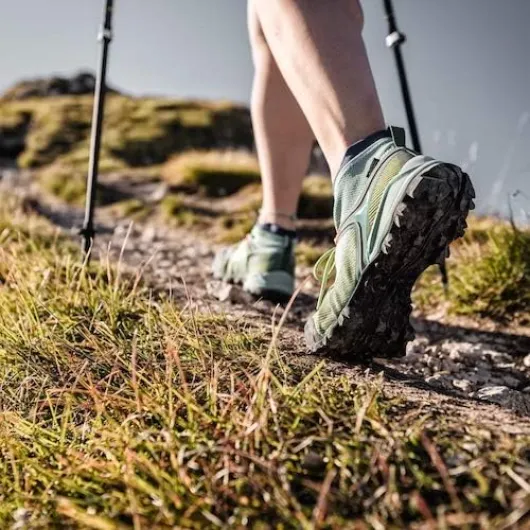
Key features that define the best hiking boots for rocky terrain
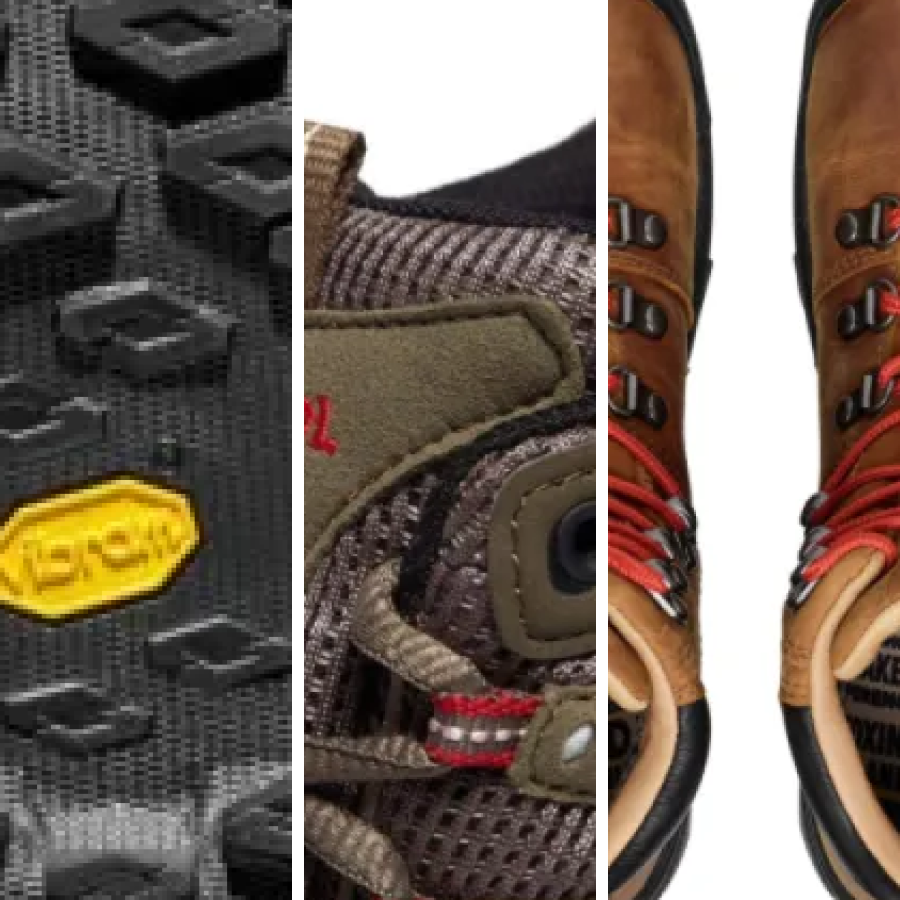
Several technical features separate ordinary hiking shoes from the best hiking boots for rocky terrain. First, look at the midsole, because this layer controls underfoot support, shock absorption, and how much you feel every stone beneath your feet. A quality hiking boot for rock heavy routes usually combines a firm midsole with a rock plate or dense insert that spreads impact across the whole boot.
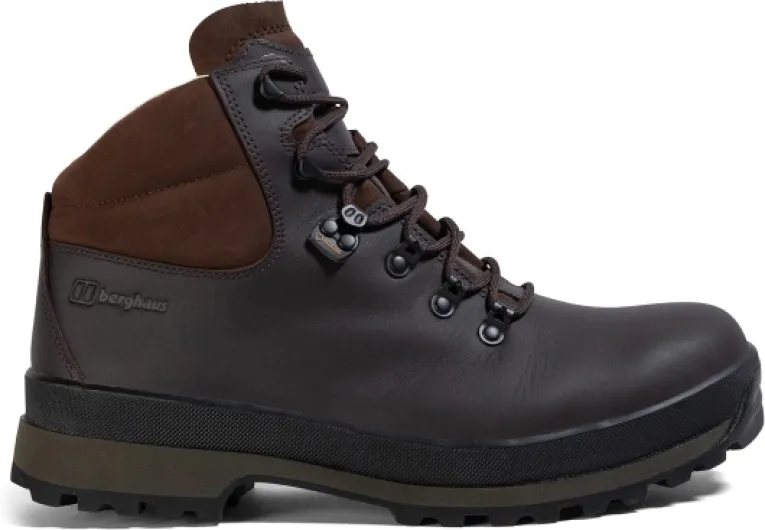
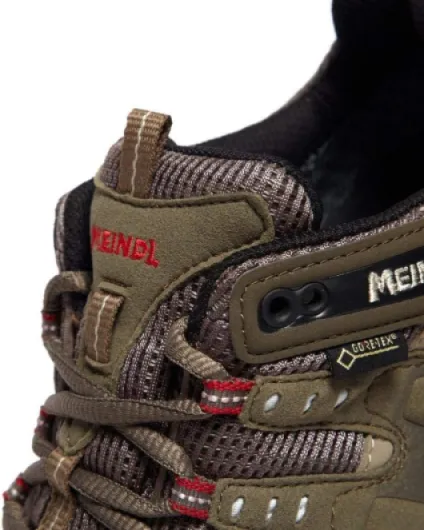
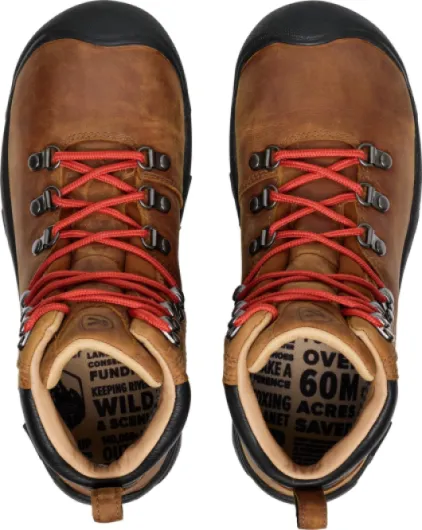
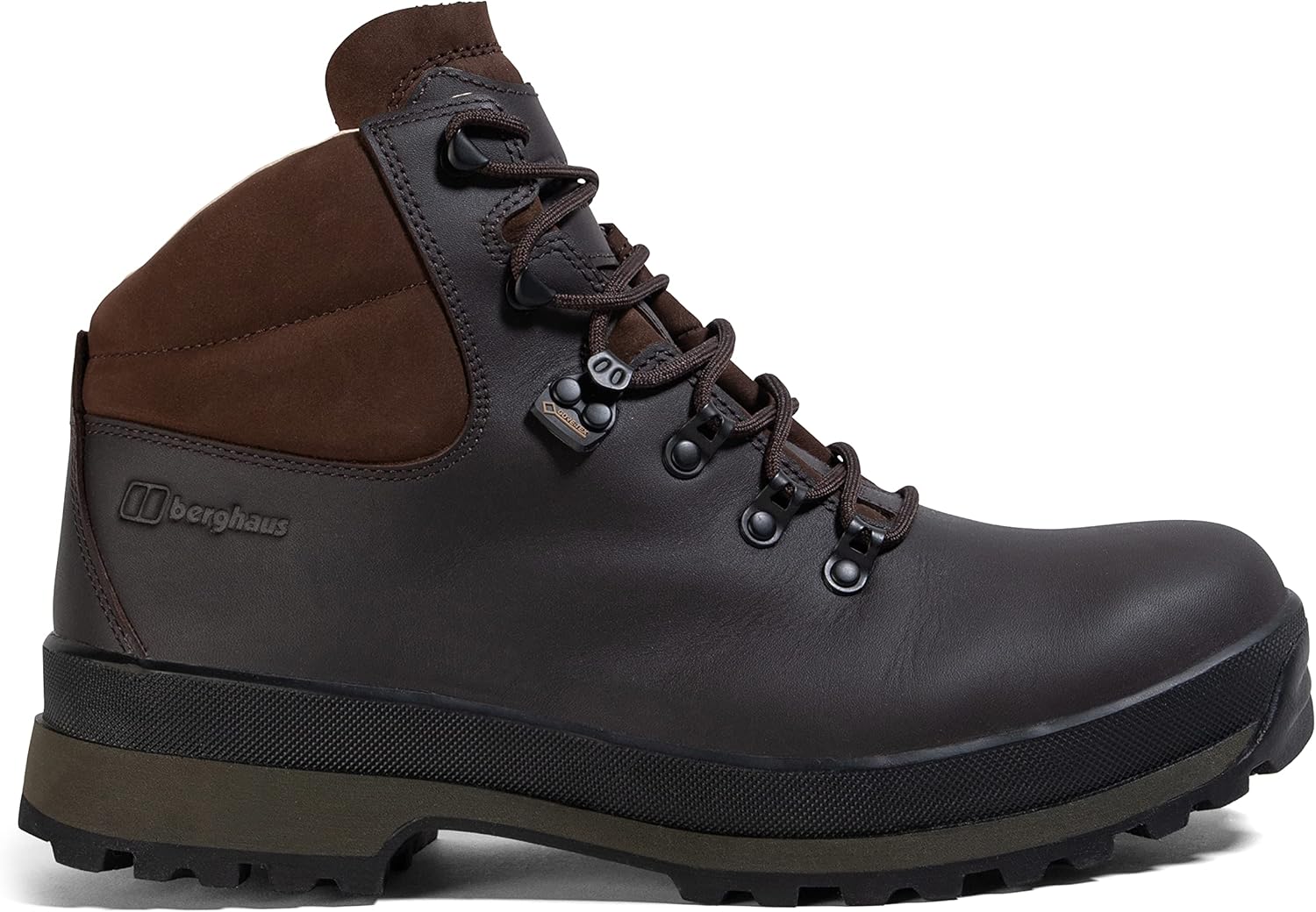
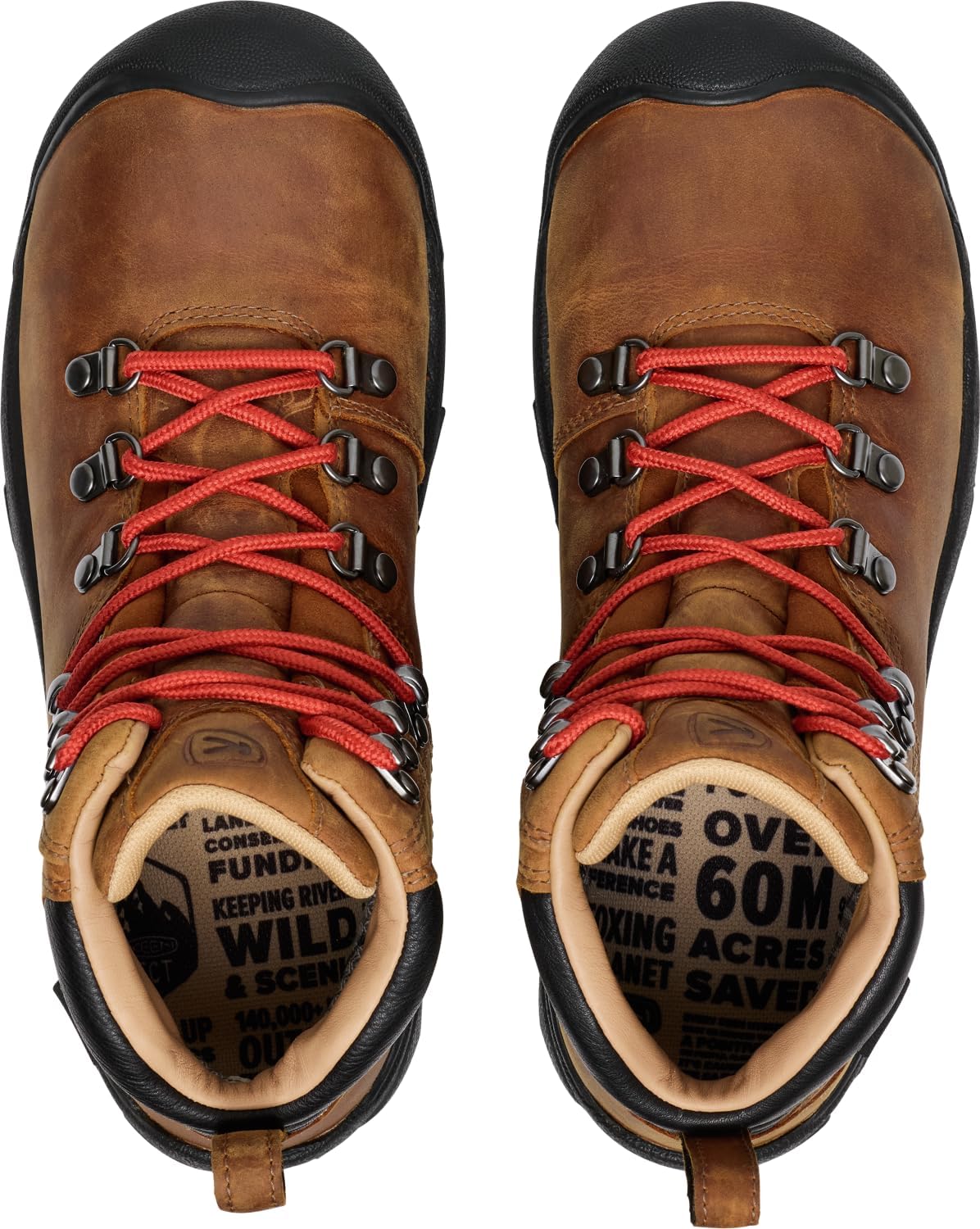
Next, examine the upper materials, since leather and synthetic fabrics behave differently on sharp rock. Full grain leather hiking boots and nubuck leather models resist abrasion and hold their shape, while modern synthetic uppers with waterproof membranes keep weight lower and dry faster. For mixed conditions, a mid waterproof design that blends leather panels with fabric and a breathable liner often gives the best balance between durability, waterproof performance, and overall comfort.
Foot shape and biomechanics matter as much as materials, especially if you struggle with arch pain or heel issues. If you need targeted arch support or a shaped heel cup, study guidance on hiking boots for plantar fasciitis and rocker profiles before committing to a specific boot. The right internal support, combined with external ankle support and a stable platform, will keep your feet fresher and more secure on long, technical day hikes over rocky terrain.
Comparing iconic models for rocky and technical trails
Certain models have earned a reputation among guides and mountaineers as some of the best hiking boots for rocky terrain. The Hoka Kaha line, including the Hoka Kaha GTX, uses an ultra thick midsole that feels almost like a running shoe while still offering serious stability on rough ground. Typical men’s versions weigh around 500–550 grams per boot with a stack height in the 30–33 millimeter range at the heel, which reduces impact on long descents, although some hikers find the tall platform slightly less precise on tiny rock edges.
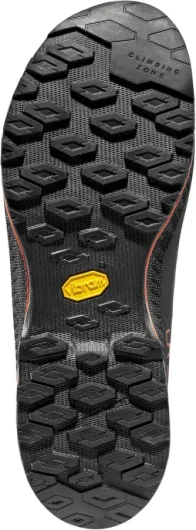
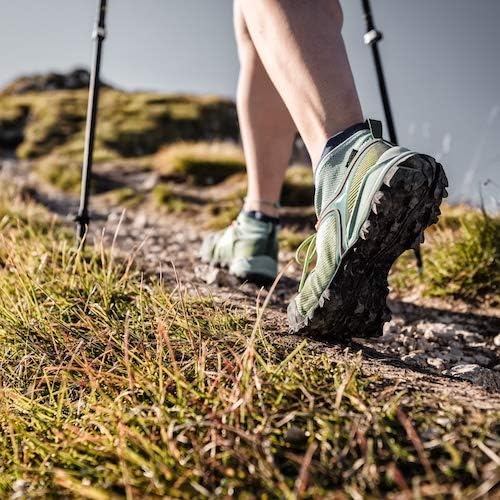
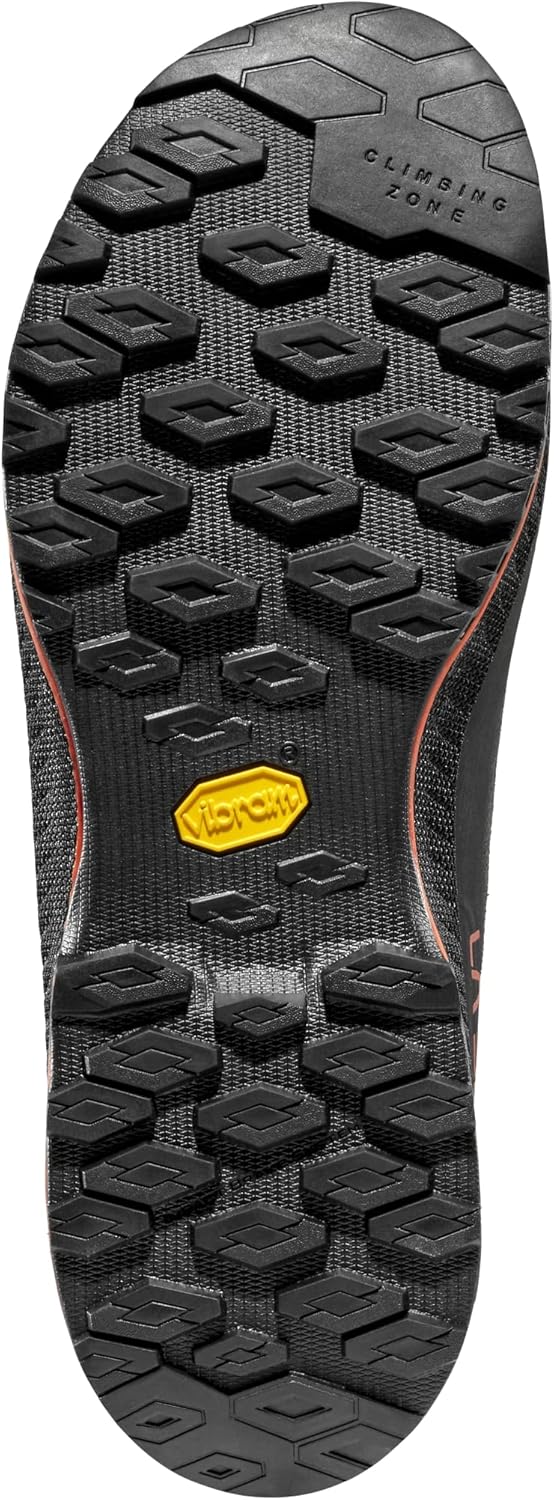
By contrast, the La Sportiva Ultra Raptor series, available as both hiking shoes and a higher cut hiking boot, focuses on edging power and grip on steep, rocky terrain. Most models sit closer to 400–450 grams per boot with a lower stack height and a pronounced heel brake, while the sticky rubber outsole and 4–5 millimeter lugs bite into loose scree and broken trail surfaces. This makes the Ultra Raptor a favorite for fast, lightweight hiking where every gram of weight matters. If you prefer a more traditional feel, the Danner Mountain series and the classic Merrell Moab boots use leather or nubuck leather uppers with supportive EVA midsoles and molded nylon shanks that balance comfort and durability.
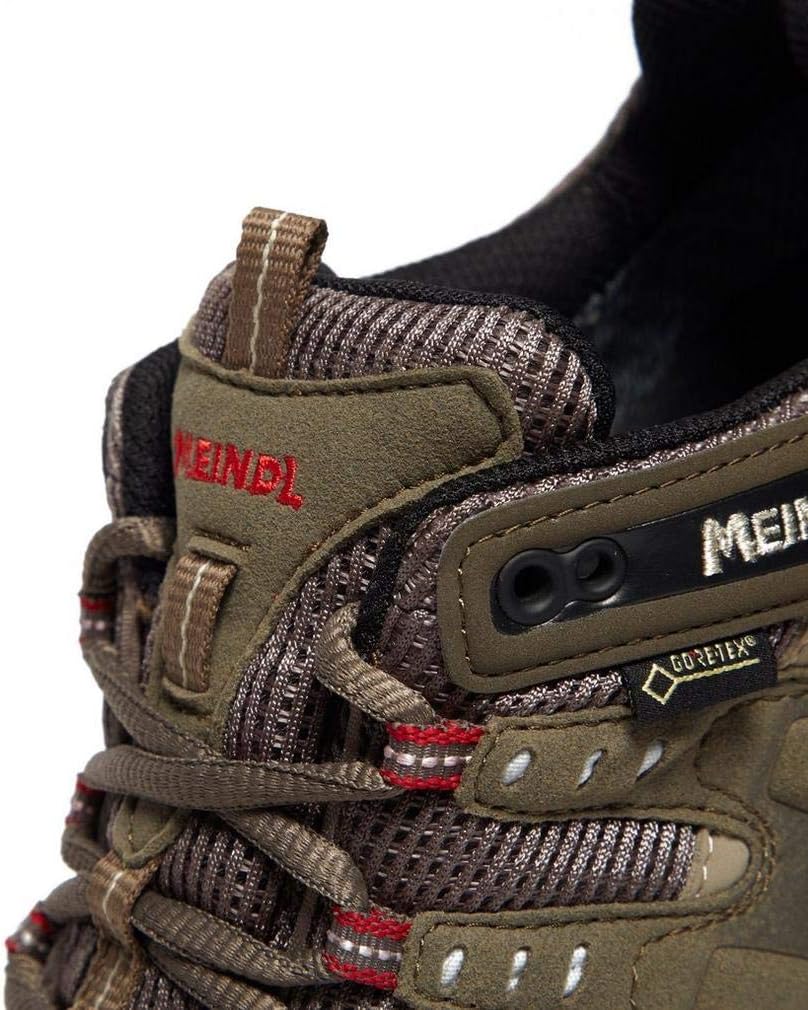
For demanding backpacking routes, the Salomon Quest and Salomon Ultra models provide strong ankle support and a chassis that resists torsion on uneven terrain. Many versions weigh in the 550–700 gram range per boot and pair a waterproof membrane with aggressive 4–5 millimeter lugs, so they handle wet rock and shallow water crossings during shoulder seasons. To understand how a premium leather hiking boot with a waterproof liner behaves in real conditions, study a detailed test of a high rise GTX hiking shoe and compare its performance to lighter synthetic options.
At-a-glance comparison
| Model family |
Typical use |
Per-boot weight* |
Support & protection |
| Hoka Kaha / Kaha GTX |
Cushioned day hikes, rocky descents |
~500–550 g |
Very high cushioning, moderate edging precision |
| La Sportiva Ultra Raptor |
Fast hiking, technical trails |
~400–450 g |
Lower stack, strong grip and edging |
| Merrell Moab / Danner Mountain |
All-round hiking, mixed rocky terrain |
~450–600 g |
Leather durability, balanced support |
| Salomon Quest / Ultra |
Backpacking, heavy loads |
~550–700 g |
High ankle support, torsion-resistant chassis |
*Approximate figures for men’s boots; exact specifications vary by size and version.
Balancing weight, comfort, and waterproof protection
Every hiker feels the trade off between boot weight and long term comfort on rocky terrain. A heavier leather hiking boot with a thick outsole and full rubber rand protects your feet from sharp stones, but that extra mass can tire your legs on long day hikes. On the other hand, a lightweight hiking shoe or mid cut boot feels agile yet may transmit more impact into your feet when the trail turns brutal.
Waterproof performance adds another layer of complexity, especially when you move between dry rock, snow patches, and shallow streams. Boots with waterproof membranes keep water out during short immersions and wet grass, but they trap more heat and can feel warmer on hot, exposed terrain. A mid waterproof design that uses partial leather with breathable panels often hits a sweet spot, offering enough waterproof hiking protection without turning your feet into a sauna.
Comfort is not just about cushioning, because fit and support shape how your feet feel after eight hours on rock. Make sure the boot holds your heel securely, gives your toes room to splay, and provides consistent support under the arch and along the midfoot. When those elements align, even a relatively high boot with substantial ankle support can feel natural and efficient on technical rocky terrain.
Choosing the right cut and support level for rocky routes
Cut height and structural support define how a boot behaves on steep, rocky terrain. Low cut hiking shoes prioritize agility and low weight, which suits fast scrambles and well built trails but exposes your ankles on loose talus. A mid cut hiking boot offers a compromise, adding some ankle support without the full bulk of a high cut mountaineering style boot.
For multi day trips with heavy packs or off trail traverses, many experienced hikers prefer high cut boots that wrap the ankle and lower shin. Models such as the Salomon Quest or certain Danner Mountain and Hoka Kaha GTX versions use stiff collars and structured heel counters to keep your feet aligned on unstable terrain. That extra support reduces the risk of inversion injuries when a rock shifts under your boot, especially late in the day when fatigue sets in.
Think carefully about your usual trail type, pack weight, and personal history of ankle issues. If you often roll your ankles or carry significant weight, a mid waterproof or high cut boot with firm ankle support will likely serve you better than minimalist hiking shoes. For winter missions or exposed ridges, you can also consult gear lists for essential cold weather footwear and protective equipment to ensure your rocky terrain boots integrate well with crampons, gaiters, and insulated layers.
Price, durability, and long term value on rocky terrain
Rocky terrain accelerates wear, so price and durability become central when choosing the best hiking boots for rocky terrain. A budget boot might look appealing on the shelf, but soft rubber compounds and thin uppers can shred quickly on sharp rock. Paying more for quality leather, reinforced toe caps, and robust stitching often saves money over several seasons of demanding hiking.
When you compare price points, consider how often you hike and how harsh your usual terrain feels underfoot. Frequent day hikes on rocky ridges, scree fields, and alpine trails justify investing in premium boots with resolable outsoles or replaceable insoles. Models like the Merrell Moab, Salomon Ultra series, and certain leather hiking boots from Danner Mountain or Hoka Kaha lines provide a good balance between initial price and long term performance.
Maintenance also influences value, because even the best hiking boot will fail early if neglected. Clean mud and fine grit from the lugs after each trip, reproof waterproof membranes when water stops beading, and condition nubuck leather or full grain leather to prevent cracking. With that care, a well chosen pair of hiking boots can handle years of rocky terrain while keeping your feet secure, supported, and ready for the next trail.
Key statistics about hiking boots and rocky terrain performance
- Industry sales reports from large outdoor retailers consistently show that hiking boots with waterproof membranes such as Gore Tex make up a substantial share of boot purchases for technical terrain, reflecting strong demand for waterproof hiking performance on rocky and mixed trails.
- Independent gear labs that compare cushioning and support regularly find that boots with firmer midsoles transmit noticeably less impact force to the feet on rocky descents than very soft, flexible hiking shoes, which helps reduce fatigue on long day hikes.
- Incident summaries from hiking clubs and guide associations frequently note that many ankle injuries on rough terrain occur when wearing low cut shoes rather than mid or high cut boots, highlighting the protective role of ankle support on unstable ground.
- Long term durability tests by specialist outdoor magazines indicate that quality nubuck leather uppers often last one or more seasons longer on abrasive rocky terrain than many lightweight synthetic fabrics, even though they usually carry a higher initial price.
- Grip evaluations on popular outsoles show that aggressive lug patterns with deeper tread provide significantly better braking control on loose gravel and scree, which is critical when descending steep rocky terrain with a heavy pack.