
Summary
Editor's rating
Value: fair price for what you get, but there are options
Design: practical more than pretty
Comfort: good out of the box, a bit warm on long days
Materials: synthetic-heavy with a modern Gore-Tex membrane
Durability: seems solid so far, but not a tank
Performance on the trail: stable, decent grip, not for hardcore terrain
What these boots are actually meant for
Pros
- Comfortable out of the box with minimal break-in
- Gore-Tex membrane keeps feet dry in wet grass, puddles and steady rain
- Light to medium weight with enough ankle support for typical hiking
Cons
- Breathability is only average and feet get warm on hotter days
- Grip is decent but not great on very wet rocks or deep mud
- Toe and overlays are not as tough as heavier-duty mountain boots

Specifications
View full product page →| Brand | Scarpa |
Mid-cut boots that try to do a bit of everything
I’ve been using the Scarpa Mens Moraine GTX (size 45 / UK 10.5) for a few weeks on mixed terrain: city walking, muddy forest paths, a couple of rocky trails with wet sections. I bought them as a general-purpose hiking boot I could use for dog walks, weekend hikes, and the occasional trip to the hills without having to baby them. So this is not a lab test, just how they behaved in real use.
The first thing to know: these are clearly built as a 3-season, mid-cut, fairly light hiking boot, not a hardcore alpine boot. They aim for comfort out of the box and decent waterproofing rather than super stiff support for heavy loads. If you’re used to trail runners, they’ll feel like a more supportive step up. If you’re used to heavy leather boots, they’ll feel pretty light and flexible.
In day-to-day use, I wore them for everything from a 20-minute dog walk on wet grass to a 15 km loop with around 500 m of elevation, mostly on muddy, rooty forest trails. I also used them in town in the rain to see how they felt on pavement and wet slabs. That gave me a decent idea of comfort, grip, and how they breathe when you keep them on all day.
Overall, I’d say they’re pretty solid but not mind-blowing. There are things I liked a lot, like the comfort out of the box and the waterproofing, and a few things that bugged me, mainly around breathability and the feel of the sole on hard ground. I’ll break that down in the other sections so you can see if they fit what you need.
Value: fair price for what you get, but there are options
In terms of value, these sit in the mid-range hiking boot category. You’re paying for a known brand, a proper Gore-Tex membrane, and some features like the RECCO reflector. For that money, I’d expect decent comfort, real waterproofing, and materials that don’t fall apart after one season. From what I’ve seen so far, they mostly deliver on that.
Compared to cheaper no-name boots I’ve tried, the Moraine GTX feels more refined in terms of fit and finishing. The stitching is cleaner, the sole feels more trustworthy, and the waterproofing actually works instead of just being “water-resistant” in marketing talk. On the other hand, compared to some boots from big outdoor brands in the same price bracket, they don’t really stand out. The grip is fine but not outstanding, and breathability is just okay. So you’re not getting a bargain, but you’re also not getting ripped off.
Where they make sense is if you want one boot that can handle a bit of everything: dog walks, weekend hikes, rainy city days, and some moderate mountain trails. In that use case, it’s easier to justify the price because you’re actually using them a lot. If you only go hiking twice a year, a cheaper pair might be enough. If you’re a heavy user doing long-distance treks or technical stuff, you might want to invest a bit more in something stiffer or with a more aggressive outsole.
Overall, I’d call the value good but not spectacular. You get a reliable, comfortable, waterproof boot from a serious manufacturer. There are better bargains out there if you hunt for sales or go for less known models, but if you want something straightforward and proven, these sit in a reasonable spot on the price/quality curve.
Design: practical more than pretty
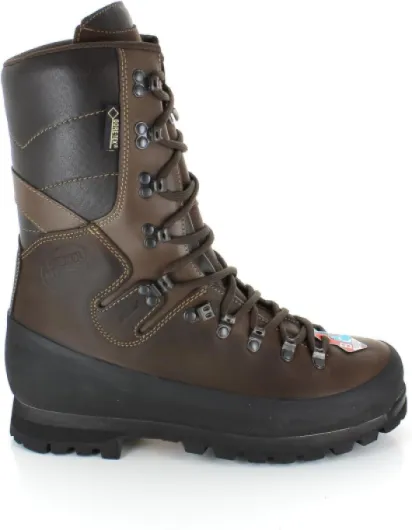
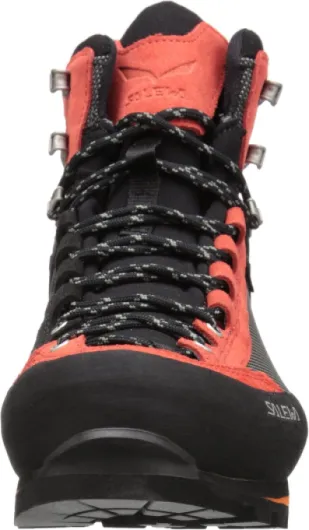
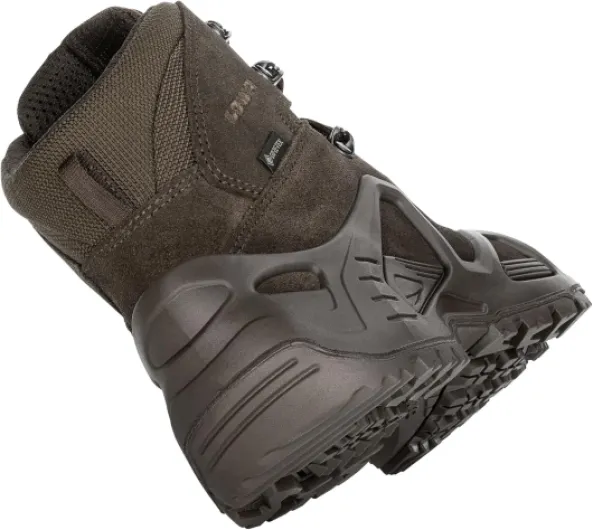
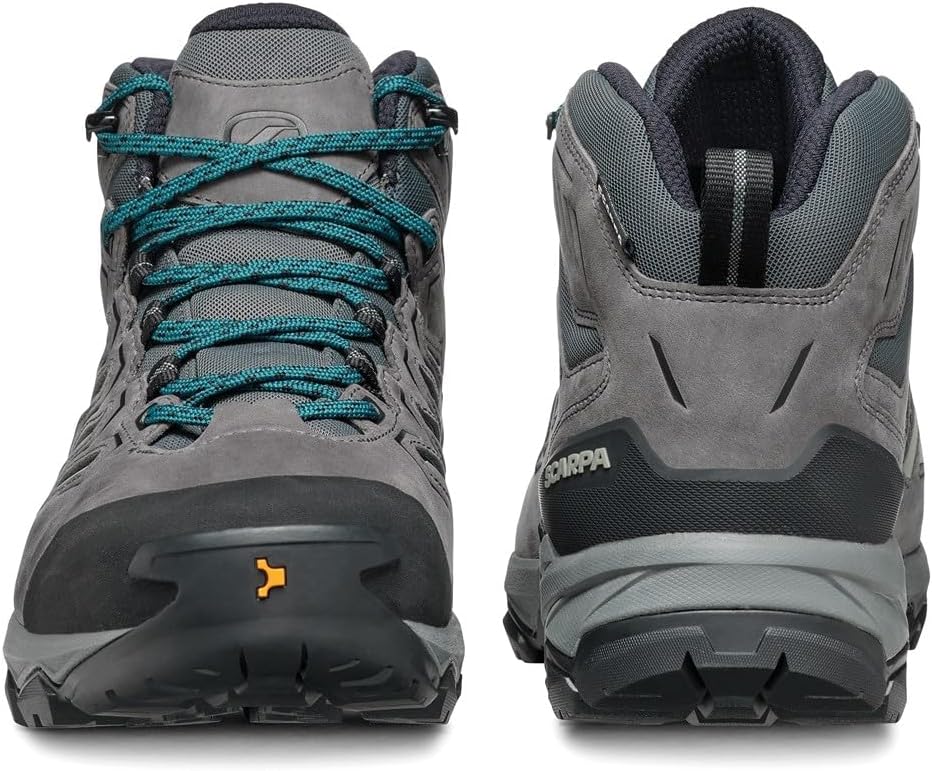
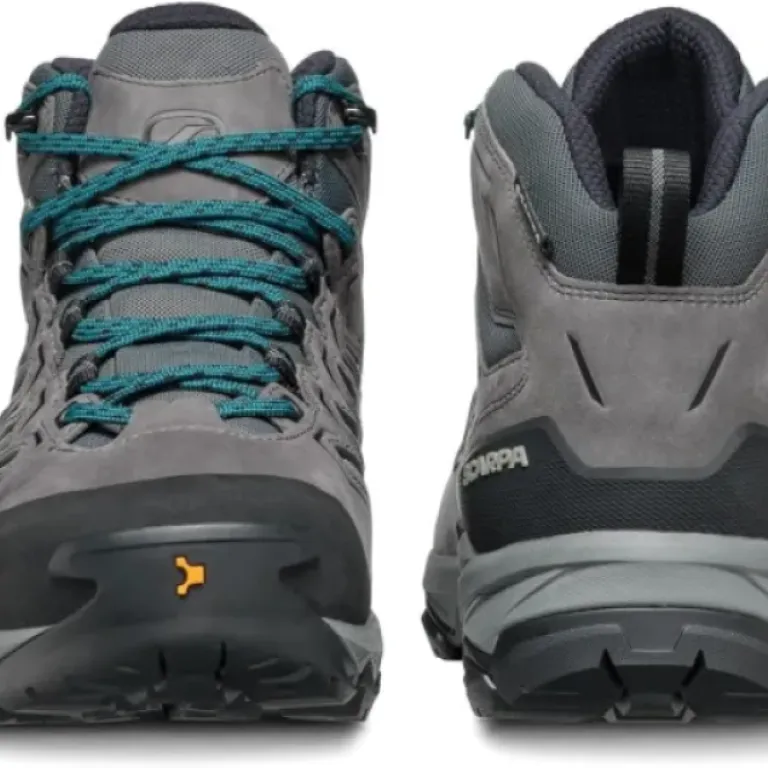
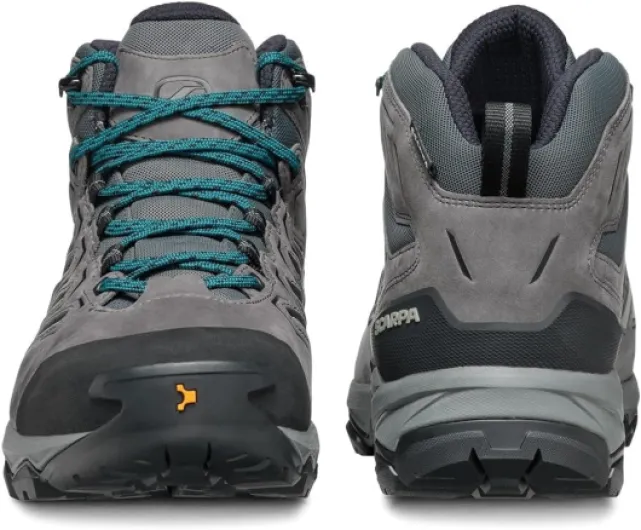
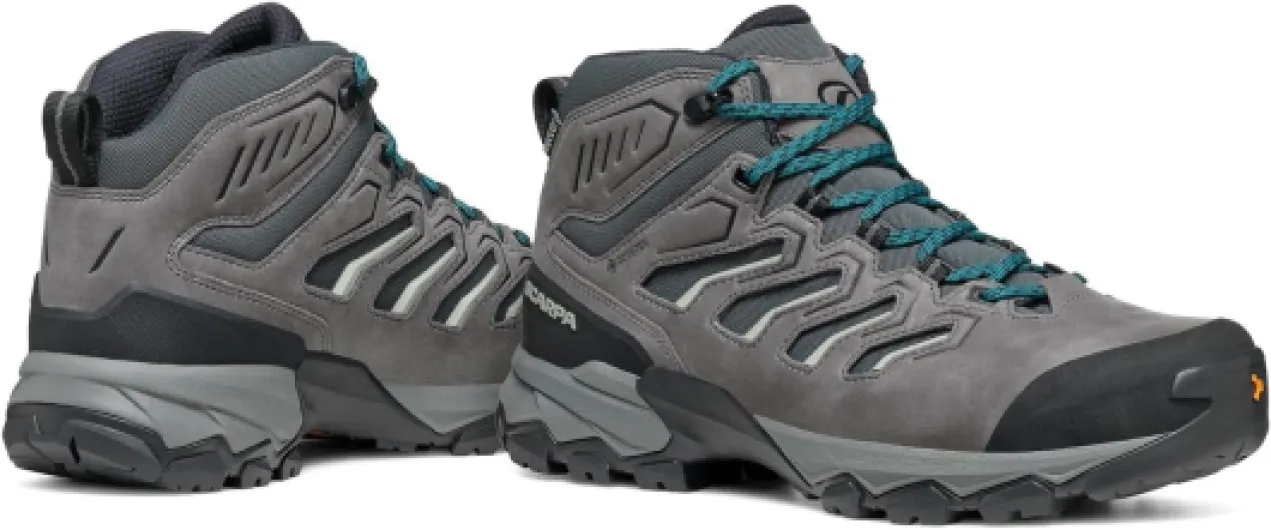
Design-wise, these boots look like what they are: functional mid-cut hikers. The pair I tested is the anthracite/grey style. It’s fairly neutral, nothing flashy, with some small patterning and mesh panels. You’re not going to turn heads with them, but that’s fine for me. I’d describe the look as “standard hiking shop shelf”, which is good if you want something that doesn’t scream neon trail runner.
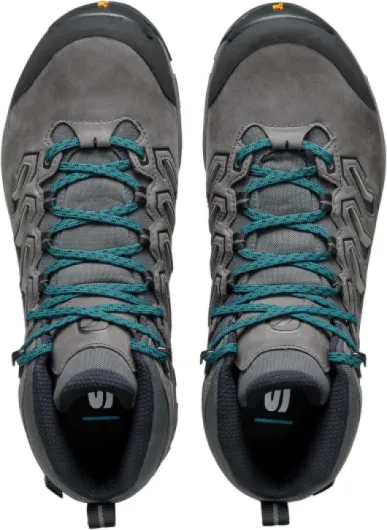
The lacing system is straightforward: classic eyelets all the way up, no fancy locking hooks. The upside is that it’s simple and easy to replace if needed. The downside is that fine-tuning tension around the ankle isn’t as precise as with speed hooks. I found I had to stop a couple of times on the first hike to adjust the laces until I found the sweet spot where my heel didn’t slip but my instep wasn’t crushed.
The tongue is gusseted, so water and grit don’t easily get in, and it has enough padding that it doesn’t dig into the front of the ankle even when you really tighten the laces. Around the collar, the padding is generous and fairly soft, which helps with comfort, but it also adds a bit of bulk. If you want a very slim, low-profile boot, this isn’t it. It feels more like a comfort-first design than a minimalist one.
One thing I did notice is that the toe protection is moderate. There is a rubberized toe cap, but it’s not as beefy as some more technical boots. It protects against small stubs on rocks and roots, but if you’re clumsy and constantly smashing your toes on boulders, you might want something tougher. Overall, the design choices make sense for light to moderate hiking: sensible, practical, not stylish in a city-fashion way, but they don’t look cheap either.
Comfort: good out of the box, a bit warm on long days
Comfort was one of the main reasons I tried these, and on that front, they’re pretty solid. Out of the box, there was almost no break-in. On the first 10 km hike, I didn’t get any blisters or serious hot spots, which is already a win. The upper is flexible enough that you don’t feel like you’re fighting the boot with every step, and the ankle padding is soft. Heel hold was decent once I dialed in the lacing; I didn’t feel my foot sliding forward on descents.
The fit in size 45 / UK 10.5 felt true to size for me. I have average-width feet with slightly wide forefoot, and I had enough room in the toe box for my toes to spread and not hit the front on downhill sections. If you have very wide feet, you might find them a bit snug, but they’re not ultra narrow like some mountain boots. I wore them with medium-thick hiking socks and didn’t feel cramped.
Underfoot cushioning from the EVA sole is comfortable for medium-length hikes (10–15 km). On mixed dirt and rocky trails, my feet felt supported without feeling like I was walking on concrete. However, after a full day mostly on hard pavement, I did start to feel some fatigue in the balls of my feet. The sole is somewhere in the middle: not as plush as a trail runner, not as firm as a heavy-duty boot. For typical weekend hiking, that balance works okay.
The main downside in comfort is heat build-up. With the Gore-Tex membrane and mesh, breathability is average at best. On cooler days (below ~15°C), no problem. On a warmer day around 20–22°C with some climbing, my feet got pretty warm and a bit sweaty, even with decent socks. Not a disaster, but if you overheat easily or plan to use these in hot summer conditions, you’ll notice it. For spring, autumn, and mild summer days, they’re fine; for hot climates, I’d go with something lighter and non-Gore-Tex.
Materials: synthetic-heavy with a modern Gore-Tex membrane
The upper is a mix of synthetic material and nubuck-style panels, plus a mesh lining. On the box and listing it’s described as nubuck and mesh with synthetic outer. In hand, it definitely feels more synthetic than classic thick leather. That’s not necessarily bad: it helps keep the weight down and usually dries faster than full leather. But if you like that old-school, all-leather tank feeling, this isn’t that type of boot.
The GORE-TEX ePE membrane is the main technical material here. In practice, it did what it’s supposed to do: I walked through wet grass, shallow puddles, and an hour in steady drizzle, and my feet stayed dry. I also stood for a few minutes in water just over the sole line, and nothing came through. So in terms of waterproofing, it behaves like a proper Gore-Tex boot. Breathability is another story, but I’ll get to that in the comfort section.
The midsole is EVA (Ethylene Vinyl Acetate), which is standard for hiking shoes and many running shoes. It’s there for cushioning and shock absorption, and it does give a bit of bounce and comfort underfoot. The outsole rubber feels decent – not super sticky like some premium compounds, but it doesn’t feel plasticky either. On wet pavement and rocks, it gripped reasonably well, with only a couple of small slips when I stepped on smooth, mossy stones, which is pretty normal.
Inside, the mesh lining is soft and hasn’t caused any rubbing so far. The insole is basic but not terrible. I did end up swapping it for my own insoles after a few longer hikes, but that’s something I usually do with most boots anyway. Overall, the materials feel good enough for the price range: not ultra-premium, not cheapo discount-store level. They give the boot a practical, slightly technical feel without going overboard.
Durability: seems solid so far, but not a tank
I haven’t had these for months and months, so I can’t pretend to give a long-term verdict, but after several weeks of regular use, some patterns are already visible. The upper is holding up well: no stitching coming loose, no obvious delamination, and the surface scuffs are minor and cosmetic. Synthetic-heavy uppers usually age a bit differently than full leather – they don’t develop that worn leather look, but they also don’t crack as easily if you neglect them. So far, they’re in good shape after mud, rain, and some scraping against rocks.
The sole wear is reasonable. I checked the lugs after each longer outing, and there’s only light rounding on the most used parts, which is normal. The EVA midsole hasn’t compressed noticeably yet, and the boot hasn’t gone floppy. If you mostly do weekend hikes and casual walks, I’d expect these to last a good couple of seasons at least. If you’re wearing them daily on concrete and doing lots of miles, the outsole will obviously go faster.
One thing I’m slightly cautious about is the toe bumper and side overlays. They’re not super thick, and if you constantly drag your toes or rub the sides on sharp rocks, I could see them wearing through sooner than on a heavy-duty boot. That said, this is in line with what the boot is designed for: regular hiking, not constant scrambling on scree.
In short, durability feels decent but not bombproof. For a typical user who hikes on weekends, uses them for dog walks, and does a few trips a year, they should hold up fine if you rinse off mud and let them dry properly. If you’re the type to abuse gear daily in harsh conditions, you might want something more overbuilt with thicker leather and a chunkier sole.
Performance on the trail: stable, decent grip, not for hardcore terrain
On actual trails, the Moraine GTX behaves like a reliable mid-level hiking boot. The mid-cut design gives a bit of ankle support, mainly in terms of confidence when stepping on uneven ground or side slopes. It’s not a rigid brace, but it does help avoid that wobbly feeling you get with very low shoes. I did a couple of steep, rooty sections with loose dirt, and the boots felt stable enough that I wasn’t constantly thinking about my ankles.
The grip is decent. On dry dirt, gravel, and standard forest paths, no issues at all. On wet roots and rocks, it’s okay but not outstanding. I had a couple of small slips when I wasn’t paying attention, but nothing scary. The lugs are not super aggressive, so in deep mud they clog up a bit, and you lose traction faster than with a proper mud-oriented sole. For mixed countryside and moderate mountain trails, they’re fine; for very muddy winter fields or steep, wet rocky routes, I’d want something grippier.
Waterproofing performance was good. I walked through soaked grass where your trousers get wet up to the knee, and my feet stayed dry. Same with shallow puddles and light stream crossings where the water stayed below the laces. I didn’t feel any seepage around the flex points, which is often where cheap membranes fail. After a few hours in damp conditions, the outside was soaked but the inside was still dry, so the Gore-Tex part is doing its job.
As for fatigue over distance, the ergonomic shape and moderate flexibility help. I didn’t have that heavy-boot drag feeling even at the end of a longer hike. But if you’re carrying a big, heavy backpack or doing very rocky, technical routes, you might find the sole a bit too soft and the upper not supportive enough. These feel tuned for light to medium-duty hiking rather than serious mountaineering or long-distance thru-hiking with 20+ kg on your back.
What these boots are actually meant for
On paper, the Moraine Mid GTX is sold as a 3-season, mid-cut hiking boot for both beginners and more experienced hikers. The official blurb talks about instant comfort, ankle support, and waterproof protection. That matches what you see and feel when you unbox them: mid-height around the ankle, not too bulky, with a mix of synthetic and nubuck-style panels and a fairly cushioned midsole made of EVA.
They use a GORE-TEX ePE membrane, which is the newer, more eco-focused version of Gore-Tex, and they make a point about it being PFC-free and Bluesign approved. That’s nice if you care about that kind of thing, but in daily use what matters is simple: do your feet stay dry and do they overheat or not. There’s also a RECCO reflector built in, which is basically a passive chip that can help rescuers locate you if they have the right equipment. That’s more relevant in mountains than on Sunday walks in the park, but it’s there.
The boot height is clearly in the ankle-high / mid-cut category. You get some ankle coverage and a bit of support, but it’s not a stiff boot. I could easily drive in them and move my ankle around without feeling locked in. Weight-wise, around 1.08 kg for the pair in this size puts them in the “light hiking boot” zone. You notice them on your feet, but they’re not bricks. For day hikes and light backpacking, that’s perfectly fine.
In short, the Moraine Mid GTX is built as a generalist: short hikes, dog walks, countryside paths, light mountain trails in 3 seasons. If you’re planning winter mountaineering or carrying a very heavy pack for multi-day treks, I’d look at something beefier. But for regular weekend use and travel where you might hit some trails, this category of boot makes sense.
Pros
- Comfortable out of the box with minimal break-in
- Gore-Tex membrane keeps feet dry in wet grass, puddles and steady rain
- Light to medium weight with enough ankle support for typical hiking
Cons
- Breathability is only average and feet get warm on hotter days
- Grip is decent but not great on very wet rocks or deep mud
- Toe and overlays are not as tough as heavier-duty mountain boots
Conclusion
Editor's rating
The Scarpa Mens Moraine GTX Hiking Boots are solid mid-cut hikers for people who want one pair to cover most 3-season outings. They’re comfortable almost straight out of the box, properly waterproof, and light enough that you don’t feel like you’re dragging your feet after a few hours. Grip and support are good enough for typical forest trails, hills, and countryside walks, but they’re not designed for extreme terrain or heavy expedition loads.
The main trade-offs are average breathability and mid-level grip. On warm days your feet can get a bit hot, and on very wet, slippery rock or deep mud, the outsole shows its limits. Durability looks decent for normal use, but this isn’t a bombproof mountaineering boot. For the price, you get fair value: a trustworthy, no-fuss boot from a serious brand that does the job for regular hikers and dog walkers who go out in mixed weather.
If you want a comfortable, waterproof boot for weekend hikes, travel, and everyday outdoor use, these are a good fit. If you mostly hike in hot climates, do very technical routes, or carry heavy loads for days, I’d look for something more specialized or more breathable. They’re decent all-rounders rather than specialist tools, and that’s exactly how they feel on your feet.