
Summary
Editor's rating
Value: not cheap, but fair if you actually use them properly
Design focused on control, not on looking pretty
Comfort: stiff but surprisingly kind to your feet
Sturdy build and Gore‑Tex, with a few long-term doubts
Built tough, but waterproofing may not last forever
On the trail: where these boots actually shine
What you actually get out of the box
Pros
- Very secure fit with strong heel and ankle hold, good for technical and steep terrain
- Stiff, protective sole and 360° rubber rand handle rocks, scree and scrambling well
- Comfortable out of the box for a stiff boot, with low blister risk and good support under load
Cons
- Heavy and quite stiff, overkill and less comfortable on easy, flat trails
- Breathability is limited and long-term Gore‑Tex waterproofing may degrade with heavy use

Specifications
View full product page →| Brand | Salewa |
Serious boots for when paths stop being paths
I’ve been using the Salewa Mountain Trainer Mid Gore-Tex (in that Bergrot Holland red) as my main hiking boots for a while now. I bought them as a step up from my usual softer hiking shoes, because I wanted something more secure for rocky ridges, via ferrata style routes and wet UK conditions. I’m not sponsored, I paid for them, and I’m pretty picky with boots because I blister easily and hate sloppy ankle support.
First thing: these are not casual walking boots. They feel like proper mountain footwear. The sole is stiff, the upper is quite structured, and on the first try-on you immediately feel that you’re in a “real” boot, not a comfy trainer with lugs. If you’re expecting slipper-like comfort, you’ll be disappointed; if you want something that locks your foot in and feels safe on rough ground, they make sense.
I’ve taken them on mixed stuff: muddy forest tracks, rocky scrambles, wet grassy slopes, and some easy winter conditions with slushy snow. No alpine expeditions, but enough to see how they behave when things get steep and messy. I also used them for a few long days (20+ km) with a medium pack to see if the stiffness becomes annoying over distance.
Overall, they feel like a boot designed by people who actually go into the mountains. They’re not perfect and there are a couple of annoyances (mainly weight, heat and long-term waterproofing doubts), but if you’re moving from basic hiking shoes to something more serious, these sit in a pretty solid middle ground.
Value: not cheap, but fair if you actually use them properly
In terms of value for money, these sit in the “serious investment” category rather than budget gear. They’re usually priced in line with other technical mid-height mountain boots from big brands. If you’re only doing a couple of easy hikes per year, I’d say they’re overkill and not worth the cost. You’d be paying for stiffness, crampon compatibility and heavy-duty materials you’ll barely use.
Where they start to make sense is if you regularly hike on rough, rocky ground, or you’re getting into more technical stuff like scrambling, via ferrata, or winter walking. Compared to softer, cheaper hiking boots, you’re getting: a stiffer and more protective sole, better heel lock, a full rubber rand, and a build that can handle a lot more abuse. If you actually put them through that, the price is easier to swallow, because they keep your feet safer and more stable.
On the downside, they’re not perfect. Breathability is only average, and the long-term waterproofing of Gore‑Tex is always a bit of a gamble. Also, if you end up mostly walking on flat, easy terrain, you’ll feel like you paid for features you don’t need and you’re just carrying extra weight on your feet. In that case, a lighter, cheaper pair of boots or even trail shoes would be a better use of your money.
So for value I’d call them pretty solid, but conditional. If your hikes include rocky ridges, rough paths, and wet conditions, and you want one boot that can also step into winter mountaineering territory, then the price is justified. If your reality is more like local parks, forest tracks and summer holidays, you’re better off saving your cash and going for something simpler and lighter.
Design focused on control, not on looking pretty
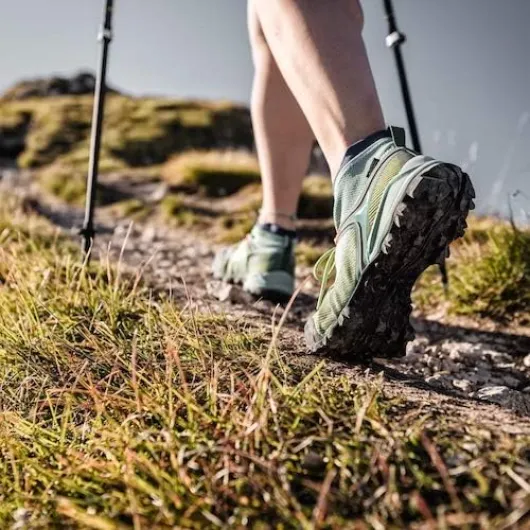
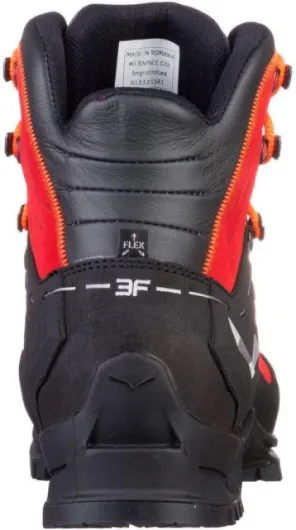
The design is clearly oriented towards technical terrain. The boot is mid-height, with a fairly high and structured ankle area. The Flex Collar at the back gives a bit more rearward movement, which you really notice when descending with long strides – your Achilles doesn’t feel blocked like on some very rigid mountaineering boots. The front lacing goes nice and low, almost to the toes, so you can adjust forefoot tightness quite precisely. I like that a lot: I can crank them down for scrambling, then loosen the forefoot a touch for long flat sections.
Salewa’s 3F system is basically a set of cables linking the lacing to the heel. It’s not marketing fluff; you can actually feel the heel getting locked in when you tighten the upper hooks. On sidehills and awkward traverses, my heel stayed planted, which is usually where I start to feel rubbing with other boots. Combined with the relatively narrow midfoot, the boot gives a very “planted” feeling when you edge on small rock ledges.
The outsole on my pair is a Vibram WTC style, with aggressive lugs and a pronounced heel brake. The lugs are spaced enough that mud doesn’t cake too badly, but this is still a mountain sole, not a trail-running one. On wet rock, they’re decent but not magic – you still have to watch your steps, but I didn’t feel any random slipping. On loose gravel and scree, the heel bite is good when you dig in on descents, and the front feels secure when you’re stepping up on small holds.
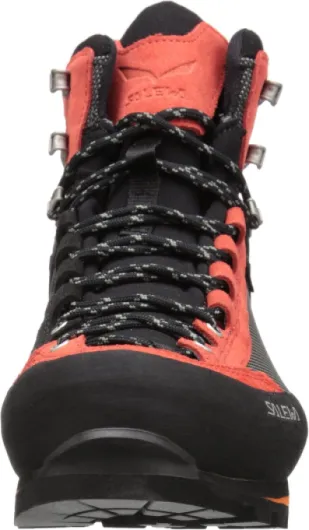
Visually, the big rubber rand and the solid toe bumper are what stand out. They’re not subtle, but in practice they save the upper from getting shredded. I’ve scraped mine over sharp rocks, ledges and via ferrata-style ladders, and so far it’s just cosmetic scuffing. If you’re the sort of person who kicks steps in snow or bangs your toes into rocks all the time, this design choice makes sense. Just don’t expect a sleek, city-friendly boot; these look like they belong in the hills, which is exactly what they’re built for.
Comfort: stiff but surprisingly kind to your feet
Comfort is where I was actually impressed. I usually need a long break-in period and I blister easily on heels and little toes. With these, I did a couple of short walks (around the block and a local park), then went straight into a 20 km day with some rocky sections. No blisters, no hot spots. That’s rare for me. The heel cup holds the foot firmly, and with the lacing dialled in, there’s very little internal movement, which is the main reason blisters start.
That said, don’t confuse “no blisters” with “soft and plush.” The sole is stiff, and you feel that from step one. On steep terrain, that stiffness is great: your foot doesn’t bend awkwardly on edges, and you can stand on small rock nubs without your arch screaming. On flat paths or roads, after a few kilometres you start to notice that the boot isn’t flexing much, so your foot has to do a slightly different motion. I’d call it comfortable in a technical way, not in a slippers-on-the-sofa way.
The ankle area and Flex Collar are well padded without being spongy. When descending, I had enough backward movement not to feel blocked, but at the same time, side support remained strong. I didn’t feel my ankles rolling even on loose, uneven ground. Toe box volume is decent: not huge, but there’s enough room for my toes to spread a bit and not get smashed on descents. Going half a size up from my street shoes was the right move; I’d strongly suggest that for most people, especially if you use thicker hiking socks.
Ventilation is the weak point. On cool days and in autumn/winter, no problem – they feel snug and warm. On a warmer spring day, after 5–6 hours, my socks were noticeably damp from sweat, even though the outside conditions weren’t crazy hot. That’s the price you pay for full Gore‑Tex plus rubber rand. If you mainly do summer hikes in dry regions, these will feel overkill and a bit sweaty. For UK-style weather, wet forests, and shoulder season mountain trips, the comfort level makes more sense.
Sturdy build and Gore‑Tex, with a few long-term doubts
Material-wise, these boots mix synthetic fabric, nubuck leather (around 1.8 mm according to the specs) and a full rubber rand. Inside you get a Gore‑Tex Performance Comfort lining, plus a fairly stiff insole made of polyamide with fibreglass reinforcement, sitting on a Bilight midsole. Translation: the whole structure is built to be supportive and quite rigid, not soft and squishy like a casual hiking shoe.
The upper feels tough in the hand. The leather panels take scuffs well, and the rubber rand completely wraps the lower part of the boot, so rocks and crampon bails don’t chew straight into the leather. After several rocky outings, mine only show light cosmetic marks. Stitching looks clean and there are no obvious weak points on the main stress zones. The lace hooks and eyelets are metal and feel solid; I’ve had cheaper boots where the top hooks bent or snapped – nothing like that here so far.
About the Gore‑Tex: out of the box, waterproofing is good. I’ve walked through wet grass, shallow streams, boggy sections and slushy snow, and my feet stayed dry. Breathability is average for a full Gore‑Tex boot with lots of rubber; they run warm, especially in summer or fast hiking. If you mostly hike in hot, dry conditions, I’d look for something lighter and more ventilated. Also, based on other users and my experience with Gore‑Tex boots in general, I’m not expecting the waterproofing to be perfect forever. Heavy users report the lining giving up after a year or two of regular use, which is pretty standard but still a bit annoying at this price.
The midsole cushioning is on the firm side. There’s PU cushioning and an Ortholite-type footbed, but don’t expect a bouncy running shoe feel. The good side is that you don’t bottom out when stepping on sharp rocks, even with a heavy pack. The downside is that on flat, hard tracks you feel like you’re walking in a mountain boot, not sneakers. Overall, materials feel honest: built for rough terrain and long days, but with the usual Gore‑Tex trade-offs in breathability and long-term reliability.
Built tough, but waterproofing may not last forever
On durability, my experience so far is positive, with one caveat. The outer materials – nubuck, synthetic panels, and the full rubber rand – are holding up really well. I’ve scraped them against rocks, jammed my feet into cracks while scrambling, and walked through abrasive scree. The rand is scratched, but nothing is peeling or splitting. The leather hasn’t shown any deep cuts, just surface marks. Compared to lighter fabric boots I’ve owned, these clearly handle abuse better.
The sole wear is reasonable. After several trips with a mix of rock, mud and some road sections, the lugs are still sharp and not rounded off. That’s important if you expect to use them for via ferrata or steeper mountain routes, where edge grip matters. I don’t see myself wearing through the outsole quickly unless I start using them as everyday shoes on tarmac, which would be a waste of what they’re built for.
The main question mark is the Gore‑Tex lining over time. Mine are still fully waterproof, but other users mention that with heavy, regular use, the waterproofing can fail after a year or so. That’s honestly pretty common with most Gore‑Tex boots, not just Salewa. If you hike a lot (like several long hikes a month, in all weather), I’d mentally plan on these lasting a couple of seasons of hard use before the waterproofing becomes hit or miss. The rest of the boot will likely still be structurally fine.
So overall: structurally and mechanically, they feel durable and ready for rough treatment. The rand, leather and stitching inspire confidence. Just don’t expect them to stay perfectly waterproof forever if you’re constantly in wet conditions. For occasional or moderate use, I think they’ll last years. For heavy, weekly mountain abuse, you’ll probably wear out the lining before you destroy the outer shell.
On the trail: where these boots actually shine
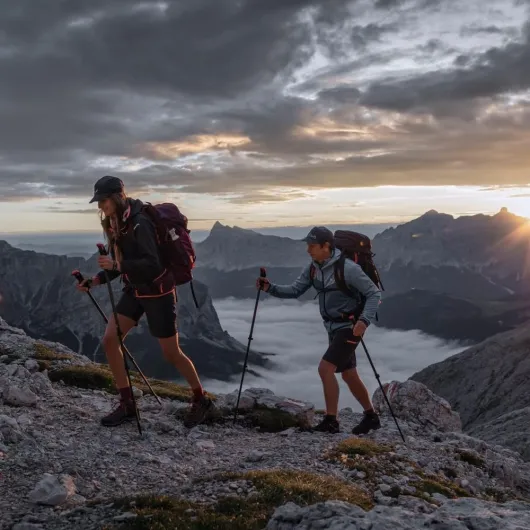
Performance-wise, this is where the Mountain Trainer Mid GTX earns its keep. On rocky and technical ground, they feel very secure. The stiff sole and precise fit mean you can edge on small rocks, step confidently on uneven boulders, and scramble without feeling your foot sliding inside the boot. I did a day of boulder hopping and easy scrambling, and never once felt like the boot was about to fold or twist under me. If you’re coming from floppy, soft hiking shoes, the extra control is very noticeable.
The grip from the Vibram outsole is solid. On dry rock, it bites well. On wet grass and mud, the lugs dig in decently, though like any boot, if it’s thick clay, you’re going to slip at some point. On compact wet rock, you still have to be careful, but I didn’t have any nasty surprises. The pronounced heel brake helps a lot on steep descents; you can dig your heel in and trust it. I also like that the sole isn’t a complete plank – it’s stiff, but there’s just enough give at the forefoot to walk without feeling like you’re in full alpine boots.
For long distances with a pack, they do a good job of protecting your feet. I’ve done 20+ km days with 10–12 kg on my back, and while my legs were tired, my feet weren’t beaten up. No bruising from rocks, no sore arches. The ankle support and 3F system keep everything aligned, so on sidehills and sketchy traverses, I felt more relaxed than in softer boots. I haven’t used them with semi-automatic crampons yet, but the stiffness feels compatible with that use for easy winter mountaineering or glacier walks.
Where they’re less fun is on long, flat, easy trails or city approaches. There, the stiffness and weight feel like overkill. You can do it, of course, but if your usual hikes are well-maintained paths with little elevation change, you’re dragging more boot than you need. For mixed UK terrain, including rocky ridges, bog, and some winter use, they’re in their element. For gentle Sunday strolls, they’re frankly too much boot.
What you actually get out of the box
Out of the box, the Mountain Trainer Mid GTX looks and feels like a premium, technical boot. In the box you get the boots, the usual paper stuffing, and two sets of insoles: a "medium" fit that comes installed and a "narrow" fit option. That’s actually useful, not a gimmick. I tried both around the house and ended up keeping the medium ones, even though my feet are on the wider side. It’s a neat way to fine-tune the volume without messing with thick socks.
Weight-wise, they’re not light. One shoe is roughly 740 g, and you feel that in your hand and on your feet. Compared to my lighter fabric hiking boots, they’re a different category. Once you start walking, the weight is less noticeable because the boot is well balanced, but if you’re used to trail runners, you’ll definitely think, “ok, I’m wearing real boots today.” On the other hand, that heft does translate into a solid, protective feel when you kick into scree or catch your toe on rocks.
The model I have is the Bergrot Holland colour, which is basically a red upper with dark accents. It’s a bit flashy, but I actually like it. It looks technical without being ridiculous. You get a 360° rubber rand around the lower part of the boot, which is great for abrasion and also helps when smearing on rock. The overall look is more “alpine approach” than “Sunday dog walk.” If you want something that passes as casual footwear, this isn’t it.
From a sizing point of view, I went half a size up from my normal shoes, like I usually do for hiking boots. That worked well. Toe room is good for descents, and the heel is held tight with no lift. If you have very wide feet, I’d be careful and probably order two sizes to test, because the last leans slightly towards the narrow side. But with the extra insole options, there’s a bit of tuning you can do before giving up.
Pros
- Very secure fit with strong heel and ankle hold, good for technical and steep terrain
- Stiff, protective sole and 360° rubber rand handle rocks, scree and scrambling well
- Comfortable out of the box for a stiff boot, with low blister risk and good support under load
Cons
- Heavy and quite stiff, overkill and less comfortable on easy, flat trails
- Breathability is limited and long-term Gore‑Tex waterproofing may degrade with heavy use
Conclusion
Editor's rating
For me, the Salewa Mountain Trainer Mid Gore‑Tex is a solid choice if you’re serious about rough terrain and want a boot that feels secure and precise. The main strengths are the stiff, protective sole, the very good heel and ankle hold, and the tough upper with the full rubber rand. Straight out of the box, they were comfortable in a technical sense: no blisters, no heel lift, and a very locked-in feel on awkward ground. On rocky trails, scrambles and steep descents, they give you confidence and keep your feet from getting battered.
They’re not perfect, though. They’re relatively heavy and quite stiff, so on long, easy paths or flat approaches, they feel like more boot than you really need. Breathability is average at best, and like most Gore‑Tex boots, the long-term waterproofing may fade if you hike a lot in wet conditions. If your use is mostly gentle hikes in warm weather, these are overkill and not great value.
I’d say they’re best suited for hikers who: do regular trips in the mountains, want one boot that can handle rocky terrain and some winter use, and don’t mind a bit of extra weight in exchange for support and durability. People who should probably skip them: casual walkers, anyone who hikes mainly on easy trails, and those who prefer very light, flexible footwear. If you’re in that first group, though, these boots get the job done and feel trustworthy when the terrain gets serious.