
Summary
Editor's rating
Value: good deal if you really need this level of boot
Design: loud colour, smart lacing, clearly mountain-focused
Comfort: great heel hold, harsh underfoot on long days
Materials: synthetic tank with Gore-Tex and a stiff sole
Durability: built to take abuse, not to feel soft
Performance: strong in rough terrain, overkill on easy trails
What kind of boot this really is (and isn’t)
Pros
- Very good ankle support and heel hold with effective lacing system
- Gore-Tex lining and synthetic upper provide reliable waterproofing in wet and snowy conditions
- Stiff sole with crampon compatibility and full rubber rand makes them suitable for light mountaineering and rough rocky terrain
Cons
- Heavy and stiff, tiring on long easy trails and overkill for casual hiking
- Limited underfoot cushioning; feet can feel battered after long days unless you upgrade the insoles
- Not warm enough for extreme cold despite being marketed as a tough mountain boot

Specifications
View full product page →| Brand | Salewa |
Serious boots for when the trail stops being friendly
I’ve been using the Salewa Crow Gore-Tex men’s boots (size 9 UK, Cactus Sulphur Spring) for mixed stuff: rocky Alpine-style routes, winter hikes with crampons, and a couple of long wet days in the hills. These are not casual hiking shoes – they’re closer to light mountaineering boots with all the pros and cons that come with that. If you’re used to soft trail shoes, these will feel like bricks at first.
My usual size is 8.5–9 UK in everyday trainers. With these I went with 9 UK and they fit snug with a medium hiking sock. For multi-day trips or thick winter socks, I’d probably size up half a size like some Amazon reviewers did (one guy went up to 11 and was happy). The fit is quite precise in the forefoot and solid around the heel, which is good for edging and crampon use, but not as forgiving as a wide hiking boot.
I’ve had them in proper Scottish-style misery: wet snow, slush, bogs, stream crossings, plus some dry rocky ridges. So I’ve had enough time to see their main strengths: waterproofing, ankle support, crampon compatibility and grip on rock. And also their weaknesses: weight, stiffness, and limited underfoot cushioning. If you’re expecting a comfy trainer-like feel, you’ll be disappointed pretty fast.
In short, these boots make sense if your trips involve scree, snow, easy mountaineering and maybe semi-automatic crampons. For gentle forest walks or city use, they’re overkill and a bit punishing. I’ll break all that down in the next sections, but that’s the overall picture after actually living in them for a bunch of long days out.
Value: good deal if you really need this level of boot
Price-wise, the Salewa Crow GTX usually sits in the mid to upper range for serious hiking/mountaineering boots, but often gets discounted. Given the build quality, Gore-Tex lining, crampon compatibility and overall durability, I’d say the value is good if you actually use the features. A couple of Amazon reviewers mention "great value for money" and I tend to agree, but only in the right context.
If your typical outing is a 2–3 hour walk on marked trails in decent weather, this is overkill and not great value. You’re paying for stiffness, crampon use and rock protection that you won’t use, and you’re sacrificing comfort and lightness. In that case, a lighter trekking boot or even a sturdy trail shoe will feel better and cost less. You’ll also avoid lugging 600+ grams per foot for no real reason.
If, however, your weekends involve scrambling, scree, snow patches, via ferrata, Scottish winter days or multi-day alpine treks, then the balance shifts. You get a boot that can handle semi-automatic crampons, protect your ankles, and survive rock abuse without falling apart. Spread over several seasons of real mountain use, the cost per trip looks pretty fair. You might want to budget another 20–40 for decent aftermarket insoles to fix the underfoot harshness, but even with that added, it’s still a reasonable package.
So I’d rate the value as solid for regular mountain users, mediocre for casual hikers. The boots themselves are competent; the real risk is buying more boot than you need because it "looks cool" or has Gore-Tex written on it. If you know you need this category, they’re a sensible purchase. If you’re unsure, you’re probably better off with something a bit softer and lighter.
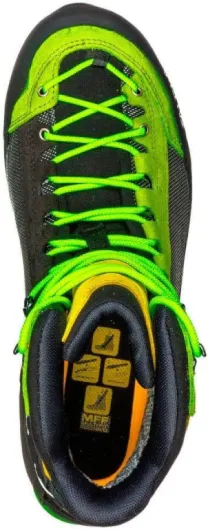
Design: loud colour, smart lacing, clearly mountain-focused
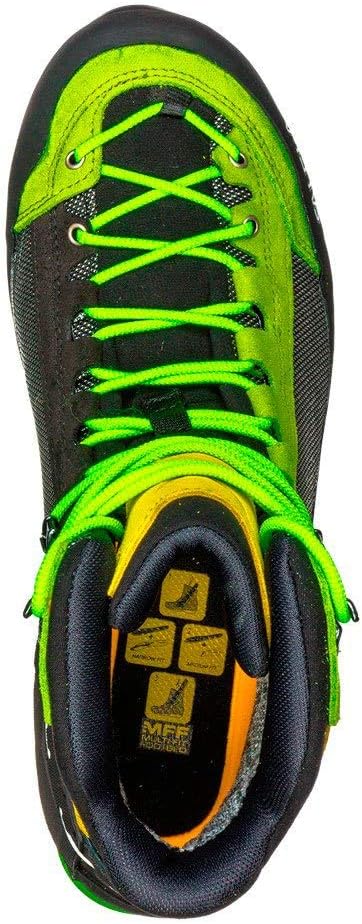
Design-wise, these boots scream "mountain". The Cactus Sulphur Spring colour is basically a bright green/yellow mix. Personally, I don’t care what my boots look like as long as they work, but if you like neutral colours these will feel a bit loud. On the upside, they’re easy to spot in a pile of gear or in the dark at the hut. The overall look is technical: lots of panels, rubber rand all around, and a mid-height shaft.
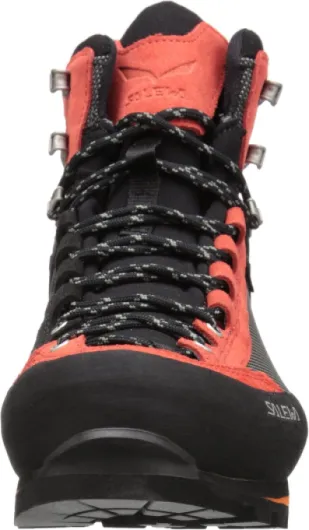
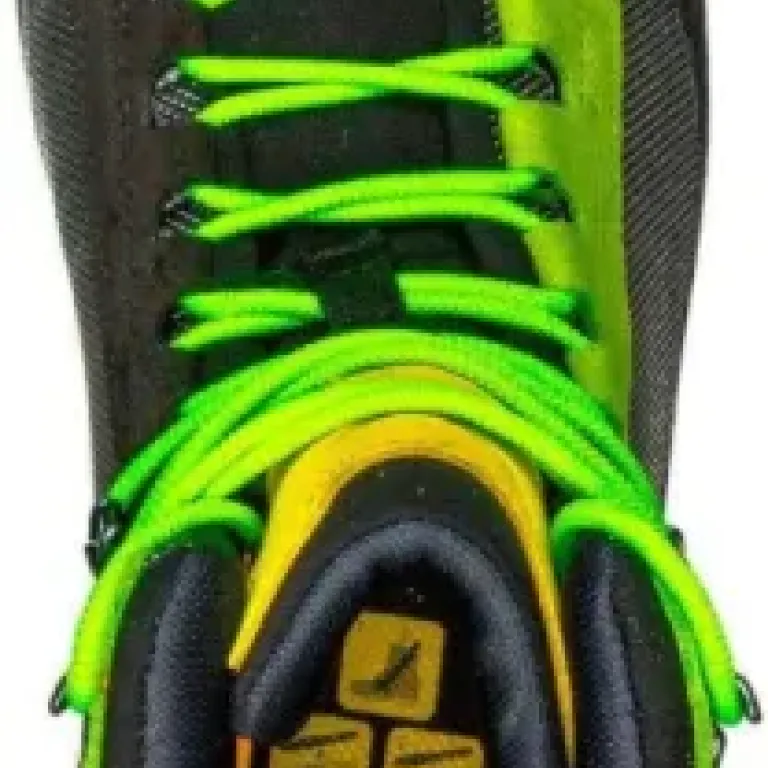
The lacing system is one of the better parts of the design. You get climbing-style lacing that goes quite far down towards the toes, plus a "cinch" locking hook in the middle. In practice, that means you can tighten the lower part of the boot firmly for precision, then adjust the top separately for comfort. On long days, I liked being able to loosen the top for descents while keeping my heel locked. One reviewer mentioned that cinch hook specifically and I agree, it makes a difference in how easy it is to dial in the fit.
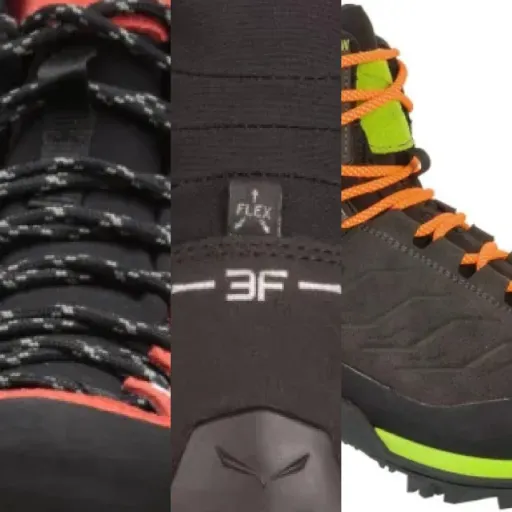
The shaft height is mid-top (Kurzschaft). It’s high enough to protect your ankle and keep snow and scree out, but not as tall as old-school leather mountaineering boots. With the Flex Collar, the back of the ankle has a bit of give, so you can lengthen your stride on descents without the boot digging into your Achilles. I noticed that on long downhill sections – it still feels like a stiff boot, but not like a ski boot.
One thing to be aware of: this design is clearly function over casual comfort. The toe is protected, the rand is thick, and the upper has multiple seams. That’s great for durability in rocks and crampon use, but it also means more pressure points if the fit isn’t right. I didn’t have issues, but if you have very wide feet or hate structured boots, you might find the whole design a bit too rigid and "technical" for relaxed walking.
Comfort: great heel hold, harsh underfoot on long days
Comfort is where opinions on these boots really split, and I kind of understand both sides. On the positive side, heel hold and ankle support are excellent. The 3F system plus the climbing-style lacing really lock your foot in. I didn’t get any blisters, even on a three-day trip with long days (around 20 km per day) and a decent pack. That matches what several Amazon reviews say – no rubbing, no chafing, even when laced fairly tight.
Where it’s less rosy is underfoot comfort. The midsole is stiff and there isn’t much cushioning. After multiple days over rocky ground, I could feel the soles of my feet getting tired and a bit battered, exactly like one of the reviewers mentioned. You get good protection from sharp rocks, but the impact isn’t softened much, especially on hard-packed trails and long descents. Swapping the stock insole for a more padded aftermarket one helped a bit, and I’d honestly recommend doing that if you plan big mileage in these.
As for warmth, I’d rate them as three-season plus mild winter, not full arctic boots. I used them in light winter conditions and was fine with good wool socks. One reviewer used them at -28°C in Svalbard and had cold feet even with thick merino socks – that matches what I’d expect. They’re not insulated; they’re just waterproof mountaineering boots. For anything below about -15 to -20°C, I’d want something warmer or at least thicker socks and shorter days.
For everyday use, I found them frankly overkill and not very pleasant. Around town or on easy forest paths, the stiffness and weight get annoying fast. They feel like you’re wearing work boots when everyone else is in trainers. So in terms of comfort: great for support and blister prevention in rough terrain, mediocre for cushioning, and too stiff for casual stuff. If you know you need the support and crampon compatibility, the trade-off is acceptable. If you just want comfy boots, there are nicer options.
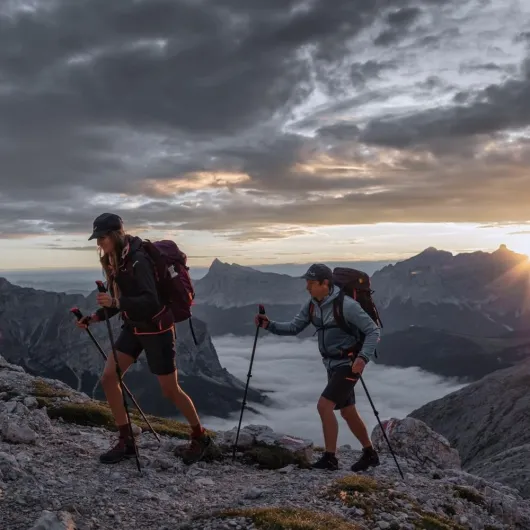
Materials: synthetic tank with Gore-Tex and a stiff sole
The upper is mostly abrasion-resistant synthetic fabric with some leather and a full rubber rand. This combo is clearly built to handle rocks, crampon straps and general abuse. After several trips over sharp volcanic rock and loose scree, the uppers on mine only show cosmetic scuffs – no cuts or delamination so far. That’s one area where synthetic can be nicer than pure leather: it dries quicker and doesn’t get as heavy when wet.
Inside, you’ve got a Gore-Tex Performance Comfort lining. That’s the classic Gore hiking/mountaineering membrane: waterproof and reasonably breathable, but still a membrane – so don’t expect your feet to feel airy in summer heat. In cool to cold conditions, it’s good. In warm weather, your socks will get damp from sweat, not from leaks. Compared to my non-membrane leather boots, these stay drier from outside water but run warmer inside when pushing hard uphill.
The sole is where things get a bit confusing with the product descriptions. Some info mentions Vibram Mulaz, other bits mention a Pomoca outsole. The pair I used has a stiff, mountaineering-style sole with a defined heel and an aggressive lug pattern, clearly aimed at rocks and mixed terrain. There is a heel welt for semi-automatic crampons. Underfoot, there is nylon and fiberglass in the insole according to the specs, which explains the stiffness. Cushioning foam is quite minimal – more plastic and structure than soft EVA.
Overall, the materials give you protection, stiffness and weather resistance, but not plush comfort. If you’re used to plush midsoles and soft leather, this will feel harsh. On the other hand, for edging, kicking steps in firmer snow and taking crampons, these materials make sense. Just be honest with yourself: are you mostly in technical terrain where this matters, or on easy paths where you’d be better off with softer, lighter materials?
Durability: built to take abuse, not to feel soft
Durability is one of the main reasons to pick a boot like this, and so far they look promising. The rubber rand that goes all around the boot takes the brunt of rock contact and crampon scuffs. After scraping them on rock and kicking steps in firmer snow, the rand is scratched but intact, no peeling or cracks. The synthetic upper shows some marks but nothing structural. Compared to leather boots I’ve used, these don’t soak up water or deform as much over time.
The stiff midsole with nylon and fiberglass is another durability point. It doesn’t feel like it will collapse or lose support quickly. That’s good for long-term use with crampons and heavy loads, but again, you pay for that with comfort. The outsole also seems to wear slowly. After several trips on rough ground, the lugs are still sharp. I’d expect the sole to last quite a few seasons of regular mountain use before needing a resole, as long as you’re not doing lots of road walking.
The Gore-Tex lining is always a bit of a lottery in terms of long-term waterproofness, but starting from fully dry after many wet days is a good sign. The seams inside feel tidy, no obvious rubbing points or loose threads on my pair. Salewa’s build quality here feels pretty solid and more "mountain" than "fashion", which matches the Romanian manufacture and the whole technical spec sheet.
Downside: because everything is built so tough, the boots take a while to break in. They do soften a bit with use, but don’t expect them to suddenly become slippers. Also, if you mainly walk on hard surfaces (roads, pavements), you’re basically wasting that durability and just beating up your joints. So in terms of lifespan per euro, they’re good value if you actually use them in rough terrain; less so if they’re just for the odd weekend stroll.
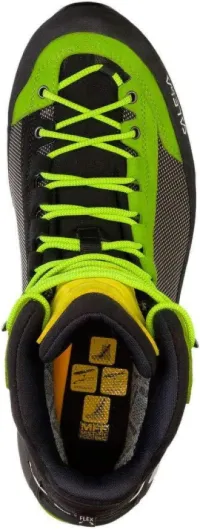
Performance: strong in rough terrain, overkill on easy trails
In their natural habitat – steep, rough, and wet terrain – these boots perform really well. On rocky ridges and mixed ground, the stiff sole lets you edge confidently and stand on small holds without your foot folding. With semi-automatic crampons, the rear welt holds them securely; I used them on snow slopes and easy gully-type terrain and had no issues with movement or wobble. For Scottish winter or high Alpine trekking with snow patches, they’re fully up to the job.
Grip-wise, the outsole is solid on rock and dry ground. On wet grass and slimy mud, they’re ok but not magic – one reviewer found them slippery on wet mountains, and I’ve had a couple of "careful" moments too. The lugs are more tuned for rock and firmer terrain than for deep mud. They’re very good on rock, decent on trails, and average in greasy, muddy stuff. On snow with crampons, they’re obviously limited by the crampons more than the sole.
Waterproofing is one of the clear strong points. The Gore-Tex lining plus the synthetic upper and rand keep water out very well. I’ve stood in shallow streams and bogs and stayed dry, same as some reviews mentioning dunking them in water. After about 40 hours of use in wet conditions, there were no leaks. Water beads off the upper at first; that will probably fade with time as the DWR wears off, but the membrane should keep things dry as long as it’s intact.
Where performance drops is on long, flat or gently rolling hikes. The weight and stiffness make you work more with every step, and the lack of flex feels tiring over hours if the terrain doesn’t justify it. Beginners or people with weaker ankles/legs might find them a bit punishing on long approach walks. So performance summary: excellent for technical hiking and light mountaineering, mediocre for casual or long, easy-distance walking.
What kind of boot this really is (and isn’t)
The Salewa Crow GTX sits in that in-between category: more serious than classic hiking boots, lighter than full-on B3 mountaineering boots. The marketing says “versatile mountaineering and alpine trekking”, and for once that description is pretty accurate. They’re built around a relatively stiff sole that can take semi-automatic (combi) crampons, with a Gore-Tex lining and a synthetic / textile upper with a rubber rand all around.
On the scale, they’re not light. Mine come in roughly as advertised (around 650–675 g per boot depending on size), which you really feel on long flat approaches. Compared to my regular lightweight hiking boots, these are noticeably heavier and clunkier. But compared to classic leather mountaineering boots, they’re actually on the lighter side. So it depends what you’re used to. One Amazon review calling them "too heavy" is fair if you’re a beginner or you mainly do easy trails.
The intended use is pretty clear once you walk in them: steep, technical terrain, snowfields, scree, and rocky ridges. The forefoot has enough precision to edge on rock, and the heel feels locked in thanks to Salewa’s 3F system and the climbing-style lacing. They’re also marketed with a “blister free” guarantee. I don’t care much about slogans, but in practice I didn’t get any hot spots, even on long days, which is rare for boots this stiff.
If your idea of hiking is lowland paths, Sunday walks or travel, these are the wrong tool. They’re overbuilt, too stiff, and honestly not very pleasant on tarmac. But if you’re aiming at Scottish winter routes, high Alpine treks with patches of snow and ice, or via ferrata and rough rocky passes, the Crow GTX actually fits that use quite well. So the real question is not “are they good?” but “are they the right level of boot for what you really do most weekends?”.
Pros
- Very good ankle support and heel hold with effective lacing system
- Gore-Tex lining and synthetic upper provide reliable waterproofing in wet and snowy conditions
- Stiff sole with crampon compatibility and full rubber rand makes them suitable for light mountaineering and rough rocky terrain
Cons
- Heavy and stiff, tiring on long easy trails and overkill for casual hiking
- Limited underfoot cushioning; feet can feel battered after long days unless you upgrade the insoles
- Not warm enough for extreme cold despite being marketed as a tough mountain boot
Conclusion
Editor's rating
The Salewa Crow Gore-Tex men’s boots are serious, stiff mountain boots that do their job well when used for the right kind of trips. They shine on rocky, steep and mixed terrain where you want a solid platform underfoot, reliable waterproofing and good ankle support. The heel hold and lacing system are genuinely good, and the all-round rand plus synthetic upper feel ready to take years of abuse. With semi-automatic crampons they work well for light mountaineering and winter hiking, which is exactly what they’re meant for.
On the flip side, they’re heavy, fairly hard underfoot, and too stiff for casual walking. If you mostly do easy trails or low-level hikes, they’ll feel tiring and unnecessarily technical. Warmth is fine for normal winter use but not for deep arctic cold, and the limited cushioning means you may want better insoles if you plan long days or have sensitive feet. The Amazon rating around 4.4/5 matches my feeling: they’re good boots with clear trade-offs, not perfect unicorn gear.
I’d recommend these to people who regularly hike in the mountains, do via ferrata, Scottish winter routes, or alpine treks where crampons and rock protection matter. If you already own soft hiking boots and need something more technical without jumping to full B3 boots, the Crow GTX is a sensible middle ground. If you’re a beginner, mainly walking on paths, or want something comfy for travel and everyday wear, I’d skip these and go for a lighter, more forgiving boot instead.