
Summary
Editor's rating
Value: great on sale, questionable at full price
Design: practical, but with a few annoying choices
Comfort: very good once you get the sizing right
Materials: decent leather, average lining, lightweight sole
Durability: fine for moderate use, questionable for heavy abuse
Performance: good grip, decent waterproofing at first, mixed long-term
What you actually get with these Berghaus boots
Pros
- Very comfortable once you size up slightly, minimal break-in
- Lightweight for a leather boot with decent cushioning and grip
- Good value when bought on sale compared to similar mid-range boots
Cons
- Durability and waterproofing can drop off with heavy use (reports of seams splitting and cracking)
- Runs small and fairly narrow, not ideal for wide feet
- Heel collar dip can let in stones, mud and water from the back

Specifications
View full product page →| Brand | Berghaus |
Solid everyday hiking boots, but not flawless
I’ve been using the Berghaus Expeditor Ridge 2.0 for typical UK walking: muddy footpaths, wet grass, a few rocky trails, and general day-to-day wear. Think dog walks, weekend hikes in the Peaks, and the odd all‑day wander where you’re on your feet for 6–8 hours. I’m not treating them gently, but I’m also not doing full-on mountaineering with crampons and scree slopes every weekend.
The short version: they’re light, comfy and decent for mixed walking, but they’re not the toughest boots out there and the whole “waterproof + durable” pitch has some real limits. If you baby your boots and mainly walk on paths, you’ll probably be happy. If you’re rough on gear or expect them to last for years of heavy use, you might get frustrated.
Sizing and fit are important here. I’m usually a UK 8.5 in hiking boots. With these I had to go up to a 9 for them to feel right with proper walking socks. That matches a few Amazon reviews: they seem to run a bit small and a bit narrow. Once I sized up, the comfort was good, but it’s worth flagging if you’ve got wide feet or hate tight boots by the end of the day.
So, are they worth it? At full RRP around the £120–£140 mark, I’d think twice. On sale around £60–£80, they start to look like a pretty solid everyday boot with some compromises. In the rest of this review I’ll go through design, materials, comfort, performance, durability and value, without the marketing sugar-coating.
Value: great on sale, questionable at full price
Value really depends on the price you pay. At the full RRP (around £120–£140), I think these are a bit of a tough sell. For that money, you’re getting a comfortable, light boot with decent performance, but with some durability question marks and a few design compromises like fabric eyelets and that heel collar dip. At that price bracket, you can start looking at more robust leather boots or even some Gore-Tex options that feel tougher and more confidence-inspiring for long-term use.
However, these often drop into the £50–£80 range on sale, and at that point the equation changes. For under £70, getting a well-known brand, leather upper, reasonable waterproofing, and a comfortable fit is pretty solid. Compared to budget brands like Northwest Territory or Johnscliffe, the leather on the Berghaus feels a bit nicer and the overall fit is more “trainer-like” and precise, especially if you have narrower feet. On the other hand, some of those cheaper boots use more metal hardware and thicker leather, so they can actually feel tougher, even if they’re a bit heavier and clunkier.
In practical terms, if you’re a regular dog walker, casual hiker, or someone who wants a do‑it‑all boot for autumn/winter, they can be good value when discounted. They’re comfy enough to wear most days and capable enough for weekend trails. But if you’re planning multi-day treks, heavy backpacking, or you’re hard on gear, spending a bit more on a more rugged boot might save you money and hassle in the long run. So value rating from me: good in sales, average at full whack.
Bottom line: if you see them heavily discounted in your size and you understand the limitations – mainly durability under heavy use and that slightly odd heel design – they’re worth a look. If you’re paying top price expecting them to be your one boot for years of abuse, there are better options for the money.
Design: practical, but with a few annoying choices
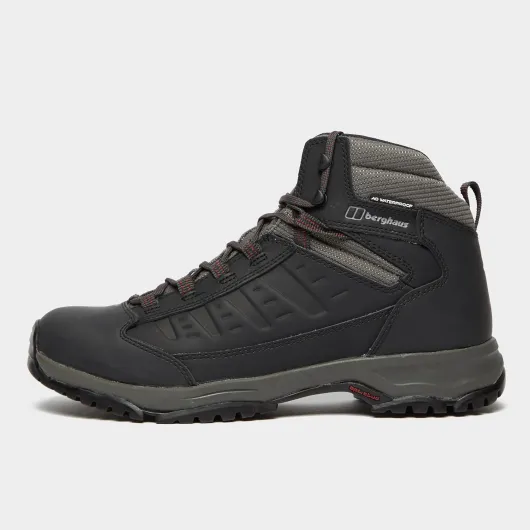
The overall design is clearly focused on comfort and everyday usability. Mid-cut ankle, rounded toe, fairly flexible forefoot, and a heel that feels more like a sturdy trainer than a rigid mountaineering boot. That makes them easy to live with: driving, walking the dog, going to the shops, then heading straight up a trail – they handle that pretty well. They don’t feel like bricks on your feet.
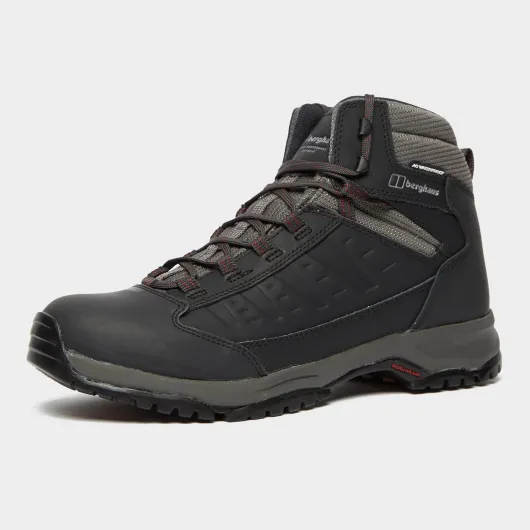
The lacing system is a mix of fabric loops lower down and a couple of metal hooks at the top. In practice, this works fine for getting a snug fit, and the flat laces actually hold better than the round ones you get on some boots; they don’t constantly slip loose. But fabric loops are a weak point over time – they can fray or tear if you yank on them or catch them on rocks. If you’re used to full metal eyelets like you see on some cheaper brands (Northwest Territory, Johnscliffe etc.), this feels like a step down in pure toughness.
One design choice I really don’t like is the dip at the back of the heel collar. It’s clearly there to make them easier to pull on and off and to give more ankle flex. Comfort-wise, it’s fine. But on muddy or stony tracks, I’ve had the same issue another reviewer mentioned: you can flick small stones, mud, and occasionally water into the back of the boot. When a pebble wedges between your heel and the boot, it hurts and it’s annoying. It doesn’t happen every walk, but often enough to be a design flaw in my book.
The tongue isn’t fully leather-covered either. There’s more stitching and fabric than you’d see on older, simpler leather boots. More stitching = more potential leak points once the boot has a year or two of use. It looks nicer and more “modern”, but I’d happily trade some of that styling for fewer seams and more solid leather in key areas like the toe and tongue. So design-wise: comfortable and good looking enough, but with some choices that might hurt long-term durability and debris protection.
Comfort: very good once you get the sizing right
Comfort is one of the stronger points of these boots, as long as you pay attention to sizing. I normally wear a UK 8.5 in most hiking brands. In these, an 8.5 felt too tight with proper hiking socks, especially after a few hours when your feet swell a bit. Going up to a UK 9 solved that. From the reviews, this seems common: they run a bit small and a bit narrow. If you’ve got wide feet, you may need to size up by at least half, maybe a full size.
Out of the box, there was very little break-in. The leather is soft enough and the ankle padding is generous, so I didn’t get heel blisters or nasty hot spots on the first couple of walks. I did a 10km mixed walk (road, field, a bit of rocky path) on day two and my feet were fine. That’s not always the case with stiffer boots. The OrthoLite insole and EVA midsole give a cushioned feel, more like a sturdy trainer than a rigid boot. If you’re used to big, heavy leather boots, these will feel noticeably lighter and more forgiving.
Underfoot support is good but not super structured. There’s enough cushioning for long days, and enough stiffness that sharp stones don’t punch through, but it’s not a super stiff sole. For general walking and low-level hiking, that’s a good thing – your feet feel less tired and the boot moves with you. For steep, rocky terrain with heavy loads, you might want something with a firmer midsole. I found that after a full day on mixed terrain, my feet felt a bit more tired than in a heavier, more supportive boot, but it was a trade-off I could live with.
Around the ankle, the padding is comfortable and didn’t rub, and the mid-height collar gives a bit of support and protection without locking your ankle in. The only comfort annoyance is the heel collar dip letting in the odd bit of grit, which can turn into a 30-second stop to take the boot off and shake it out. Besides that, for everyday walking and typical UK hikes, comfort is a genuine plus with this model – just don’t ignore the sizing and width issue.
Materials: decent leather, average lining, lightweight sole
The upper is made from Leather Working Group–certified leather, which is a nice touch from an environmental and quality control standpoint. In the hand, the leather feels treated and slightly waxy, and it takes wax (like Grangers or Nikwax) pretty well. It’s not super thick, though. Compared to older full-grain leather boots or something like a more rugged Johnscliffe model, you can tell this is aimed at being light and flexible rather than tank-like.
Inside, you get an AQ waterproof lining and an OrthoLite footbed. The lining does its job at first: it feels fine against the foot and doesn’t rub. But it also feels a bit “cheap synthetic”, not like a premium Gore-Tex boot. Breathability is OK, but on warmer days or long walks, my feet did get a bit warm and slightly sweaty. Not unbearable, just clearly not the most breathable waterproof liner I’ve used. The OrthoLite insole is comfortable enough, but nothing special – I ended up swapping mine for my usual aftermarket insoles for better arch support.
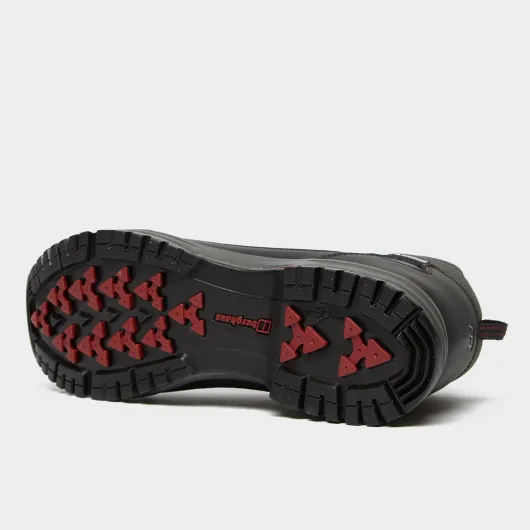
The midsole is EVA, which is standard for lighter hiking boots. It keeps the weight down and gives decent cushioning, but EVA does compress over time. After a few months of regular use, I could feel a bit less bounce under the heel. The outsole is Berghaus’ OPTI-STUD rubber, with fairly deep lugs and a pattern that sheds mud reasonably well. Grip on wet grass and general trails is good. On wet smooth rock, it’s average – not terrible, not outstanding, just what you’d expect from a mid-range hiking sole.
Overall, the materials feel like what they are: mid-range quality aimed at comfort and low weight, not built-like-a-tank durability. The leather is the highlight. The lining and fabric elements are where you feel the compromises. If you want something you can really thrash for years, you’ll probably want thicker leather, more metal hardware, and a more robust lining – which usually means a heavier and more expensive boot.
Durability: fine for moderate use, questionable for heavy abuse
Durability is where these boots are a bit of a mixed bag. If you look at the Amazon reviews, you see two clear camps: people who wear them daily for a couple of years and say they’ve held up well, and others who report splitting seams, cracking leather, and failed waterproofing within 6–12 months. Based on my experience and the build, I’d say they’re okay for moderate use but not ideal if you absolutely hammer your boots.
The leather itself has held up reasonably for me, with scuffs but nothing dramatic, but it’s not thick, old-school leather. It needs regular care: cleaning off mud, letting them dry naturally, and giving them a wax treatment now and then. If you skip that, the creases in the flex points (especially across the toe) will dry out and crack faster. One reviewer mentioned the toe cap splitting away from the main body on more than one pair – that sounds like glue and stitching issues rather than just wear and tear, and it matches the general feeling that these rely more on glue than heavy stitching in some areas.
The fabric lacing loops are another weak point. Mine haven’t failed yet, but I’ve seen similar setups on other boots go after a couple of years, especially if you tug hard on the laces or catch them. Metal hardware tends to outlast fabric, so it’s a trade-off Berghaus made for weight and cost. The sole itself seems tough enough; the rubber hasn’t worn down fast on mixed terrain, and the EVA midsole is holding up okay, though the cushioning definitely softens a bit over time.
Berghaus talks about a lifetime guarantee, but in practice that usually means “lifetime of the product under normal use”, which is vague. You probably can get a replacement if they fail early and you push the warranty, but I wouldn’t buy them counting on that. If you’re a weekend walker and look after them, you’ll likely get a decent lifespan. If you’re out most days on rough ground, I’d expect issues sooner and would personally look at something more rugged, even if it’s heavier.
Performance: good grip, decent waterproofing at first, mixed long-term
On the trail, these boots perform well for general walking. Grip from the OPTI-STUD sole is solid on mud, wet grass, and typical British slop. The tread pattern clears mud fairly quickly, so you don’t end up with a big mud platform under your feet. On loose gravel and forest paths, they feel stable and predictable. On wet, smooth rock they’re okay – not ice skates, but you still need to watch your footing.
Waterproofing is where the story gets a bit mixed. When new or fairly fresh, the AQ waterproof lining and treated leather do keep water out on wet grass, puddles, and shallow streams. I’ve walked through long wet grass and shallow, moving water without my feet getting wet. For the first few months of use, I’d say they behaved like a proper waterproof boot: no obvious leaks, socks stayed dry, and any dampness was mostly sweat rather than outside water.
However, there are quite a few reports – and I’ve seen hints of this myself – that after several months to a year, seams and flex points start to be weak spots. One Amazon reviewer mentioned seams splitting and the toe cap separating on more than one pair, and my pair has some early creasing and cracking around the forefoot flex area. Once that happens, no lining will save you; water just finds its way in. I haven’t had full-on soakers yet, but I wouldn’t fully trust these as my only boots on a multi-day wet trip a year into ownership without some backup and regular reproofing.
For day hikes, dog walks, and general use, the performance is solid. They’re light enough that you don’t feel dragged down, supportive enough for uneven ground, and grippy enough for typical conditions. Just don’t expect mountaineering-level stability or long-term waterproofing that survives heavy abuse. Think of them as good all-rounders for moderate use, not expedition boots.
What you actually get with these Berghaus boots
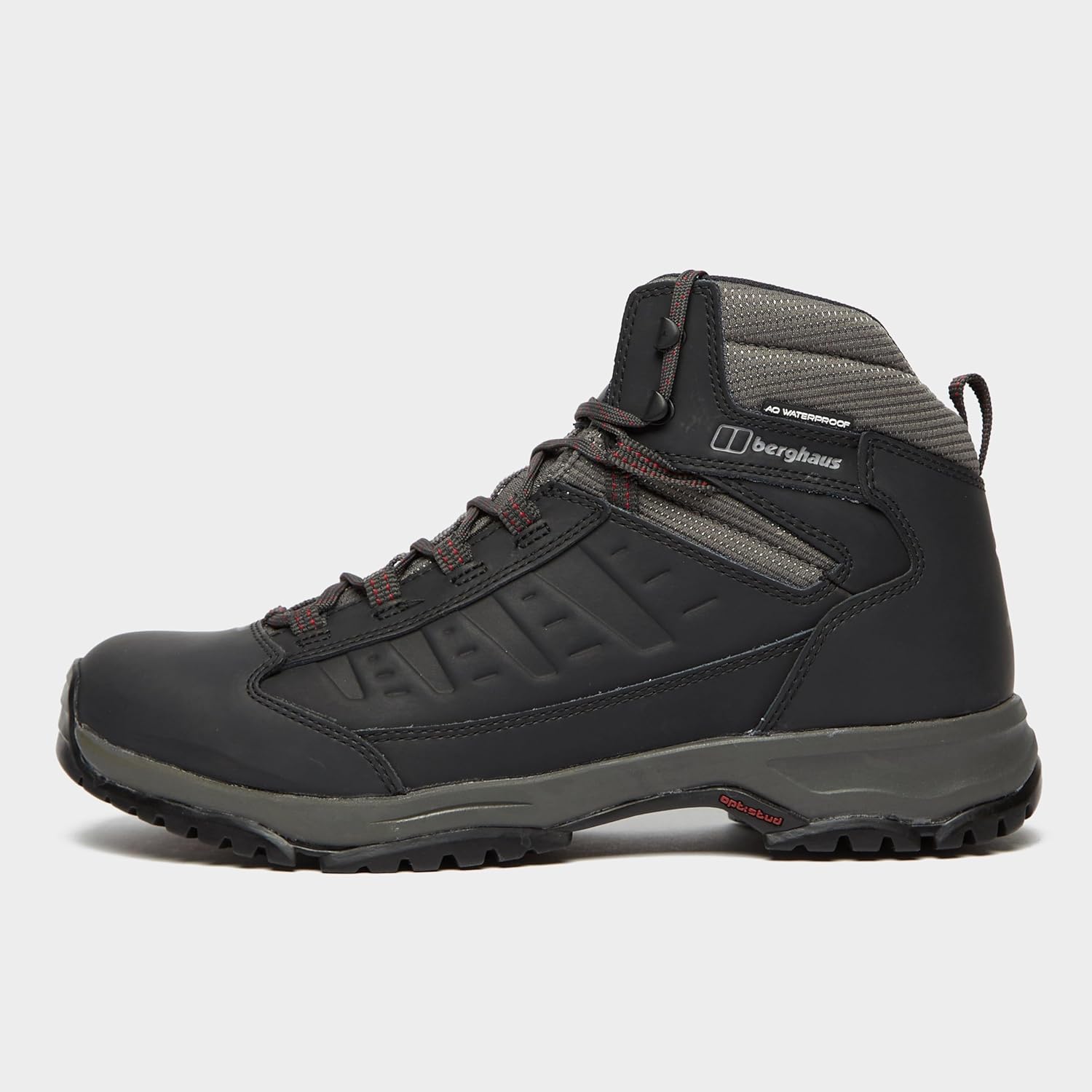
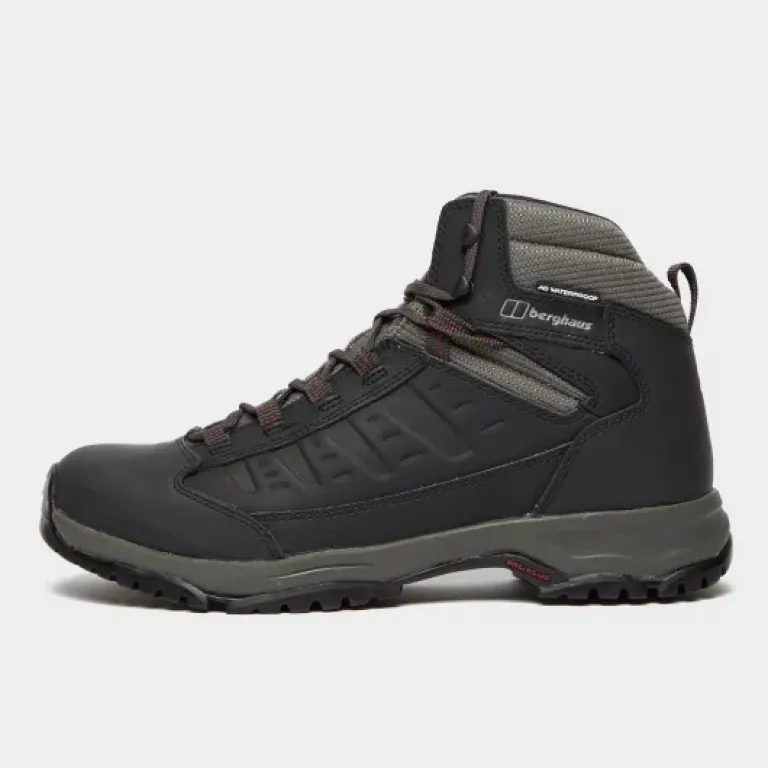
On paper, the Expeditor Ridge 2.0 ticks a lot of boxes: leather upper, AQ waterproof lining, EVA midsole, OrthoLite footbed, mid-height ankle support, and Berghaus’ OPTI-STUD sole. It’s marketed as an all‑round walking boot rather than a hardcore mountain boot, and that’s exactly how it feels in hand and on foot. It’s lighter than old-school full leather boots but heavier and more supportive than a hiking shoe or trainer.
The style is pretty standard: solid leather upper with some stitched panels and a bit of colour pop (I had the black/red version). Nothing flashy, nothing ugly, just a typical modern walking boot. The branding is visible but not loud. If you’re the kind of person who wears walking boots with jeans around town, these are neutral enough that you won’t feel like you’re wearing ski boots to the pub.
Out of the box, they look and feel like mid-range boots. The leather is treated and slightly waxy, but not super thick. The lining feels okay but not premium. The lacing system uses fabric loops rather than full metal eyelets all the way up, which is one of those cost/weight decisions that might annoy people who like old-school brass hardware. The tongue is gusseted but doesn’t have a big leather overlay, which might matter for long-term waterproofing.
Overall, the first impression is: this is a modern, lightweight leather hiking boot aimed at regular walkers, not something bombproof for multi-week treks. It looks decent, feels comfortable in the hand, and doesn’t scream cheap – but you can tell where Berghaus has shaved weight and cost compared to more rugged models.
Pros
- Very comfortable once you size up slightly, minimal break-in
- Lightweight for a leather boot with decent cushioning and grip
- Good value when bought on sale compared to similar mid-range boots
Cons
- Durability and waterproofing can drop off with heavy use (reports of seams splitting and cracking)
- Runs small and fairly narrow, not ideal for wide feet
- Heel collar dip can let in stones, mud and water from the back
Conclusion
Editor's rating
The Berghaus Expeditor Ridge 2.0 is a light, comfortable, mid-range leather hiking boot that works well for everyday walking and typical UK hikes. The main positives are the comfort straight out of the box, decent grip, and reasonable waterproofing when they’re new. If you size up slightly and don’t have very wide feet, they’re easy to wear all day, and they feel more like a sturdy trainer than a heavy, clunky boot. For dog walks, weekend rambles, and general autumn/winter use, they get the job done without fuss.
The downsides are mostly about long-term durability and a couple of design choices. The leather isn’t super thick, there’s a lot of stitching, and the fabric lacing loops and heel collar dip don’t help if you’re on rough, stony paths. Several users have reported seams splitting and waterproofing failing after a year or so, especially with harder use. I wouldn’t rely on these as my only boot for serious multi-day treks or constant abuse. At full price they feel a bit expensive for what they are; on sale they make a lot more sense as a solid, everyday walking boot.
If you’re a casual to moderate walker, mainly on paths and fields, and you catch them at a good discount, they’re pretty solid value. If you’re out in the hills every weekend, carry heavy loads, or want something truly tough and long-lasting, I’d look at more robust options, even if it means a bit more weight and cost.