
Summary
Editor's rating
Value: worth it on sale, borderline at full RRP
Design: functional and a bit boring, which is fine
Comfort: the main reason to buy these over cheaper boots
Materials: synthetic leather and mesh that trade toughness for lightness
Durability: decent lifespan if you’re realistic, but not indestructible
Performance: good for everyday walking, not built for extreme stuff
What you actually get when you buy these boots
Pros
- Very comfortable out of the box with good cushioning and no painful break-in
- Genuinely waterproof in normal rain, wet grass, and shallow puddles
- Lightweight for a mid-height boot, easy to wear for daily walks and casual hikes
Cons
- Tongue is slightly short, so deeper puddles or water over the top can leak in
- Sole tends to wear faster on the outer edges with heavy daily use
- Not supportive or tough enough for serious multi-day mountain trips with heavy loads

Specifications
View full product page →| Brand | Columbia |
Decent mid-range hiking boots that don't pretend to be something they're not
I've been using the Columbia Newton Ridge Plus II Waterproof boots as my main walking and light hiking shoes for a while now. Mostly dog walks, muddy parks, canal paths, and the odd proper trail day with rocks and wet grass. So this is not a catalog description; it's just how they behave in real life when you actually put miles on them, not just try them on in the living room.
The short version: they’re pretty solid for the price, especially if you catch them around the £50–£80 range. They keep water out in normal conditions, they’re lighter than they look, and you can wear them straight out of the box without destroying your feet. But they’re not magic boots. The sole wears faster than I’d like, the tongue is annoyingly short if you walk through deeper puddles, and I wouldn’t pick them for multi-day mountain trips with a heavy backpack.
Compared to other mid-range brands I’ve used (Hi-Tec, Karrimor, basic Merrells), these sit somewhere in the middle. Better comfort and waterproofing than the cheap stuff, not as tough or confidence-inspiring as proper high-end hiking boots. They feel more like everyday walking boots that can handle trails, rather than hardcore mountain footwear.
If you want something comfortable for regular walks, UK-style mud, and occasional hikes without spending a fortune, they make sense. If you’re expecting them to last years of abuse or perform like £200 boots, you’ll probably be disappointed. I’ll go through the details: design, materials, comfort, performance, durability, and whether I think they’re worth the money.
Value: worth it on sale, borderline at full RRP
In terms of value for money, these boots sit in a pretty good spot if you buy them at the usual online discount price (often around £50–£80 depending on size and colour). At that price, getting a waterproof, comfortable, relatively light boot from a known brand is fair. You can find cheaper boots, but you’ll usually lose either comfort, waterproofing reliability, or both. You can also spend a lot more and get better durability and support, but for most people doing regular walks and occasional hikes, that’s overkill.
Where I’m less convinced is at full retail price, which can go higher depending on where you buy them. At the top end of their price range, you start bumping into entry-level models from more technical brands that might give you better long-term durability or more advanced soles. In that case, the Newton Ridge Plus II feels a bit like you’re paying partly for the brand name and the comfort, not for bombproof construction.
That said, if your main use is daily dog walks, weekend forest trails, light hill walks, and general bad-weather use, they’re good value. You get solid waterproofing (within reason), very decent comfort, and a boot that doesn’t need weeks of breaking in. If they last you a year or two of regular use, the cost per month is acceptable, especially compared to cheaper boots that leak after a few months.
My honest take: if you see them at a good discount and you need a reliable all-round walking boot, they’re worth buying. If they’re at the very top of their price range and you’re a heavy user or planning serious treks, I’d either look for a sale or put that money toward something more technical. They hit a nice middle ground, but they’re not some miracle bargain.
Design: functional and a bit boring, which is fine
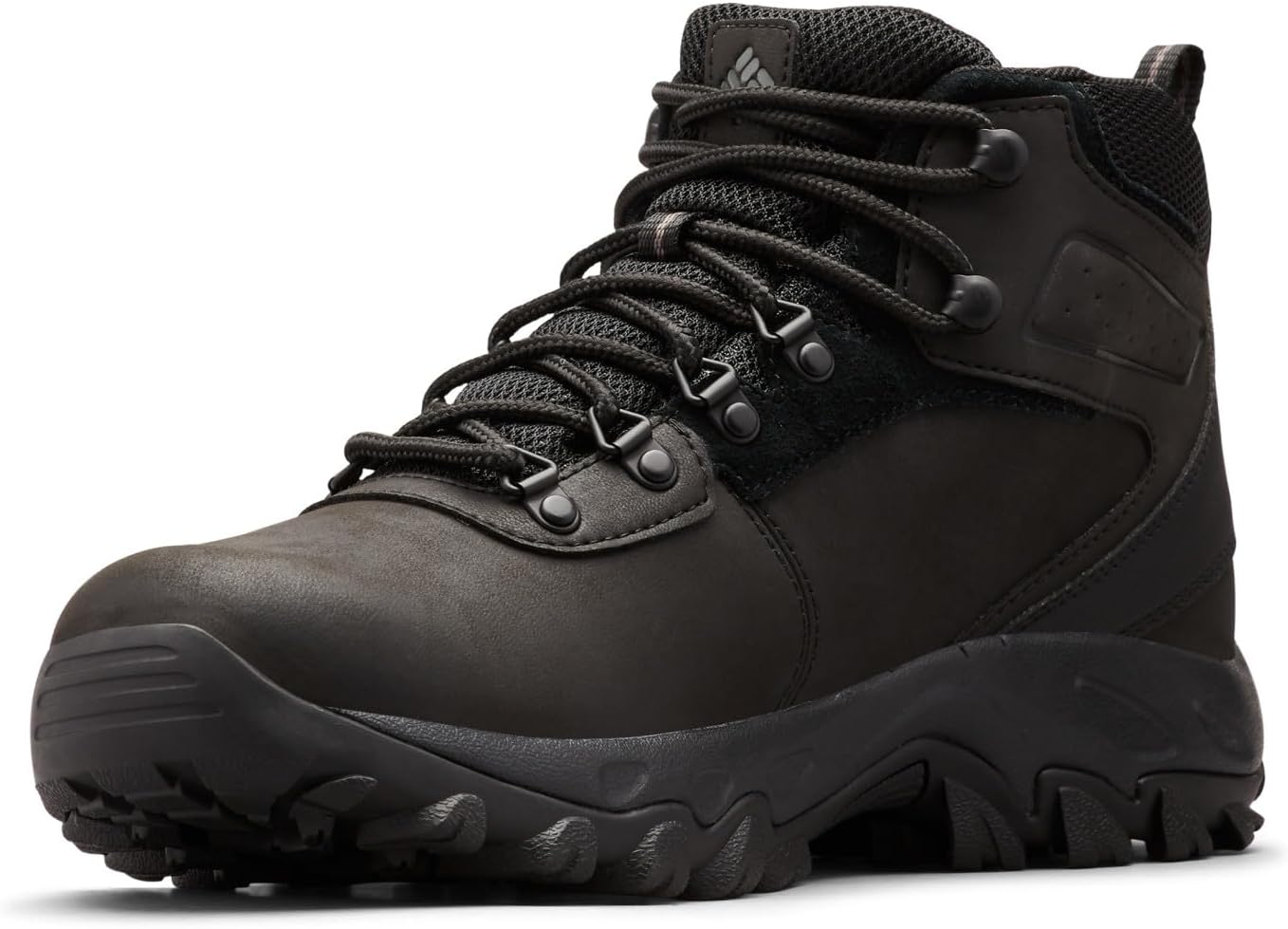
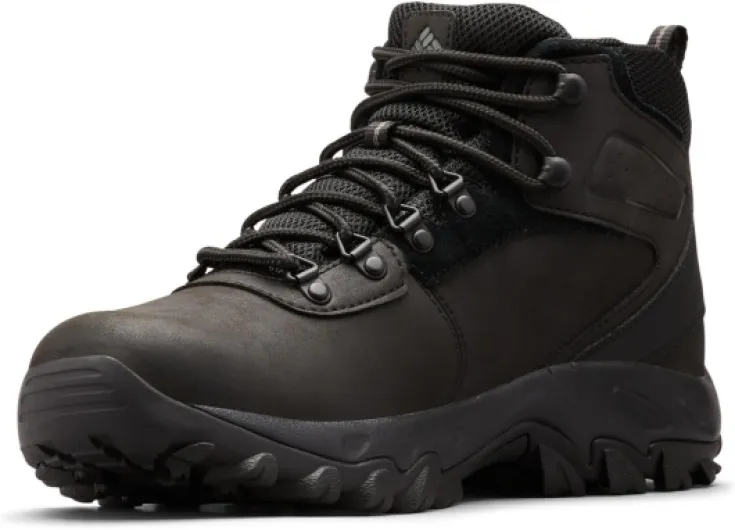
Design-wise, Columbia clearly went for practical over stylish, especially in the all-black version. These boots blend in with pretty much anything: jeans, hiking trousers, even work clothes if your job involves being outside. There are no bright colours or flashy logos shouting from a distance. If you want something low-key that doesn’t scream "I just came back from Everest", this is actually a plus.
The mid-rise cut hits just above the ankle. For me, that gave enough support on uneven ground without feeling too restrictive. I’ve twisted my ankle before in low shoes, so I like a bit of support, and these did the job on rocky paths and uneven forest trails. They’re not as supportive as stiff leather boots, but for day hikes, dog walks, and casual weekend trails, they feel balanced. You won’t confuse them with mountaineering boots, though.
The tread pattern is fairly medium-aggressive: lugs are not super deep, but they’re not flat either. On dry trails and gravel, grip is good. On wet grass and light mud, they’re decent. In heavy, sticky mud, they clog up like most mid-range boots. Nothing special, but they don’t feel like skating shoes either. The sole is also non-marking, which is nice if you wear them indoors at work sometimes.
My only real design complaint is the tongue length and shape. Multiple users mention it, and I agree: the tongue is a bit short. When you go through deeper wet grass or a 2–3 cm puddle, water can creep in from the top if you’re not careful. The tongue is gusseted (connected to the sides) for waterproofing, but that only helps up to a point because of the height. A slightly longer tongue and a touch more height would make them more reassuring in wet conditions. As they are, they’re good for shallow puddles and wet ground, but I wouldn’t stomp through streams with confidence.
Comfort: the main reason to buy these over cheaper boots
Comfort is where these boots do well. I wore them straight out of the box for a 6 km mixed walk (pavement, dirt, grass, a bit of rocky path) and didn’t get blisters, hot spots, or sore ankles. No real break-in needed, which is rare for boots that go over the ankle. The inner padding and the midsole cushioning make them feel closer to sturdy trainers than to old-school hiking boots.
They’re also surprisingly light for a waterproof boot. When you’re slogging through mud or going uphill, that makes a difference. Heavier leather boots tire me out faster, especially on longer days. With these, even when they’re caked in mud, they never felt like I had bricks on my feet. If you mostly do 5–15 km walks with a light daypack (or just dog walking), they’re easy to wear and don’t punish you for being out too long.
In terms of fit, they’re on the slightly narrow side but not extreme. One reviewer with "Fred Flintstone" feet (wide feet) said they still managed to get a comfortable fit, which matches my experience: if you’re very wide-footed, you might feel a bit snug at first, but the upper gives a little with use. Length-wise, I’d say they run true to size. I’d still go half a size up if you plan to wear thick winter socks.
Breathability is okay but not great. They’re waterproof boots with a membrane and synthetic leather, so your feet won’t feel as airy as in mesh trail shoes. On cool and mild days they’re fine; on hot days, your feet will get warm, especially if you walk fast. For me, they work as all-season boots in a mild climate, but for hot summers I’d rather switch to something lighter and more breathable. Overall, comfort is one of the main selling points here: if your priority is "no pain, no drama, just walk", these are solid.
Materials: synthetic leather and mesh that trade toughness for lightness
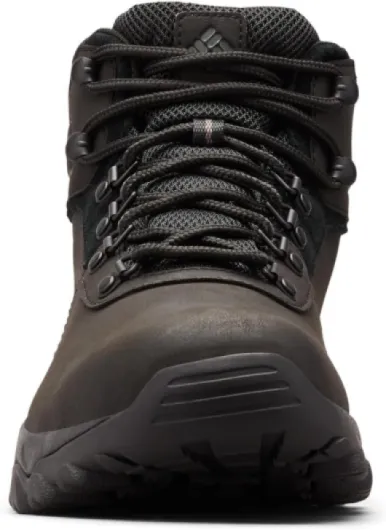
The boot uses a mix of synthetic leather, suede, and mesh on the upper, with a fabric lining and a rubber sole. If you’re used to full-grain leather boots, these will feel a bit more plasticky, but that’s also why they’re lighter and cheaper. The synthetic outer is easy to clean – I usually just wipe off mud with a damp cloth or brush it off when dry, and they look decent again. No need for heavy waxing like on proper leather boots.
The inner lining is a basic fabric that feels fine against normal hiking socks. I didn’t get any rubbing on the heel or around the ankle, even on first use, which is a good sign. The padding around the ankle collar is generous enough to be comfortable, especially if you tie them tightly. The insole is a standard textile-covered foam insole. It’s okay, but like most stock insoles, it’s nothing special. If you have fussy feet, I’d swap them for proper aftermarket insoles after a while.
The Techlite midsole is the interesting bit. You can actually feel the cushioning, especially if you come from cheap boots with rock-hard soles. It gives a bit of bounce and helps with longer walks on mixed terrain. I’ve done 8–10 km walks several times in these and my knees and heels felt better than in stiffer boots. That said, there’s always a trade-off: more cushioning usually means faster wear, and some users have reported the sole deteriorating on the outer edges after a year or so of use.
The outsole is Columbia’s Omni-Grip rubber. Grip is good enough for normal hiking and dog walking, but it’s not some magic sticky rubber like you get on climbing-oriented brands. On wet rock it’s okay if you’re careful, but you still need to watch your steps. For the price point and target use, the materials make sense: light, reasonably tough, easy to live with, but not built like a tank. If you want something that will last many years of heavy use, you’re looking at a different price bracket and usually more leather-heavy builds.
Durability: decent lifespan if you’re realistic, but not indestructible
Durability is where you have to manage your expectations. These are mid-priced boots, not premium leather tanks. There are users who say they’ve lasted them more than 6 months of regular 8–10 km walks, 2–3 times a week, and stayed waterproof until the sole was almost worn out. That’s actually not bad for this category. The uppers themselves usually hold up fine: stitching stays intact, waterproofing mostly holds if you look after them a bit, and the synthetic leather doesn’t crack as easily as cheap stuff.
The weak point seems to be the sole wear over time. One reviewer who used them as daily walkers for a couple of years reported that the outer edges of both soles deteriorated quite badly. This is pretty typical of softer, cushioned soles: they feel great underfoot but don’t last as long as very hard rubber. If you only use them for hiking and weekend walks, you’ll probably get a decent lifespan. If you wear them every single day on tarmac, gravel, and rough paths, expect the tread to go earlier.
The laces are better than average. They’re round, but they actually stay tied, which is rare. One user mentioned they only broke after heavy use over a long period. So you’re not constantly stopping to re-tie them, which is nice on wet, cold days. Eyelets and hooks are metal and feel secure; I haven’t had any bending or breaking.
Overall, I’d rate durability as good for the price, but not impressive. Think 1–2 years of regular use if you mix pavements and trails, maybe more if you rotate them with other shoes and mostly stick to softer ground. If you want boots that last 5+ years of constant abuse, you’re in the wrong price bracket and material choice. For what they cost, I’m okay with the trade-off: lighter, more comfortable, but with a shorter life than heavy leather boots.
Performance: good for everyday walking, not built for extreme stuff
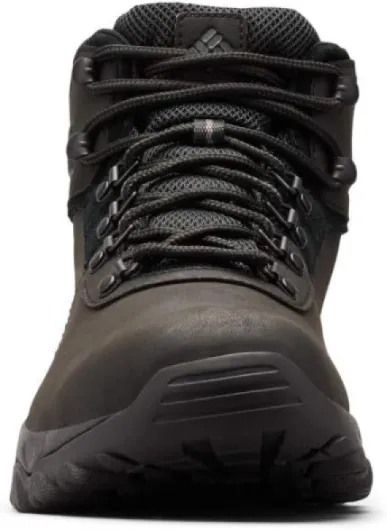
On the trail, these boots do what they’re supposed to do, as long as you stay within their limits. On dirt paths, forest trails, gravel, and city-to-park type walks, they perform well. The cushioning takes the edge off stones, so you don’t get that sharp jab through the sole when you step on a rock. Grip on normal terrain is solid: I felt stable on dry paths, compact mud, and loose gravel. Coming downhill on wet grass, they were better than my old Hi-Tecs and about on par with some mid-range Merrells I’ve used.
Waterproofing is good but not bulletproof. In rain, wet grass, and shallow puddles (1–2 inches), my feet stayed dry. Walking through long wet grass in the morning, the water didn’t come through the upper, which is what you want. Where things get iffy is when water gets close to the top of the boot or when you’re in puddles that are just a bit too deep. Because the tongue is a bit short, water can sneak in over the top if you’re not paying attention. So for normal British-style wet weather, they’re fine; for stream crossings or very boggy terrain, I’d be more careful.
For support, they’re middle of the road. Enough ankle support for uneven ground and small slips, but they’re not stiff enough for serious mountaineering, scrambling, or carrying a heavy backpack all day in rough terrain. If you’re mainly doing lowland walks, hills, and casual trails, they’re adequate. If you’re planning a week in the Alps with a 20 kg pack, I’d look at something more robust.
One thing to note is that some users report the sole wearing faster than expected when used as daily shoes on pavement and rough surfaces. That matches what I’ve seen with similar Columbia models: great comfort, but the outer edges of the sole start to round off and lose sharpness after many months of heavy use. So performance is good for grip and comfort in the first year or so, but don’t expect mountaineering-level longevity or ultra-aggressive lugs that last forever.
What you actually get when you buy these boots
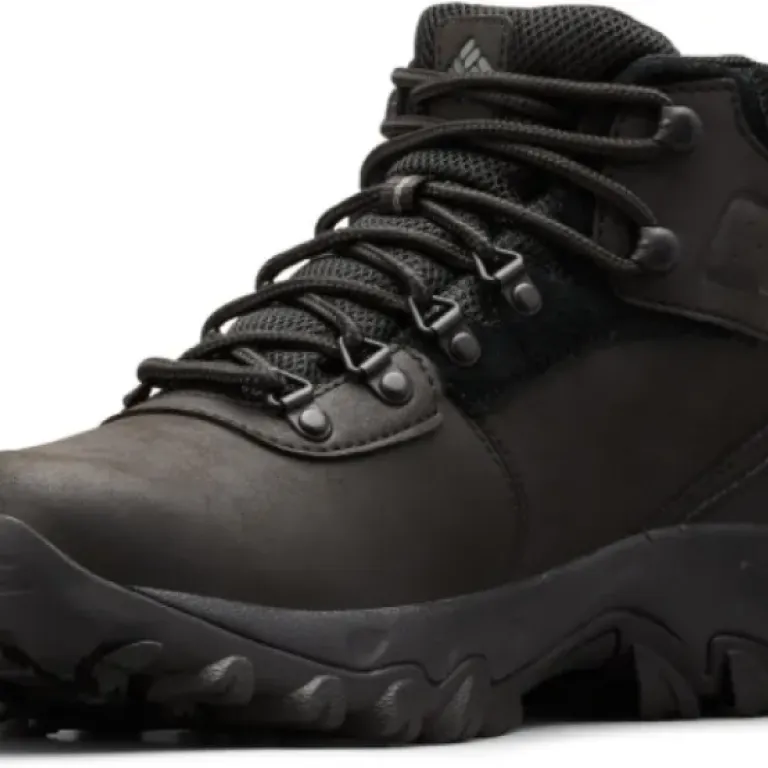
Out of the box, the Columbia Newton Ridge Plus II look like fairly standard mid-height hiking boots: synthetic leather with some mesh panels, rubber sole, round laces, nothing flashy. Mine were the black/black version, which is quite plain. That’s not a complaint, just a fact: they look like practical boots, not something you wear to impress anyone. They’re ankle-high with a mid-top cut, so you get some ankle support without feeling like you’re wearing ski boots.
When you pick them up, the first thing that stood out to me was the weight. They’re noticeably lighter than many leather hiking boots I’ve owned. Not trail runners light, but for a waterproof boot with a decent sole, they feel pretty easy on the feet. The product page talks about a "Techlite lightweight midsole" and you can actually feel that underfoot – it’s more cushioned than the usual hard slabs you get on cheaper boots.
They’re advertised as waterproof with a seam-sealed bootie construction, Omni-Grip rubber outsole, and a mix of synthetic leather, suede, and fabric. In simple terms: plastic-y leather look on the outside, fabric on the inside, and a rubber sole with a medium lug pattern. The lacing system is straightforward: normal eyelets at the bottom and hooks at the top, so they’re quick to tighten and loosen. No weird gimmicks.
First impression wearing them at home for a couple of hours: no hot spots, no obvious pressure points, and they didn’t need a painful break-in period. They feel like boots meant for people who walk a lot but aren’t mountaineering nerds. If you’re used to big, stiff leather boots, these will feel lighter and more forgiving. If you’re used to trainers, they’ll feel a bit chunky, but not like bricks.
Pros
- Very comfortable out of the box with good cushioning and no painful break-in
- Genuinely waterproof in normal rain, wet grass, and shallow puddles
- Lightweight for a mid-height boot, easy to wear for daily walks and casual hikes
Cons
- Tongue is slightly short, so deeper puddles or water over the top can leak in
- Sole tends to wear faster on the outer edges with heavy daily use
- Not supportive or tough enough for serious multi-day mountain trips with heavy loads
Conclusion
Editor's rating
The Columbia Newton Ridge Plus II Waterproof boots are solid mid-range hikers that do most of the basics well without pretending to be hardcore mountain gear. They’re comfortable straight away, light for a waterproof boot, and handle typical real-world use nicely: dog walks, muddy parks, forest paths, light hill walks, and bad-weather errands. Waterproofing is reliable in normal conditions, and the cushioning makes longer walks easier on your joints than stiffer, heavier boots.
They’re not perfect. The tongue is a bit short, which limits how deep a puddle you can walk through before risking water coming over the top. The sole offers good comfort and grip at first but may wear faster if you use them every day on rough surfaces. They’re also not the right choice if you’re doing serious multi-day treks with a heavy pack or want boots that last for many years of abuse. But if you keep them in their lane – everyday walking and moderate hiking – they do the job well for the money, especially when bought on sale.
I’d recommend these to people who want an easy, no-fuss walking boot: dog owners, casual hikers, and anyone who wants something more protective than trainers without going full mountaineering. If you’re a heavy backpacker, planning technical routes, or obsess about long-term durability, you’ll be happier spending more on a higher-end boot. For most everyday users though, these are a practical, comfortable option that earns their 4/5 rating.