
Summary
Editor's rating
Value: where these boots actually make sense
Design: more work-boot vibe than fancy hiking shoe
Comfort: good out of the box, better with your own insoles
Materials: synthetic but tougher than they look
Durability: good for the price, but not immortal
Performance: fine for trails and wet grass, not for monsoon hikes
What you actually get when you unbox them
Pros
- Comfortable out of the box with decent ankle padding and cushioning
- Reasonably waterproof for wet grass, light rain and shallow puddles
- Good value for money compared to big-brand hiking boots
- Grippy sole that handles mud and casual trails well
Cons
- Waterproofing struggles in heavy, prolonged rain or very wet conditions
- Soles wear faster in the front centre if used a lot on hard surfaces
- Breathability is limited; feet can get warm and sweaty on longer or hotter walks

Specifications
View full product page →| Brand | NORTIV 8 |
Cheap waterproof boots that I’m not afraid to trash
I’ve been using these NORTIV 8 JS19001M boots as my “don’t care if they get ruined” pair for a while now. Dog walks, muddy paths, basic weekend hikes, a bit of gardening – they’ve seen a bit of everything. I didn’t buy them expecting top-tier mountaineering performance; I just wanted something waterproof-ish, comfortable enough, and cheap enough that I wouldn’t cry if they died after a year.
In that mindset, they actually make sense. They sit in that budget zone where you know you’re not getting premium leather or fancy membranes, but you still want dry feet on wet grass and light rain. Reading the reviews and then using them myself, I’d sum them up like this: good value if you keep your expectations realistic. They’re more for trails and daily use than for serious multi-day hikes in harsh weather.
What pushed me to try them was the mix of features on paper: waterproof synthetic leather, rubber toe cap, mid-ankle support, and a price way lower than big outdoor brands. In practice, some of that marketing is a bit optimistic, but a good chunk of it holds up. They do keep water out reasonably well as long as you’re not standing in streams or walking in heavy downpours for hours.
So this review is from the point of view of someone who uses them like a normal person: dog walks, local trails, wet fields, occasional rocky paths. No Everest, no 30 km days with a heavy pack. I’ll go through design, materials, comfort, performance in wet and dry conditions, durability so far, and whether I think they’re worth the money compared to pricier boots.
Value: where these boots actually make sense
For me, the main selling point of these NORTIV 8 boots is value for money. They cost a fraction of what big-name hiking boots charge, but they still give you proper ankle support, a waterproof membrane, and a grippy sole. If you’re the kind of person who walks the dog twice a day, does weekend hikes under 15 km, and needs something for wet fields and muddy tracks, they’re a sensible purchase. You don’t feel like you’re wasting expensive gear on simple outings.
Compared to more expensive boots I’ve owned, here’s the trade-off: you save a lot of money, but you give up some breathability, long-term durability, and high-end comfort. My pricier boots feel better on long hikes and handle heavy rain better, but I also paid two to three times more, and they still start to leak after enough abuse. With these NORTIV 8s, if they last a solid year or two of regular use, I’d say they’ve done their job. One reviewer even said they’d happily buy them again if they only last a year, because they’re still ahead compared to previous expensive pairs.
If you’re on a tight budget or just don’t hike seriously enough to justify a £150+ boot, these hit a nice sweet spot. You get decent comfort, usable waterproofing, and acceptable durability for a much lower price. The only extra cost I’d factor in is a better insole if you care about long-walk comfort. Apart from that, you’re basically paying for a boot you won’t be scared to trash, and that, to me, is where the real value is.
So in terms of value, I’d rate them quite high. Not perfect boots, but for the money, they’re hard to complain about as long as you stay realistic about what they’re built for: everyday use, light hiking, and bad weather errands – not hardcore mountaineering or ultra-long treks.
Design: more work-boot vibe than fancy hiking shoe
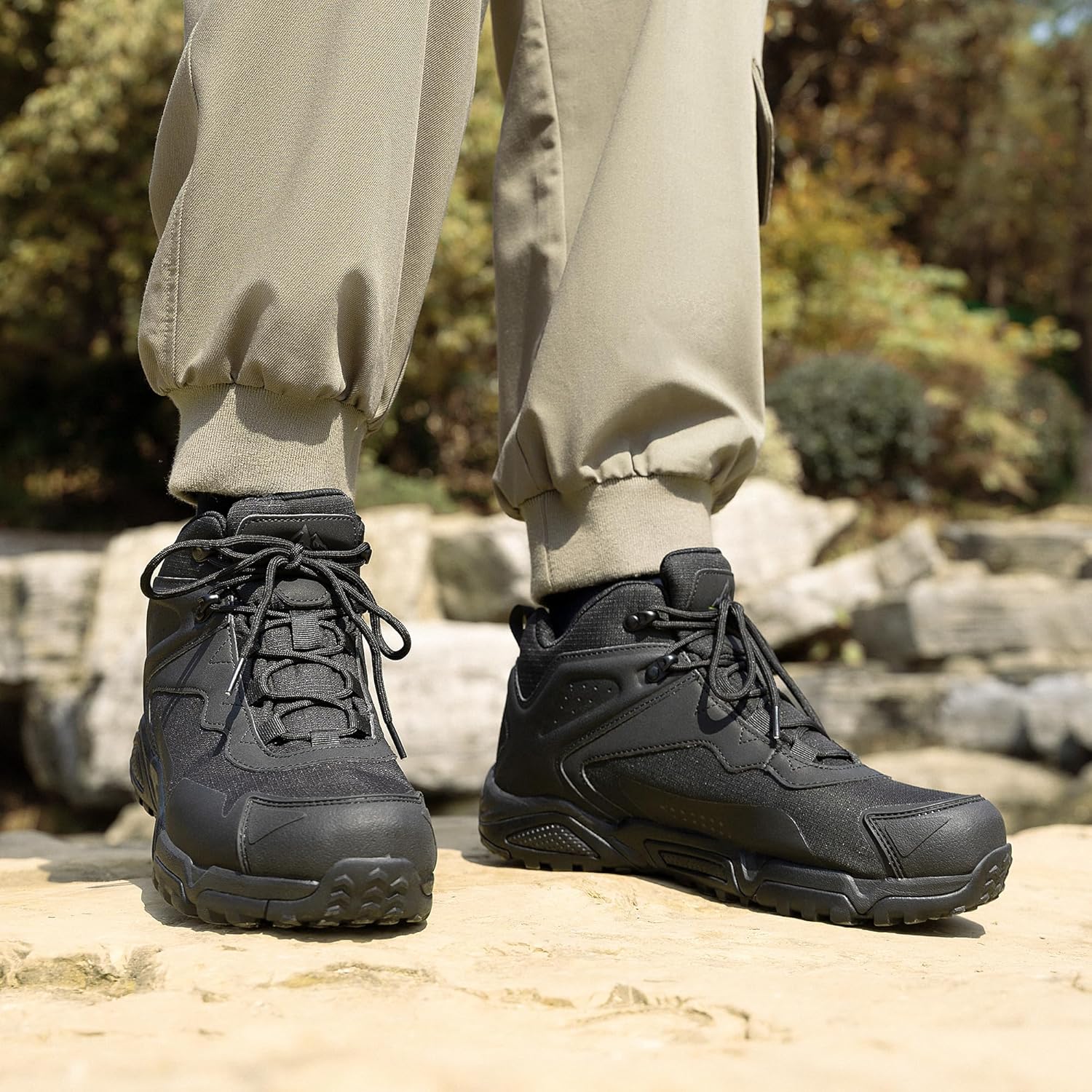
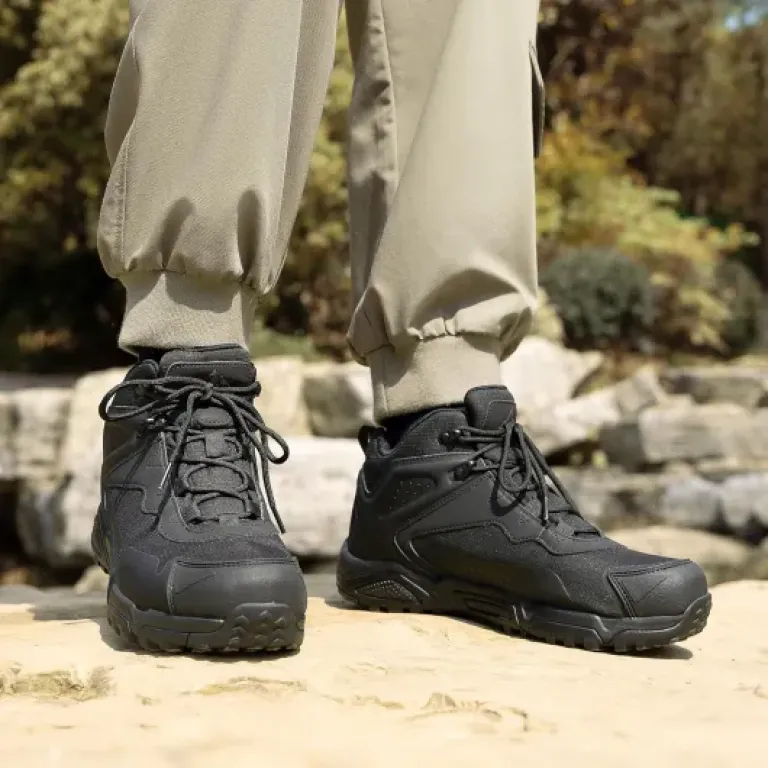
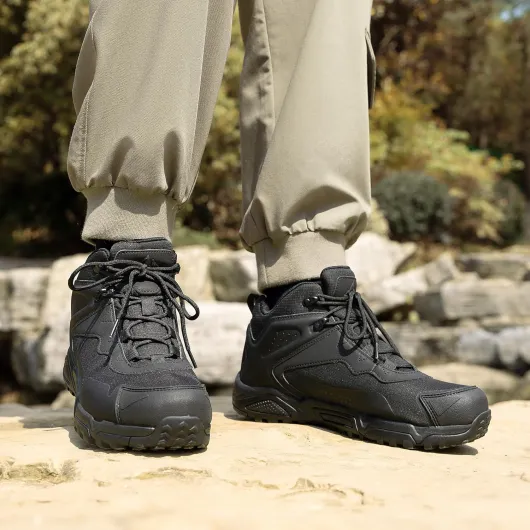
Design-wise, these boots are pretty simple and practical. Mid-ankle height, closed toe, flat heel, solid black colour. If you’re expecting the sleek, sporty look of some big-brand hiking shoes, this isn’t that. It’s more like a hybrid between a work boot and a trail boot. Personally, I don’t mind – black goes with everything, and I’m not out to win a style contest in the mud.
The ankle height is enough to give a bit of support and keep out splashes, but it’s not super high. One reviewer mentioned they’d like them a bit higher, and I agree. In deeper mud or long wet grass, water can still sneak in from the top if your trousers ride up. For normal trails, it’s fine, but if you’re used to proper high-ankle boots, you’ll notice the difference. On the other hand, the lower height makes them easier to wear as everyday boots without feeling like you’re wearing ski boots to the supermarket.
The lacing system is standard: normal eyelets all the way up, no hooks on mine. It works, but it’s not the quickest to tighten and loosen. Once laced, they hold well and I didn’t find myself retying them all the time. The tongue is gusseted (connected to the sides) high enough to keep most water and dirt out, which is important for a “waterproof” boot. The toe cap is rubberised and does its job – I’ve kicked stones and steps without destroying the front.
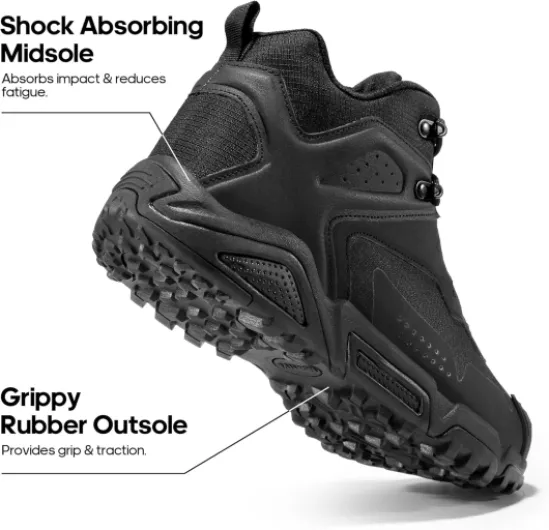
Grip pattern on the sole is aggressive enough for mixed terrain: multi-directional lugs that bite into mud and loose gravel. It’s not a mountaineering sole, but for wet fields, forest paths and light rocky tracks, it’s decent. On smooth wet rock or greasy pavements, you still need to be careful – they’re better than basic trainers, but they’re not magic. In short, the design is practical, a bit chunky, and clearly aimed at people who want a boot that can pass for both work and trail use.
Comfort: good out of the box, better with your own insoles
On comfort, these boots are actually better than I expected for the price. Out of the box, I wore them on a 5–6 km dog walk with mixed terrain: pavements, muddy paths, a bit of gravel. No hot spots, no blisters, and the ankle area didn’t dig into my skin. The padding around the collar is decent, and the tongue is thick enough to avoid lace pressure. I didn’t really feel like I had to “break them in” – they were usable straight away, which is nice if you need boots quickly.
The insole gives average arch support. For someone with neutral feet doing short walks, it’s fine. For longer hikes or if you have flat feet or high arches, it’s pretty basic. I did two longer 10 km+ walks and felt some fatigue in the midfoot and heel by the end. After I swapped in a better insole from an old pair of trainers, the comfort improved a lot. So my tip: factor in the cost of a decent insole if you plan to walk long distances regularly.
Weight-wise, they’re on the lighter side for a mid-ankle boot, especially compared to big leather work boots. You feel that when you’re walking for an hour or more – your legs don’t feel as heavy. That said, they’re still bulkier than low-cut hiking shoes. If you’re used to trail runners, you’ll notice the extra weight, but for a boot with this level of protection, it’s reasonable. Flexibility is also decent: the sole bends enough at the forefoot so you’re not walking like a robot.
The main comfort downside is heat and breathability. Because of the synthetic leather and waterproof membrane, your feet can get warm and sweaty, especially in mild or hot weather. In winter and cold, that’s actually a plus – my feet stayed warm. In summer or when walking fast, it’s a bit stuffy. With good moisture-wicking socks, it’s manageable, but if you run hot, you’ll feel it. Overall, for daily wear, wet grass walks, and moderate hikes, I’d rate comfort as pretty solid, especially once you tweak the insole.
Materials: synthetic but tougher than they look
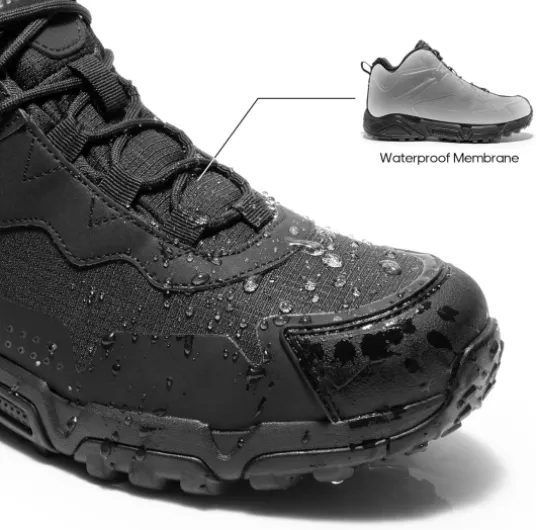
The upper is made of synthetic leather with a waterproof membrane underneath. So no real leather here, which is expected at this price. The upside: they’re easier to clean, they dry faster, and you don’t feel as bad beating them up. The downside: they don’t mold to your foot like good leather boots do over time, and they don’t breathe as well. After a few longer walks, I definitely felt more heat and sweat compared to my higher-end leather boots with a better membrane.
The sole is a mix of MD (a lightweight foam midsole) and rubber (RB) on the outside. The MD midsole gives a bit of cushioning and shock absorption. You can feel it when walking on hard paths; it’s softer than a pure rubber sole, which makes them more comfortable straight away. The rubber outsole handles abrasion and grip. After repeated use on tarmac, tracks and some rocky sections, the front centre of the sole does wear down – exactly like one reviewer said. It’s not catastrophic, but you won’t get multiple seasons of heavy use like with very expensive Vibram soles.
Inside, the lining is basically a sock-like material with a waterproof film. It feels fine with normal hiking socks, no rough seams that rubbed for me. The insole is a basic memory foam style. It’s okay, but not something I’d rely on for all-day hikes if you have picky feet or any foot issues. I swapped it out after a while and that improved comfort a lot. The toe cap and heel reinforcement do add a bit of structure and protection, and they haven’t separated or peeled so far, which is good.
Overall, materials match the price range: synthetic, functional, not premium. If you’re used to high-end boots, you’ll notice the difference in breathability and long-term sole wear. If you’re coming from cheap supermarket boots, this will feel like a clear step up in build and finish. They’re tough enough for regular use, but don’t expect them to be your 5-year boot for hardcore hiking.
Durability: good for the price, but not immortal
On durability, these boots sit in that middle ground: better than very cheap no-name boots, not as long-lasting as premium brands. One reviewer mentioned using them for over two years and they were still waterproof, with only the front centre of the sole worn down. That lines up with what I’d expect if you use them a few times a week for everyday walking and light hiking, not heavy-duty work every single day.
The upper material holds up pretty well. I’ve scuffed them on stones, scraped them on branches and bent them a lot at the toe, and I haven’t seen any cracking or peeling yet. Being synthetic, they don’t show wear in the same way as leather; they just get dirty, and a quick wipe or hose-down makes them presentable again. The stitching around the toe cap and heel hasn’t come loose on my pair, which is usually where cheap boots start to fail first.
The weak point is the sole wear. The rubber lugs do wear down in the high-contact areas, especially under the ball of the foot and the front centre. If you walk a lot on hard surfaces like tarmac or concrete, you’ll see this faster. For mostly off-road use, they’ll last longer. I wouldn’t expect the outsole to survive several years of daily use, but for a season or two of regular casual use, they’re fine. One user even said if they only last a year, they still feel they got their money’s worth compared to pricier boots that also fail after a year.
Overall, I’d say durability is acceptable and in line with the low price. These are not heirloom boots you resole and keep for a decade. They’re workhorses you wear hard for a year or two and then replace. If you go in with that mindset, you’ll probably be satisfied. If you want something that lasts half a decade of heavy hiking, you’ll need to spend more and look at higher-end brands.
Performance: fine for trails and wet grass, not for monsoon hikes
In real use, these boots are good for light to moderate outdoor stuff, but there are limits. On normal trails, forest paths, parks and fields, they do the job. Grip is decent in mud and on loose gravel thanks to the chunky tread. I’ve walked through plenty of wet grass and sloppy paths and didn’t feel like I was skating around. On wet tarmac and smooth rock, you still need to watch your step – they’re better than basic trainers but not super grippy. If most of your use is dog walking, casual hiking and general outdoor work, the outsole is good enough.
Waterproofing is where experiences differ a bit, and I get why. In my case, walking in wet grass, light rain and shallow puddles, my feet stayed dry. One user said they’ve been using them for over two years and they’re still waterproof – I can believe that if most of the use is in moderate conditions. Another user, who hikes on moorland and tors in heavy rain, said they got wet feet in a big downpour. That also makes sense. The membrane and synthetic leather can handle splashes and short exposure, but in serious, continuous rain or if water gets over the ankle, they slowly give up.
Drying time is actually a positive point. After a wet outing, I took the insoles out and left the boots in a warm, ventilated room. By the next day, they were ready to go again. The synthetic materials don’t soak up water like full-grain leather, so they don’t stay soggy. For someone who uses them several times a week, that’s handy. Just don’t expect them to be 100% waterproof if you’re crossing streams regularly or standing in water.
For all-round performance, I’d describe them as “solid everyday boots with light hiking capability”. They’re not designed for technical mountain routes, long multi-day treks with a heavy pack, or constant exposure to harsh weather. If you use them within their comfort zone – trails, fields, occasional rocky paths, typical British wet grass – they perform well for the price. Push them into hardcore hiking territory, and their weaknesses (breathability, waterproof limits, sole wear) start to show.
What you actually get when you unbox them
Out of the box, the boots look pretty straightforward: black, mid-ankle, synthetic leather with a chunky rubber sole. No fancy patterns, just a solid, almost work-boot style. They don’t scream “high-end hiking gear”, but they also don’t look cheap in a plasticky way. If you wear them with jeans or work trousers, they just pass as normal outdoor boots, which I like. I don’t need flashy colours for walking the dog.
Size-wise, they can be a bit tricky. The brand labels them in US size on the outsole and tag, and you have to double-check the UK size in the size chart. On my feet, I’d say they run slightly snug. I usually go between two sizes; with these I felt more comfortable going up half a size to leave space for thicker socks. Some reviewers even said they sized down, so it’s a bit inconsistent. My advice: check the size chart carefully and think about your sock thickness.
Inside, you get a removable insole that’s basically a simple memory foam style. It’s not orthopedic-level support, but it’s not a rock either. For short to medium walks, it’s fine. For long days, I preferred swapping in my own insoles from running shoes for better arch support. The boots lace up easily, the tongue is padded enough, and the ankle collar has enough cushioning to avoid rubbing on day one, which is a plus at this price.
Overall presentation is “no nonsense”. The features match what’s written: waterproof membrane, rubber toe cap, reinforced heel, multi-directional traction outsole. No hidden surprises, but also no premium feel. They look like what they are: budget hiking/work boots that focus on function first, style second. If that’s what you’re after, the first impression is pretty reassuring.
Pros
- Comfortable out of the box with decent ankle padding and cushioning
- Reasonably waterproof for wet grass, light rain and shallow puddles
- Good value for money compared to big-brand hiking boots
- Grippy sole that handles mud and casual trails well
Cons
- Waterproofing struggles in heavy, prolonged rain or very wet conditions
- Soles wear faster in the front centre if used a lot on hard surfaces
- Breathability is limited; feet can get warm and sweaty on longer or hotter walks
Conclusion
Editor's rating
If I had to sum up these NORTIV 8 JS19001M boots in one line, I’d say: solid budget hiking/work boots that handle everyday outdoor use well, as long as you don’t treat them like premium mountain gear. They’re comfortable enough straight out of the box, reasonably waterproof for wet grass, light rain and puddles, and the grip is good for casual trails and muddy fields. The synthetic build and waterproof membrane keep your feet dry in normal conditions, and they dry out fast if they do get wet.
They’re best suited for people who walk a lot but not necessarily in extreme conditions: dog owners, casual hikers, people who work outside in mixed weather, or anyone wanting a cheap pair of boots to keep by the door for bad-weather days. If you’re planning long hikes in heavy rain, multi-day treks, or serious mountain routes, I’d look at more technical (and more expensive) boots. The main downsides are average breathability, soles that wear faster than premium models, and waterproofing that has limits in very wet conditions.
Overall, I think they offer good value for money. They’re not perfect, but for the price, they get the job done. If you accept that they might be a one- to two-season workhorse rather than a long-term investment, you’ll probably be happy with them and not stress too much about beating them up.