
Summary
Editor's rating
Value: good bang for your buck if you know the limits
Design: practical, a bit clunky, but thought through
Comfort: warm and okay, but needs breaking in and better insoles
Materials: synthetic everything, with decent insulation
Durability: fine for the price, but don’t expect years of abuse
What you actually get when you open the box
Effectiveness: actually good at being warm and waterproof
Pros
- Very warm thanks to fleece lining and 3M Thinsulate insulation
- Genuinely waterproof in rain, slush, and shallow water
- Good value for money for casual winter use
Cons
- Insole padding is thin and usually needs extra insoles for comfort
- Reported issues with lace holders and heel durability under heavier use
- Fit can be tight in the toe area until broken in, especially for wider feet

Specifications
View full product page →| Brand | riemot |
Warm feet on a budget: where these boots really sit
I’ve been using these riemot snow boots mainly for dog walks, short hikes on muddy paths, and just general winter errands. Think wet grass, puddles, a bit of slush, and the odd icy patch rather than hardcore mountain stuff. I’m not sponsored, I bought them as a cheaper backup pair because I was tired of soaking my more expensive leather boots every time I went out in the rain.
My first impression: they look like typical budget winter boots – a bit chunky, fake leather, nothing fancy, but they feel reasonably solid in the hand. I wasn’t expecting miracles, just something that kept my feet dry and warm for an hour or two outside. On that front, they mostly do what they’re supposed to do, but there are some trade-offs you should know before you hit “buy”.
Over a few weeks, I’ve used them in constant drizzle, standing in wet fields, and walking through shallow water. I’ve also worn them on cold dry days just to see how my feet felt after a longer walk. In day‑to‑day use, they’re basically functional winter workhorses: not pretty, not super comfy out of the box, but they handle bad weather fairly well if you treat them as mid-range, not premium.
If you’re looking for honest feedback: they’re good value with clear limits. The waterproofing and warmth are the strong points. The weak spots are build quality in some areas and comfort if you’re picky about cushioning. If you go in with realistic expectations, you’ll probably be happy. If you expect them to behave like a £150 hiking boot, you’ll be disappointed.
Value: good bang for your buck if you know the limits
Given the current price range these usually sit in on Amazon, I’d say the value is pretty good. You’re getting waterproof boots with proper insulation, a rubber sole, and a warm lining for noticeably less than big‑name outdoor brands. In practice, that means warm, dry feet for not a lot of money, which is exactly what many people want for dog walks and winter chores.
However, the value depends heavily on your expectations. If you treat them as budget winter boots for light to moderate use, they’re worth it. They compare well to similarly priced no‑name boots or cheap fashion boots that often leak or have no insulation at all. One reviewer even mentioned these performed better than more expensive boots they’d had that leaked after a few weeks, which I can believe – sometimes basic construction with a rubber shell just works.
On the other hand, if you’re expecting long-term durability and top comfort, the value drops. You’ll probably need to spend a bit extra on decent insoles to fix the thin padding, and you have to accept that things like lace guides or heel glue might fail earlier than you’d like. If you end up replacing them every couple of winters, that might still be fine at this price, but it’s worth factoring in.
Overall, I’d rate value as solid: not mind-blowing, but fair. If your budget is tight and you mainly need something for winter dog walks, light hiking, and standing around in cold, wet conditions, they’re a sensible buy. If you can afford double the price, you’ll get better comfort and durability elsewhere, but for what they cost, these get the job done.
Design: practical, a bit clunky, but thought through
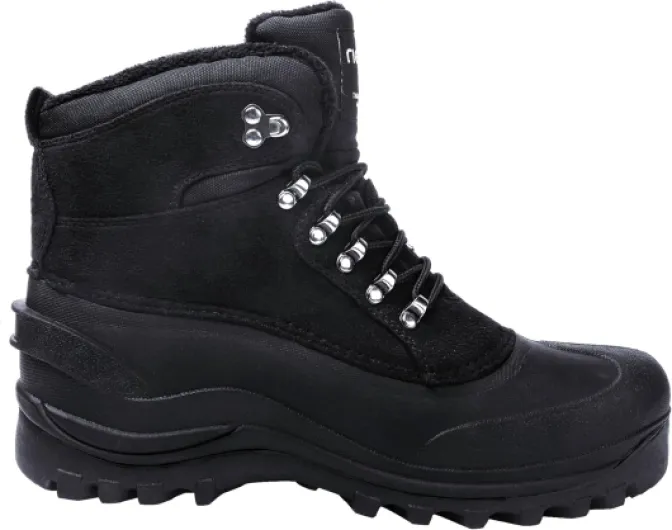
The design is clearly focused on practical winter use, not fashion. The boots are ankle‑high with a fairly high rise around the ankle, which gives decent support and helps keep snow, mud, and water out. They’ve added a gusseted tongue, which means the tongue is attached higher up the sides so water and debris don’t easily sneak in. In real life, that does help when you step in deeper puddles or walk in wet grass – you don’t instantly feel cold water pouring over your socks.
The toe box is on the narrower side at first, especially if you have wide feet. Like one of the reviewers mentioned, they can feel tight in the toe area when new. Mine eased up after a week of daily dog walks (around an hour each time). So the design is fine, but you might want to size up if you’re between sizes or plan to wear thick socks. The overall shape is more hiking boot than city boot: round toe, chunky sole, and a fairly wide base for stability.
That said, there are some weak points. The lace loops/holders don’t feel as bombproof as on proper trekking boots. You can see from the 1‑star review that one person had a lace guide rip out after a couple of days. I haven’t ripped mine, but I can feel they’re not industrial‑grade. If you’re rough with your boots or crank laces super tight every time, you might run into the same issue down the line.
Design-wise, my opinion is: it’s functional but not refined. They get the basics right – ankle support, tongue design, grippy sole pattern – but you can see where they cut corners in materials and reinforcements. For everyday winter chores and walks, that’s fine. For demanding hikes or daily heavy work use, I’d look at something more robust.
Comfort: warm and okay, but needs breaking in and better insoles
Comfort-wise, there are two sides: warmth is great, cushioning is average. If your main goal is to keep your feet warm and dry on short to medium walks, these boots do that. The fleece lining and Thinsulate mean your feet feel snug almost immediately. On cold, damp mornings, I actually looked forward to putting them on because they heat up quickly compared to unlined boots.
Now the downsides. Out of the box, the toe area felt a bit cramped. I don’t have super wide feet, but I could definitely feel pressure around the front when walking downhill, just like one of the reviewers mentioned. After about a week of daily use (roughly 1–2 hours a day), the lining and upper loosened up a bit and it got more comfortable. So there is a break‑in period. If you have wide feet, I’d either size up or accept that you’ll need a bit of time to break them in.
The sole cushioning is pretty minimal. If you’re walking on hard pavement for a long time, you start to feel it in your heels and arches. I ended up doing the same as one of the Amazon reviewers: adding extra insoles. With a decent insole (I used one with firm heel support), the boots suddenly felt much better and I could walk longer without sore feet. So yes, they can be comfortable, but they almost expect you to tweak them with extra insoles.
For day-to-day use – dog walks, school run, light chores – they’re comfortable enough once broken in and upgraded with insoles. If you want out‑of‑the‑box comfort and plan to do long hikes, these are not the best choice. Treat them as warm, waterproof shells that you tune for comfort rather than perfect all‑in‑one boots.
Materials: synthetic everything, with decent insulation
The upper is a mix of durable micro suede and oxford synthetic, with a waterproof TR shell bottom and a rubber sole. Translation: no real leather anywhere, everything is man‑made. That’s not automatically bad – synthetics can handle mud and wet conditions pretty well – but it does mean they don’t breathe like leather and they won’t age in a nice way; they’ll basically go from “fine” to “worn out” rather than slowly breaking in forever.
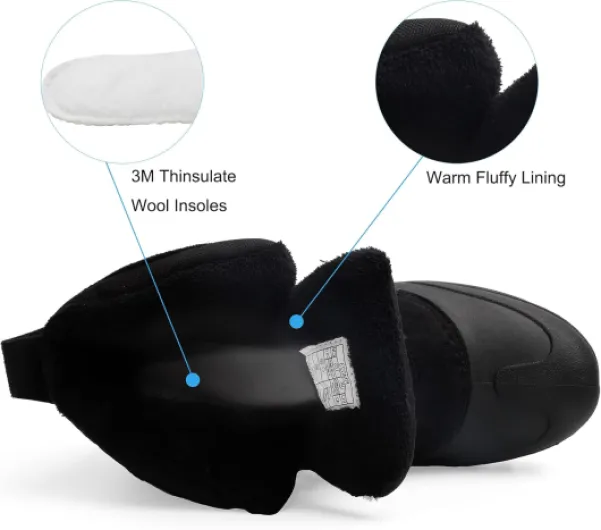
Inside, you’ve got a warm fleece lining and 3M Thinsulate insulation (200B) plus removable Thinsulate insoles. This is actually the best part of the materials: the insulation is solid for the price. My feet stayed warm on cold, damp mornings where my regular trainers would have been freezing. Even standing around in a field throwing a ball for the dog, my toes didn’t go numb. So on the warmth front, the materials do their job well.
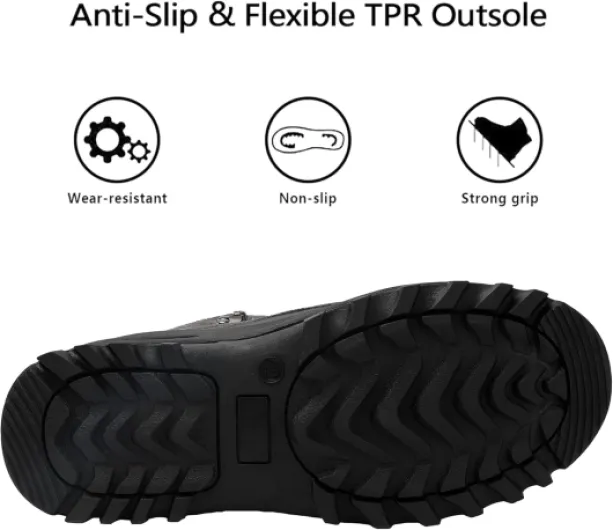
The sole is rubber with a decent tread pattern. It’s not mountaineering level, but it grips fine on wet pavement, muddy paths, and light snow. On pure ice, nothing short of spikes is truly safe, but these are at least better than normal sneakers. One downside is the insole padding: as one reviewer said, it’s pretty thin. The insulation is there, but the shock absorption isn’t great. I also ended up adding extra insoles for more comfort, especially for longer walks.
Overall, I’d say the materials feel budget but sensible: waterproof shell, synthetic upper that you don’t have to baby, and decent insulation. Where they save money is in the finer details – lace hardware, internal cushioning, and maybe glue quality at the heel and sole. If you accept that, they’re okay for what they cost.
Durability: fine for the price, but don’t expect years of abuse
Durability is where the mixed reviews make sense. Some people, like one of the 4‑star reviewers, had issues like a heel starting to tear off and needing glue or a lace holder coming away in under a year. Another had a lace guide rip out after just a couple of days. That tells you straight away: the build quality is okay but not heavy‑duty.
In my use, after a few weeks of daily wear in wet and muddy conditions, they’re holding up fine: no leaks, no obvious separation between sole and upper, and the stitching still looks intact. The synthetic upper is easy to rinse off and doesn’t show much wear yet. But you can feel that the materials and stitching aren’t on the same level as proper trekking boots from big outdoor brands. They’re more in line with what you’d expect from mid‑range supermarket or Amazon boots.
I’d put them in the category of 1–2 winter seasons of regular use if you’re reasonably gentle: dog walking, school runs, light gardening, that kind of thing. If you’re using them daily for hard work (construction, farm work, long hikes with heavy loads), I wouldn’t count on them lasting more than a season without some issue – whether it’s sole wear, lace hardware failing, or the heel starting to separate like that review mentioned.
So my honest take: durability is acceptable for the price, but not impressive. If you see them as semi-disposable winter boots that last a couple of winters of moderate use, they’re fine. If you’re hoping for a long‑term investment pair, you should probably spend more on a known outdoor brand with better materials and reinforcements.
What you actually get when you open the box
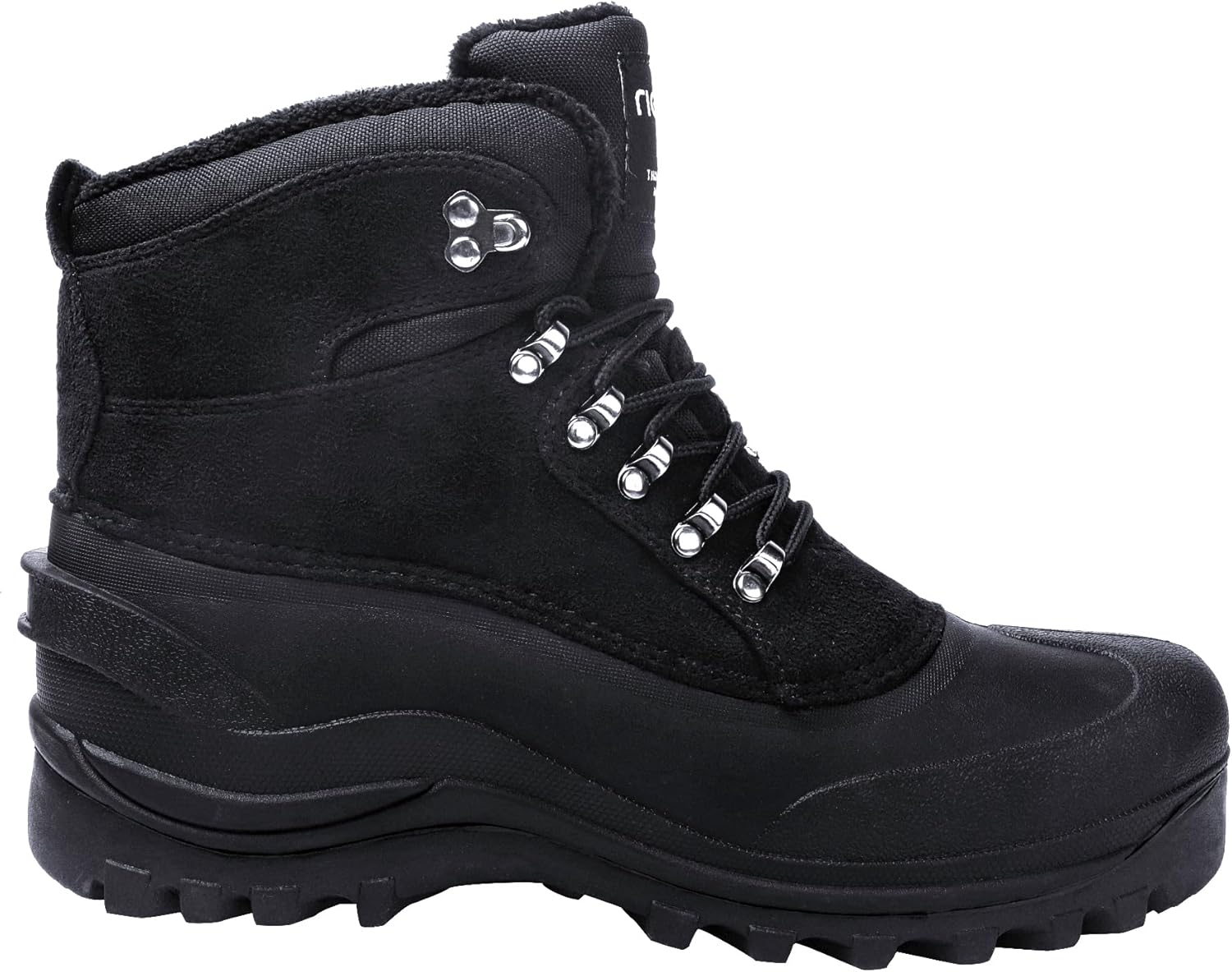
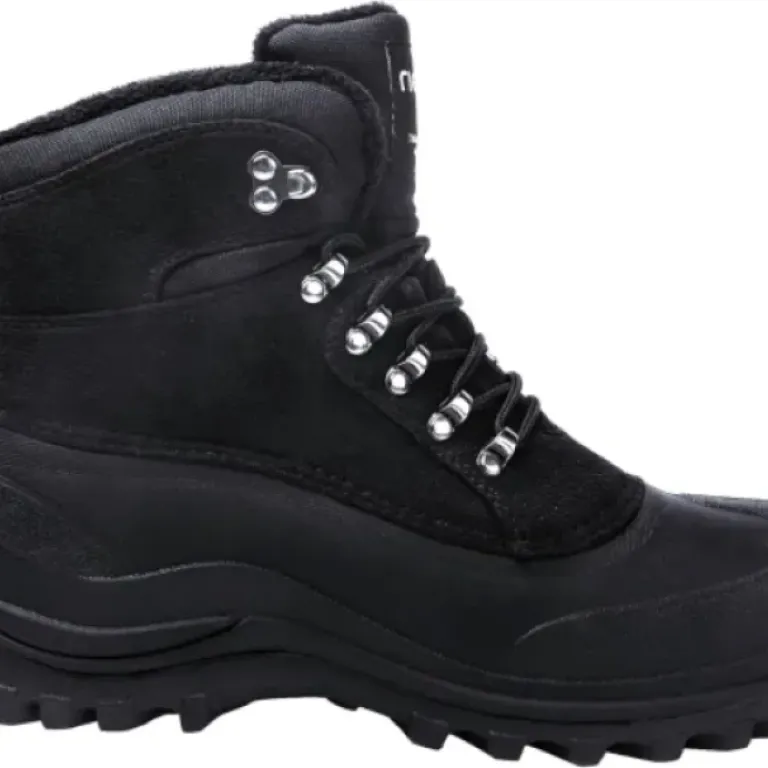
Out of the box, the riemot snow boots are pretty straightforward: a pair of ankle‑high synthetic winter boots with faux fur trim around the top, lace‑up closure, and a chunky rubber sole. No spare laces, no fancy packaging, just the boots in a plastic bag inside a basic box. It feels like they saved money on everything that isn’t strictly necessary, which I’m fine with at this price.
The model I tested is the Women Black, size 6 UK, but they’re marketed as unisex. The style is more on the practical side: dark synthetic upper, micro suede/oxford mix, rubber lower shell, and a visible fleece lining inside. It’s the kind of boot you throw on for dog walking, gardening, or going to the shop in the rain, not something you wear to look stylish. If you’re expecting sleek city boots, these are not it.
In the hand, they feel light to medium weight – not as heavy as full leather hiking boots, but not flimsy either. The lacing system uses standard fabric loops and metal eyelets. This is where a few users (and one of the reviews you shared) ran into trouble: some lace guides or holders can tear off if you pull too hard or after a bit of use. So while they look tough, they’re not indestructible.
Overall, the presentation matches the price point: no-frills, functional, slightly rugged look. If you want something clean and low‑profile, you might find them a bit bulky and basic. If you’re after something you don’t mind getting dirty in the yard, fields, or on a muddy trail, they fit that role pretty well.
Effectiveness: actually good at being warm and waterproof
On the core job – keeping feet warm and dry in winter – these boots are pretty solid. I’ve walked through wet grass, muddy paths, and puddles roughly up to the lower part of the ankle, and I didn’t get any leaks. One reviewer mentioned walking through about 3 inches of water with no problems, and that matches my experience. The TR waterproof shell around the bottom does what it says, as long as you don’t fully submerge them above that line.
The warmth is where they stand out for the price. The 3M Thinsulate plus fleece lining means your feet stay warm even when you’re not moving much. I used them for standing around at a cold, damp football pitch and my toes stayed comfortable. If you suffer from cold feet, you’ll probably like these more than unlined rubber boots or cheap fashion boots. Just don’t expect them to be super breathable – after a long walk, your socks will be warm and maybe slightly damp from sweat, but not soaked.
Grip is decent but not perfect. On wet pavement and light snow, they’re fine. On compacted snow and mild ice, you still need to be careful, but I felt more stable than in regular trainers or flat-soled wellies. They’re not a replacement for real winter hiking boots with aggressive lugs or spikes, but they’re enough for typical UK winter conditions: slush, mud, puddles, and some icy patches.
So in terms of effectiveness, I’d say: they get the basic winter boot job done – warm, waterproof, and reasonably grippy. They fall short on long‑distance walking comfort and heavy-duty use, but if your main use case is dog walking, gardening, short hikes, or shovelling snow, they’re honestly quite practical.
Pros
- Very warm thanks to fleece lining and 3M Thinsulate insulation
- Genuinely waterproof in rain, slush, and shallow water
- Good value for money for casual winter use
Cons
- Insole padding is thin and usually needs extra insoles for comfort
- Reported issues with lace holders and heel durability under heavier use
- Fit can be tight in the toe area until broken in, especially for wider feet
Conclusion
Editor's rating
These riemot snow boots are practical, budget-friendly winter boots that focus on the basics: warmth, waterproofing, and decent grip. They’re not stylish, they’re not ultra-comfortable out of the box, and they’re not built like tanks. But if your main goal is to keep your feet warm and dry for dog walking, gardening, short hikes, or general winter errands, they handle that pretty well, especially for the price.
The strong points are the Thinsulate insulation, the waterproof shell, and the generally reliable traction on wet and lightly snowy ground. The weak points are thin insole padding, some reports of lace holders and heels failing, and a slightly tight toe box until they break in. Add a decent pair of insoles and don’t expect them to survive years of heavy abuse, and they’re actually a sensible choice.
I’d recommend these to people who want an affordable, warm, waterproof boot for everyday winter use and who are okay with a bit of DIY tweaking (like adding insoles and not yanking laces too hard). If you’re planning long hikes, serious trekking, or you’re rough on your footwear, I’d skip these and invest in a more robust branded hiking boot instead. For casual winter use, though, they’re a good value, no-frills option.